

Hep B-Ware™
Published in academic literature
App Summary
App Screenshots



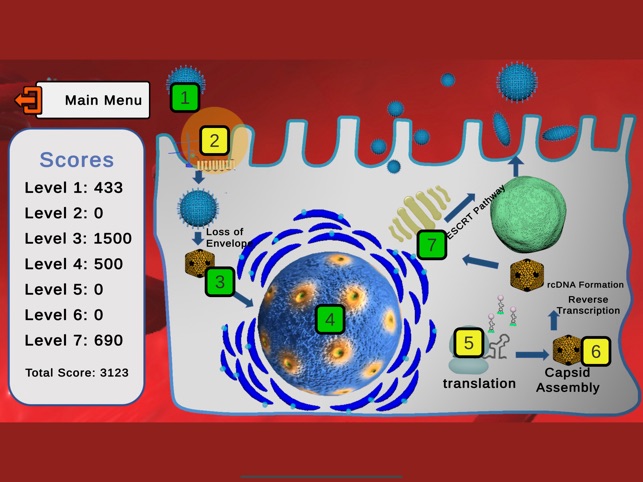
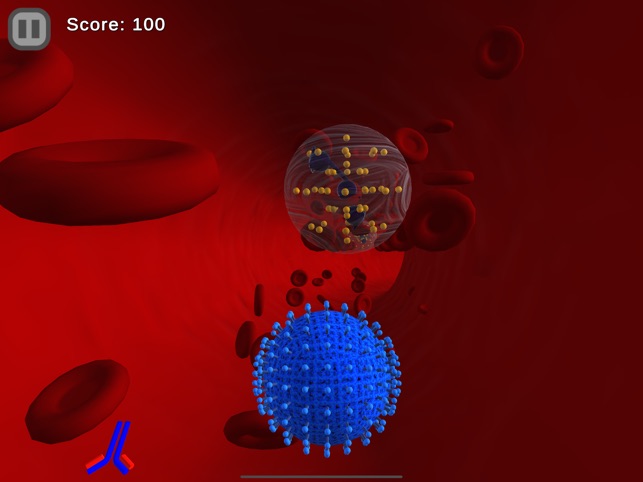
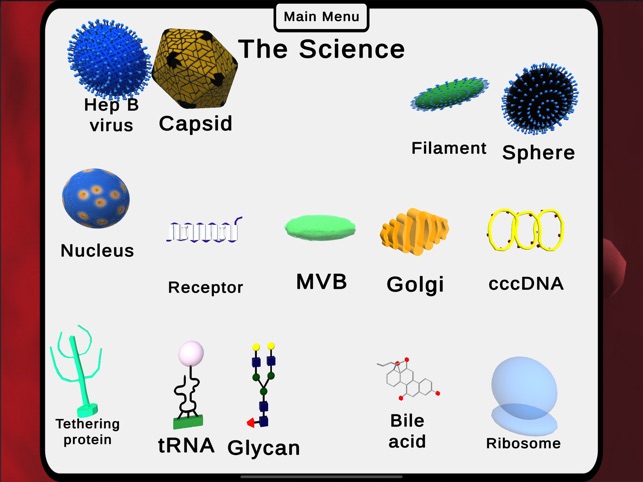
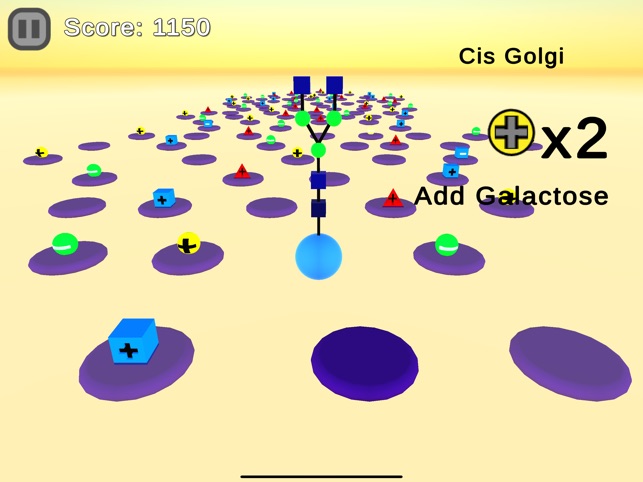
Detailed Description
Functionality & Mechanism
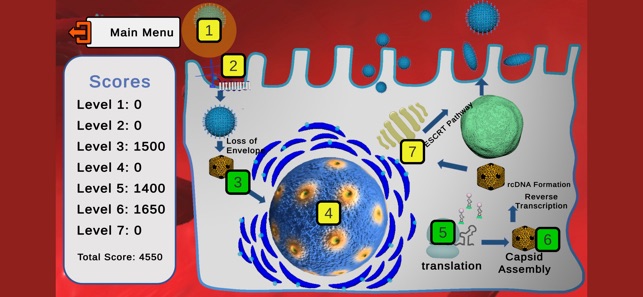
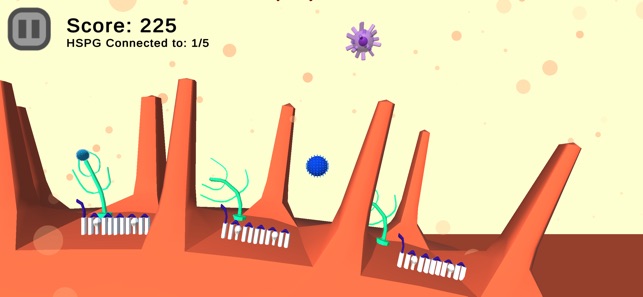
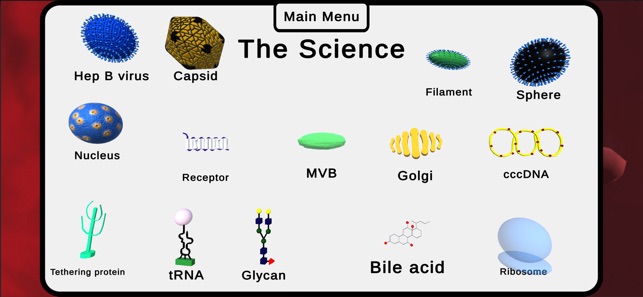
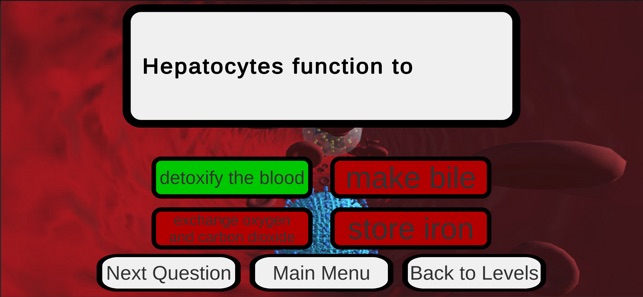
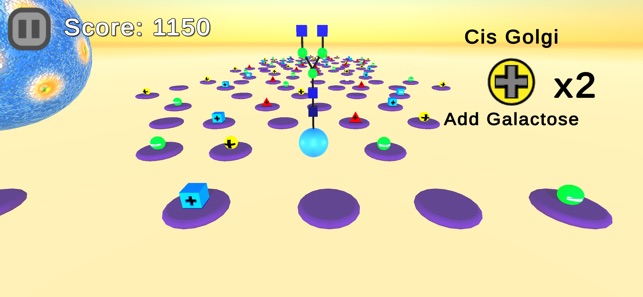
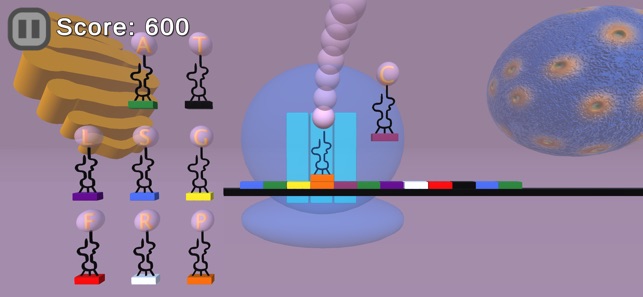
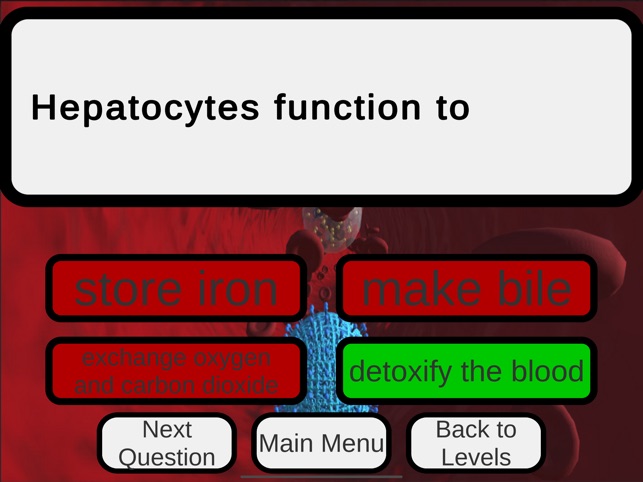
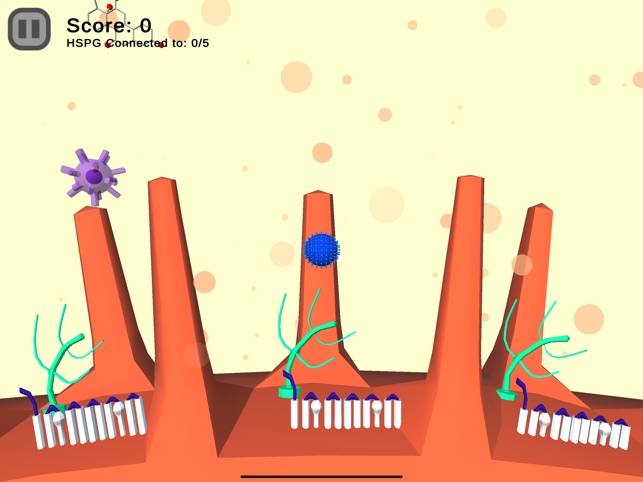
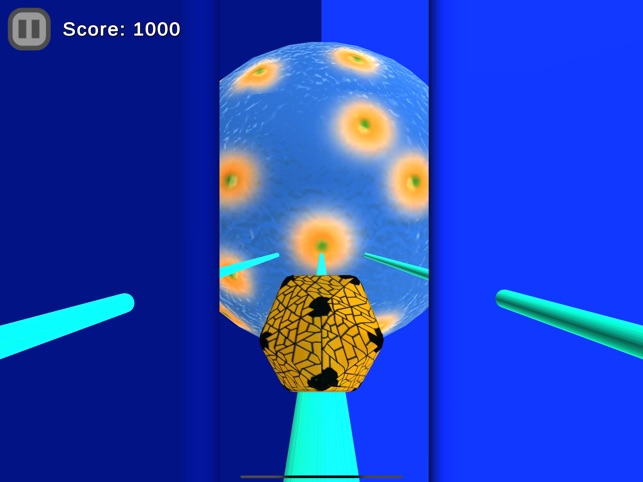
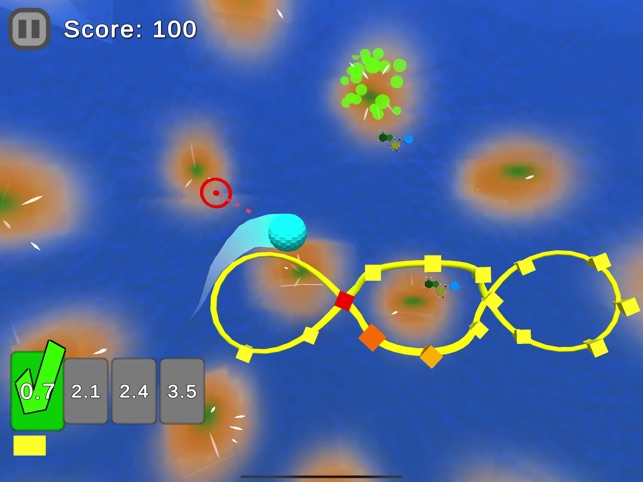
Hep B-Ware™ is an educational game-based learning tool developed by the Institute for Molecular Medicine and Infectious Disease at Drexel University College of Medicine. The system delivers pedagogical content across seven levels, simulating the hepatitis B virus (HBV) life cycle from bloodstream navigation to hepatocyte infection. Gameplay sessions progress through discrete virological stages, each concluding with an integrated quiz to assess knowledge acquisition. The interface also features selectable scientific terms that present expanded definitions to reinforce complex concepts.
Evidence & Research Context
- The app's design exemplifies the principles of a 'serious game,' a tool designed specifically for educational outcomes rather than simply gamifying existing content.
- Associated research on game-based learning (GBL) describes its foundation in neuroscience, where gameplay mechanics engage reward systems to increase learning motivation.
- The authors of a related publication emphasize that for GBL to be effective, it must be grounded in established learning theories and aligned with specific curricular objectives.
- The game's structure directly targets key learning outcomes concerning the stages of HBV infection, including cellular binding, entry, transcription, capsid assembly, and viral egress.
Intended Use & Scope
This tool is intended for students in medicine, biology, and other health professions as a supplementary resource for learning virology. Its primary utility is to introduce and reinforce foundational concepts of the HBV life cycle. The app is not a clinical reference or diagnostic tool and is not a substitute for formal academic instruction.
Studies & Publications
Peer-reviewed research associated with this app.
Not Just Fun and Games: Game-Based Learning in Health Professions Education
Thesen et al. (2023) · Medical Science Educator
Referenced in academic literature; no direct evaluation of the appIn the Media
College of Medicine Team Creates Award-Winning Educational Game
The Institute for Molecular Medicine and Infectious Disease at Drexel University College of Medicine developed CRISPR Cutout to teach players about genome editing technology, using interactive gameplay where users cut HIV DNA sequences from cells with guidance from characters named Crispy and G. The educational game recently won a silver medal from the International Serious Play Awards competition in Toronto, competing in the Student Entry category as a tool for people 13 and older. Mary Ann Comunale, EdD, MS, assistant professor of Microbiology and Immunology, served as project director for the team's fourth mobile educational game.
Biomedical Researchers Design Mobile Game for Teaching About HIV
Drexel University College of Medicine researchers developed CD4 Hunter⢠to teach students about HIV infection through an immersive mobile game where players become HIV particles hunting CD4+ T cells in the bloodstream. "By using digital game-based learning, we are creating a more immersive learning environment," said Dr. Sandra Urdaneta-Hartmann, assistant professor and director of the Center for Business and Program Development at IMMID. The game is now available on iTunes and Google Play as the first in a planned series of educational mini-games focusing on various pathogens.
App Information
Developer
Drexel UniversityCategory
Evidence Profile
Published in academic literature
Platforms
Updated
May 2023
© 2025 Drexel University
Tags
Relevant Links
Privacy Policy


Hep B-Ware™
Free