AppsFromResearch
Lola by CARE icon

Lola by CARE

Evidence Tier:EVALUATED

Assessed for usability and quality

For:General Public & EnthusiastsPatients & Caregivers

App Summary

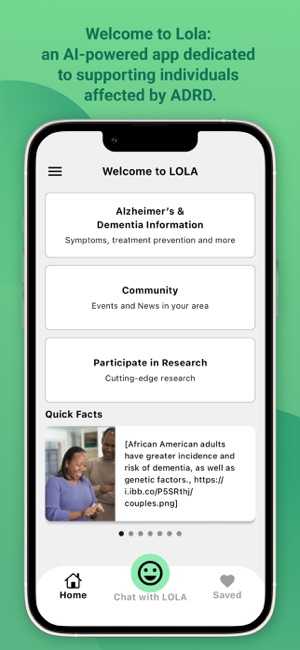
Lola by CARE is a mobile app designed for Black American communities to reduce health disparities in Alzheimer's disease and related dementias (ADRD) by providing culturally relevant education, community resources, and connections to clinical research. A cognitive walk-through usability study (N=15) with Black American informal caregivers found that a multimodal design, which allows interaction via text and speech, is essential for an inclusive and engaging experience. The associated research concludes that this flexible approach helps deliver personalized and contextually relevant health information to older Black adults.

App Screenshots

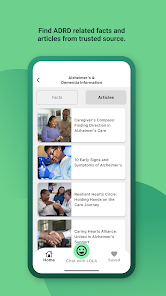
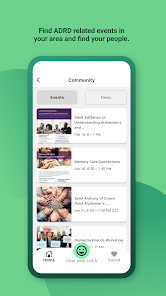
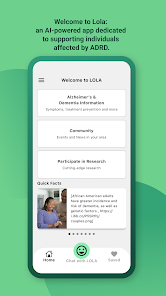
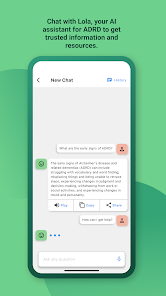
Lola by CARE screenshot 1 of 8Lola by CARE screenshot 2 of 8Lola by CARE screenshot 3 of 8Lola by CARE screenshot 4 of 8Lola by CARE screenshot 5 of 8Lola by CARE screenshot 6 of 8Lola by CARE screenshot 7 of 8Lola by CARE screenshot 8 of 8

Detailed Description

Functionality & Mechanism

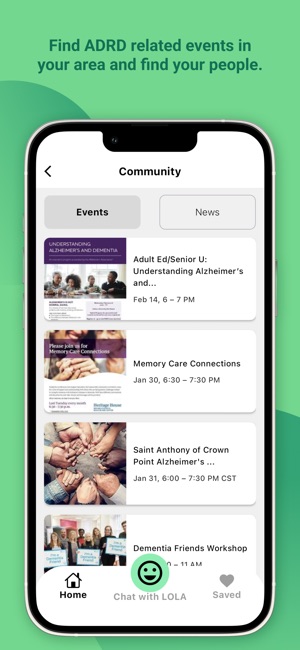
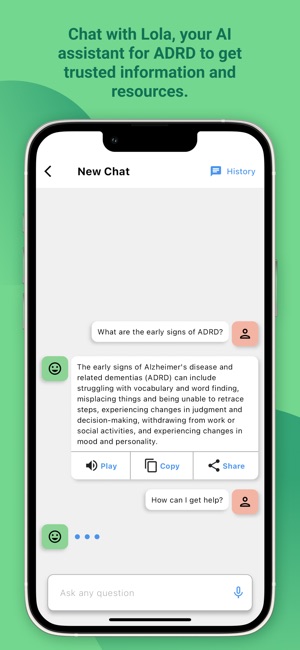
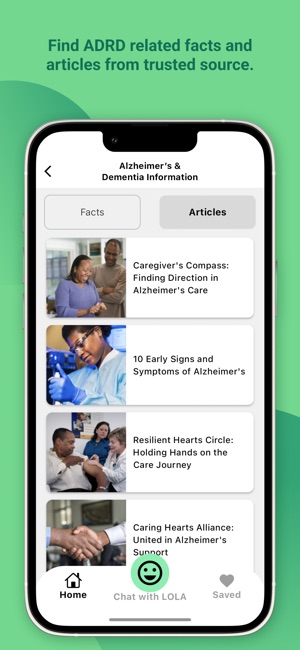
Developed by the Collaborative for Aging Research and Engagement (CARE), Lola is a multimodal mobile application designed to improve access to health information on Alzheimer's Disease and Related Dementias (ADRD). The system integrates a generative AI chatbot that accepts speech and text inputs, providing auditory, textual, and visual outputs. Core modules deliver educational content on ADRD symptoms and prevention, a repository of brain health articles, a directory of local community events, and a locator for clinical research opportunities.

Evidence & Research Context

  • A cognitive walk-through usability study (N=15) evaluated the app's design with informal Black American caregivers of individuals with ADRD.
  • The study highlighted the utility of a multimodal interface, allowing individuals to select interaction methods (speech, text) based on personal preference and external context.
  • Participants emphasized the need for personalized, culturally, and contextually relevant information to enhance engagement and system adoption.
  • Findings indicated that linking the digital tool to physical community spaces and local events is a critical factor for increasing its use.

Intended Use & Scope

This application is intended for Black American informal caregivers and community members seeking information on Alzheimer's Disease and Related Dementias. Its primary utility is as a culturally relevant educational and community resource hub to improve health literacy and facilitate connection to local support. The tool does not provide medical advice or diagnosis and is not a substitute for professional clinical consultation.

Studies & Publications

1 publication

Peer-reviewed research associated with this app.

Usability Study

Designing a Multimodal and Culturally Relevant Alzheimer Disease and Related Dementia Generative Artificial Intelligence Tool for Black American Informal Caregivers: Cognitive Walk-Through Usability Study

Bosco et al. (2025) · JMIR Aging

Users valued the app's culturally-relevant personalized information and community features.

Many members of Black American communities, faced with the high prevalence of Alzheimer disease and related dementias (ADRD) within their demographic, find themselves taking on the role of informal caregivers. Despite being the primary individuals responsible for the care of individuals with ADRD, these caregivers often lack sufficient knowledge about ADRD-related health literacy and feel ill-prepared for their caregiving responsibilities. Generative AI has become a new promising technological innovation in the health care domain, particularly for improving health literacy; however, some generative AI developments might lead to increased bias and potential harm toward Black American communities. Therefore, rigorous development of generative AI tools to support the Black American community is needed. The goal of this study is to test Lola, a multimodal mobile app, which, by relying on generative AI, facilitates access to ADRD-related health information by enabling speech and text as inputs and providing auditory, textual, and visual outputs. To test our mobile app, we used the cognitive walk-through methodology, and we recruited 15 informal ADRD caregivers who were older than 50 years and part of the Black American community living within the region. We asked them to perform 3 tasks on the mobile app (ie, searching for an article on brain health, searching for local events, and finally, searching for opportunities to participate in scientific research in their area), then we recorded their opinions and impressions. The main aspects to be evaluated were the mobile app's usability, accessibility, cultural relevance, and adoption. Our findings highlight the users' need for a system that enables interaction with different modalities, the need for a system that can provide personalized and culturally and contextually relevant information, and the role of community and physical spaces in increasing the use of Lola. Our study shows that, when designing for Black American older adults, a multimodal interaction with the generative AI system can allow individuals to choose their own interaction way and style based upon their interaction preferences and external constraints. This flexibility of interaction modes can guarantee an inclusive and engaging generative AI experience.
... Read More

Lola by CARE

Free