AppsFromResearch
LPI DNI icon

LPI DNI

Evidence Tier:DOCUMENTED

Published in academic literature

For:Researchers & AcademicsClinicians & Healthcare ProfessionalsGeneral Public & Enthusiasts

App Summary

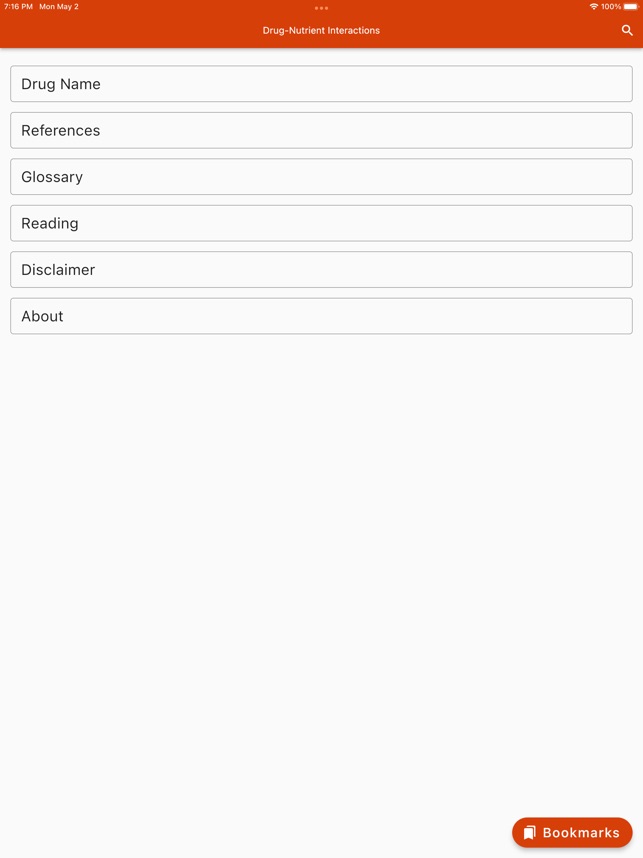
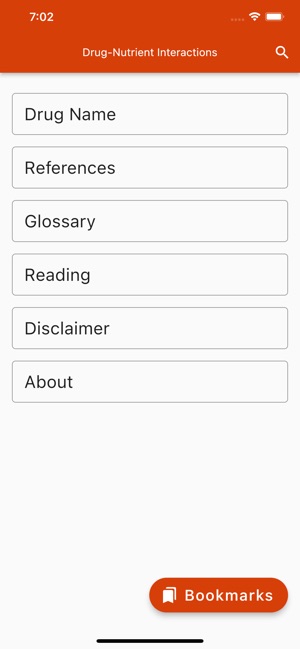
LPI DNI is a reference database from the Linus Pauling Institute designed to help clinicians, particularly pharmacists, identify and manage potential interactions between medications and micronutrients. The associated research highlights that long-term medication use for chronic conditions can result in micronutrient insufficiencies that may require supplementation. This tool supports healthcare providers in counseling patients on appropriate dosing strategies and nutritional needs to mitigate potential adverse interactions.

App Screenshots

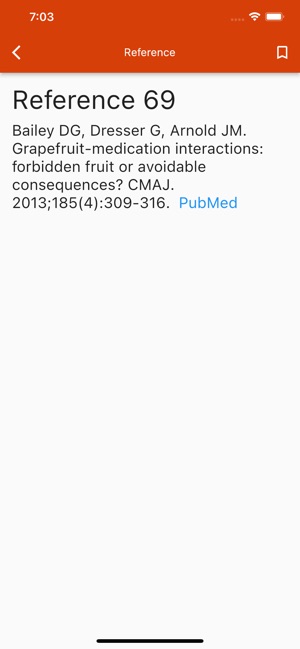
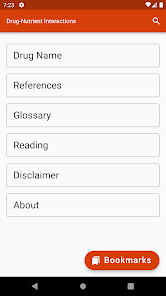
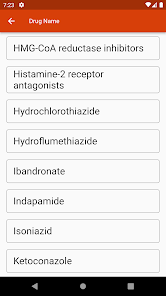
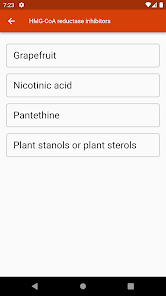
LPI DNI screenshot 1 of 15LPI DNI screenshot 2 of 15LPI DNI screenshot 3 of 15LPI DNI screenshot 4 of 15LPI DNI screenshot 5 of 15LPI DNI screenshot 6 of 15LPI DNI screenshot 7 of 15LPI DNI screenshot 8 of 15LPI DNI screenshot 9 of 15LPI DNI screenshot 10 of 15LPI DNI screenshot 11 of 15LPI DNI screenshot 12 of 15LPI DNI screenshot 13 of 15LPI DNI screenshot 14 of 15LPI DNI screenshot 15 of 15

Detailed Description

Functionality & Mechanism

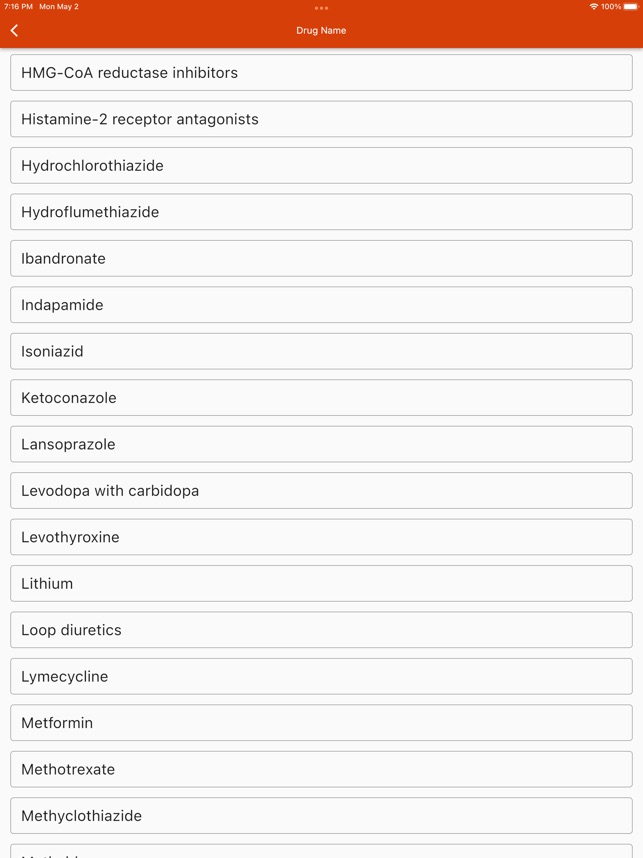
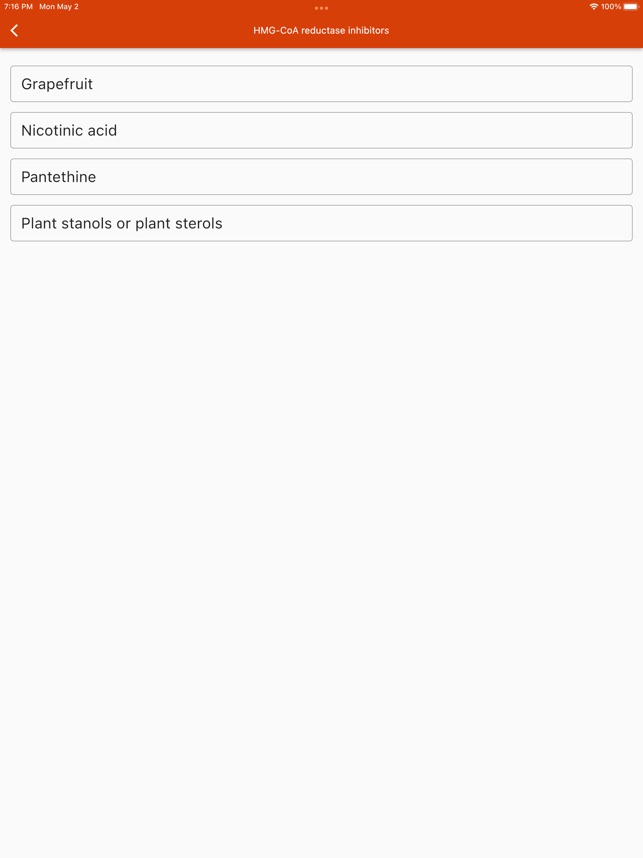
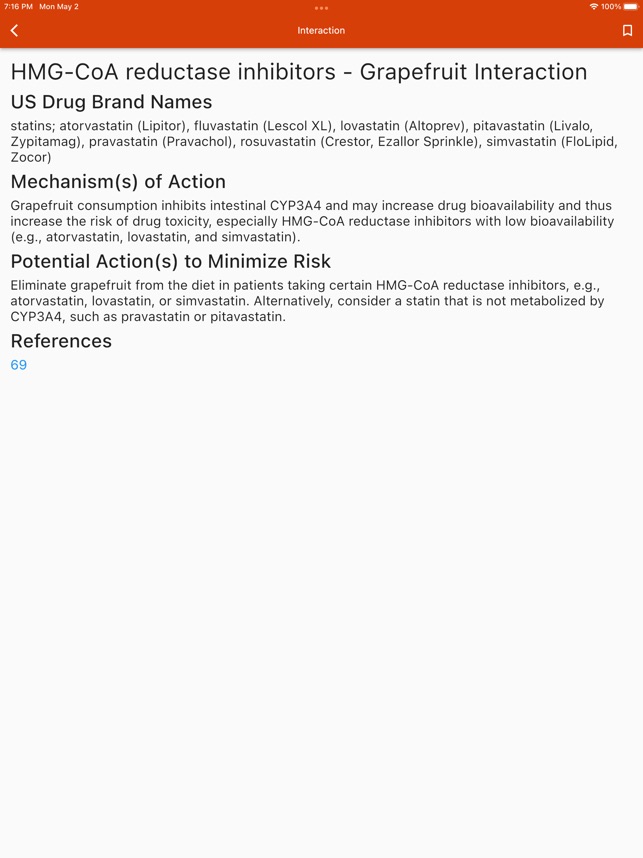
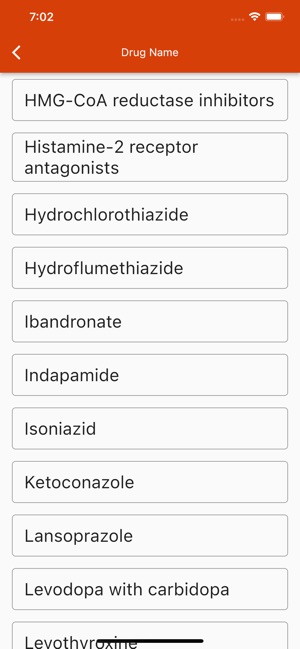
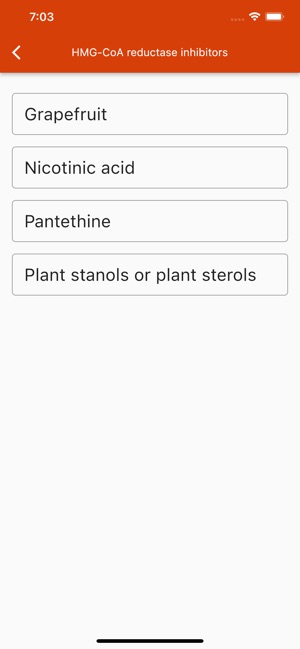
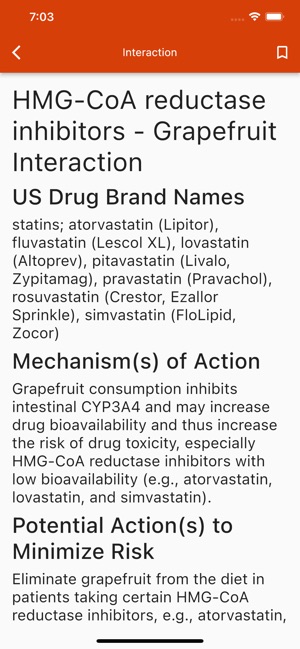
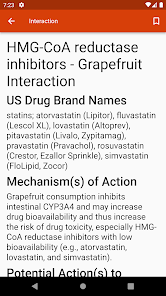
The LPI Drug-Nutrient Interaction (DNI) database, developed by the Linus Pauling Institute at Oregon State University, is a clinical reference system. The interface allows clinicians to query specific prescription medications or micronutrients to identify potential interactions. The system presents information on how medications can affect nutrient status and how dietary supplements might alter drug efficacy or safety. This process facilitates rapid, evidence-based decision support within clinical workflows, enabling timely patient counseling and regimen adjustments.

Evidence & Research Context

  • The database is grounded in research highlighting the clinical significance of drug-nutrient interactions amid widespread prescription drug and supplement use.
  • Associated research identifies that long-term therapy with certain drug classes, such as proton-pump inhibitors, can precipitate micronutrient deficiencies.
  • The authors note that chronic diseases, including diabetes, may also predispose patients to micronutrient insufficiencies requiring clinical management.
  • The underlying research emphasizes the critical role of pharmacists in identifying and resolving potential drug-nutrient interactions through patient counseling.

Intended Use & Scope

This database is intended for clinicians, including pharmacists, physicians, and registered dietitians, as a decision support reference. Its primary utility is the rapid identification of potential drug-nutrient interactions to inform patient counseling and care planning. The tool does not provide patient-specific therapeutic recommendations and is not a substitute for comprehensive clinical evaluation and professional judgment.

Studies & Publications

1 publication

Peer-reviewed research associated with this app.

Non-Evaluative Reference

Medications and Micronutrients: Identifying Clinically Relevant Interactions and Addressing Nutritional Needs

Prescott et al. (2018) · Journal of Pharmacy Technology

Referenced in academic literature; no direct evaluation of the app
Objective: Prescription drug use is on the rise, and the use of dietary supplementation remains common. In the United States, more than half of all adults take a dietary supplement in any given month. As a result, drug-nutrient interactions are becoming an important consideration when pharmacists counsel patients about their drug regimens. We reviewed the literature to identify common and/or clinically relevant drug-nutrient interactions that pharmacists may encounter in practice. Data Sources: A MEDLINE search for English-language publications from 1970 through March 2017 was performed using search terms (and variations) related to drugs, medications, micronutrients, and interactions. Study Selection and Data Extraction: Relevant studies, case reports, and reviews describing drug-nutrient interactions were selected for inclusion. Data Synthesis: Some drug-nutrient interactions may result in micronutrient insufficiencies or even frank deficiencies, thereby necessitating augmentation with multivitamin/minerals or individual vitamin/mineral dietary supplements. This most often occurs with long-term therapy for chronic conditions, such as treatment with proton-pump inhibitors and histamine-2 receptor antagonists. In addition, some chronic diseases themselves, such as diabetes, may predispose patients to micronutrient insufficiencies, and dietary supplementation may be advisable. Conclusions: Drug-nutrient interactions can often be resolved through specific dosing strategies to ensure that the full effect of the medication or the dietary supplement is not compromised by the other. In rare cases, the dietary supplement may need to be discontinued or monitored during treatment. Pharmacists are in a key position to identify and discuss these drug-nutrient interactions with patients and the health care team.
... Read More

LPI DNI

Free