AppsFromResearch
MacromoleculAR icon

MacromoleculAR

Evidence Tier:DOCUMENTED

Published in academic literature

For:Researchers & AcademicsGeneral Public & EnthusiastsStudents

App Summary

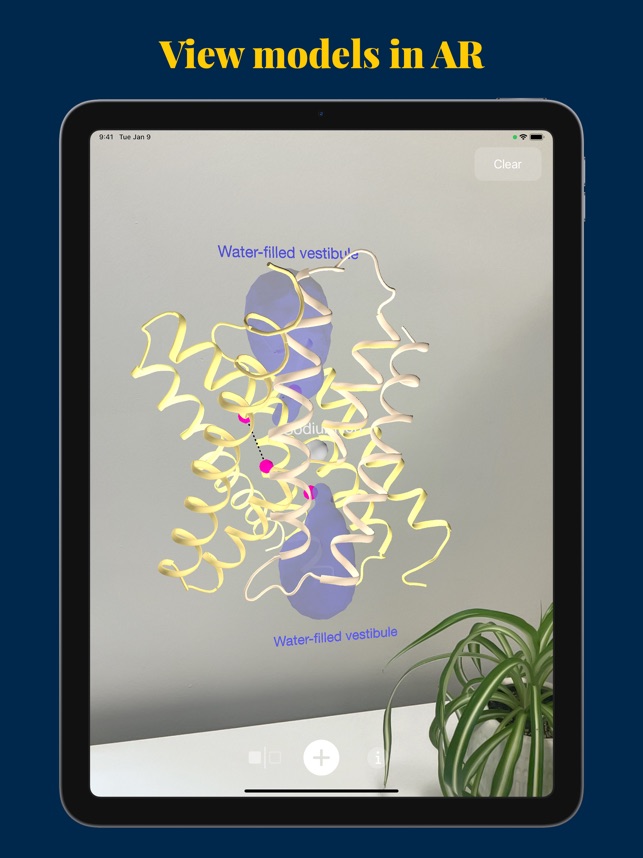
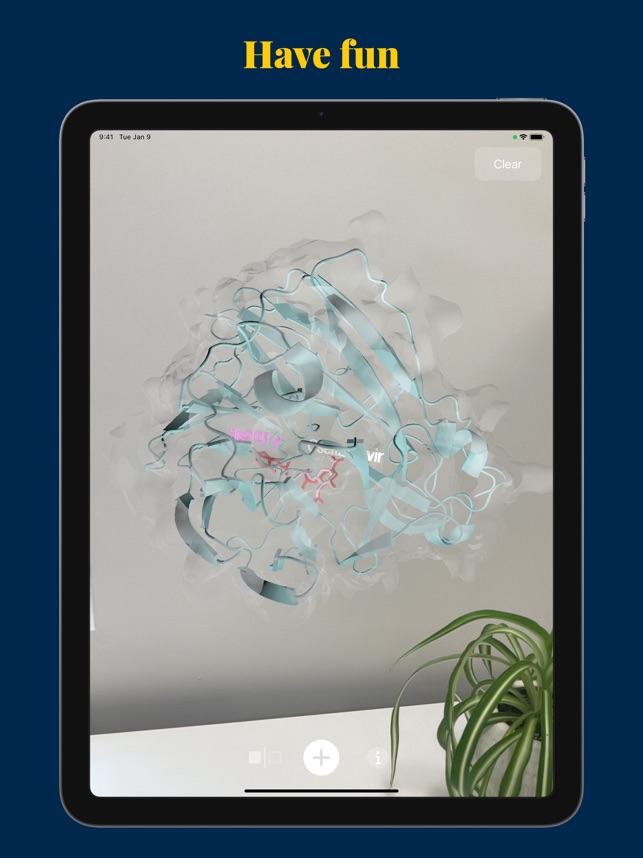
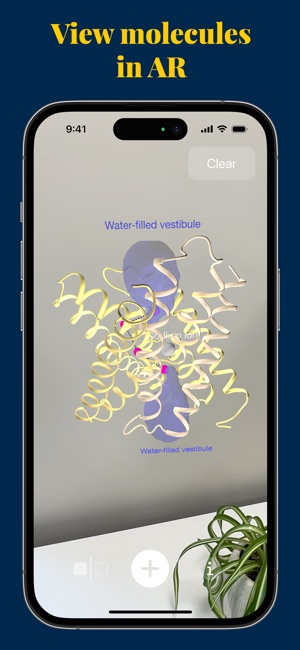
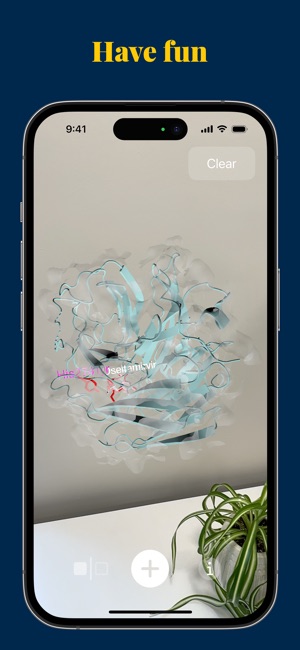
MacromoleculAR is an augmented reality educational app for students and the general public that renders interactive, 3D molecular models in the user's real-world environment. The tool was developed as part of an associated research project that determined the atomic structures of membrane proteins responsible for bacterial resistance to common antiseptics. By allowing users to virtually walk around these complex structures, the authors conclude this provides a user-friendly way for non-experts to learn how these molecular machines function.

App Screenshots

MacromoleculAR screenshot 1 of 12MacromoleculAR screenshot 2 of 12MacromoleculAR screenshot 3 of 12MacromoleculAR screenshot 4 of 12MacromoleculAR screenshot 5 of 12MacromoleculAR screenshot 6 of 12MacromoleculAR screenshot 7 of 12MacromoleculAR screenshot 8 of 12MacromoleculAR screenshot 9 of 12MacromoleculAR screenshot 10 of 12MacromoleculAR screenshot 11 of 12MacromoleculAR screenshot 12 of 12

Detailed Description

Functionality & Mechanism

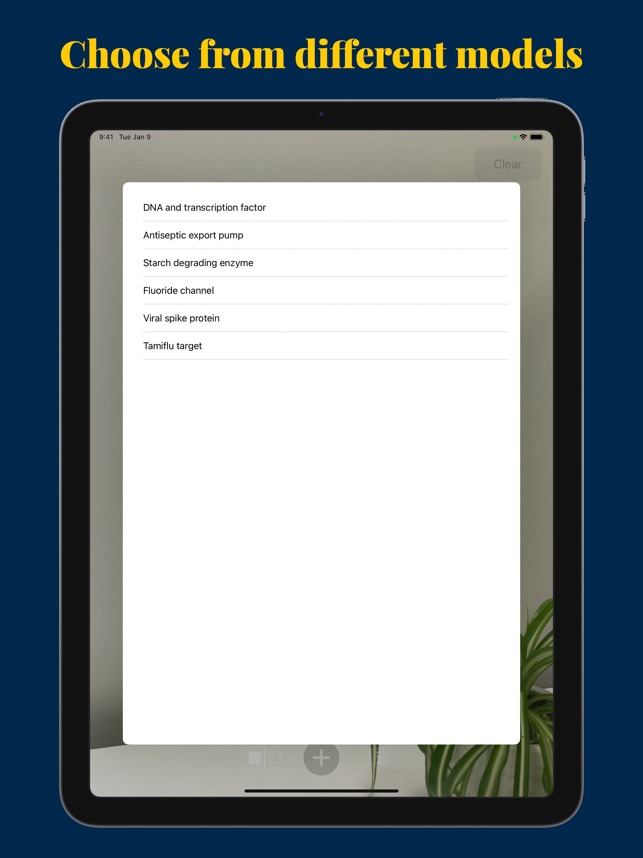
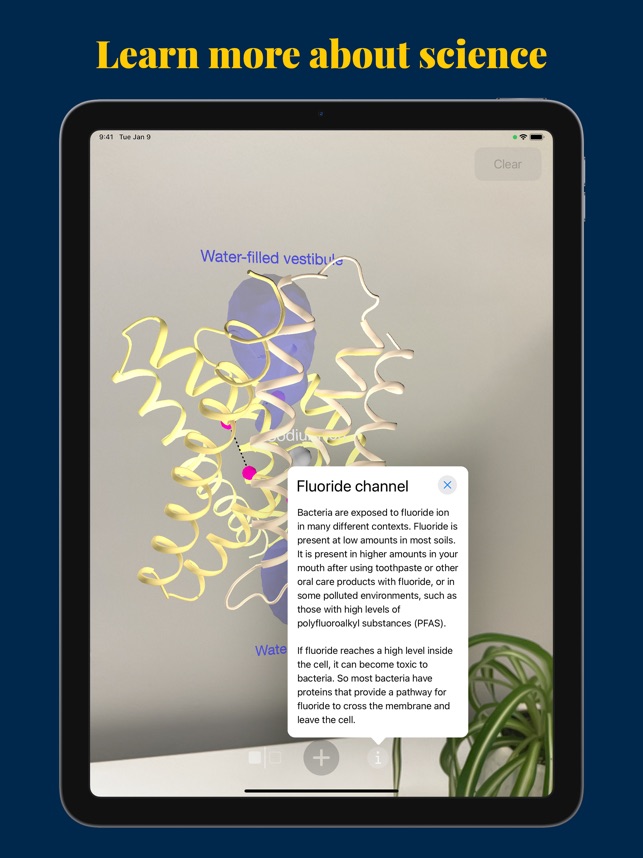
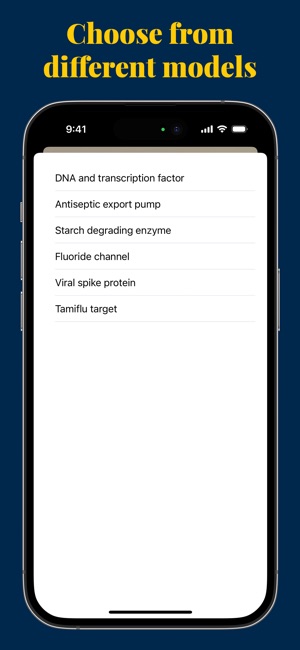
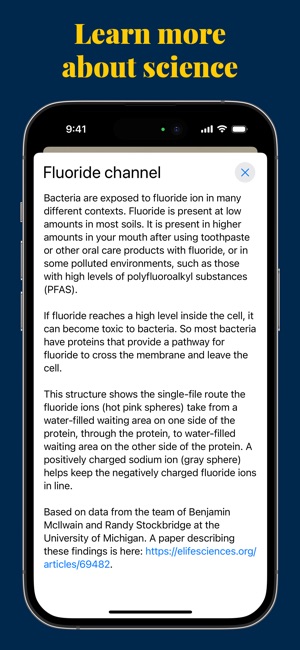
MacromoleculAR leverages augmented reality to render interactive, three-dimensional molecular models within a user's physical environment. Developed as an outreach component of National Science Foundation-funded research, the system facilitates the placement and manipulation of virtual protein structures. The interface allows for model rotation through screen-based gestures and enables immersive exploration as the user physically navigates around the rendered object. Each molecular visualization is supplemented with curated descriptive text detailing the molecule's specific biological function and significance.

Evidence & Research Context

  • The app's development was supported by a National Science Foundation (NSF) award investigating the molecular evolution of antibiotic and antiseptic resistance in bacteria.
  • It was created as a "Broader Impacts" component of this research to disseminate scientific concepts to undergraduate students and the general public.
  • The associated research project determined multiple atomic-level structures of antiseptic export proteins, providing a structural basis for the app's molecular models.
  • The system's primary pedagogical objective is to illustrate how molecular machines function and can be applied in fields such as biotechnology.

Intended Use & Scope

This system is designed as an educational visualization tool for undergraduate students and the general public to facilitate conceptual understanding of molecular biology. Its primary utility is for supplementary learning and scientific outreach. The app does not serve as a professional research or molecular modeling platform and is not a substitute for formal coursework.

Studies & Publications

1 publication

Peer-reviewed research associated with this app.

Non-Evaluative Reference

Molecular evolution of antibiotic export by the SMR family of membrane proteins

Stockbridge et al. (2024) · NSF Award Abstract

Referenced in academic literature; no direct evaluation of the app
One way bacteria gain resistance to toxins (such as antibiotics or antiseptics) is through the evolution of transporters that eject toxic compounds from the cell. This adaptation mechanism utilizes protein assemblies in the membrane to "pump" the toxins out, yet maintain the integrity of the impermeable membrane barrier that defines the cell. Such proteins undermine antibiotic treatment because they actively remove these drugs from the cell. This project will investigate the evolution of antibiotic and antiseptic resistance in bacteria, focusing on a particular class of membrane proteins known as the "small multidrug resistance transporters." This project will reveal fundamental knowledge that will inform the fight against drug-resistant bacteria. In addition, this research will elucidate how transport of select compounds across cell membranes evolved in nature. This knowledge will impact bioengineering strategies, with potential applications in biofuel production, bioremediation, and nutritional fortification of foods. This project will also provide training opportunities for undergraduates to learn cutting-edge scientific techniques. It will also include development of an augmented reality app that will engage undergraduate students and the general public in learning how molecular machines function and can be exploited in biotechnology. The overarching scientific objective of this project is to gain insight into two key evolutionary events for membrane proteins: a) duplication of a progenitor single-domain protein to generate the two-domain architecture found in a plurality of transporters; and b) evolution of novel substrate specificity of such transporters. The PI has recently identified and functionally surveyed a family of microbial membrane proteins that is an excellent model for both of these processes, the SMR (small, multidrug resistance) family, which comprises two subtypes: exporters of guanidinium ion, and exporters of bulky hydrophobic antimicrobials. Objective 1 will characterize, in atomic detail, the structure, mechanism and mutational robustness of representative SMR proteins that, because of their position in the phylogenetic tree, will be particularly informative for evolutionary analyses. Objective 2 will test hypotheses about the evolutionary mechanism by which drug export function emerged in the SMR family. To do this, we will use a multidisciplinary approach combining evolutionary techniques such as phylogenetics, ancestral reconstruction, and direct coupling analysis with membrane protein biochemistry, electrophysiology, and crystallographic approaches. This award reflects NSF's statutory mission and has been deemed worthy of support through evaluation using the Foundation's intellectual merit and broader impacts review criteria. Project Outcomes: Summary:This award led to a fundamental understanding of a class of proteins that protect bacteria against common antiseptics. This project also showed how this antiseptic transport function might have evolved in bacteria. Finally, this award supported the development of an app for iPhone and Android mobile devices that allows the general public to learn about the structure of different biologically important molecules. Intellectual Merit:Antiseptic handsoaps and cleaning agents are commonly used to control bacteria that cause disease. Bacteria possess proteins to resist these antiseptics. As part of this research project, we determined a molecular structure of an antiseptic export protein. We determined structures of this protein bound to five different antibacterial compounds, which revealed how the protein changes structure to bind to different substrates. Understanding the structure of this protein helped us identify the specific regions of the protein that are important to the antiseptic export function. Using a combination of approaches, we tested whether these specific residues were important to antiseptic export as we hypothesized. We used high throughput protein mutagenesis, a method called solid supported membrane electrophysiology, and also developed new antiseptic transport assays. Specifically, we developed a new method to chemically synthesize antiseptics linked to a fluorescent molecule, which allowed us to perform a novel transport assay to measure antiseptic transport by these proteins. This project supported two peer-reviewed publications, determination of eight protein structures by x-ray crystallography, and six talks at international meetings. Broader Impacts: Bacteria resistance to common antiseptics in household cleaning agents and handsoaps is a major problem in society. By understanding how bacteria resist these antiseptics, the work supported by this grant provides fundamental information that can help us design more effective antimicrobial approaches. In addition, awardsupported training of one postdoc, three graduate students, and supported summer research stipends for 7 undergraduates (4 female/3 male) from diverse backgrounds.Finally, NSF funds also supported development of an augmented reality (AR) app for mobile devices, MacromoleculAR, which is available to the public free of charge via the Apple Store or Google Play. This app provides a user-friendly way for non-experts to explore molecular structures as if they were life-sized objects in the room. Not only can users rotate the molecule by swiping their screen, they can walk around these virtually rendered 3D structures of proteins. Each structure is accompanied by a description of its biological role suitable for a general audience. Last Modified: 10/03/2024 Submitted by: RandyStockbridge
... Read More

MacromoleculAR

Free