

Malaria Invasion™
Expert-developed at a leading university
App Summary
App Screenshots
Detailed Description
Functionality & Mechanism
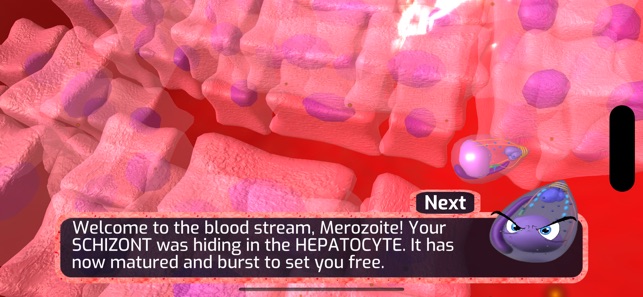
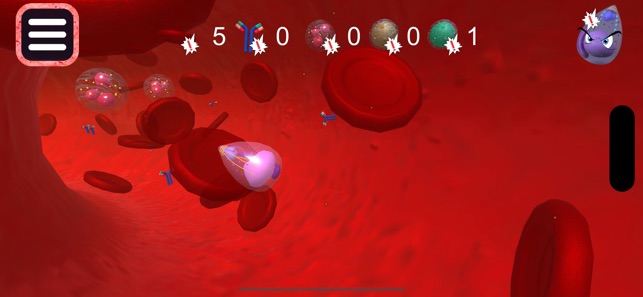
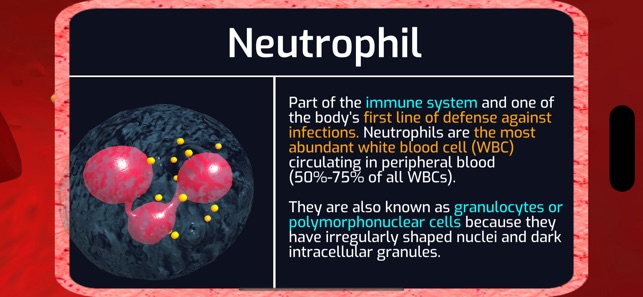
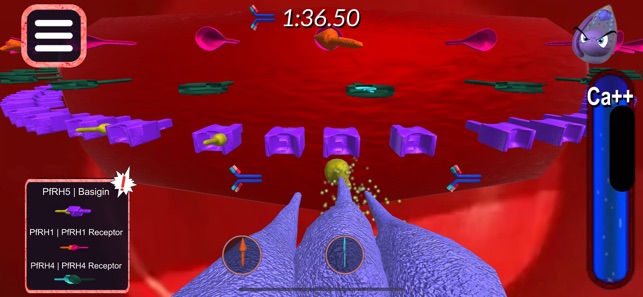
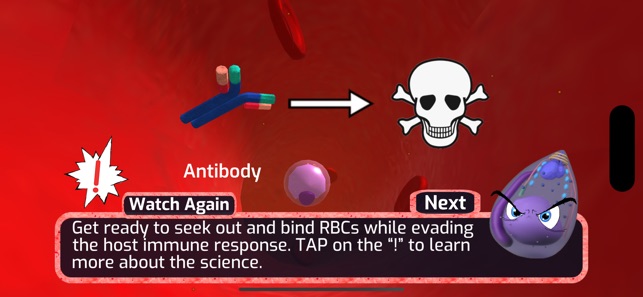
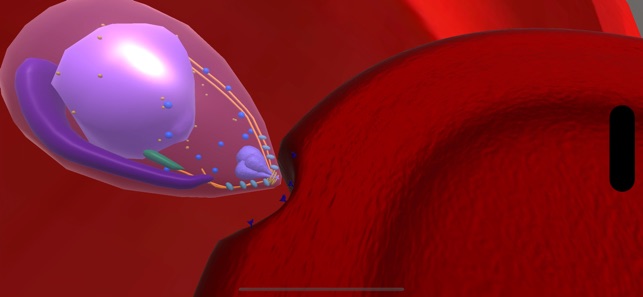
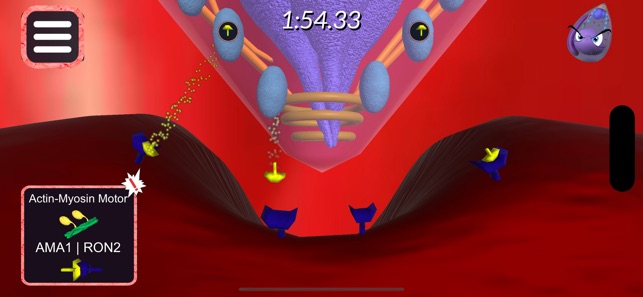
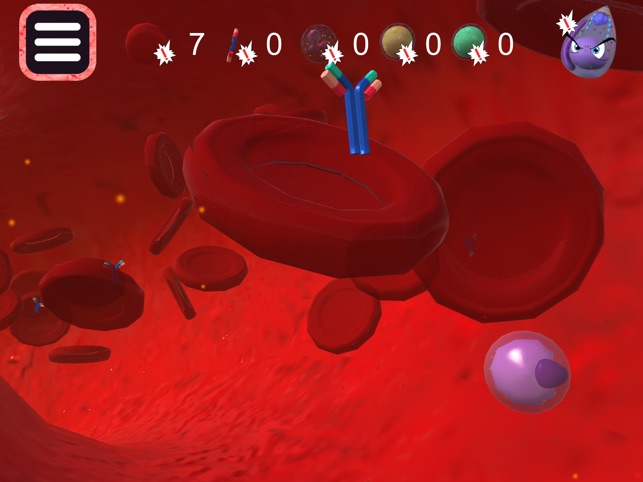
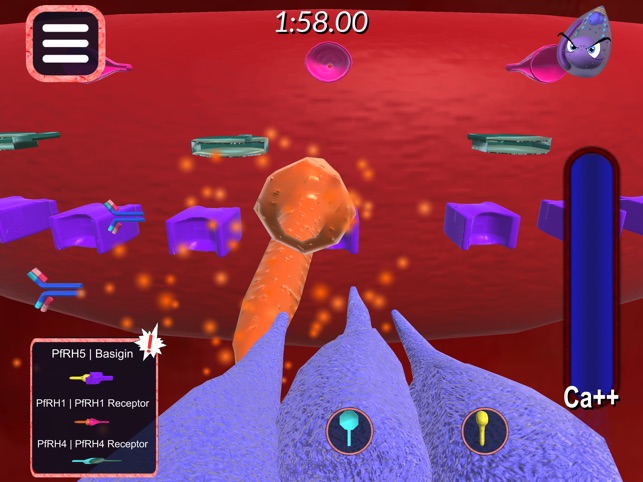
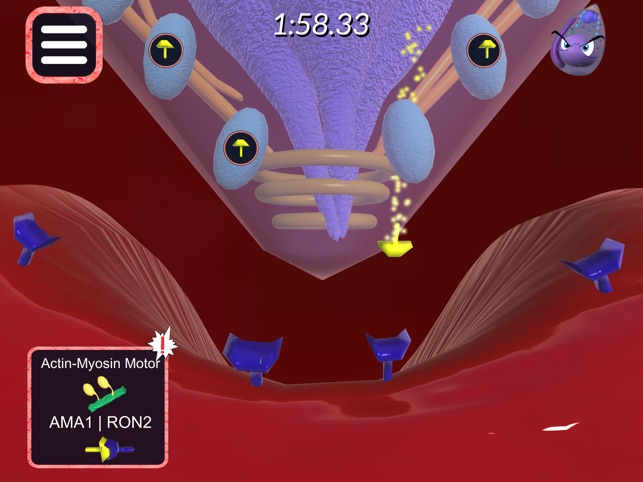
This gamified educational simulation, developed by the Institute for Molecular Medicine and Infectious Disease at Drexel University College of Medicine, models the blood-stage of malarial infection. The system presents a three-level progression where the user pilots a Plasmodium merozoite to simulate key biological processes. The simulation's stages guide the user through erythrocyte identification and immune evasion (Level 1), the binding of parasitic proteins to host cell receptors to trigger calcium signaling (Level 2), and the mechanics of cellular entry via the actin-myosin motor (Level 3). Each level integrates visual animations and interactive mechanics to represent these complex molecular events.
Intended Use & Scope
The application is designed as a supplementary pedagogical resource for students in higher education, particularly within biomedical science curricula. Its primary utility is to deliver instructional content on the cellular and molecular mechanisms of Plasmodium merozoite pathogenesis, including host cell recognition, ligand-receptor binding, and immune system evasion. The simulation also visualizes the roles of specific parasitic organelles and proteins involved in erythrocyte invasion. Intended for educational or entertainment purposes.
App Information
Developer
Drexel UniversityCategory
Evidence Profile
Expert-developed at a leading university
Platforms
Updated
Oct 2022
© 2025 Drexel University
Tags
Relevant Links
Privacy Policy


Malaria Invasion™
Free