
AppsFromResearch
MeTime Acupressure icon

MeTime Acupressure

Evidence Tier:CLINICAL GRADE

Validated in clinical trials · Initial evidence

For:General Public & EnthusiastsPatients & Caregivers

App Summary

MeTime Acupressure is an intervention app that teaches cancer survivors how to perform daily self-acupressure to manage persistent fatigue. A randomized clinical trial (N=288) in breast cancer survivors found that after six weeks of daily practice, over 60% of participants in two different self-acupressure groups achieved normal fatigue levels, compared to just 31% in the usual care group. The associated research concludes that self-administered acupressure offers a possible low-cost option for managing symptoms, with relaxing acupressure also significantly improving sleep and quality of life.

App Screenshots

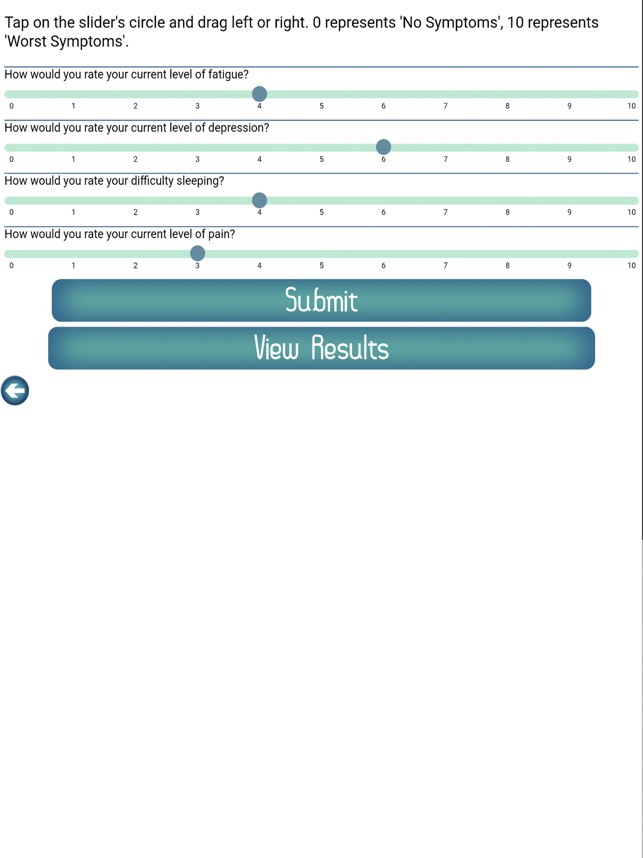
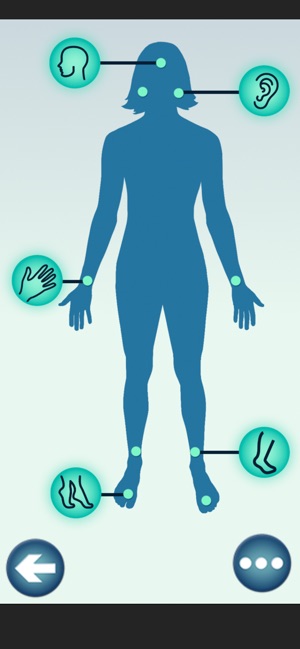
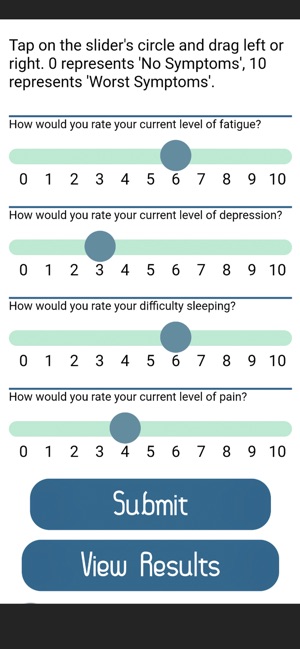
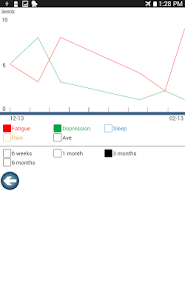
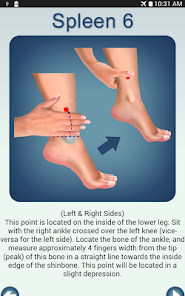
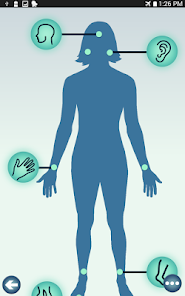
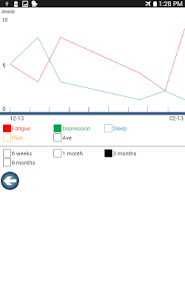
MeTime Acupressure screenshot 1 of 27MeTime Acupressure screenshot 2 of 27MeTime Acupressure screenshot 3 of 27MeTime Acupressure screenshot 4 of 27MeTime Acupressure screenshot 5 of 27MeTime Acupressure screenshot 6 of 27MeTime Acupressure screenshot 7 of 27MeTime Acupressure screenshot 8 of 27MeTime Acupressure screenshot 9 of 27MeTime Acupressure screenshot 10 of 27MeTime Acupressure screenshot 11 of 27MeTime Acupressure screenshot 12 of 27MeTime Acupressure screenshot 13 of 27MeTime Acupressure screenshot 14 of 27MeTime Acupressure screenshot 15 of 27MeTime Acupressure screenshot 16 of 27MeTime Acupressure screenshot 17 of 27MeTime Acupressure screenshot 18 of 27MeTime Acupressure screenshot 19 of 27MeTime Acupressure screenshot 20 of 27MeTime Acupressure screenshot 21 of 27MeTime Acupressure screenshot 22 of 27MeTime Acupressure screenshot 23 of 27MeTime Acupressure screenshot 24 of 27MeTime Acupressure screenshot 25 of 27MeTime Acupressure screenshot 26 of 27MeTime Acupressure screenshot 27 of 27

Detailed Description

Functionality & Mechanism

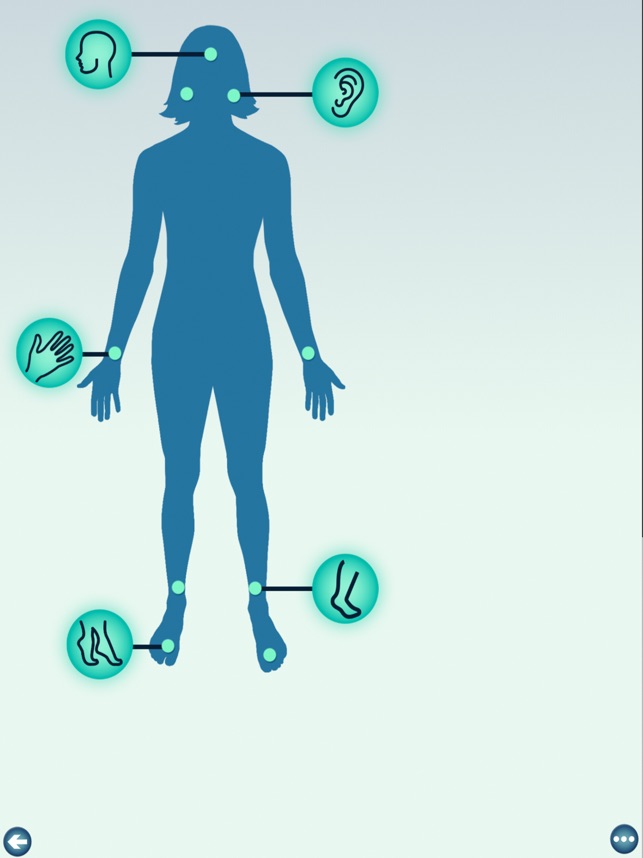
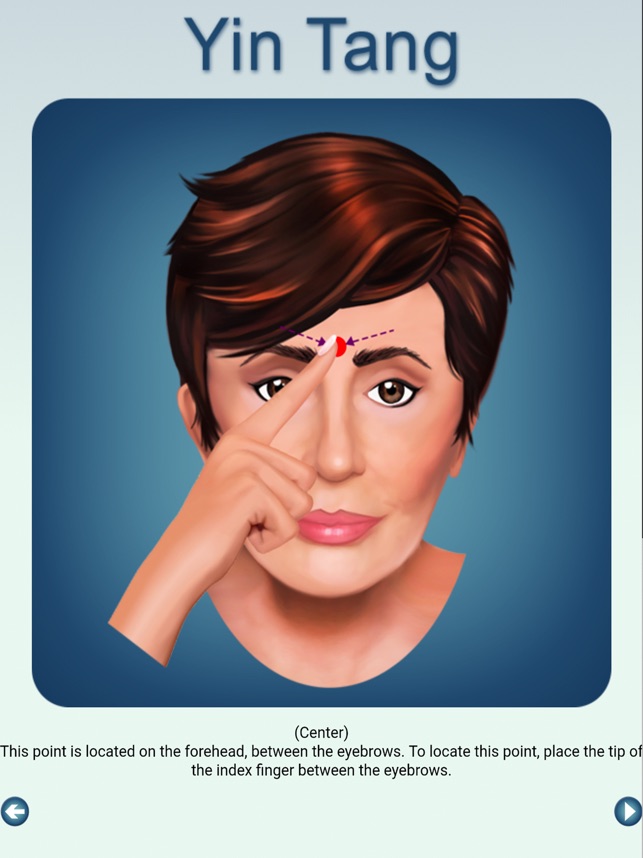
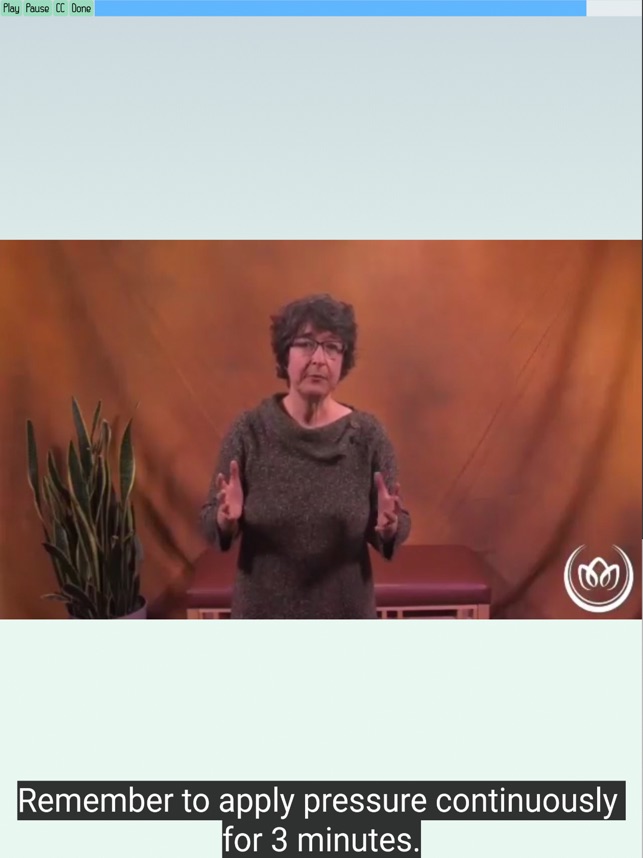
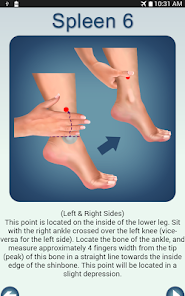
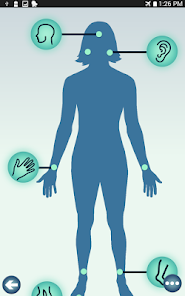
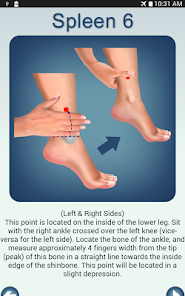
Developed by researchers at the University of Michigan, MeTime Acupressure delivers a pedagogical protocol for self-administered acupressure to manage cancer-related fatigue. The system instructs users on the location and stimulation of specific acupoints. Daily sessions involve applying pressure to 5-7 points for up to three minutes each, consistent with the underlying clinical trial protocol. The interface is structured to guide users through a six-week program designed for sustained symptom management and improved sleep quality.

Evidence & Research Context

  • A randomized clinical trial (N=288) of breast cancer survivors with persistent fatigue evaluated the self-acupressure protocol upon which the app is based.
  • After six weeks of daily practice, 61-66% of participants in the acupressure arms achieved normal fatigue levels, compared to 31% in the usual care arm.
  • The relaxing acupressure protocol also demonstrated significant improvements in sleep quality and overall quality of life compared to usual care.
  • The app's methodology is grounded in traditional Chinese medicine principles, with mechanistic studies suggesting acupressure may influence brain connectivity related to sleep and alertness.

Intended Use & Scope

This application is designed for cancer survivors as an adjunct self-management tool for persistent fatigue. Its primary utility is to deliver a structured, evidence-based, non-pharmacologic intervention. The tool does not provide medical advice or replace professional oncological care. Users should consult their healthcare provider to determine if this technique is appropriate for their individual treatment plan.

Studies & Publications

3 publications

Peer-reviewed research associated with this app.

Non-Evaluative Reference

Investigating Self-Acupressure for Fatigued Ovarian Cancer Survivors

Zick et al. (2019) · Defense Technical Information Center

Referenced in academic literature; no direct evaluation of the app
It has been significant accomplishment to have finalized the AcuWand design, had a logo competition for the AcuWand and have achieved approval by the University of Michigan Regents to release the funds to Arbor Medical Innovations to manufacture the AcuWands. The first ten AcuWands have been manufactured and we are now doing quality control testing on them to ensure durability as well as accuracy and repeatability of downloaded data. We have also hired an engineering student to write a MathLab program to allow a user and investigator friendly interface.
... Read More
Non-Evaluative Reference

Acupressure for Cancer Related Fatigue

Zick et al. (2018) · The ASCO Post

Referenced in academic literature; no direct evaluation of the app
Difficult-to-treat, cancer-related fatigue is a common, distressing clinical issue. It impedes daily activities, severely affecting patients' quality of life. Compounding the problem is a lack of consensus on an effective pharmacologic intervention. Acupressure is a traditional Chinese medicine technique that involves stimulation of specific acupoints on the body or in the ear to relieve chronic pain symptoms, including those associated with cancer. In this article, Ms. Zick and Dr. Harris summarize the research on acupressure for managing cancer-related fatigue. Suzanna M. Zick, ND, MPH Suzanna M. Zick, ND, MPH Richard E. Harris, PhD Richard E. Harris, PhD Overview MODERATE TO severe persistent cancer-related fatigue occurs in about 25% to 80% of people living with cancer1-3 and can last for as long as 10 years after the end of treatment. Yet it is often not assessed, has limited treatment options, and is associated with significant barriers to implementing current treatments.4-7 In contrast to the fatigue experienced by healthy people at the end of a long day, persistent cancer-related fatigue is defined by the National Comprehensive Cancer Network® (NCCN®) and used by the ASCO Clinical Practice Guidelines as "a distressing, persistent, subjective sense of physical, emotional, and/or cognitive tiredness or exhaustion related to cancer and/or cancer treatment that is not proportional to recent activity and significantly interferes with usual functioning."4 Congruent with this definition, persistent cancer-related fatigue is associated with significant health issues, including higher rates of depression and anxiety,8 poor sleep,9 and decreased quality of life.10 Furthermore, sufferers of persistent cancer-related fatigue are often unable to perform their daily activities of living and/ or assist their family in these activities, leading to further physical and psychosocial problems.11 Dr. Zick is Research Associate Professor of Family Medicine and Nutritional Science at the University of Michigan, Ann Arbor. Dr. Harris is Associate Professor of Anesthesiology at the University of Michigan, Ann Arbor. Causes of Cancer-Related Fatigue THE CAUSES of persistent cancer-related fatigue are poorly understood, likely given the multiple interrelated factors in any given individual and because they are a combination of immune, muscular, endocrine, and neurochemical changes.12 The mechanisms underlying persistent cancer-related fatigue with the most evidence include elevated levels of proinflammatory cytokines (interleukin-6, tumor necrosis factor–alpha) and C-reactive protein in fatigued vs nonfatigued patients with cancer13-15; suppressed hypothalamic-pituitary-adrenal axis and consequent blunting of the stress response leading to both increased circulating cortisol and inflammation; and circadian rhythm disruption with fatigued patients with cancer and survivors having a flatter diurnal slope and a slower decline of evening cortisol.16,17 ACUPRESSURE BASICS Acupressure is a component of traditional Chinese medicine where a finger, thumb, or a device is used to stimulate—usually in a clockwise or counterclockwise circular motion—acupoints on the body. Acupressure can either be provided as a treatment by a traditional Chinese medicine practitioner; an acupuncturist; or a patient, who can be taught to self-administer the treatment. The number and location of acupoints being stimulated depend on the symptom or illness being treated. In clinical trials to treat cancer-related fatigue, 5 to 7 acupoints were stimulated for up to 3 minutes each. Another emerging potential mechanism is dysfunctional activity in the brain, with fatigued breast cancer survivors having alterations in brain neurochemistry such as elevated excitatory neurotransmitters (ie, glutamate) within the posterior insula and disturbed functional connectivity to the default mode network, compared with the nonfatigued population.18,19 These changes in brain function and chemistry appear to be related to patients' symptoms of poor sleep and fatigue.18 Acupressure for Cancer-Related Fatigue ACUPRESSURE IS a component of traditional Chinese medicine where a finger, thumb, or a device is used to stimulate—usually in a clockwise or counterclockwise circular motion—acupoints on the body, or in the ear in the case of auricular acupressure. Acupoints are located throughout the body along meridians, and stimulation of these points is used to alleviate illness and improve symptoms such as fatigue. Acupressure can either be provided as a treatment by a traditional Chinese medicine practitioner; an acupuncturist; or a patient, who can be taught to self-administer the treatment. The number and location of acupoints being stimulated depend on the symptom or illness being treated. For example, in clinical trials to treat cancer-related fatigue, 5 to 7 acupoints were stimulated for up to 3 minutes each.20-29 Auricular acupressure involves placing small seeds on acupoints in the ear. These seeds are tapped in place, and patients are asked to rub or stimulate them throughout the day. A total of 11 randomized controlled trials of acupressure for fatigue in 949 patients with cancer have been conducted to date.20-31 The majority of these studies have been conducted in the breast cancer population (n = 6,537 women),22-25,27,30 but trials have also been conducted in those with hepatocellular carcinoma (n = 1),21 lung cancer (n = 2),28,29 ovarian cancer (n = 1),31 and pediatric acute lymphocytic leukemia (n = 1).20 These studies are extremely heterogeneous differing not only in the patient population, but also in the control group (eg, sham acupressure, usual care, acupuncture), the duration and frequency of acupressure treatments, how and when fatigue is assessed, when acupressure to the cancer arch is administered, and in the acupressure intervention itself. For the latter, acupressure has been administered by a traditional Chinese medicine provider; self-administered; delivered as auricular acupressure; or combined with other therapies such as aerobic exercise, essential oils, and education. Also, with the exception of trials in breast cancer survivors (n = 288)25 and in acute lymphoblastic leukemia (n = 120),20 studies have been small feasibility assessments. Jun J. Mao, MD, MSCE Jun J. Mao, MD, MSCE Acupressure has been shown to be safe and acceptable to patients with cancer.20-31 Also, acupressure appears to affect significant improvements, on the order of 30% to 40%, in fatigue severity and interference compared with usual care, although fewer effects are typically seen with sham acupressure controls.20-31 However, given the high heterogeneity and the poor quality of some of the studies, the data need to be viewed with caution. GUEST EDITOR Integrative Oncology is guest edited by Jun J. Mao, MD, MSCE, Laurance S. Rockefeller Chair in Integrative Medicine and Chief, Integrative Medicine Service, Memorial Sloan Kettering Cancer Center, New York. Mechanistic studies indicate that acupressure may impact brain chemistry and connectivity, which was found to be different in the brains of fatigued cancer survivors than in nonfatigued cancer survivors, A relatively recent brain neuroimaging study found that 6 weeks of 2 distinct formulas (acupoints located in distinct areas of the body from one another) of once-daily self-acupressure in fatigued breast cancer survivors increased connectivity between the default mode network and different thalamus/brain stem areas related to sleep (for a relaxing acupressure formula) and alertness (for a stimulating acupressure formula). The authors suggested that different acupressure points may have specificity in relation to symptoms treated in fatigued patients with cancer.32 Closing Thoughts FATIGUE CAN cause significant physical and emotional burdens on patients with cancer. Acupressure appears useful from a clinician's perspective, as it is safe, affordable, and often does not require repeated patient-provider visits. As such, acupressure may have utility for cancer survivors with fatigue. ? DISCLOSURE: Drs. Zick and Harris helped create an acupressure app called MeTime Acupressure. Dr. Harris is also a consultant or advisor to Pfizer Inc. and Aptinyx.
... Read More

In the Media

Brain Imaging Study Shows How Acupressure Fights Fatigue in Breast Cancer Survivors

University of Michigan researchers used MRI brain imaging to examine how two types of acupressure affect fatigue in breast cancer survivors, marking the first neuroimaging study of its kind. "What is intriguing about this manuscript is that it shows that the two types of acupressure — stimulating and relaxing — do appear to work via different mechanisms within the brain despite the fact that they both reduced fatigue," says study author Suzanna Zick. The double-blind study examined 19 female breast cancer survivors, focusing on connections between the brainstem and default mode network.

MichiganmedicineRead article

Acupressure Reduces Fatigue in Diagnosed Women

Researchers conducted a randomized clinical trial with 270 breast cancer survivors to test whether self-administered acupressure could reduce persistent cancer-related fatigue, with participants performing daily treatments for 6 weeks. After 6 weeks, 66.2% of women in the relaxing acupressure group and 60.9% in the stimulating acupressure group achieved normal fatigue levels, compared to only 31.3% in the usual care group. The research was published in JAMA Oncology in July 2016.

BreastcancerRead article

Acupressure reduced fatigue in breast cancer survivors

University of Michigan researchers developed MeTime Acupressure to help breast cancer survivors reduce persistent fatigue, using traditional Chinese medicine techniques that patients can perform at home. The study published in JAMA Oncology found acupressure reduced fatigue by 27 percent to 34 percent over six weeks, with two-thirds of women achieving normal fatigue levels through relaxing acupressure. "Acupressure is easy to learn and patients can do it themselves," says study author Suzanna Zick, who notes that participants needed only 15 minutes of training to accurately locate pressure points.

ScienceDailyRead article

MeTime Acupressure

Free