

MeTime MS
Assessed for usability and quality
App Summary
App Screenshots

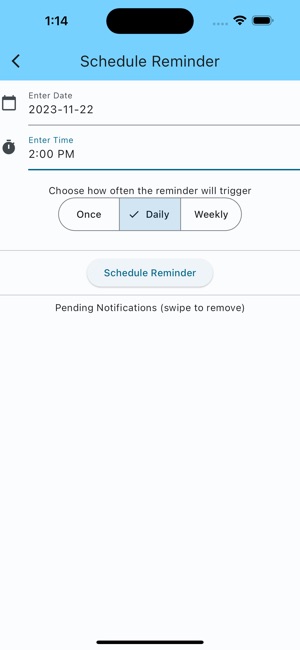
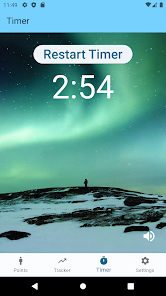
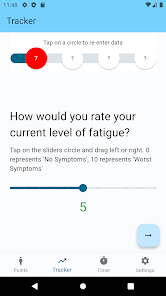
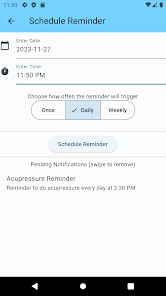

Detailed Description
Functionality & Mechanism
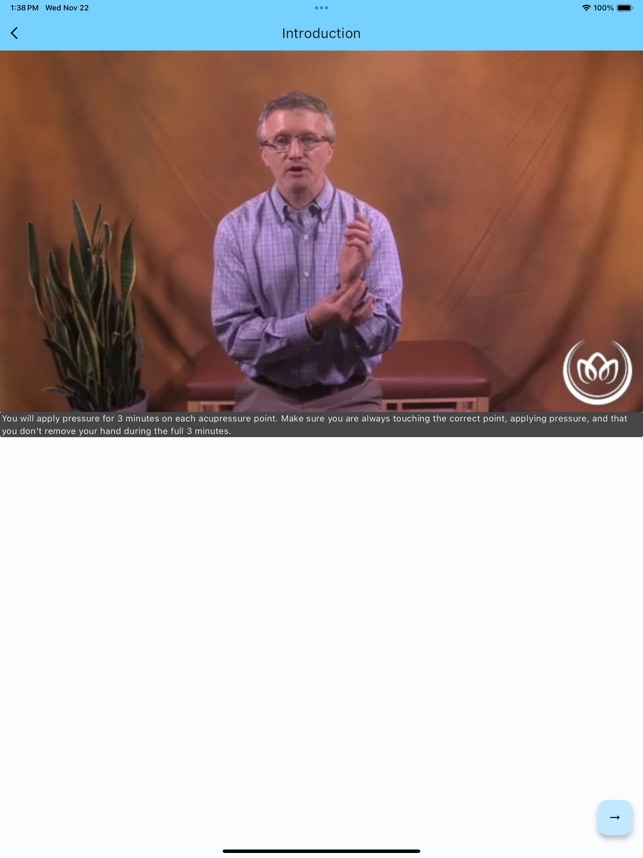
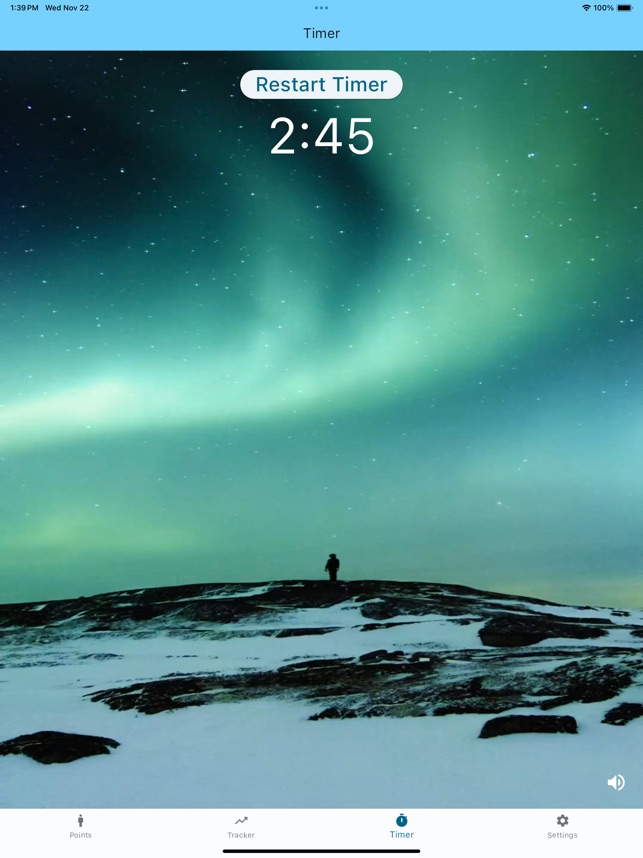
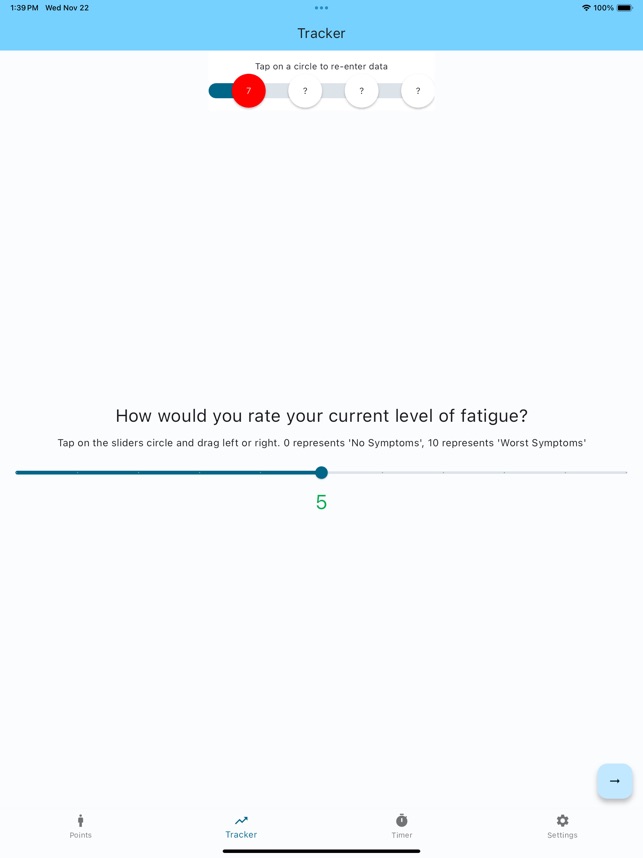
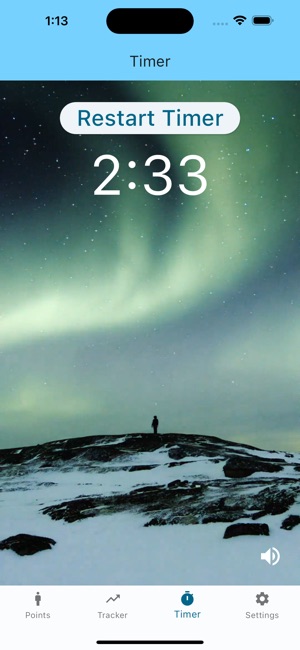
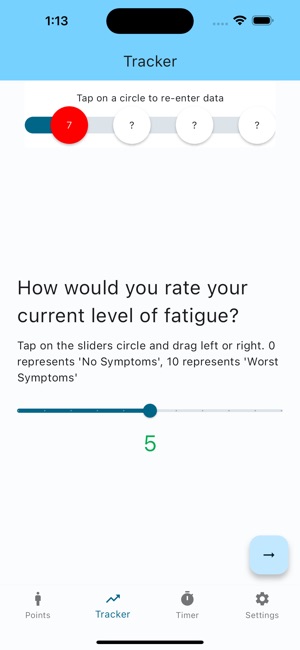
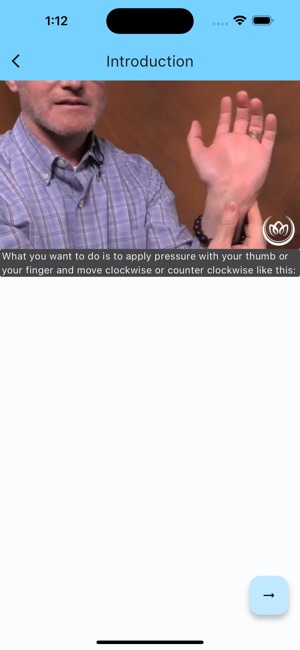
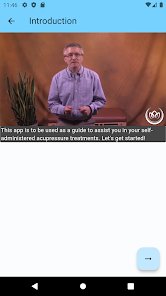
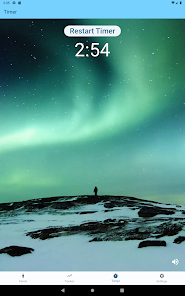
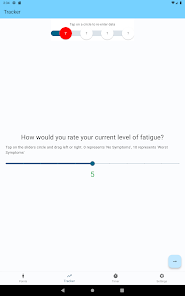
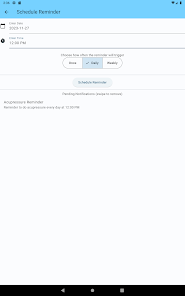
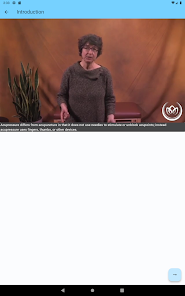
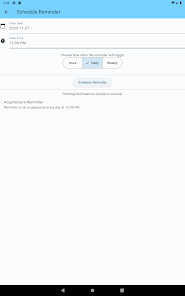
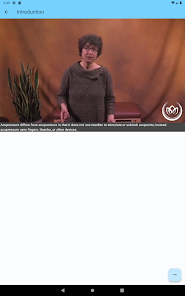
Developed at the University of Michigan, MeTime MS is a digital health application designed to deliver guided self-acupressure protocols for chronic symptom management. The system provides instructional content for two distinct, self-administered interventions: a "relaxing" protocol targeting symptoms like pain and a "stimulating" protocol for fatigue. The interface leverages visual aids and detailed instructions to guide individuals in locating and applying pressure to specific acupressure points. The intervention is structured for consistent use over several weeks.
Evidence & Research Context
- A usability study (N=10) evaluated the application's design and interface among adults with multiple sclerosis (MS), confirming its feasibility for self-administration in this population.
- The intervention's design is based on clinical research from the University of Michigan exploring acupressure as a non-pharmacological technique for managing chronic symptoms.
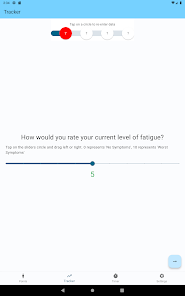
- The protocols are specifically designed to address common MS-related symptoms, including pain and fatigue, with a secondary aim of improving sleep and quality of life.
Intended Use & Scope
This application is intended for individuals with multiple sclerosis as an adjunctive self-management tool. It facilitates the practice of a complementary technique for symptom management and is not a substitute for prescribed medical treatments or clinical care. The tool does not diagnose conditions or provide medical advice; users should consult a healthcare provider before initiating any new therapeutic program.
Studies & Publications
Peer-reviewed research associated with this app.
Usability of the MeTime MS Acupressure Mobile Application in Adults With MS
ClinicalTrials et al. (2025) · ClinicalTrials.gov
Adults with MS found the acupressure app usable and functional.
App Information
Developer
University of MichiganCategory
Evidence Profile
Assessed for usability and quality
Platforms
Updated
Dec 2023
© 2025 University of Michigan