
AppsFromResearch
MeTime PainRelief icon

MeTime PainRelief

Evidence Tier:VALIDATED

Proven effective in research studies

For:General Public & EnthusiastsPatients & Caregivers

App Summary

MeTime PainRelief teaches self-acupressure techniques to help individuals manage chronic low back pain and related symptoms such as fatigue. A preliminary pilot study (N=67) found that six weeks of self-administered acupressure reduced pain by 35-36% and improved fatigue compared to usual care. Based on these promising results, a larger randomized controlled trial is now underway to confirm the effectiveness of this app-based protocol.

App Screenshots

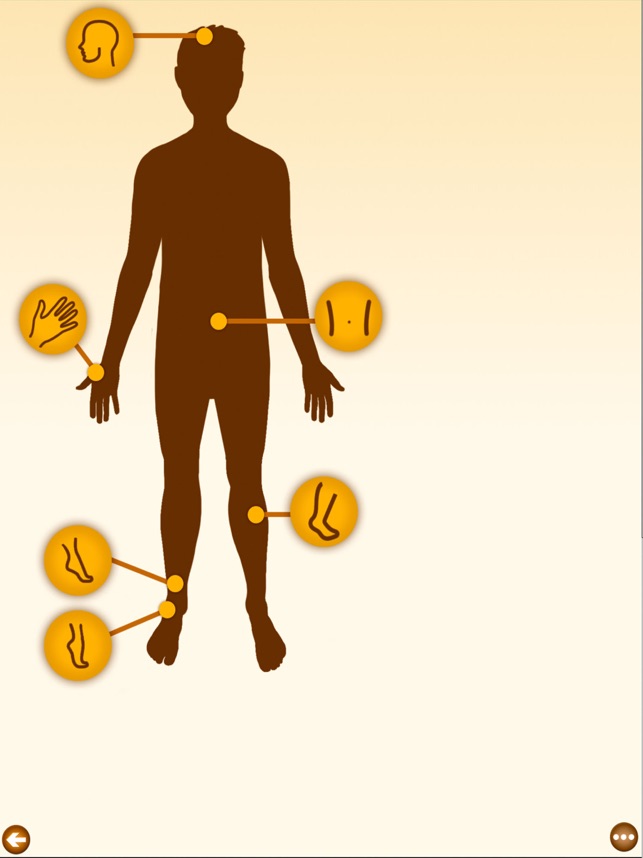
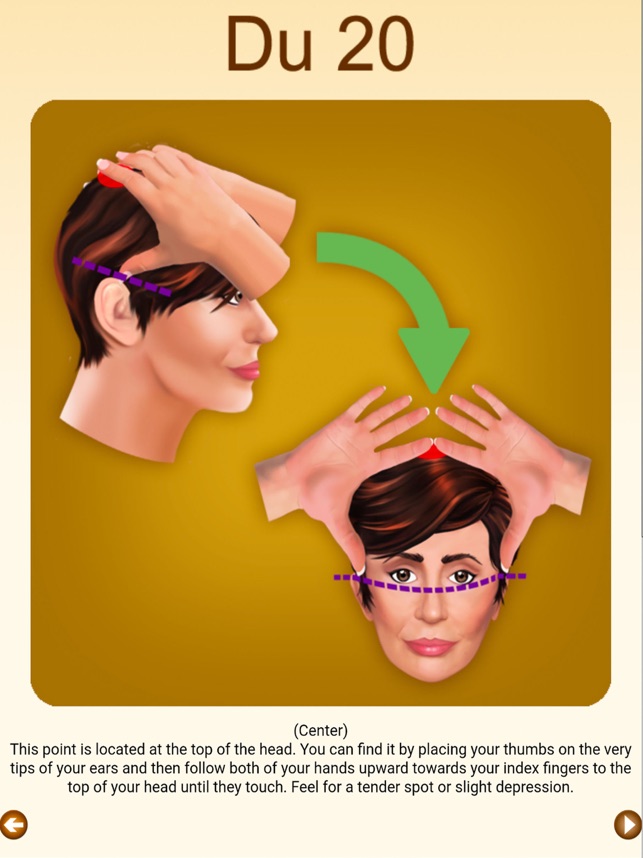
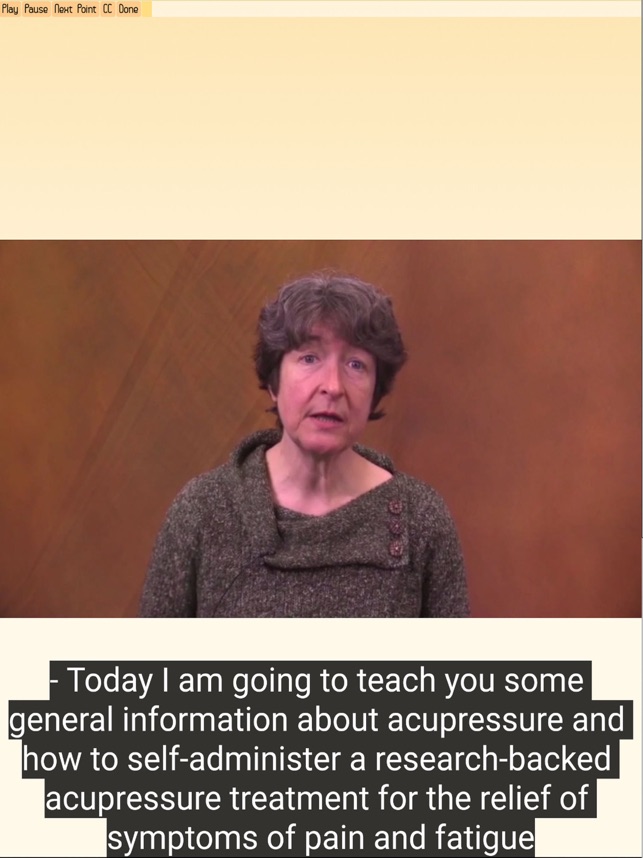
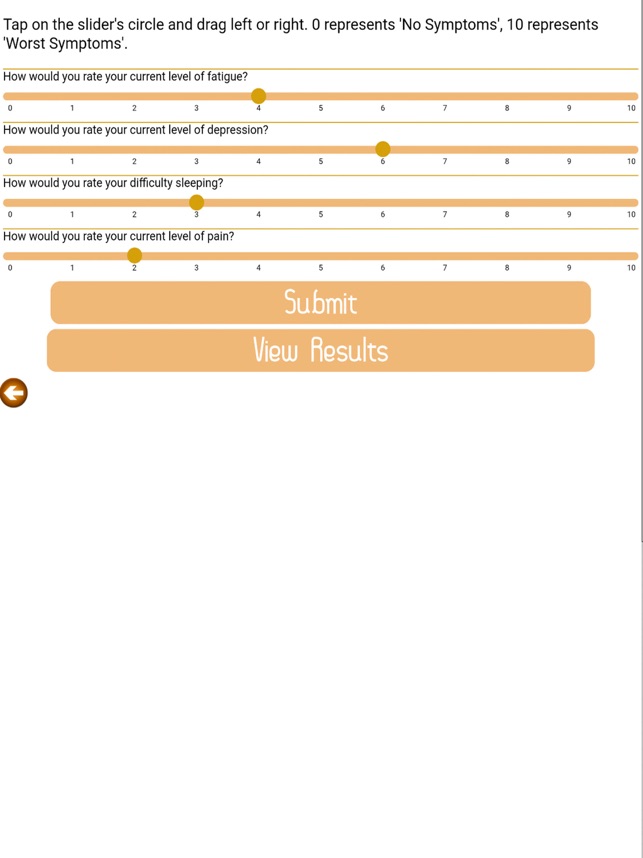
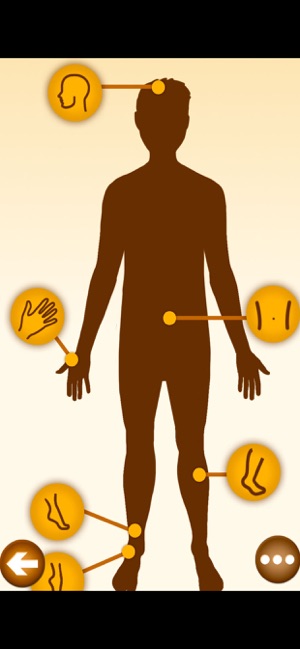
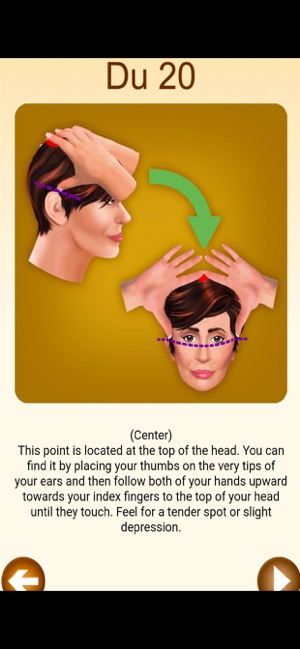
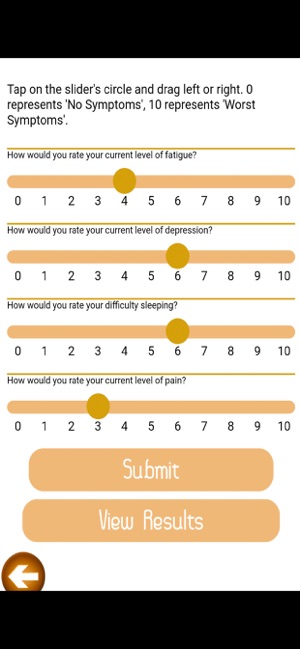
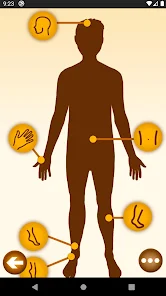
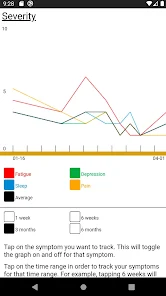
MeTime PainRelief screenshot 1 of 19MeTime PainRelief screenshot 2 of 19MeTime PainRelief screenshot 3 of 19MeTime PainRelief screenshot 4 of 19MeTime PainRelief screenshot 5 of 19MeTime PainRelief screenshot 6 of 19MeTime PainRelief screenshot 7 of 19MeTime PainRelief screenshot 8 of 19MeTime PainRelief screenshot 9 of 19MeTime PainRelief screenshot 10 of 19MeTime PainRelief screenshot 11 of 19MeTime PainRelief screenshot 12 of 19MeTime PainRelief screenshot 13 of 19MeTime PainRelief screenshot 14 of 19MeTime PainRelief screenshot 15 of 19MeTime PainRelief screenshot 16 of 19MeTime PainRelief screenshot 17 of 19MeTime PainRelief screenshot 18 of 19MeTime PainRelief screenshot 19 of 19

Detailed Description

Functionality & Mechanism Developed from research at the University of Michigan, this application delivers a structured protocol for self-administered acupressure. The system facilitates daily practice of either a relaxing or stimulating routine designed for completion over a six-to-eight-week period. The interface guides users through the precise application of pressure to specific acupoints. This digital intervention is engineered to support consistent, independent self-management of chronic pain and its co-occurring symptoms, such as fatigue and poor sleep.

Evidence & Research Context

  • A randomized controlled pilot study (N=67) in adults with chronic low back pain demonstrated that six weeks of self-acupressure was associated with a 35-36% reduction in pain compared to usual care.
  • A secondary analysis of a clinical trial in female breast cancer survivors (N=288) found that relaxing acupressure was associated with a 41.5% improvement in depressive symptoms versus 7.7% for usual care.
  • In the same trial with cancer survivors, both relaxing and stimulating acupressure protocols were associated with greater improvements in anxiety and pain metrics than usual care.
  • The app is the designated intervention delivery tool in an ongoing, large-scale (N=300) hybrid effectiveness-implementation randomized controlled trial within the Veterans Health Administration.

Intended Use & Scope This system is designed as an evidence-based, adjunct therapy for individuals experiencing chronic low back pain and associated symptoms. It is intended for patient self-management. This tool does not provide a medical diagnosis or replace clinical consultation. Users should consult a healthcare professional for a comprehensive pain management plan and to address any adverse events.

Studies & Publications

3 publications

Peer-reviewed research associated with this app.

Study Protocol

Self-administered acupressure for veterans with chronic back pain: Study design and methodology of a type 1 hybrid effectiveness implementation randomized controlled trial

Murphy et al. (2023) · Contemporary Clinical Trials

Research study planned or in progress; results not yet available
Background Chronic low back pain is prevalent and disabling in Veterans, but effective pain management is challenging. Clinical practice guidelines emphasize multimodal pain management including evidence-based complementary and integrative health treatments such as acupressure as a first line of care. Unfortunately, the ability to replicate interventions, cost, resources, and limited access are implementation barriers. Self-administered acupressure has shown positive effects on pain and can be practiced anywhere with little to no side effects. Methods/design The aims of this Type 1 hybrid effectiveness implementation randomized controlled trial are 1) to determine effectiveness of a self-administered acupressure protocol at improving pain interference and secondary outcomes of fatigue, sleep quality, and disability in 300 Veterans with chronic low back pain, and 2) evaluate implementation barriers and facilitators to scale-up acupressure utilization within Veterans Health Administration (VHA). Participants randomized to the intervention will receive instruction on acupressure application using an app that facilitates daily practice for 6 weeks. During weeks 6 through 10, participants will discontinue acupressure to determine sustainability of effects. Participants randomized to waitlist control will continue their usual care for pain management and receive study materials at the end of the study period. Outcomes will be collected at baseline and at 6- and 10-weeks post baseline. The primary outcome is pain interference, measured by the PROMIS pain interference scale. Using established frameworks and a mixed methods approach, we will evaluate intervention implementation. Discussion If acupressure is effective, we will tailor strategies to support implementation in the VHA based on study findings.
... Read More
Pilot/Feasibility Study

Self-Administered Acupressure for Chronic Low Back Pain: A Randomized Controlled Pilot Trial

Murphy et al. (2019) · Pain Medicine

Feasibility confirmed with 35-36% pain reduction and improved fatigue in acupressure groups.

Abstract Objective Chronic low back pain (CLBP) is associated with fatigue, pain, poor sleep, and disability. Acupressure is a low-risk treatment option used to manage symptoms in other groups, but its efficacy, particularly on fatigue and sleep, is unknown in CLBP. This study examined preliminary effects of two types of self-administered acupressure (relaxing and stimulating) on fatigue, pain, sleep, and reported disability. Methods A randomized pilot trial was conducted (N = 67) in which participants were randomized into six weeks of relaxing acupressure, stimulating acupressure, or usual care. Fatigue was measured by the Brief Fatigue Inventory, pain was measured by the Brief Pain Inventory, sleep was measured by the Pittsburgh Sleep Quality Index, and reported disability was measured by the Roland Morris Scale. Results Baseline characteristics were similar across groups. An intent-to-treat analysis using general linear models showed positive improvement in pain in acupressure groups compared with usual care. Pain was reduced by 35–36% in the acupressure groups. Improvement in fatigue was also found in stimulating acupressure compared with usual care. Adverse events were minimal and related to application of too much pressure. Discussion Although this was a small study, acupressure demonstrated promising preliminary support of efficacy for pain and fatigue reduction in this population.
... Read More

MeTime PainRelief

Free