MyPHD
Proven effective in research studies
App Summary
App Screenshots
Detailed Description
Functionality & Mechanism
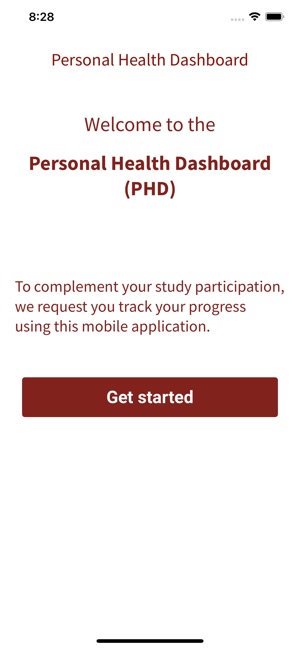
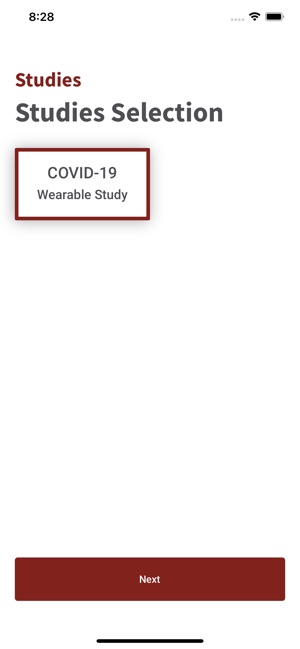
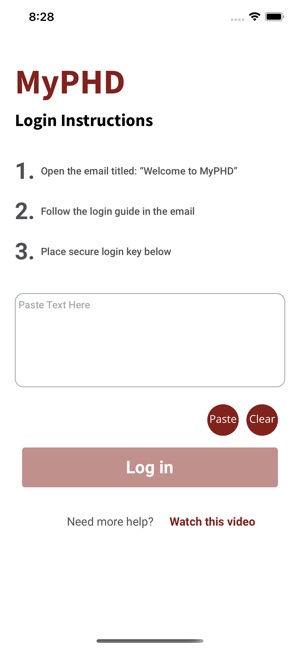
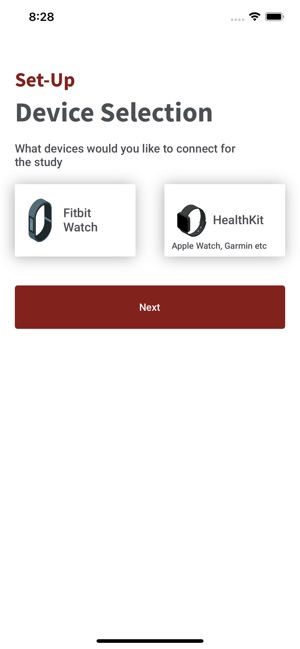
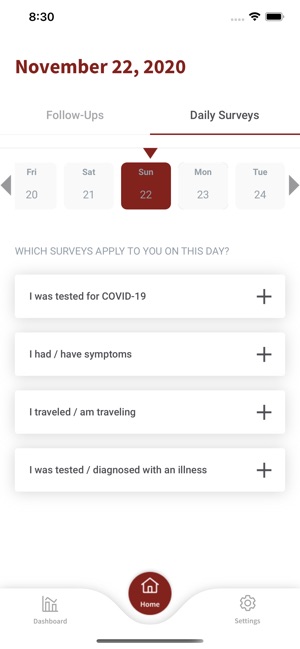
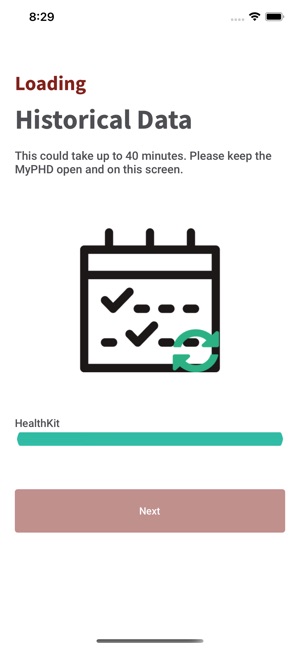
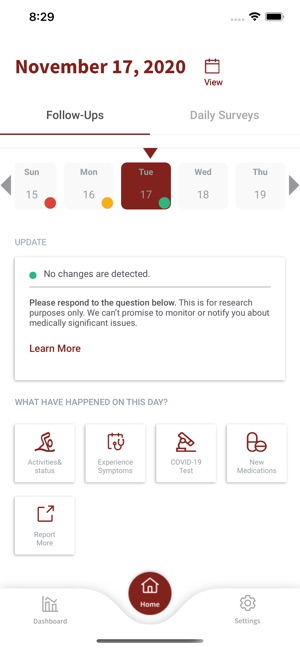
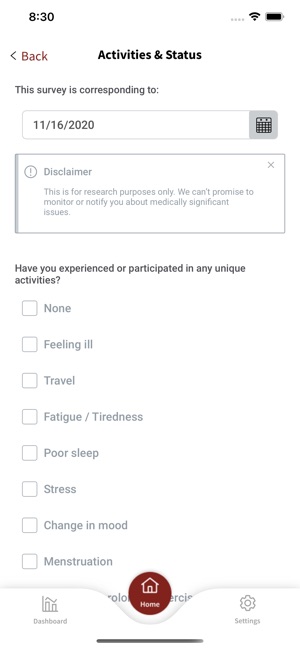
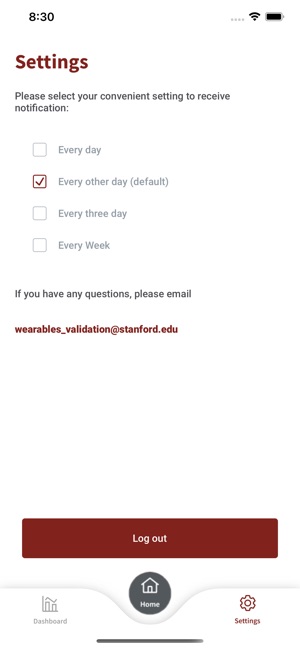
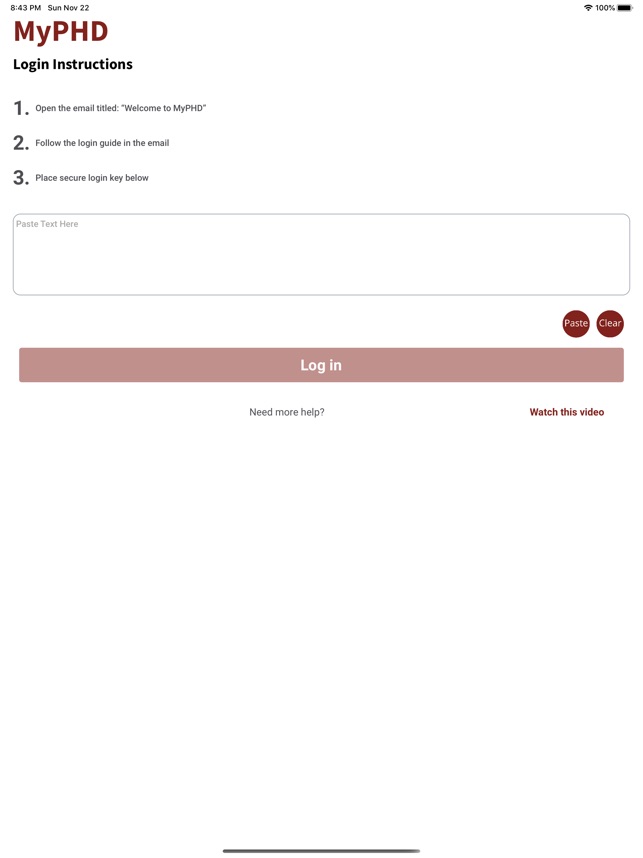
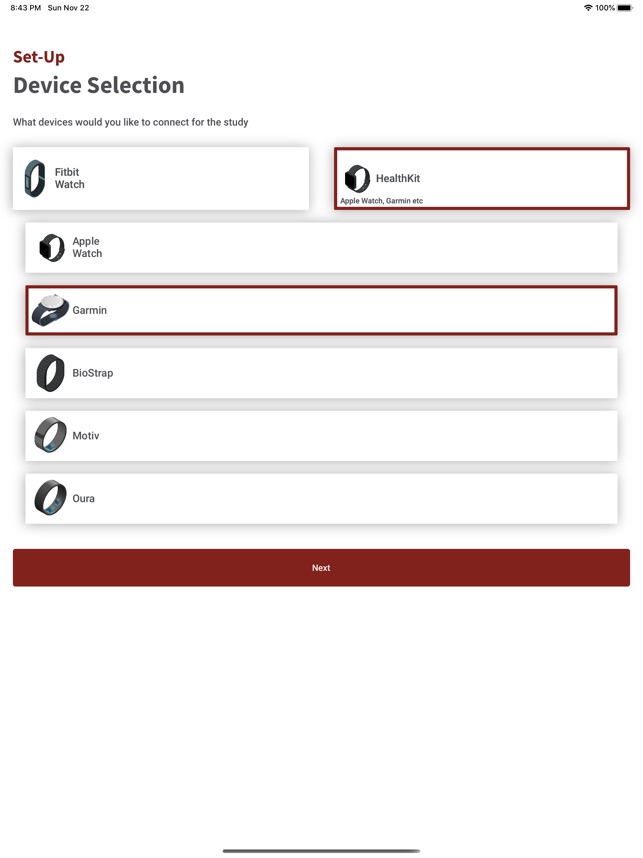
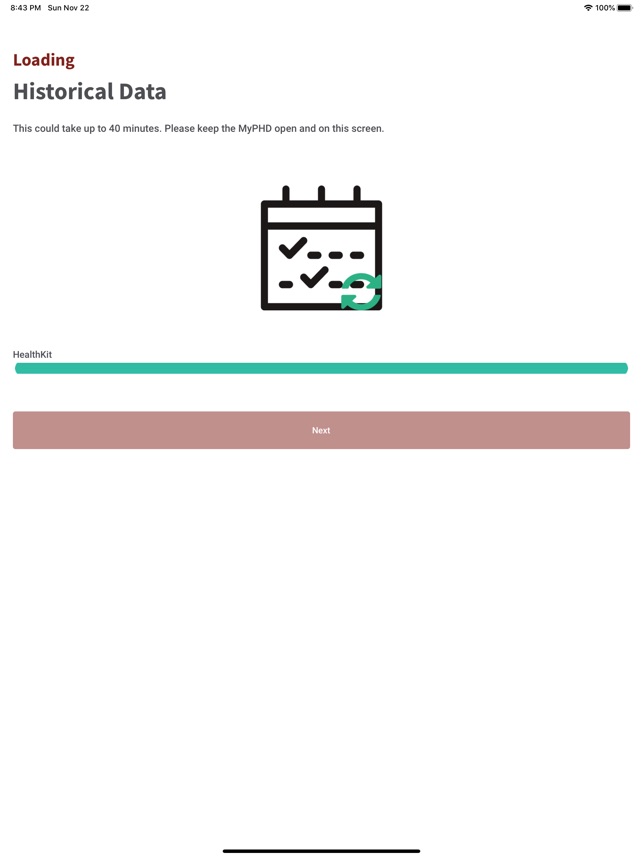
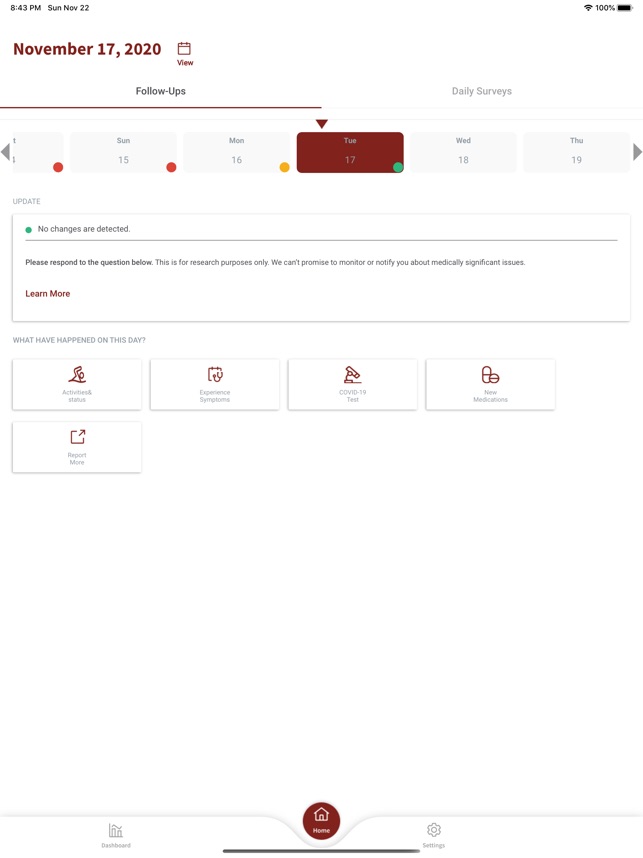
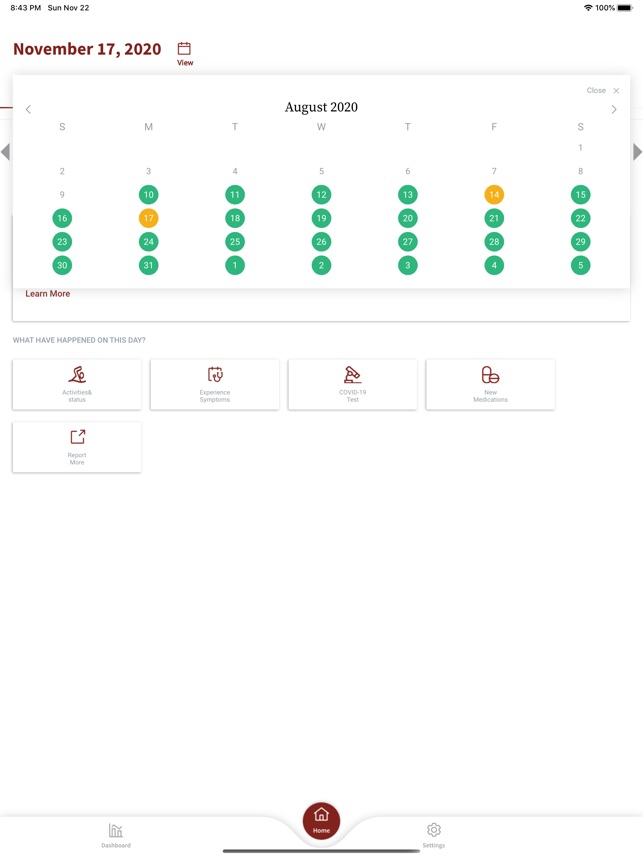
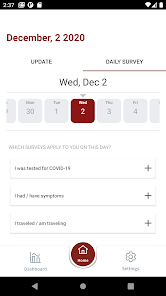
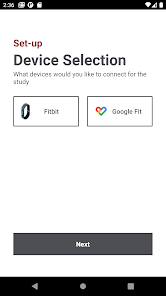
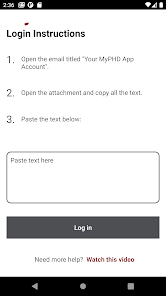
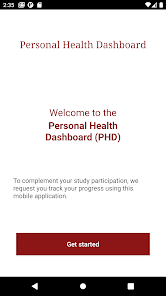
MyPHD integrates with consumer wearable devices and health platforms, including Apple HealthKit, to aggregate longitudinal physiological data such as heart rate, step count, and sleep patterns. The system de-identifies and encrypts this data for secure transfer to the open-source Personal Health Dashboard (PHD) platform for large-scale analysis. The user interface provides a personal dashboard for real-time visualization of collected health metrics, facilitating continuous monitoring and engagement with personal health information.
Evidence & Research Context
- The underlying Personal Health Dashboard (PHD) is an open-source framework designed for secure, scalable aggregation and analysis of multi-modal biomedical data from wearables, clinical records, and omics.
- A prospective study (N=3,318) demonstrated that a real-time alerting system built on the platform identified 80% of SARS-CoV-2 infections, with a median alert time of 3 days pre-symptom onset.
- An initial retrospective analysis of 32 individuals with COVID-19 found that 81% exhibited detectable alterations in heart rate, daily steps, or sleep patterns around infection onset.
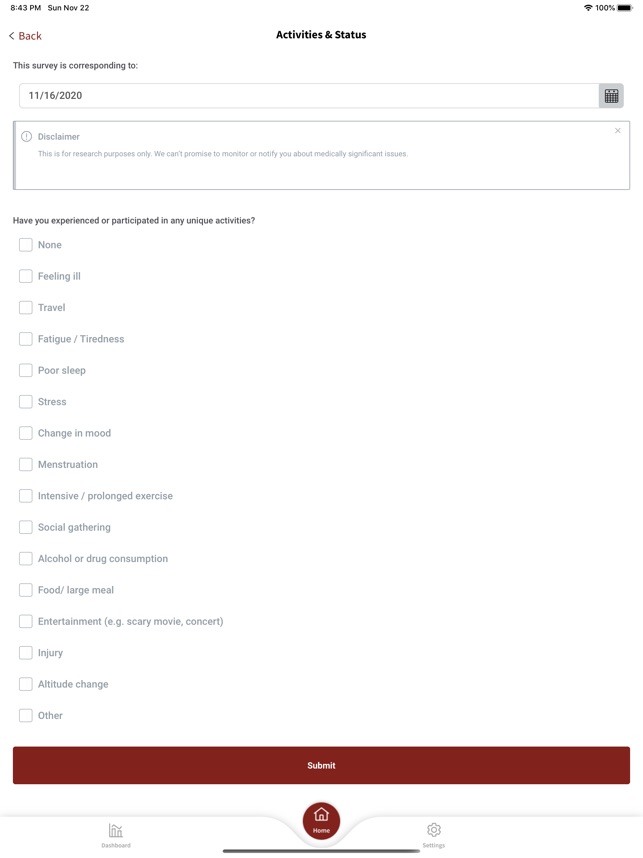
- The associated research acknowledges that physiological alerts may be triggered by non-infectious events, including travel, alcohol consumption, or other stressors, necessitating contextual interpretation.
Intended Use & Scope
MyPHD is intended for research participants contributing to large-scale health studies. Its primary utility is the secure, longitudinal collection of physiological data for cohort-level analysis and the development of predictive health algorithms. The system is not a diagnostic tool; any generated alerts require interpretation and follow-up with a qualified healthcare professional.
Studies & Publications
Peer-reviewed research associated with this app.
Real-time alerting system for COVID-19 and other stress events using wearable data
Alavi et al. (2021) · Nature Medicine
Detected 80% of COVID-19 infections in real-time, with early warning signals appearing 3 days before symptoms.
A scalable, secure, and interoperable platform for deep data-driven health management
Bahmani et al. (2021) · Nature Communications
Describes the research-driven development of this appIn the Media
Stanford's New Leap in Personalized Medicine and Trials
Stanford University's Dr. Michael Snyder developed MyPHD to advance personalized medicine through deep longitudinal biomarker analysis, moving beyond population averages to individual biological blueprints. Snyder's research debunked the myth that average human temperature is 98.6°F, presenting Stanford study data showing the true average as 97.7°F with significant individual variation. His team profiled over 100 individuals for nearly a decade to identify distinct "aging types" that could transform clinical trials from reactive treatment to proactive prevention.
How the death of his wife drives data scientist to improve the system
Stanford's Amir Bahmani developed the MyPHD app to bridge the gap between data science and medicine, driven by his wife's misdiagnosed cancer death in 2014. "If they had collected the data, they would have seen that something was going on internally, that there was a big shift underway that occurs with cancer patients," said Bahmani, director of the Stanford Deep Data Research Center. The app aims to create a common language between engineers, biologists and physicians to advance precision medicine approaches.
Exciting new updates to COVID-19 wearables study and MyPHD study app
Stanford researchers developed MyPHD to serve as a research platform for collecting high-quality health data across various studies from infectious illnesses to chronic diseases, using wearable technology for early detection. Their COVID-19 early detection study published in Nature Biomedical Engineering showed that "63% of the COVID-19 cases could have been detected before symptom onset in real-time." Stanford has extended the app's use to research institutions across the country to advance precision health research.
App Information
Developer
Stanford UniversityCategory
Evidence Profile
Proven effective in research studies
Platforms
Updated
Mar 2026
© 2025 Stanford University