
Penn&Slavery
Published in academic literature
App Summary
App Screenshots

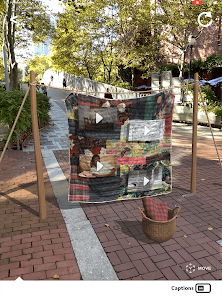
Detailed Description
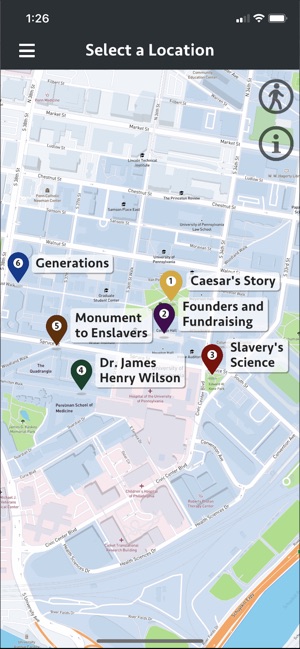
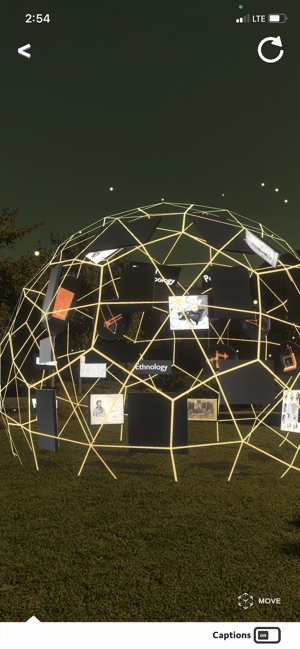
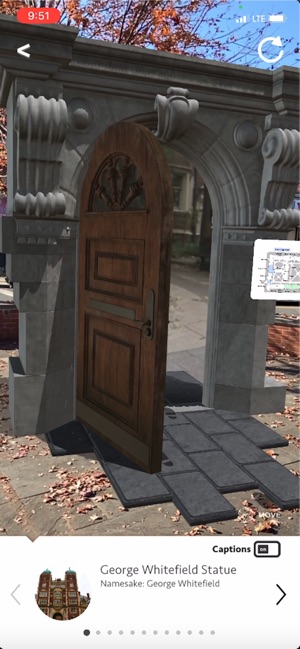
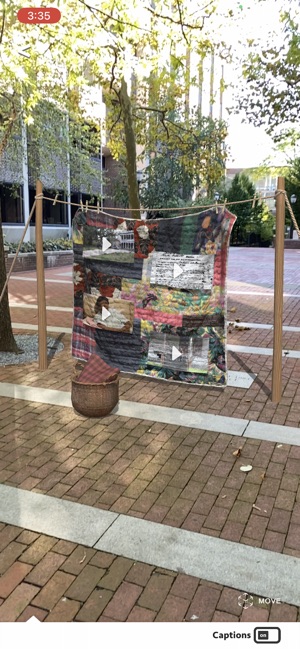
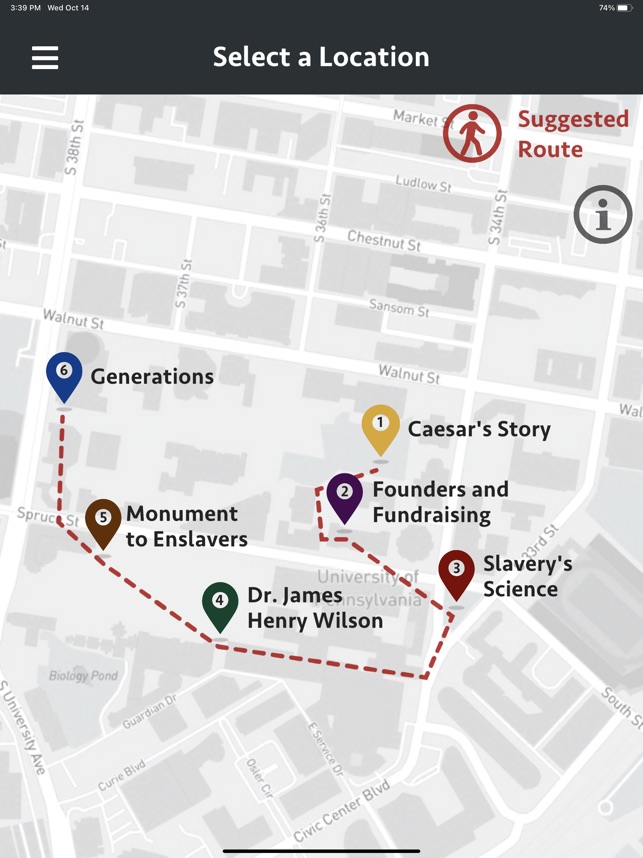
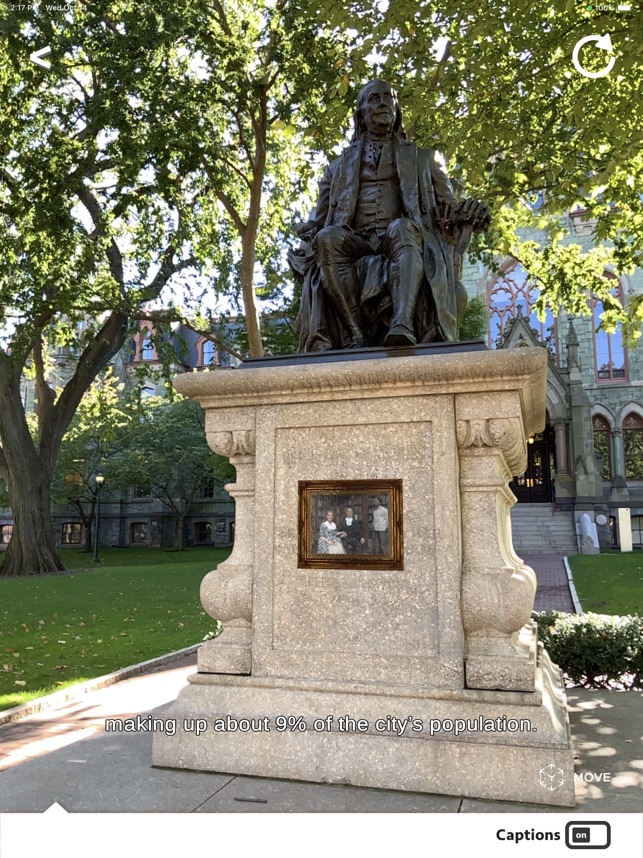
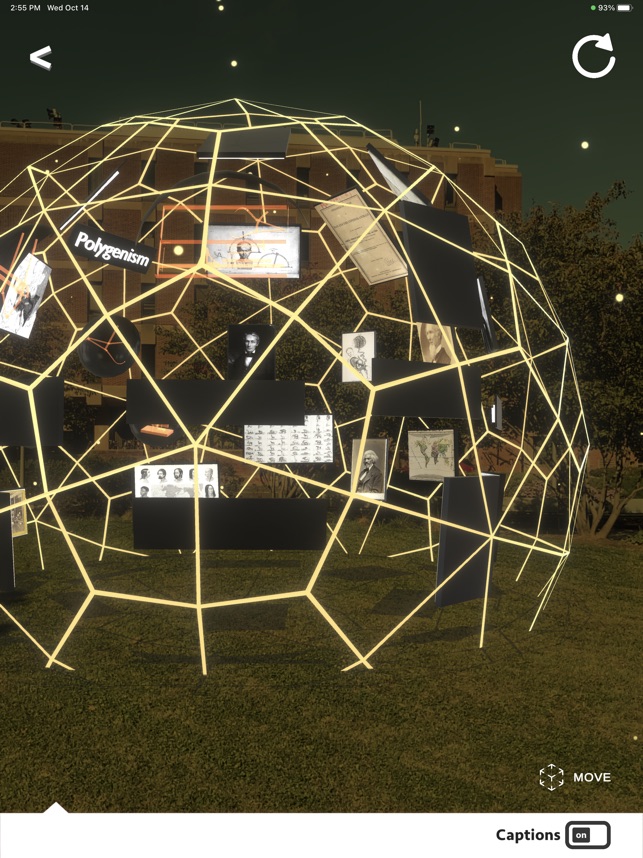
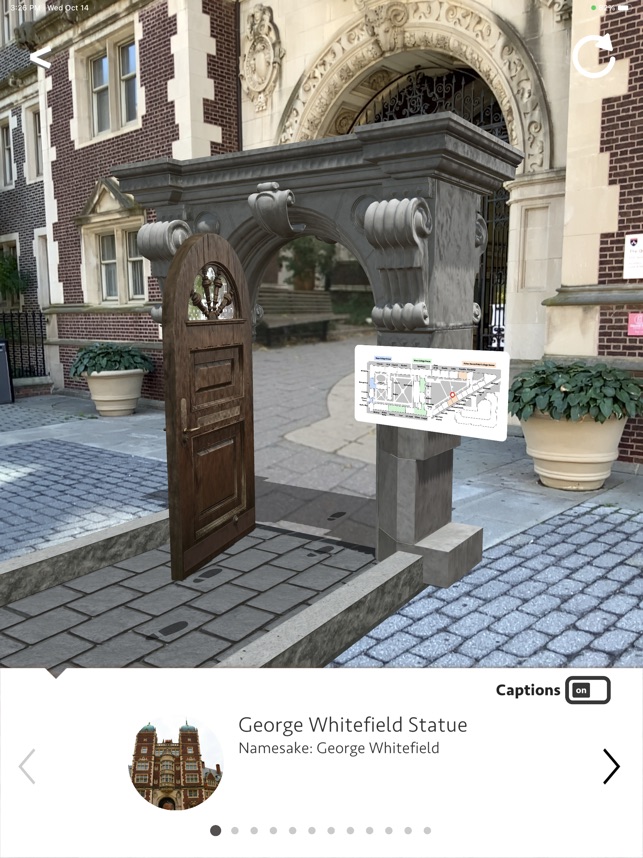
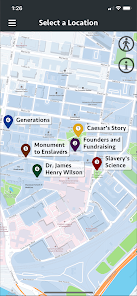
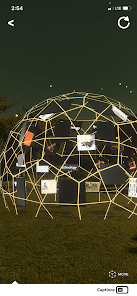
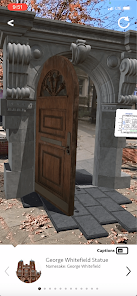
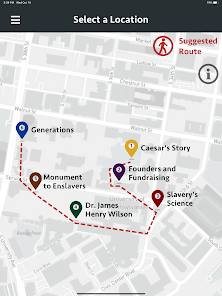
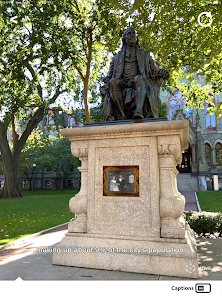
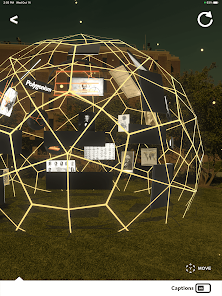
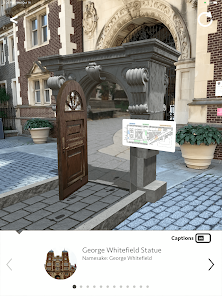
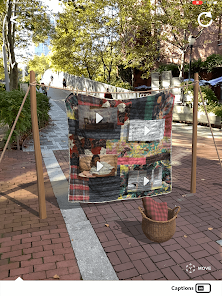
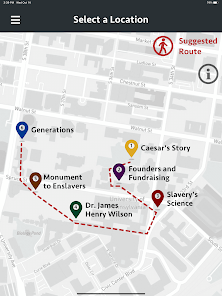
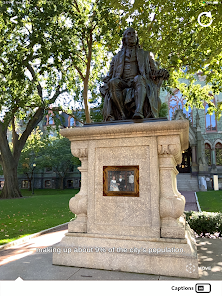
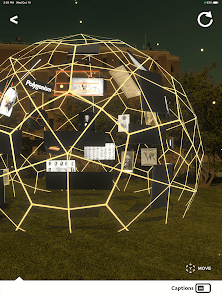
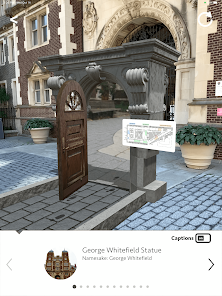
Functionality & Mechanism Developed by the Penn and Slavery Project at the University of Pennsylvania, this application delivers pedagogical content through an augmented reality (AR) interface. The system guides participants through a six-stop tour exploring the university's historical connections to slavery, with each stop leveraging AR to superimpose historical narratives and animated exhibits onto specific campus locations. The design facilitates engagement both on-site and remotely, ensuring all content and AR experiences are accessible independent of the user's physical location.
Evidence & Research Context
- The application is based on historical research from the Penn and Slavery Project, which concluded the university was financially and academically reliant on the institution of slavery, challenging prior institutional statements.
- Associated research documents that approximately 15% of the university's early wealth was derived from fundraising trips to collect donations from slave-owning planters in Jamaica and South Carolina.
- The project's findings detail the use of bodies of African descent for medical instruction and the promotion of scientific racism, notably through the craniological work of Samuel Morton.
- The AR interface is described in the research as a "digital addition" or "interruption" designed to publicly superimpose these historical findings onto the university's physical campus narrative.
Intended Use & Scope The application is designed as a pedagogical tool for educators, students, researchers, and the general public. Its primary utility is to provide a curated, place-based educational experience visualizing specific historical research findings. The tool presents a focused narrative and does not serve as a comprehensive historical archive or primary source repository. Users should consult the project's broader publications for in-depth analysis.
Studies & Publications
Peer-reviewed research associated with this app.
Penn & Slavery Project's Augmented Reality Tour: Augmenting a Campus to Reveal a Hidden History
Gladney et al. (2024) · arXiv
Describes the research-driven development of this appA Bare and Open Truth – The Penn and Slavery Project and the Public
Gladney et al. (2022) · Penn Arts & Sciences Department of History
Describes the research-driven development of this appIn the Media
Demonstrated record of nontransparency': The Penn & Slavery Project's fight for recognition
Student researchers at the University of Pennsylvania formed the Penn & Slavery Project in fall 2017 to investigate the University's historical connections to slavery, conducting archival research that revealed institutional ties previously denied by administrators. The project found that at least 75 of Penn's earliest trustees owned slaves and that Penn Medicine played a key role in developing theories of "racial pseudoscience." Despite these significant findings, project members claim the University administration has been slow to integrate their research into campus initiatives or create official recognition of this history.
Penn told a "comforting story" about slavery. Then students began digging.
University of Pennsylvania students developed Penn&Slavery to uncover their institution's hidden connections to slavery, challenging the university's long-standing denials of such ties. Student VanJessica Gladney discovered that Penn had adopted 1740 as its founding date to claim prestige by connecting itself to George Whitefield, who "devoted himself to re-legalizing slavery" in Georgia and wrote that "it is impossible for the inhabitants to subsist without the use of slaves." The research revealed how university leaders chose to chase prestige while using Penn's Quaker roots to shield the institution from accountability.
Augmented Reality
The student-led Penn and Slavery Project launched an augmented reality app to challenge everyday experiences on Penn's campus by detailing the University's historical ties to slavery, using several years of research conducted mostly by undergraduates. "Some people won't like it, some people will love it, and I think any sort of reaction to it is great," says Dallas Taylor, the app's project manager, emphasizing that "just being able to start a conversation is more important than anything." The app takes users on a virtual campus tour beginning at the Benjamin Franklin statue with Caesar's story, an enslaved man believed to have worked on campus.
Penn & Slavery Project releases virtual campus tour app illustrating Penn's ties to slavery
The Penn & Slavery Project launched an augmented reality campus tour app to reveal Penn's historical ties to slavery through digital recreations of six campus locations. The app "aims to dispel the notion that the University has no direct ties to slavery and challenge the way users view Penn and its campus," featuring stops that detail Penn's early funding from enslavers and note that 10 of the 39 Quad residential halls are named after enslavers. The app launched on February 19, 2021, providing users with interactive exhibits and narration at each tour stop.
Challenging and transforming everyday experiences on Penn's campus
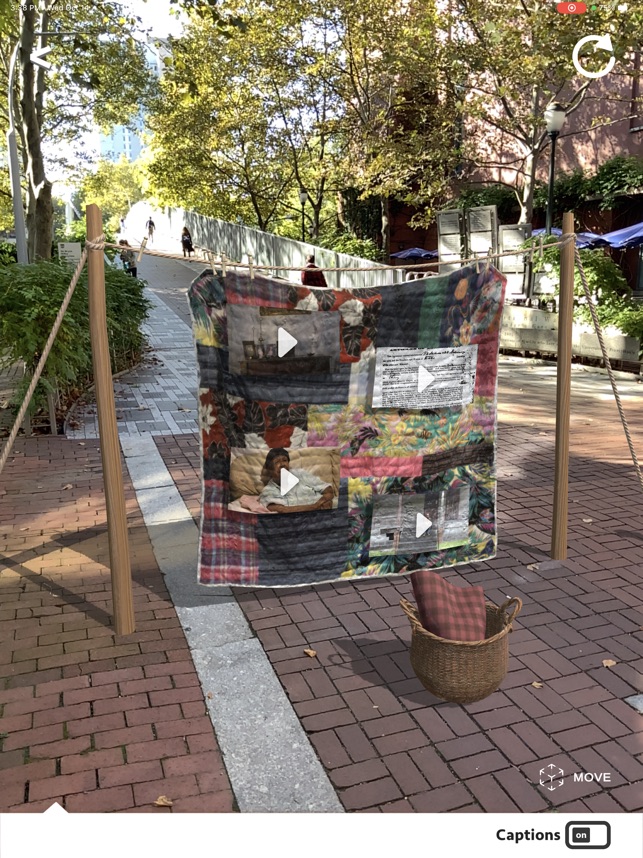
The University of Pennsylvania developed Penn&Slavery to challenge everyday campus experiences by revealing the institution's historical connections to slavery and scientific racism through augmented reality technology. The app features six unique stories and takes users on a virtual campus tour from the Benjamin Franklin statue to the Generations Bridge, including a 3D scan of doctoral student Breanna Moore's family quilt that contrasts her family's history with their enslavers who included two Penn alumni. "Some people won't like it, some people will love it, and I think any sort of reaction to it is great," says project manager Dallas Taylor, emphasizing the app's goal of starting important conversations.
App Information
Developer
University of PennsylvaniaCategory
Evidence Profile
Published in academic literature
Platforms
Updated
Oct 2025
© 2025 University of Pennsylvania