
PL4Y
Published in academic literature
App Summary
App Screenshots




Detailed Description
Functionality & Mechanism
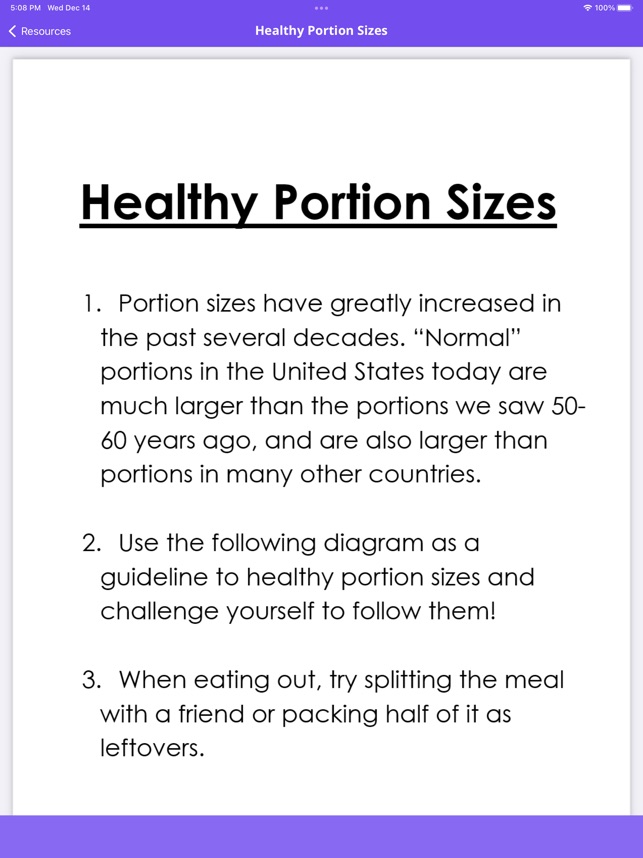
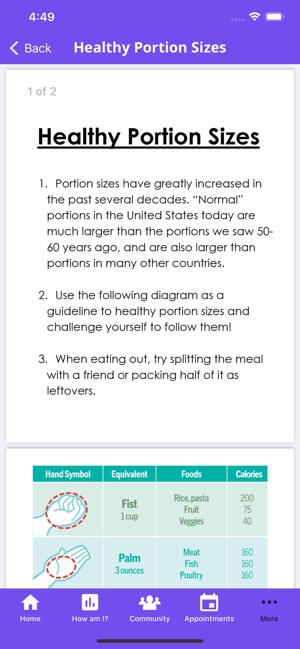
PL4Y (Positive Links for Youth) is a mobile health (mHealth) intervention platform adapted from the PositiveLinks system to support care engagement. The interface integrates several core modules, including health and wellness tracking, secure messaging with clinical providers, and a peer-to-peer community message board. Sessions involve accessing curated health resources and FAQs tailored to a specific user population. The platform's design is optimized to facilitate communication, deliver supportive content, and foster community connection.
Evidence & Research Context
- The PL4Y platform is an adaptation of the established PositiveLinks mHealth intervention, specifically redesigned for young adults (ages 18-29) living with HIV.
- The app's design was informed by a human-centered design protocol, including a formative evaluation with young adults with HIV (N=14) and clinical stakeholders (N=26).
- A Youth Advisory Board guided final decisions on the platform's features, visual appearance, and content to enhance usability and acceptability for the target population.
- Key adaptations based on user feedback included localizing resource content for South Texas and restructuring the online support group into searchable channels.
- The associated research details this development process, establishing the app's readiness for subsequent pilot testing to evaluate its clinical impact.
Intended Use & Scope
This platform is intended for use by young adults (ages 18-29) living with HIV as an adjunct to standard clinical care. Its primary utility is to support care engagement, facilitate patient-provider communication, and foster peer support. The system does not provide medical diagnoses or replace professional clinical consultation, and its resource content is specifically localized.
Studies & Publications
Peer-reviewed research associated with this app.
Centering Youth Voice in the Adaptation of an mHealth Intervention for Young Adults With HIV in South Texas, United States: Human-Centered Design Approach
Ho et al. (2025) · JMIR Formative Research
Describes the research-driven development of this appIn the Media
CGTN Europe: Exploring the Efficiency of Digital Mental Health Tools with Bethany Teachman
TYDE co-Director Bethany Teachman developed research-based digital mental health tools to address globally increasing depression and anxiety conditions, using blended care models to enhance treatment efficiency. Teachman stresses the importance of careful regulation and privacy protection when using AI tools for mental health applications. These digital tools aim to improve both the efficiency and effectiveness of mental health care delivery.
Envision Magazine: Transforming Technology
The University of Virginia's Thriving Youth in a Digital Environment (TYDE) initiative, co-directed by Nancy Deutsch and Bethany Teachman, developed research infrastructure to examine digital technology's impact on youth mental health and explore intervention solutions. "We're building the research infrastructure and making sure that we're disseminating the knowledge to policymakers, to parents, to educators, to mental health clinicians, and to young people," Deutsch said.
The Doctor Is In: Online Anxiety Therapy Helps Patients and Researchers
The University of Virginia developed PL4Y to help people ease anxiety through online cognitive bias modification, offering eight 20-minute sessions designed to help users process information in new ways. "The program is based on basic learning principles that give people repeated practice in processing information in new ways to help them interpret their environment in non-threatening ways," said Bethany Teachman, the program's director and UVA psychology professor. MindTrails currently serves about 200 users aged 18 and older as both a standalone intervention and research tool to refine online anxiety treatments.
App Information
Developer
University of VirginiaCategory
Evidence Profile
Published in academic literature
Platforms
Updated
Dec 2022
© 2025 University of Virginia
Tags
Developer Links
Privacy Policy


PL4Y
Free