AppsFromResearch
Project SPECTRA! icon

Project SPECTRA!

Evidence Tier:DOCUMENTED

Published in academic literature

For:General Public & EnthusiastsKids & Youth

App Summary

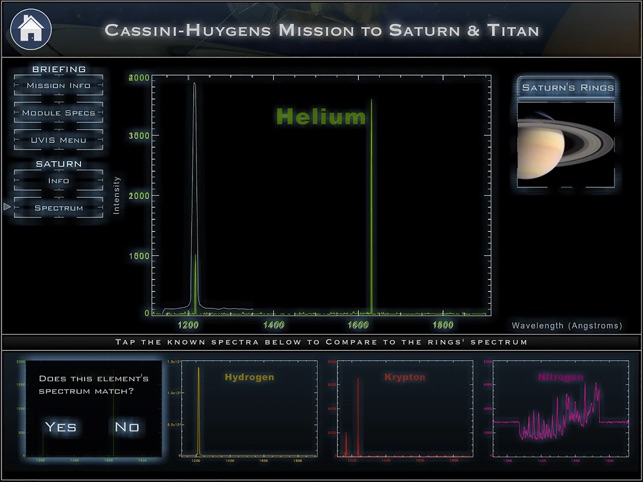
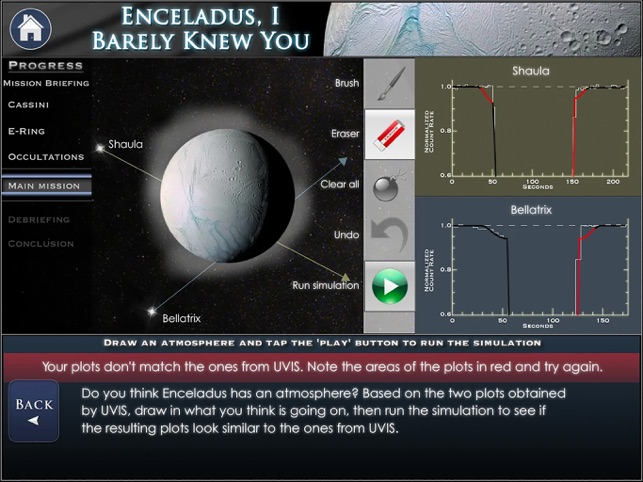
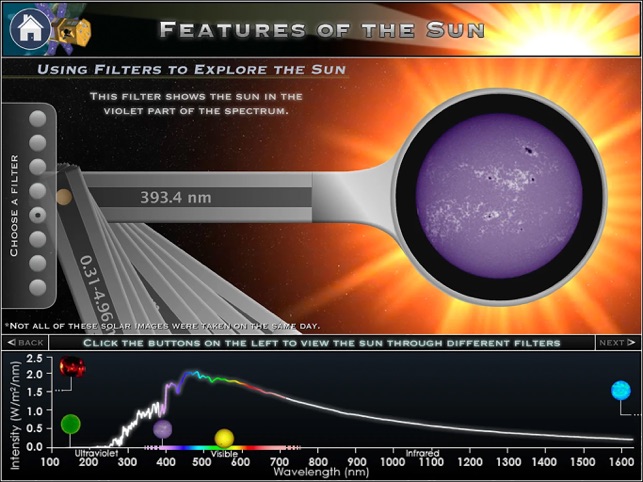
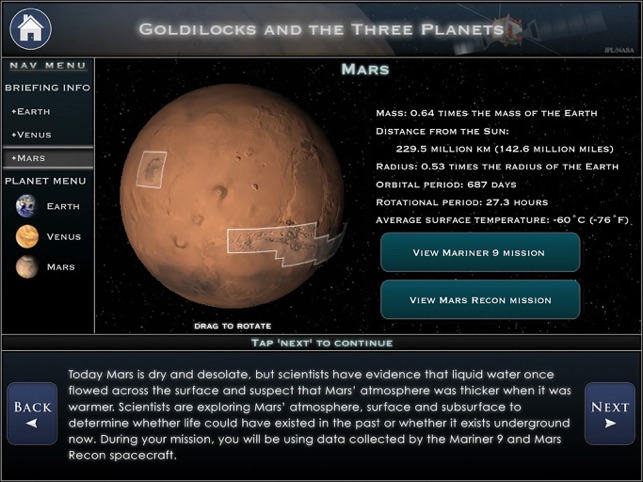
Project SPECTRA! is an educational app for middle and high school students that uses interactive simulations and missions to teach abstract concepts in astronomical spectroscopy. The associated research explains that the app is designed to make complex topics accessible by allowing students to manipulate information and visualize lessons using real NASA data. The authors conclude that this interactive multimedia approach can solidify understanding and knowledge retention, serving as a practical alternative to expensive laboratory equipment in the classroom.

App Screenshots

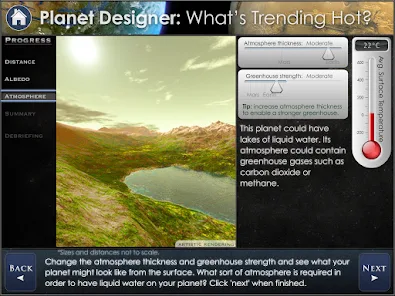
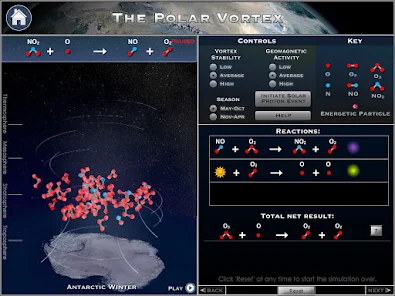
Project SPECTRA! screenshot 1 of 14Project SPECTRA! screenshot 2 of 14Project SPECTRA! screenshot 3 of 14Project SPECTRA! screenshot 4 of 14Project SPECTRA! screenshot 5 of 14Project SPECTRA! screenshot 6 of 14Project SPECTRA! screenshot 7 of 14Project SPECTRA! screenshot 8 of 14Project SPECTRA! screenshot 9 of 14Project SPECTRA! screenshot 10 of 14Project SPECTRA! screenshot 11 of 14Project SPECTRA! screenshot 12 of 14Project SPECTRA! screenshot 13 of 14Project SPECTRA! screenshot 14 of 14

Detailed Description

Functionality & Mechanism

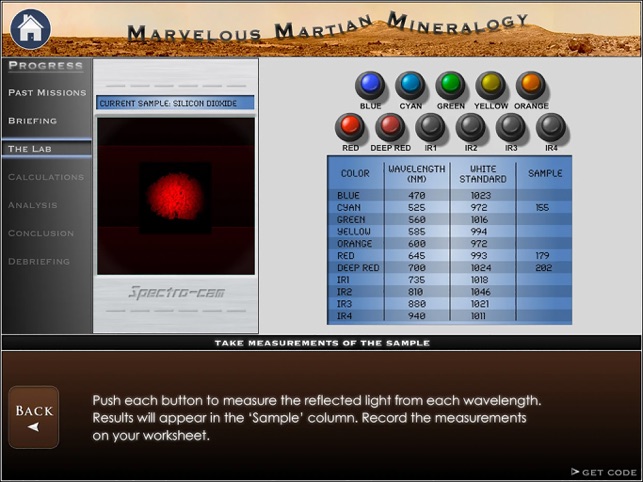
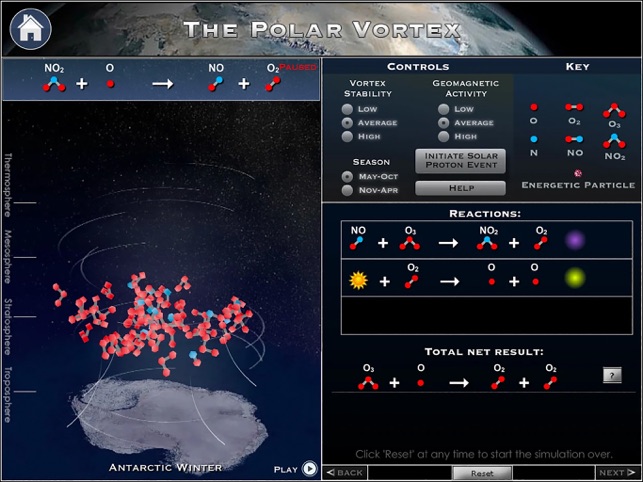
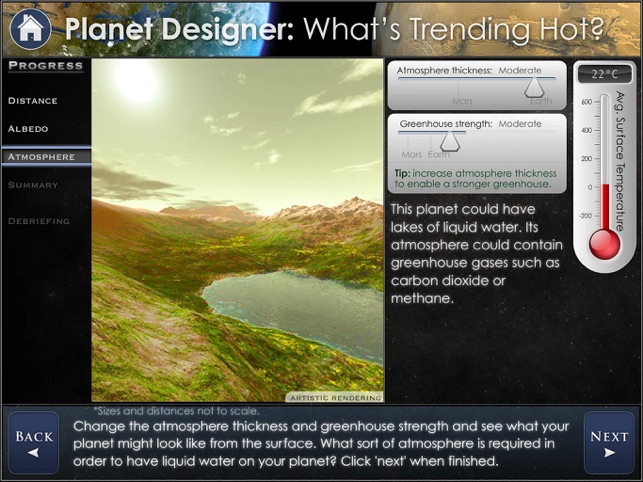
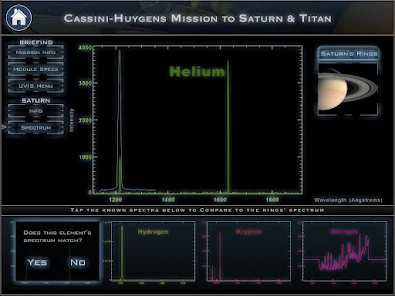
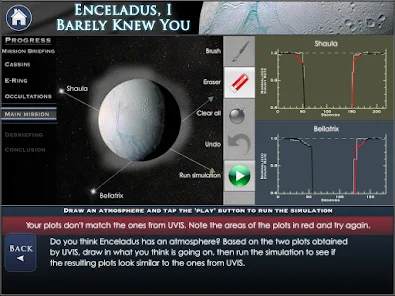
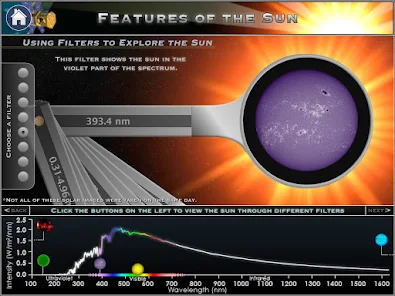
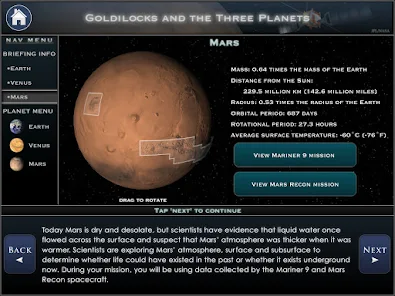
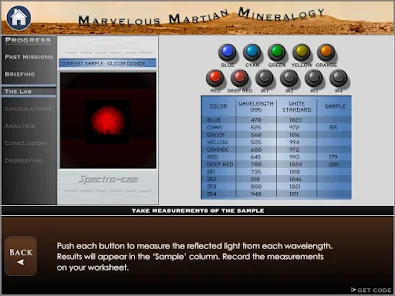
Developed by the University of Colorado's Laboratory for Atmospheric and Space Physics, Project SPECTRA! delivers interactive lessons on astronomical spectroscopy. The system presents students with mission-based objectives, such as exploring planetary atmospheres or analyzing solar light. Sessions involve manipulating digital visualizations and engaging with authentic NASA mission data, imagery, and films. The interface functions as a digital alternative to physical laboratory equipment and concludes with prompts for critical thinking and guided web-based research.

Evidence & Research Context

  • The platform's pedagogical approach, detailed in associated research articles, emphasizes "minds-on learning" by using interactive simulations to make abstract concepts accessible.
  • The design leverages authentic NASA mission data to connect educational modules with real-world scientific inquiry and exploration.
  • Its mission-based structure is engineered to engage students by contextualizing scientific tasks, such as comparing spectroscopic features across different planetary bodies.
  • The system is specified as a cost-effective substitute for physical laboratory equipment, enabling virtual experiments with the electromagnetic spectrum.

Intended Use & Scope

This software is intended for middle and high school educators as a supplemental in-classroom tool for astronomy and physics curricula. Its primary utility is to provide interactive demonstrations of spectroscopic principles. The program is not a comprehensive curriculum; it is designed to augment existing lesson plans and should be integrated with foundational teacher-led instruction.

Studies & Publications

3 publications

Peer-reviewed research associated with this app.

Development/Design Paper

Engaging students in astronomy and spectroscopy through Project SPECTRA!

Wood et al. (2011)

Describes the research-driven development of this app
Computer simulations for minds-on learning with "Project Spectra!" How do we gain information about the Sun? How do we know Mars has CO2 or that Enceladus has H2O geysers? How do we use light in astronomy? These concepts are something students and educators struggle with because they are abstract. Using simulations and computer interactives (games) where students experience and manipulate the information makes concepts accessible. Visualizing lessons with multi-media solidifies understanding and retention of knowledge and is completely unlike its paper-and-pencil counterpart. Visualizations also enable teachers to forgo purchasing expensive laboratory equipment. "Project Spectra!" is a science and engineering program that uses computer-based Flash interactives to expose students to astronomical spectroscopy and actual data in a way that is not possible with traditional in-class activities. To engage students in "Project Spectra!", students are given a mission, which connects them with the research at hand. Missions range from exploring remote planetary atmospheres and surfaces, experimenting with the Sun using different filters, or analyzing the soil of a remote planet. Additionally, students have an opportunity to learn about NASA missions, view movies, and see images connected with their mission, which is something that is not practical to do during a typical paper-and-pencil activity. Since students can choose what to watch and explore, the interactives accommodate a broad range of learning styles. Students can go back and forth through the interactives if they've missed a concept or wish to view something again. In the end, students are asked critical thinking questions and conduct web-based research. These interactives complement in-class Project SPECTRA! activities exploring applications of the electromagnetic spectrum.
... Read More
Development/Design Paper

Computer simulations for minds-on learning with ``Project Spectra!''

Wood et al. (2010)

Describes the research-driven development of this app
How do we gain information about the Sun? How do we know Mars has CO2 or that Titan has a nitrogen-rich atmosphere? How do we use light in astronomy? These concepts are something education professionals generally struggle with because they are abstract. Making use of visualizations and presenting material so it can be manipulated is the easiest way to conquer abstractions to bring them home to students. Using simulations and computer interactives (games) where students experience and manipulate the information makes concepts accessible. "Project Spectra!" is a science and engineering program that uses computer-based Flash interactives to expose students to astronomical spectroscopy and actual data in a way that is not possible with traditional in-class activities. Visualizing lessons with multi-media is a way to solidify understanding and retention of knowledge and is completely unlike its paper-and-pencil counterpart. To engage students in "Project Spectra!", students are given a mission, which connects them with the research at hand. Missions range from exploring remote planetary atmospheres and surfaces, experimenting with the Sun using different filters, and comparing spectroscopic atmospheric features between different bodies. Additionally, students have an opportunity to learn about NASA missions, view movies, and see images connected with their mission. In the end, students are asked critical thinking questions and conduct web-based research. These interactives complement the in-class activities where students engineer spectrographs and explore the electromagnetic spectrum.
... Read More

Project SPECTRA!

Free