
AppsFromResearch
PuzzleWalk icon

PuzzleWalk

Evidence Tier:EVALUATED

Assessed for usability and quality

For:General Public & Enthusiasts

App Summary

PuzzleWalk is a gamified mobile app designed to increase physical activity in adults, including those with Autism Spectrum Disorder (ASD), by converting walking steps into time to solve 'spot the difference' puzzles. A mixed-methods usability study (N=18) of adults with and without ASD indicated the app has satisfactory system quality and is readily applicable to both groups. Based on these findings, the authors conclude that further research is warranted to examine the app's long-term effects on physical activity in real-world settings.

App Screenshots

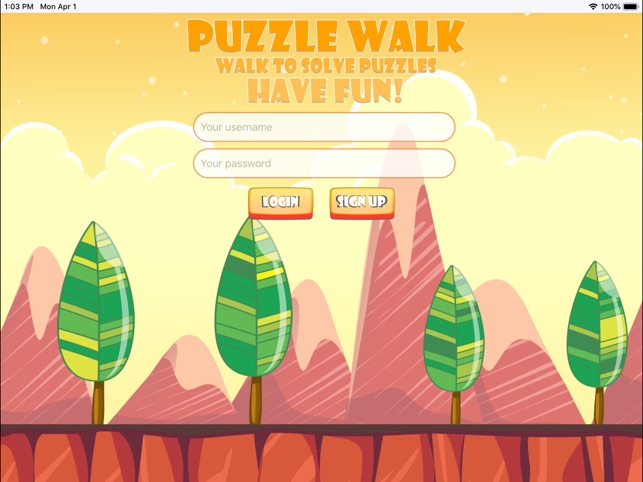
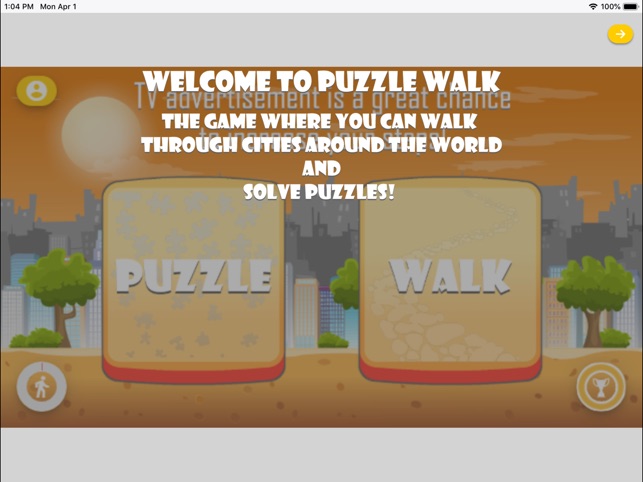
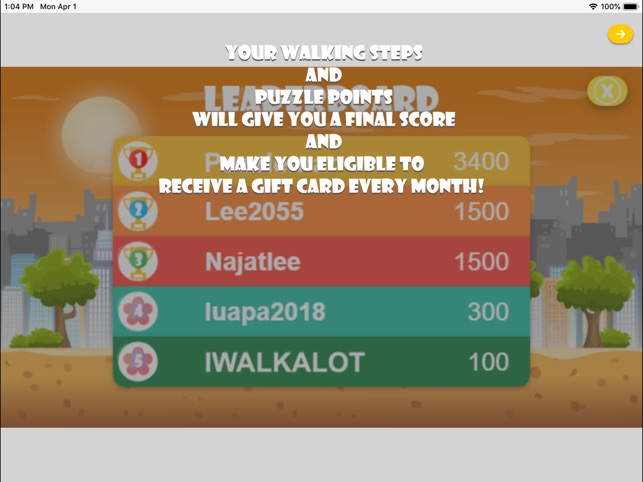
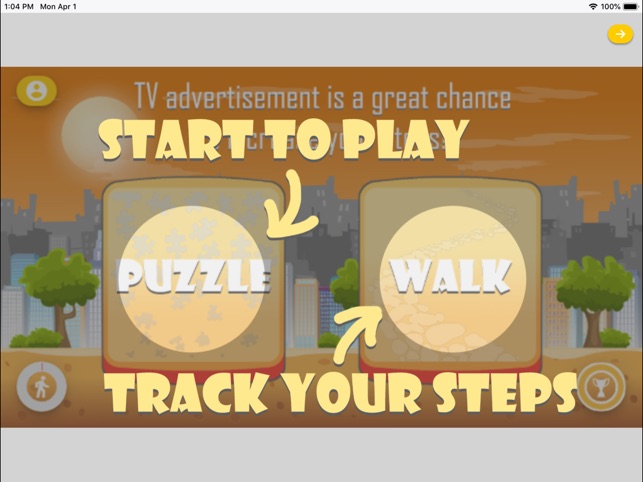
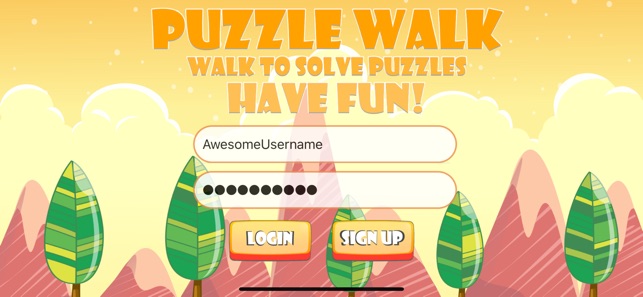
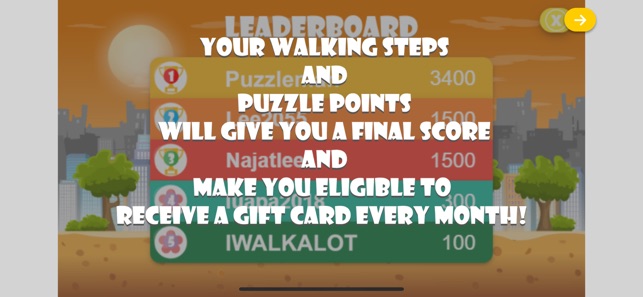
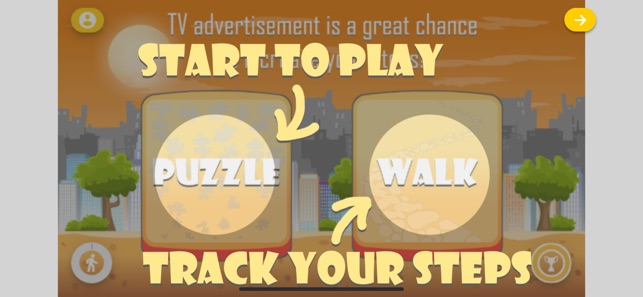
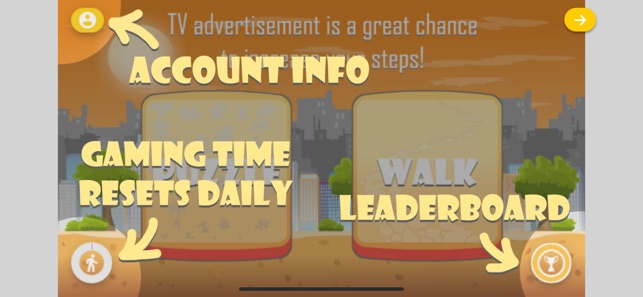
PuzzleWalk screenshot 1 of 17PuzzleWalk screenshot 2 of 17PuzzleWalk screenshot 3 of 17PuzzleWalk screenshot 4 of 17PuzzleWalk screenshot 5 of 17PuzzleWalk screenshot 6 of 17PuzzleWalk screenshot 7 of 17PuzzleWalk screenshot 8 of 17PuzzleWalk screenshot 9 of 17PuzzleWalk screenshot 10 of 17PuzzleWalk screenshot 11 of 17PuzzleWalk screenshot 12 of 17PuzzleWalk screenshot 13 of 17PuzzleWalk screenshot 14 of 17PuzzleWalk screenshot 15 of 17PuzzleWalk screenshot 16 of 17PuzzleWalk screenshot 17 of 17

Detailed Description

Functionality & Mechanism

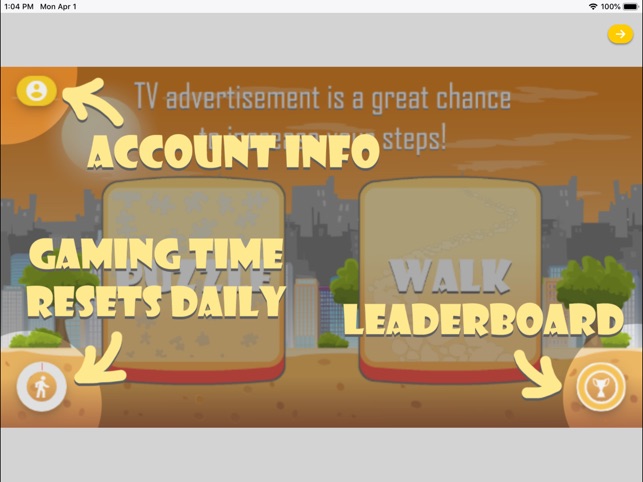
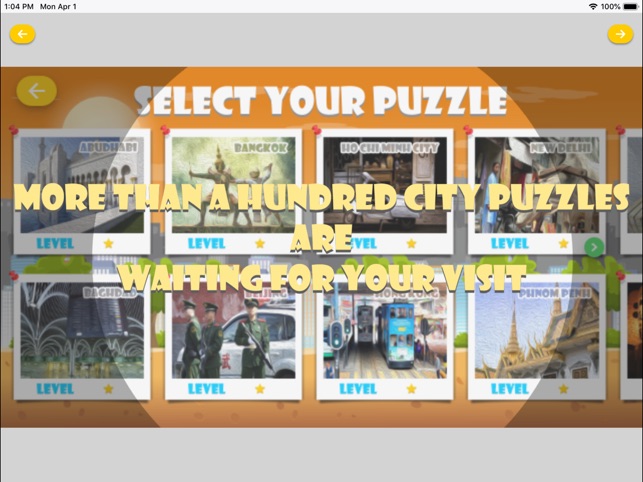
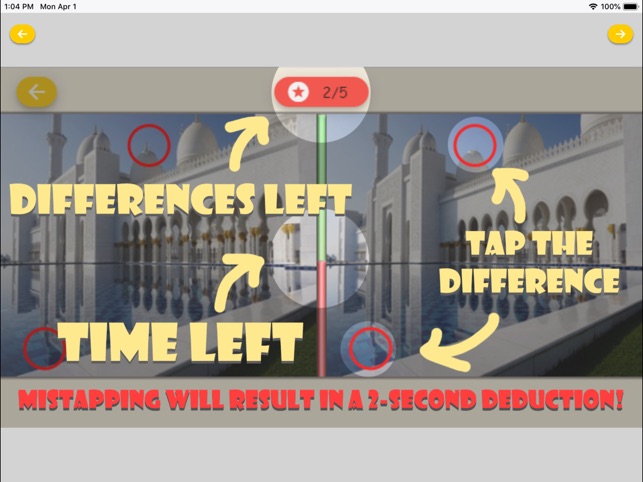
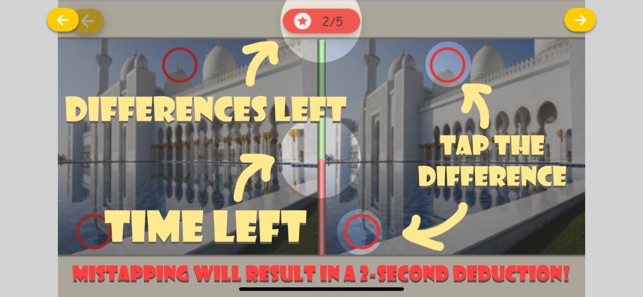
Developed by Indiana University researchers, PuzzleWalk translates physical activity into gameplay via an algorithm that converts walking steps into time for solving "spot the difference" puzzles. The interface presents puzzles set in virtual global cities, which are unlocked through user activity. The system incorporates a self-monitoring module for daily, weekly, and monthly step counts and utilizes a leaderboard with contingent rewards to incentivize engagement. A deactivation period between 10 PM and 8 AM is integrated to discourage sleep disruption.

Evidence & Research Context

  • The app was developed through an iterative, user-centered design process informed by experts and adults with Autism Spectrum Disorder (ASD).
  • Its design is grounded in behavioral theory, integrating Behavior Change Techniques such as goal-setting, self-monitoring, performance feedback, and contingent rewards.
  • A mixed-methods usability study (N=18) involving adults with and without ASD indicated satisfactory system quality and applicability for both populations.
  • The associated research identifies the need for future studies to examine the long-term effectiveness of the system on physical activity in real-world settings.

Intended Use & Scope

Intended for the general public, with a research basis in supporting adults with Autism Spectrum Disorder (ASD), this app serves as a motivational tool to promote engagement in physical activity. The system functions as a gamified behavioral incentive. It is not a clinical intervention, does not provide medical guidance, and its clinical efficacy is not established.

Studies & Publications

3 publications

Peer-reviewed research associated with this app.

Usability Study

Usability inquiry of a gamified behavior change app for increasing physical activity and reducing sedentary behavior in adults with and without autism spectrum disorder

Lee et al. (2020) · Health Informatics Journal

Adults with and without autism found the app satisfactory and usable for promoting physical activity.

The purpose of this study was to conduct the first usability inquiry of a gamified, behavior change theory-guided mobile app PuzzleWalk for increasing physical activity and reducing sedentary behavior in adults with and without autism spectrum disorder (ASD). Eighteen adults with and without ASD participated in a mixed-methods study that consisted of cognitive walkthrough, system usability assessment, and qualitative interviews. The results of the system usability testing indicated satisfactory quality of the PuzzleWalk system that can be readily applicable to both adults with and without ASD. Several notable issues were identified from the qualitative interviews that address critical insights into unique health and social needs in adults with ASD. Future work is warranted to examine the long-term effects of the PuzzleWalk system on increasing physical activity and reducing sedentary behavior in adults with and without ASD in real-world settings.
... Read More
Development/Design Paper

PuzzleWalk: A theory-driven iterative design inquiry of a mobile game for promoting physical activity in adults with autism spectrum disorder

Kim et al. (2020) · PLOS ONE

Describes the research-driven development of this app
Primary symptoms of adults with autism spectrum disorder (ASD), such as pervasive social deficits in social interaction and communication, cause adults with ASD to adopt a sedentary lifestyle. Meanwhile, gamified and behavioral theory-based interventions have been shown to improve physical activity in a fun and unobtrusive way. In this paper, we describe the iterative design inquiry process of PuzzleWalk, a gamified, physical activity-promoting mobile app designed for adults with ASD. We report the design rationales and lessons learned across four user-centered design phases with ASD experts and adults with ASD, including user requirement gathering, iterative participatory design, usability evaluation, and field deployment. The design insights generated from this work could inform future research focusing on designing sociotechnical systems, games, and interventions for people with ASD.
... Read More

PuzzleWalk

Free