AppsFromResearch
REACH UCLA icon

REACH UCLA

Published in academic literature

For:General Public & Enthusiasts

App Summary

REACH UCLA is an app-based eligibility and outreach tool designed to increase lung cancer screening rates by engaging women within established mammography workflows. The associated research is based on the principle that leveraging high participation in breast cancer screening creates an effective opportunity to introduce lung cancer screening, an approach that is highly feasible and acceptable to patients. The authors conclude that this integrated model helps reduce care fragmentation and identify cancers at earlier stages, transforming routine diagnostics into a gateway for preventive care.

App Screenshots

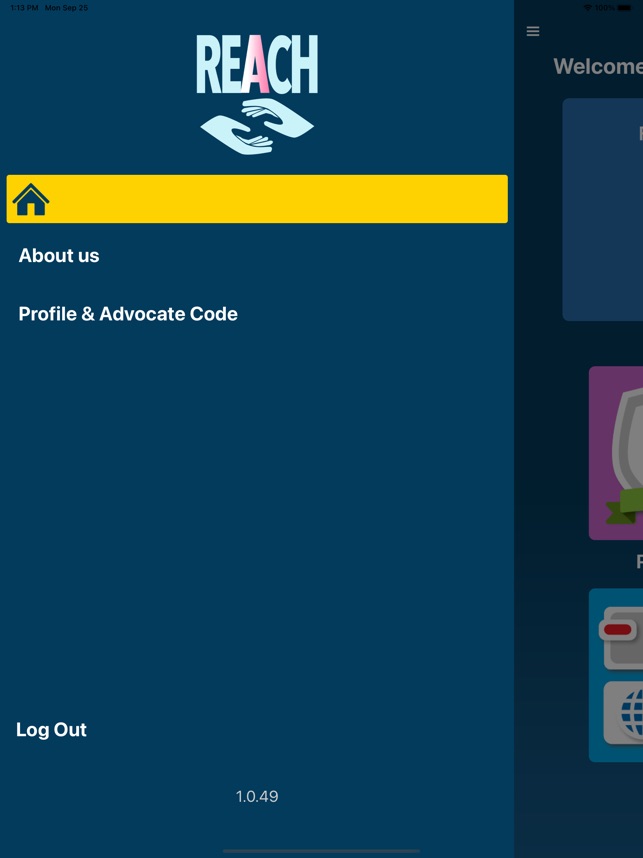
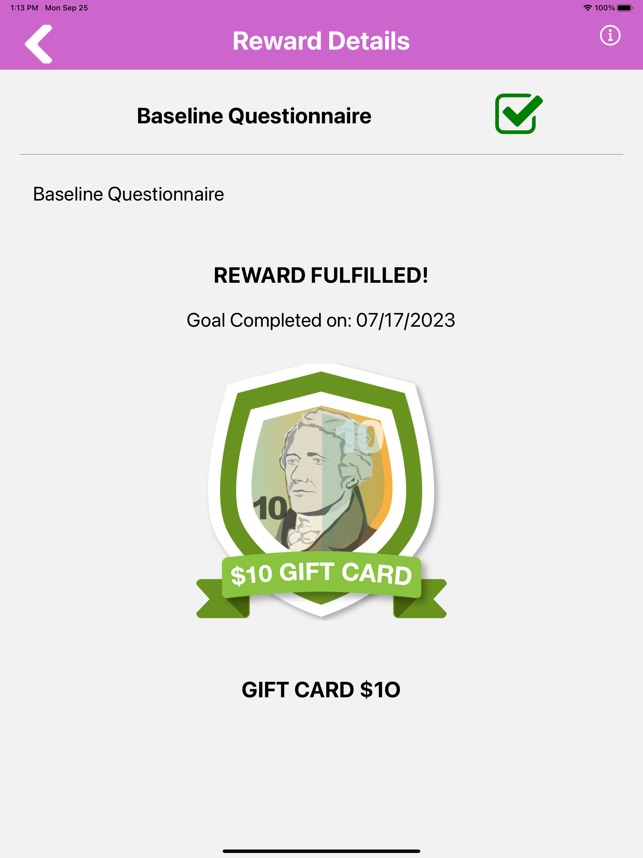
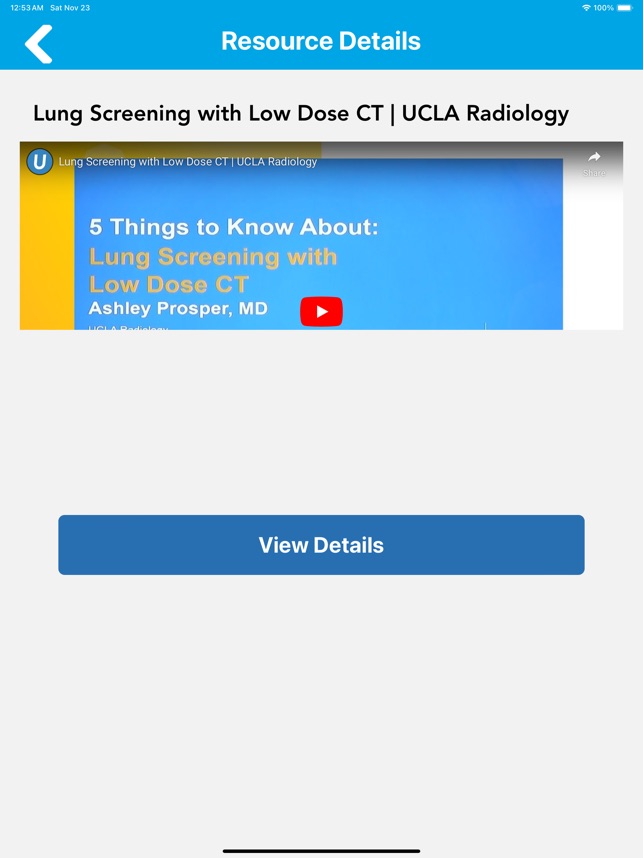
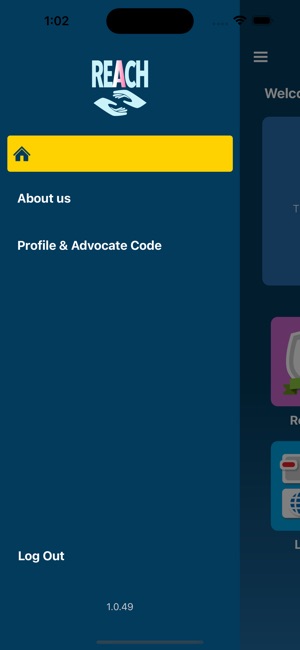
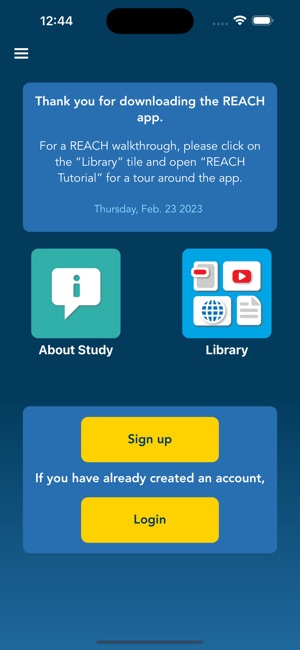
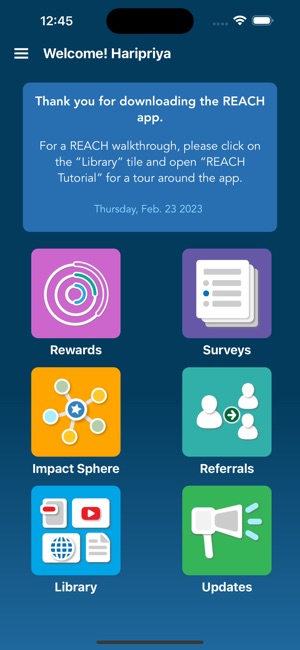
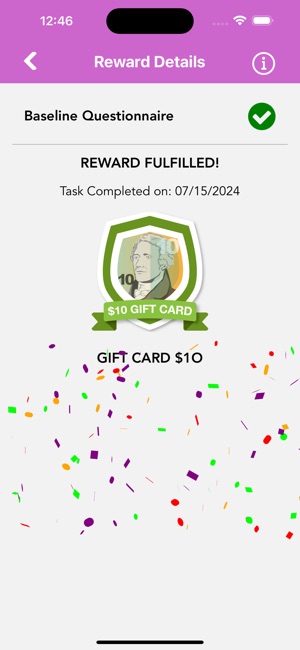
REACH UCLA screenshot 1 of 7REACH UCLA screenshot 2 of 7REACH UCLA screenshot 3 of 7REACH UCLA screenshot 4 of 7REACH UCLA screenshot 5 of 7REACH UCLA screenshot 6 of 7REACH UCLA screenshot 7 of 7

Detailed Description

Functionality & Mechanism

Developed at the University of California, Los Angeles (UCLA), the REACH system is an app-based tool designed to integrate lung cancer screening eligibility assessment into routine mammography workflows. The interface captures patient-reported data through targeted surveys to determine preliminary eligibility and identify barriers to care. This information facilitates personalized outreach and guidance from patient navigators, enabling the system to monitor screening adherence and assess the effectiveness of community-based health engagement strategies within a structured research initiative.

Evidence & Research Context

  • The app is a central component of the REACH (Refer Everyone Advocate for Community Health) initiative, a clinical framework detailed in an associated research article.
  • The underlying model leverages high rates of mammography adherence as a strategic opportunity to improve the significantly lower uptake of low-dose CT lung cancer screening.
  • Research supporting this integrated approach indicates high patient acceptability; one pilot study found 87% of eligible women undergoing mammography were interested in dual screening.
  • The framework combines the app-based tool with patient navigators and peer advocacy to overcome screening barriers and reduce care fragmentation.

Intended Use & Scope

This system is intended for clinical researchers, patient navigators, and providers within integrated cancer screening programs. Its primary utility is as a research and patient engagement tool for assessing screening eligibility and tracking outreach effectiveness. The application facilitates, but does not replace, formal clinical evaluation and is not designed as a standalone screening tool for the general public.

Studies & Publications

1 publication

Peer-reviewed research associated with this app.

Development/Design Paper

REACHing for Patient-Centered Screening: Leveraging Mammography Pathways to Advance Lung Cancer Prevention

Wong et al. (2025) · Journal of the American College of Radiology

Describes the research-driven development of this app
Lung cancer remains the primary cause of cancer-related mortality in the United States, yet the uptake of its only proven screening modality, low-dose CT (LDCT), has stagnated at approximately 16%. Significant barriers—including stigma, misinformation, and the complexities of primary care delivery—hinder the effective reach of this life-saving intervention. This paper explores a strategic paradigm shift: leveraging the established public health infrastructure of breast cancer screening to bridge the gap in lung cancer screening uptake. While lung cancer screening participation is low, nearly 76% of eligible women consistently undergo mammography, creating a natural "teachable moment" for health intervention. The REACH (Refer Everyone Advocate for Community Health) initiative at the University of California, Los Angeles, exemplifies this integrative approach by utilizing an app-based eligibility tool and patient navigators within mammography workflows. Evidence from REACH and similar pilot studies demonstrates that pairing these screenings is highly feasible and acceptable to patients; in one study, 87% of LDCT-eligible women undergoing mammography expressed interest in dual screening, with 84% willing to repeat the combined process. Beyond clinical integration, the REACH model emphasizes peer advocacy and community-based diffusion to normalize screening and overcome cultural barriers. By shifting from a volume-based to a value-based care model, these interventions reduce care fragmentation and identify cancers at earlier, more treatable stages. Ultimately, this framework positions radiology not merely as a diagnostic endpoint, but as a proactive gateway for longitudinal preventive care.
... Read More

REACH UCLA

Free