
REACH4Health
Published in academic literature
App Summary
App Screenshots

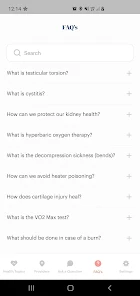
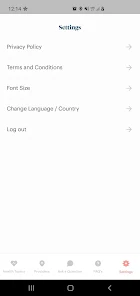
Detailed Description
Functionality & Mechanism
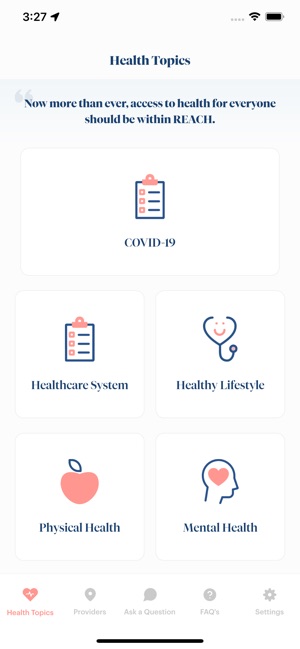
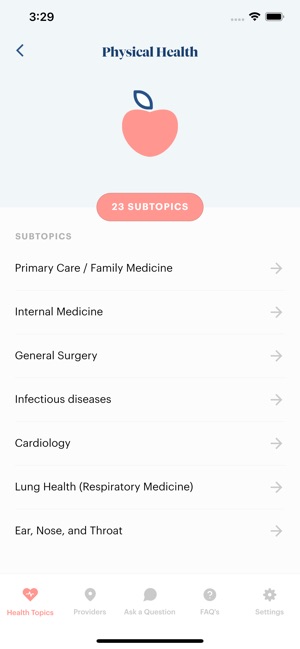
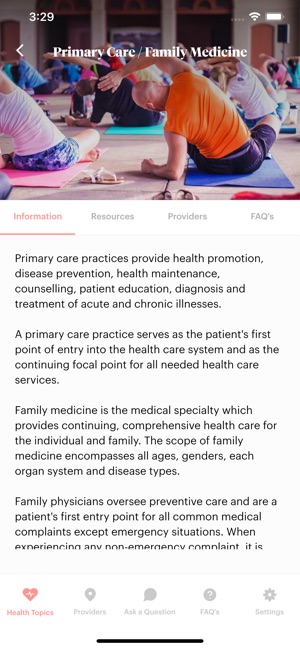
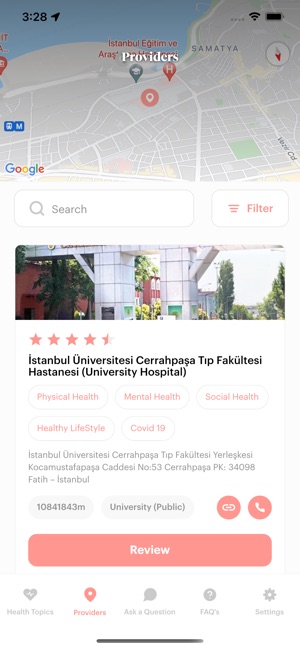
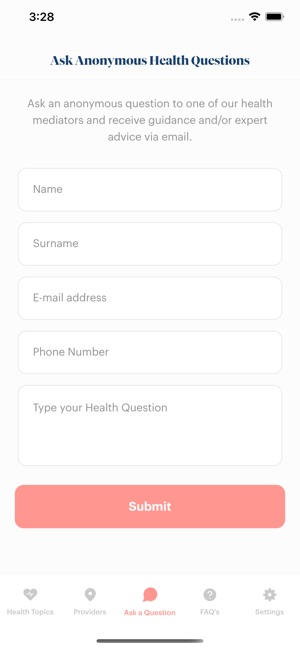
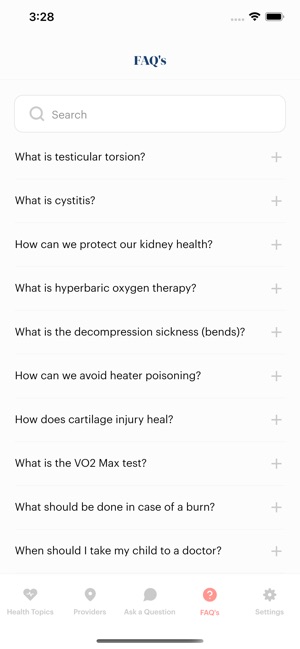
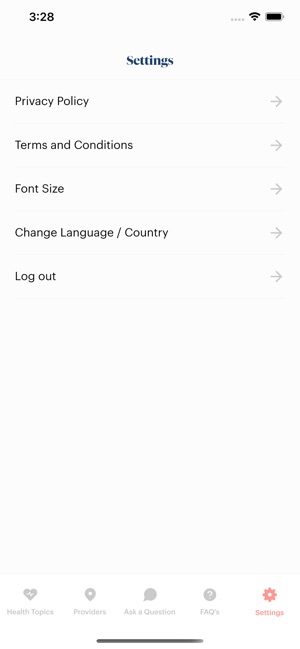
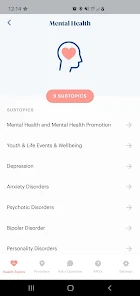
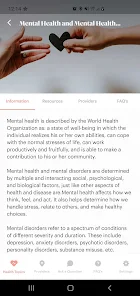
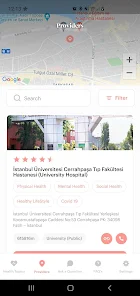
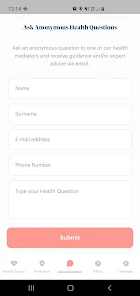
Developed by Columbia University's Center for Sustainable Development, REACH4Health delivers multilingual health literacy content and service navigation tools. The interface provides access to curated information across modules addressing physical, mental, social, and environmental health. It integrates a service locator for proximate health facilities and enables users to submit feedback on services received. A secure portal facilitates connection with a health mediator for individualized referral support, operating on a privacy-centric model that does not retain search history.
Evidence & Research Context
- The application was developed through a community-based participatory action research framework, employing a co-design methodology that involved youth, health professionals, and academic partners.
- Associated research outlines the platform's role in addressing systemic barriers to healthcare access, including cultural, linguistic, and legal challenges faced by young people in forced migration settings.
- Authors of the initiative's descriptive paper conclude that mHealth technologies possess significant potential to provide innovative, youth-friendly solutions for the health education and communication needs of marginalized youth.
Intended Use & Scope
This application is designed as a health literacy and system navigation tool for refugee, migrant, and other vulnerable youth populations, as well as for service providers. Its primary utility is to augment awareness of and access to available health services. The platform does not provide clinical diagnosis or therapeutic intervention and is not a substitute for professional medical consultation.
Studies & Publications
Peer-reviewed research associated with this app.
Youth health promotion in countries affected by forced migration: The role of mHealth technologies
Karadag et al. (2022) · European Journal of Public Health
Describes the research-driven development of this appIn the Media
REACH4Health App - App Store
The Center for Sustainable Development at Columbia University developed REACH4Health to improve young people's health literacy and healthcare access via digital technologies, using a co-design approach with academic partners, civil society, and youth. Currently available in three languages for Turkey, the app enables access to reliable health information across eight categories and allows users to find nearby health services, connect with health mediators, and provide feedback about services they use. REACH4Health focuses specifically on migrant youth and vulnerable youth groups while maintaining user privacy by not keeping search history or requesting personally identifiable information.
The new version of REACH4Health mobile application is now available
Columbia University developed REACH4Health to bridge health literacy and healthcare access gaps among refugee and local youth in Turkey, Lebanon, and Jordan, using multilingual digital health technologies supported by multiple international funding sources. A scientific assessment in Turkey showed promising results, with one 21-year-old user stating "The app is super easy to use. I loved the section on a healthy lifestyle." The app has recently joined the World Health Organization's Digital Health Atlas and aims to expand support to additional languages including Ukrainian and Persian.
REACH4Health App Meets with NGOs and Refugee Youth and Women in Hatay
Columbia University's Earth Institute developed REACH4Health to increase health literacy and healthcare access for refugee youth in Turkey, Lebanon, and Jordan, creating a trilingual app that maps healthcare services and provides health information. During a February 28 community dissemination event in Hatay, researchers highlighted how "local and refugee youth share similar problems and difficulties in accessing healthcare services and information" based on their photovoice study findings. The project employed community-based participatory action research with refugees and disadvantaged youth to inform the app's development.
REACH: Using Technology to Increase Health Literacy and Health Care Access for Refugees in Turkiye, Lebanon, and Jordan
Columbia University's Center for Sustainable Development developed REACH4Health to bridge health literacy and healthcare access gaps among refugee and local youth in Turkey, Lebanon, and Jordan, using Community Based Participatory Action Research framework. The project employs a collaborative approach that works "with - rather than on - communities" and involves partnerships with multiple universities, UN organizations, and NGOs across the three countries. REACH4Health has recently joined the World Health Organization's Digital Health Atlas, demonstrating its recognition as a significant digital health intervention.
App Information
Developer
Columbia UniversityCategory
Evidence Profile
Published in academic literature
Platforms
Updated
Jul 2023
© 2025 Columbia University