
Stay Quit Coach
Published in academic literature
App Summary
App Screenshots

Detailed Description
Functionality & Mechanism
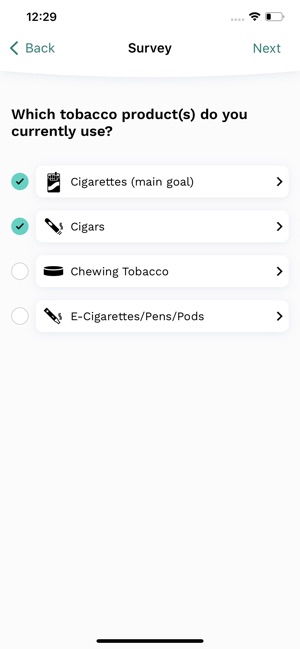
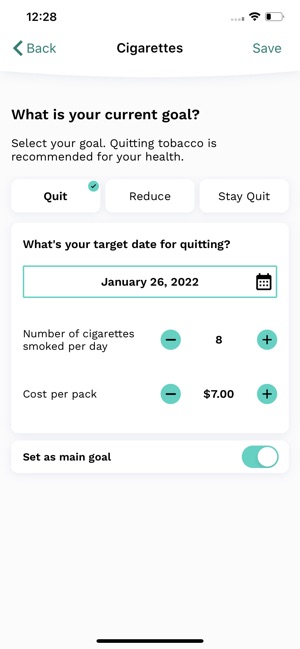
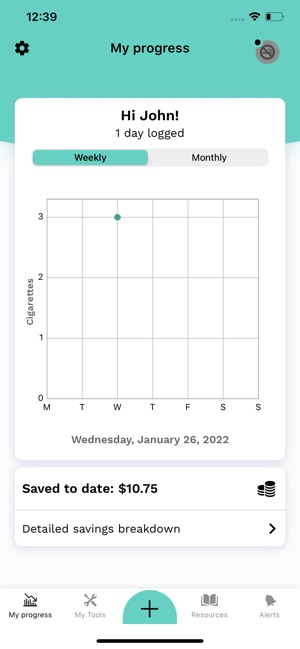
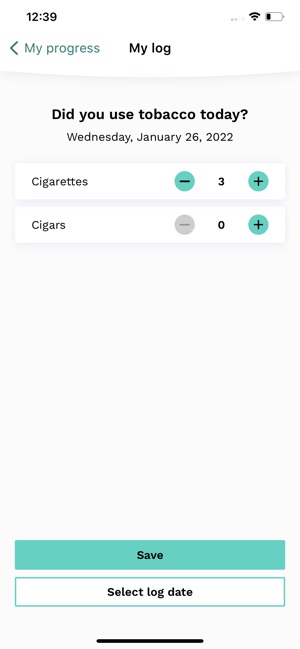
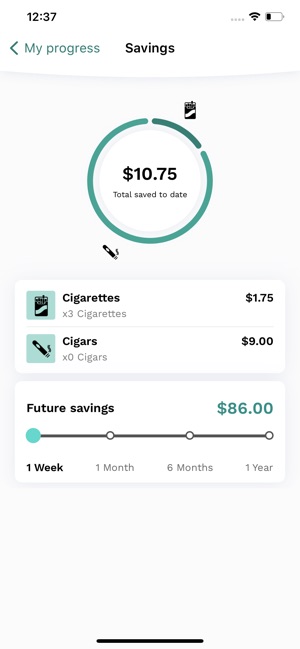
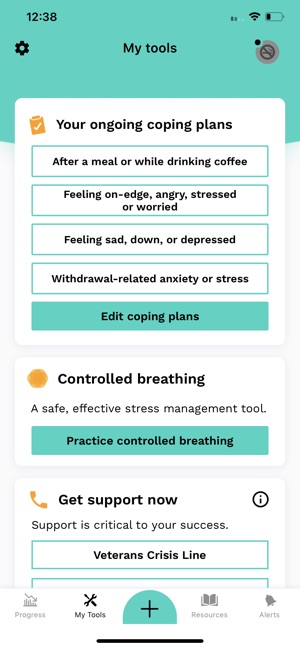
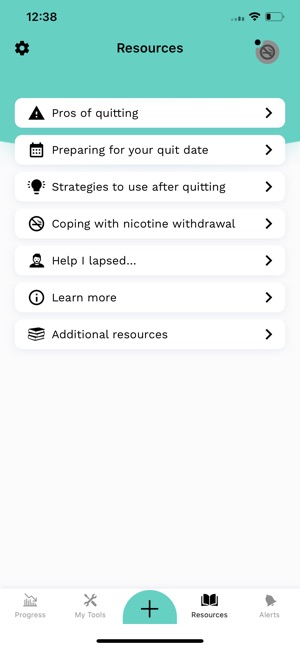
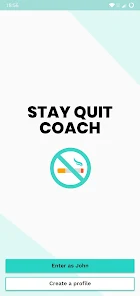
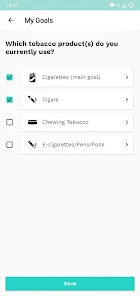
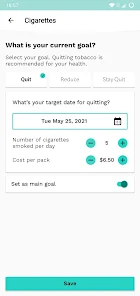
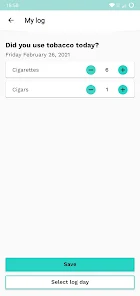
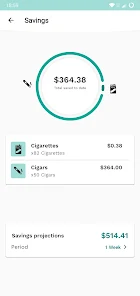
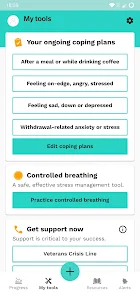
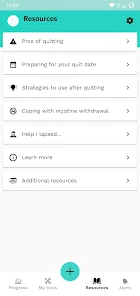
Developed by the National Center for PTSD at the U.S. Department of Veterans Affairs, Stay Quit Coach 2 delivers tools for smoking cessation maintenance. The system is based on an integrated care manual for Veterans with PTSD and utilizes the "Ask, Advise, Replace, Mentally Cope" (AARM) model. The interface provides psychoeducation, a guided breathing exercise, customizable coping plans, medication reminders, and a financial impact calculator. These modules support individuals in transitioning from smoking cessation to sustained abstinence.
Evidence & Research Context
- A qualitative study (N=17) evaluated the acceptability and user experience of the app among U.S. military veterans with PTSD undergoing smoking cessation treatment.
- Participants reported moderately high comfort with mobile technology and endorsed the app as an appealing format for cessation support due to its convenience.
- Interactive features, such as customizable coping plans, were identified as the most helpful components for supporting cessation efforts within an integrated treatment context.
- The authors concluded that the app is an acceptable and useful adjunct tool for this high-risk clinical population, providing valuable insights for future refinement.
Intended Use & Scope
This application is designed as a self-management and adjunct therapy tool for individuals, particularly U.S. Veterans, maintaining smoking abstinence. Its primary utility is to augment evidence-based cessation treatment delivered by a healthcare provider. The system does not constitute a standalone clinical intervention and is not a substitute for professional medical or psychological care.
Studies & Publications
Peer-reviewed research associated with this app.
A Qualitative Examination of Stay Quit Coach, A Mobile Application for Veteran Smokers With Posttraumatic Stress Disorder
Herbst et al. (2018) · Nicotine & Tobacco Research
Veterans with PTSD found the smoking cessation app acceptable and helpful when combined with treatment.In the Media
Three resources to help you quit smoking
The VA developed Stay Quit Coach to help individuals maintain their smoke-free lifestyle after quitting tobacco use. The article notes that the app "is designed to help anyone who would" quit smoking, positioning it as part of VA's suite of digital cessation tools alongside Annie text messaging and Mindfulness Coach. These three VA apps provide comprehensive support ranging from motivational messages to mindfulness techniques for Veterans pursuing tobacco freedom.
VA's Stay Quit Coach app helped VA employee quit smoking
The VA developed Stay Quit Coach to help users quit smoking through personalized tracking of triggers, goals, and motivational messaging that provides positive responses even after setbacks. VA employee Joni Stalnaker, who successfully used the app when her facility became smoke-free in 2020, said "It will tell you how much money you saved every day" and noted the app's user-friendly design made it immediately effective. Her personal experience now helps her connect with Veterans on a deeper level, allowing her to say "No, it really does work" rather than relying on secondhand reports.
STAY QUIT COACH
The VA developed Stay Quit Coach 2.0 to help anyone who uses tobacco products quit or reduce their usage, offering tools and strategies that can be used independently of professional treatment. The app maintains strict privacy standards where "no data that could identify you is sent to VA or third parties" and all personal information entered stays solely on the user's device. Stay Quit Coach 2.0 represents a new, separate application from the previous Stay Quit Coach Legacy version.
App Information
Developer
US Department of Veterans AffairsCategory
Evidence Profile
Published in academic literature
Platforms
Updated
Aug 2026
© 2025 US Department of Veterans Affairs