
AppsFromResearch
Surgical Animate! icon

Surgical Animate!

Published in academic literature

For:Clinicians & Healthcare ProfessionalsGeneral Public & EnthusiastsPatients & Caregivers

App Summary

Surgical Animate! is an educational app designed to help parents of children with congenital heart disease understand complex surgical procedures through medical animations. In a systematic review and evaluation of 15 mobile apps for this population, the app category demonstrated overall strengths in functionality and information quality. The associated research concludes that high-quality, evidence-based apps are needed to support parents, potentially enhancing their understanding of complex medical procedures.

App Screenshots

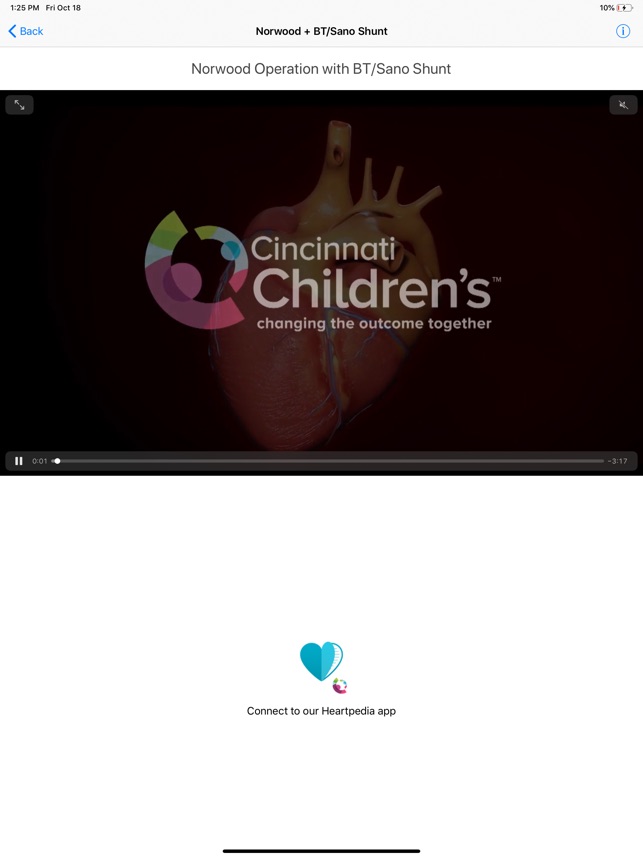
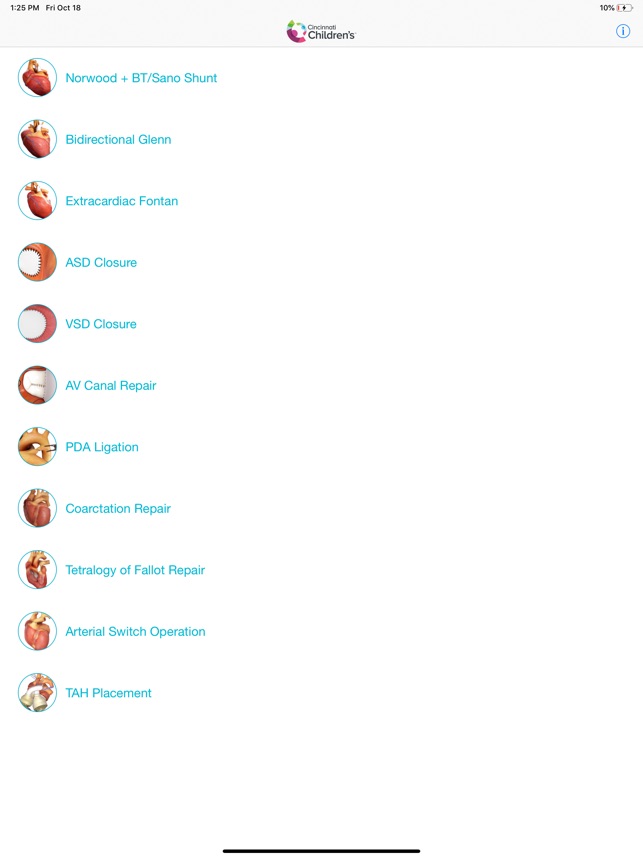
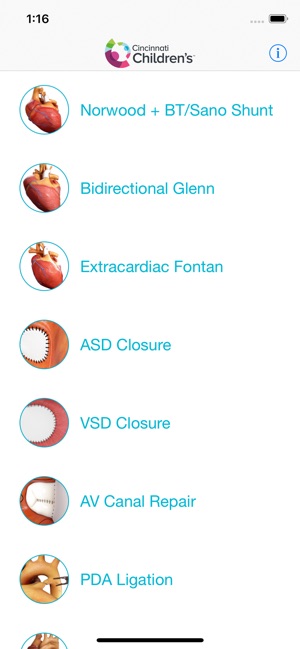
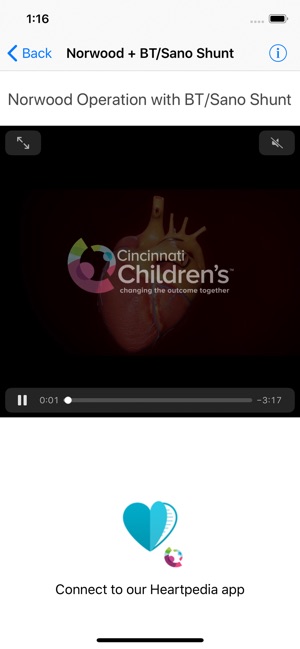
Surgical Animate! screenshot 1 of 6Surgical Animate! screenshot 2 of 6Surgical Animate! screenshot 3 of 6Surgical Animate! screenshot 4 of 6Surgical Animate! screenshot 5 of 6Surgical Animate! screenshot 6 of 6

Detailed Description

Functionality & Mechanism

Surgical Animate! delivers detailed, animated visualizations of complex cardiac surgical procedures. The platform is designed for rapid comprehension, presenting medically accurate animations to elucidate procedural steps, anatomical changes, and expected outcomes. The user interface facilitates navigation through a library of congenital heart defect surgeries, allowing caregivers to select and view specific operations relevant to a patient's condition. The system serves as a clear, visual educational resource intended to supplement clinical consultation.

Evidence & Research Context

  • The app was identified and evaluated in a systematic review assessing mobile health applications designed for parents of medically complex infants.
  • It was categorized as one of four reviewed applications focused specifically on congenital heart disease education.
  • In this review of 15 unique apps, overall quality was assessed using the Mobile Application Rating Scale (MARS), with the majority of included apps (67%) rated as having acceptable quality.
  • The review noted that evaluated apps generally demonstrated strengths in functionality and information quality but performed lower on user engagement metrics.

Intended Use & Scope

This application is intended as an educational resource for parents and caregivers of pediatric patients with congenital heart disease. Its primary utility is to supplement clinician-led discussions by providing visual explanations of complex surgical procedures. The tool does not provide personalized medical advice and is not a substitute for direct consultation with a cardiothoracic surgeon or pediatric cardiologist.

Studies & Publications

1 publication

Peer-reviewed research associated with this app.

Non-Evaluative Reference

A systematic review and evaluation of mobile health apps designed for parents who are preparing or caring for medically complex infants

McKechnie et al. (2024) · mHealth

Most apps were acceptable quality but engagement features were poorly implemented across the board.
Abstract Background: Parents learning about their children with medical complexity often use numerous health-related resources, including mobile health applications (mHealth apps). mHealth apps could provide broad access to key information and support, lower healthcare costs, and improve care. The quality of mHealth apps for this population has been a concern, but is currently unknown. The objective of this systematic review was to identify and evaluate the quality of publicly available mHealth apps designed for parents who are preparing or caring for medically complex infants. Methods: A systematic search strategy was applied to identify mHealth apps in the Apple and Google Play app stores in November 2022 and replicated in August 2024. Apps with no cost, in English, designed for parents of infants with perinatal medical complexity requiring hospitalization were included. Apps for healthy pregnancies, children >1 year, non-parental caregivers or healthcare professionals, primarily for tracking/monitoring, or unrelated activities/products were excluded. Independent raters used the Mobile Application Rating Scale (MARS) subscales of Engagement, Functionality, Aesthetics, and Information to evaluate quality for each app. Mean ratings were calculated by subscale and for overall app quality. Results: From 1,917 identified apps, 32 apps were downloaded and fully screened. The final sample of 15 unique apps were available on the Apple App Store, with six also available on the Google Play Store. Most apps focused on prematurity (n=6), followed by the neonatal intensive care experience (n=4), congenital heart disease (n=4), and hypoxic-ischemic encephalopathy (n=1). MARS ratings of the overall sample (mean =3.61, median =3.58; range, 2.65-4.68) indicated 20% (3/15) were of good quality and 67% (10/15) were of acceptable quality. Apps showed strengths in Functionality and Information and performed worst in Engagement. Conclusions: The poorest quality found in Engagement suggests that most of these apps do not effectively target users' interests or needs. Notably, many suffered from a lack of recent updates or became unavailable. This decline appears to parallel the increasing integration of digital health technologies within healthcare systems, which could prompt testing of mHealth apps on health outcomes. High-quality mHealth apps that are valued by parents and offer evidence-based information and support are needed to extend care.
... Read More

Surgical Animate!

Free