
AppsFromResearch
TAVRcathAID icon

TAVRcathAID

Evidence Tier:DOCUMENTED

Published in academic literature

For:Clinicians & Healthcare ProfessionalsStudents

App Summary

TAVRcathAID is an educational tool for interventional cardiologists that provides an illustrated, step-by-step guide to performing coronary access procedures following a transcatheter aortic valve replacement (TAVR). The app was designed using 3D animations derived from physical models to provide an interactive experience that the authors found was missing from traditional, text-heavy educational resources. The associated research concludes that the app's use of innovative smartphone technology offers an interactive and realistic way to learn complex cardiovascular concepts.

App Screenshots

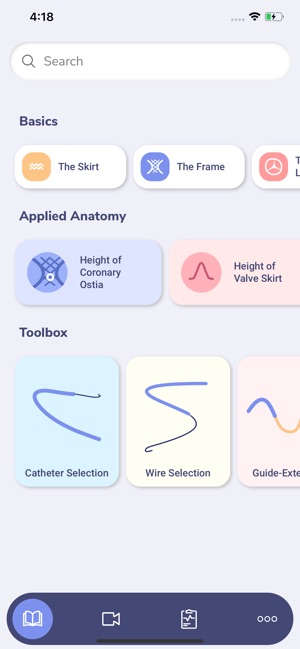
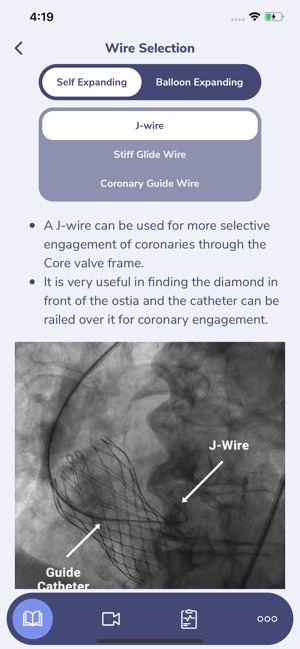
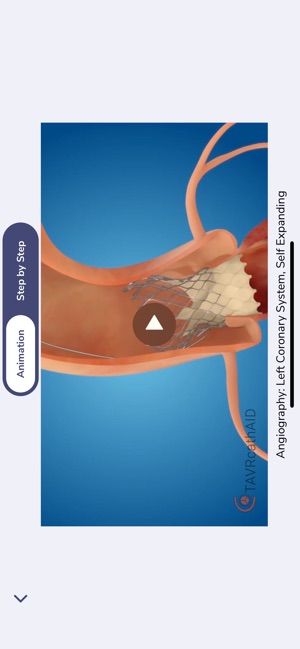
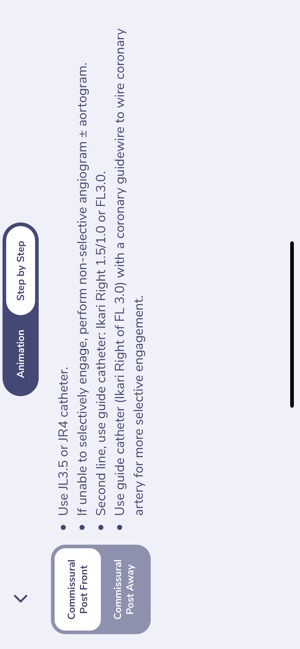
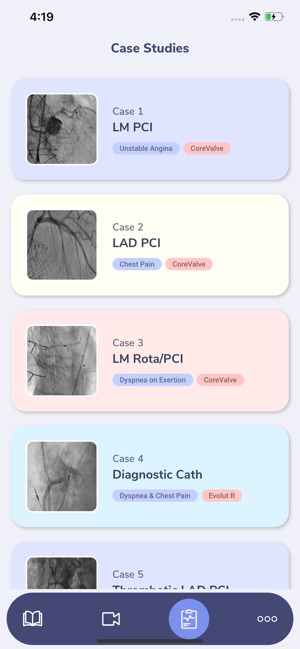
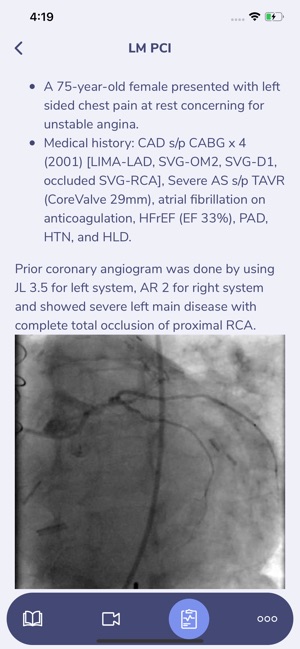
TAVRcathAID screenshot 1 of 10TAVRcathAID screenshot 2 of 10TAVRcathAID screenshot 3 of 10TAVRcathAID screenshot 4 of 10TAVRcathAID screenshot 5 of 10TAVRcathAID screenshot 6 of 10TAVRcathAID screenshot 7 of 10TAVRcathAID screenshot 8 of 10TAVRcathAID screenshot 9 of 10TAVRcathAID screenshot 10 of 10

Detailed Description

Functionality & Mechanism

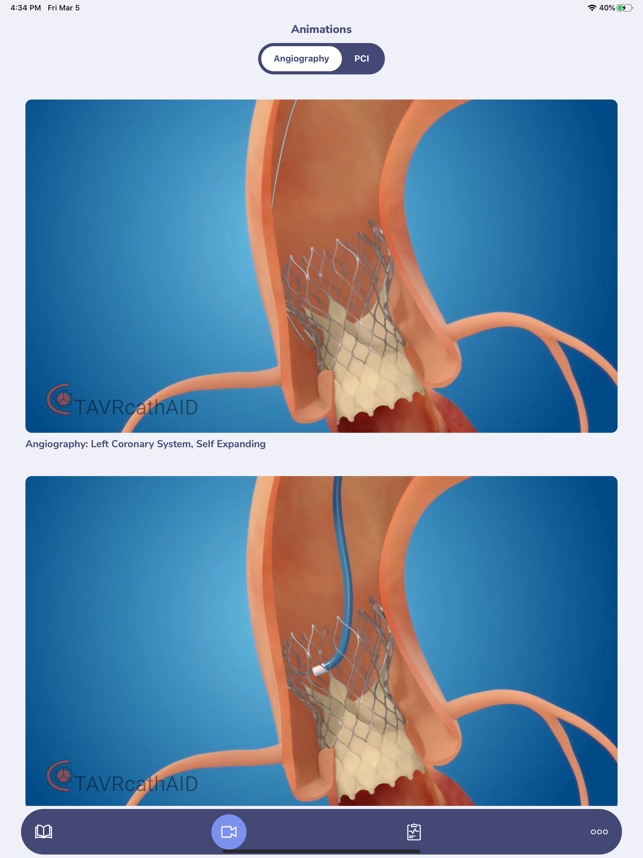
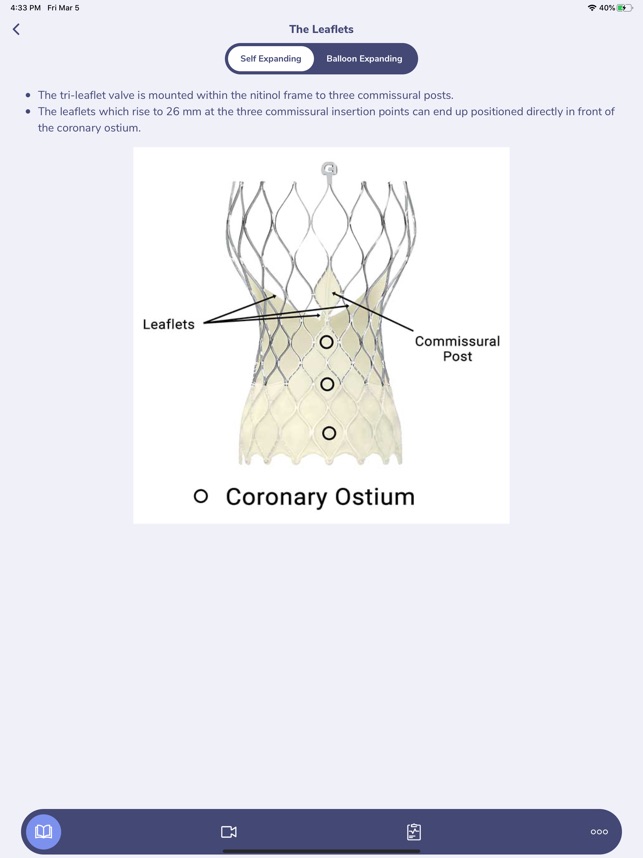
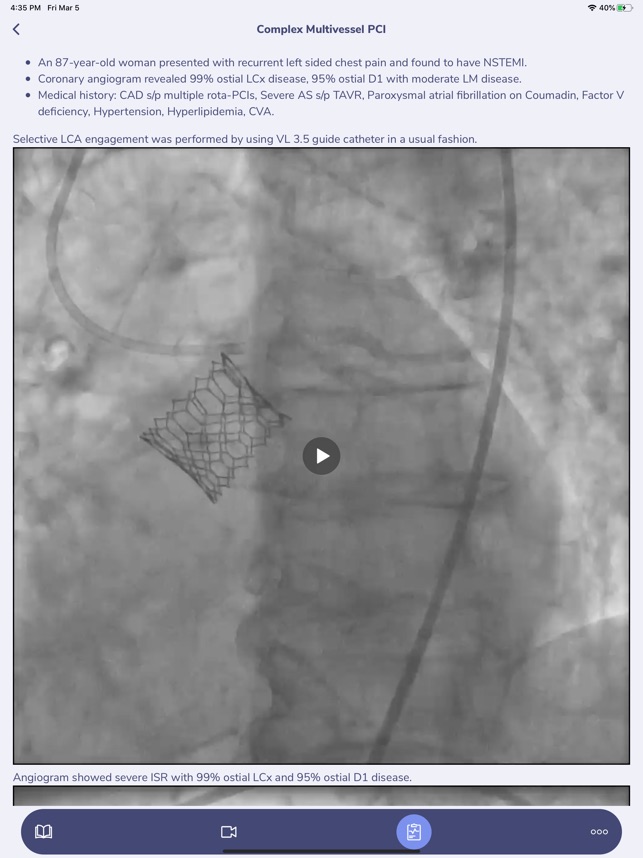
Developed at the Icahn School of Medicine at Mount Sinai, TAVRcathAID delivers educational content on post-TAVR coronary access. The system presents a step-by-step algorithmic approach to diagnostic coronary angiograms and percutaneous interventions. It leverages 3D animations and video content, derived from transparent aortic root models, to illustrate complex anatomy and guide-wire/guide-catheter interactions. The interactive interface is designed to facilitate experiential learning of this challenging cardiovascular procedure.

Evidence & Research Context

  • The app's development and pedagogical framework are detailed in a design and methods paper.
  • Its procedural algorithm is grounded in an extensive review of peer-reviewed literature regarding coronary access after transcatheter aortic valve replacement.
  • The system's design addresses the limitations of traditional educational resources, which primarily rely on static text and fluoroscopic images.
  • It incorporates a novel teaching style that utilizes 3D animations derived from physical models to provide an interactive and realistic learning experience.

Intended Use & Scope

This application is designed as an educational tool for interventional cardiologists, structural heart specialists, and cardiology fellows. Its primary utility is to supplement traditional training for post-TAVR coronary access. The app is not a substitute for supervised clinical experience and is not intended for use as real-time procedural guidance.

Studies & Publications

1 publication

Peer-reviewed research associated with this app.

Development/Design Paper

TAVRCATHAID: AN EDUCATIONAL MOBILE APPLICATION TO LEARN CORONARY ACCESS AFTER TRANSCATHETER AORTIC VALVE REPLACEMENT

Bhatheja et al. (2019) · Journal of the American College of Cardiology

Describes the research-driven development of this app
Background Expanding indication and use of Transcatheter aortic valve replacement (TAVR) poses a unique problem of coronary access after valve implantation. Even though, troubleshooting tools and techniques have been published but are not available at the fingertips of the user at all the times. We tried to address this unique problem with an innovative educational mobile application (app) called "TAVRcathAID". Methods We extensively reviewed currently available peer-reviewed literature, reference books and online learning resources for coronary access after TAVR and developed an algorithm (Figure 1) for app development. We utilized transparent aortic root model with transcatheter aortic valve in place to explain 3D applied anatomy and guide-wire/guide-catheter interaction with this complex anatomy. These videos were further used to develop 3D animation models for the application. Results We found that most educational resources rely on wordy explanations, illustrations and fluoroscopic images, but none offers any interactive experience with users. We created new teaching styles which utilize the unique interactive features of smartphone technologies to aid experiential learning. Conclusion Our mobile app TAVRcathAID utilizes adoption of innovative teaching styles via smartphone technologies to offer interactive and realistic learning of complex cardiovascular concepts.
... Read More

TAVRcathAID

Free