

The Hentaigana App
Published in academic literature
App Summary
App Screenshots




Detailed Description
Functionality & Mechanism
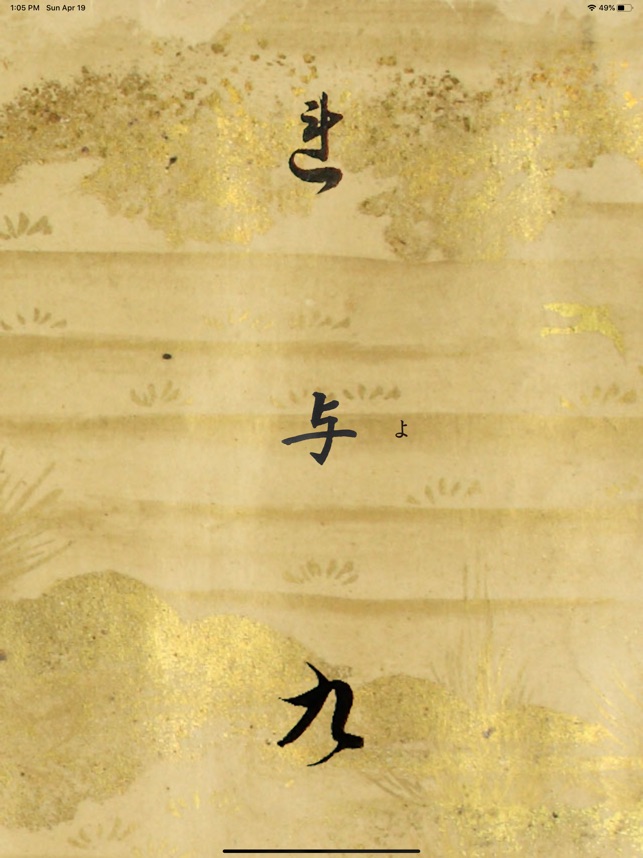
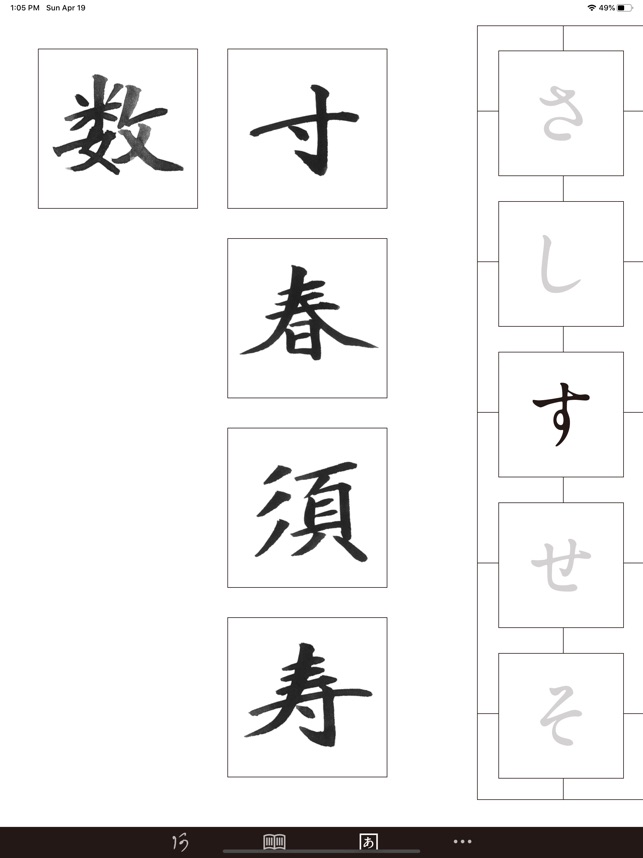
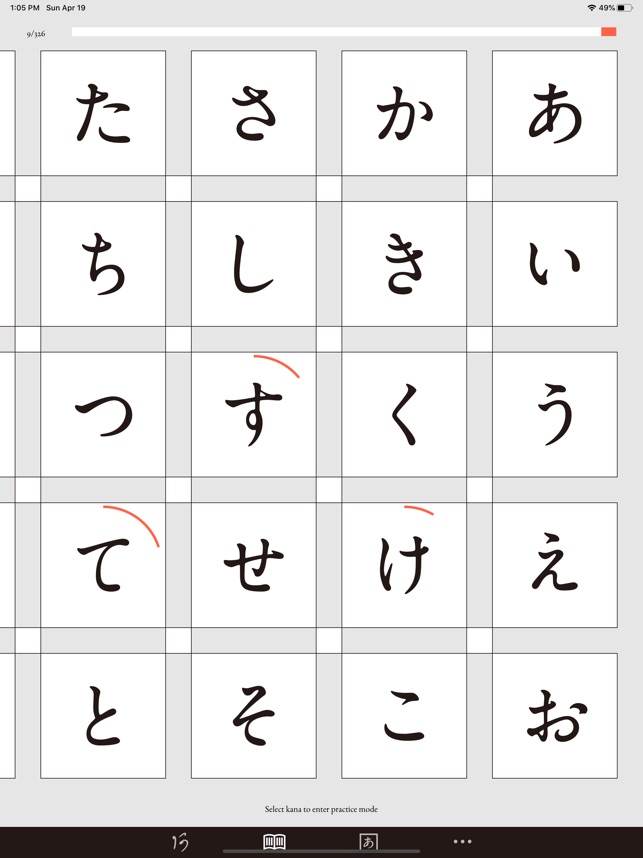
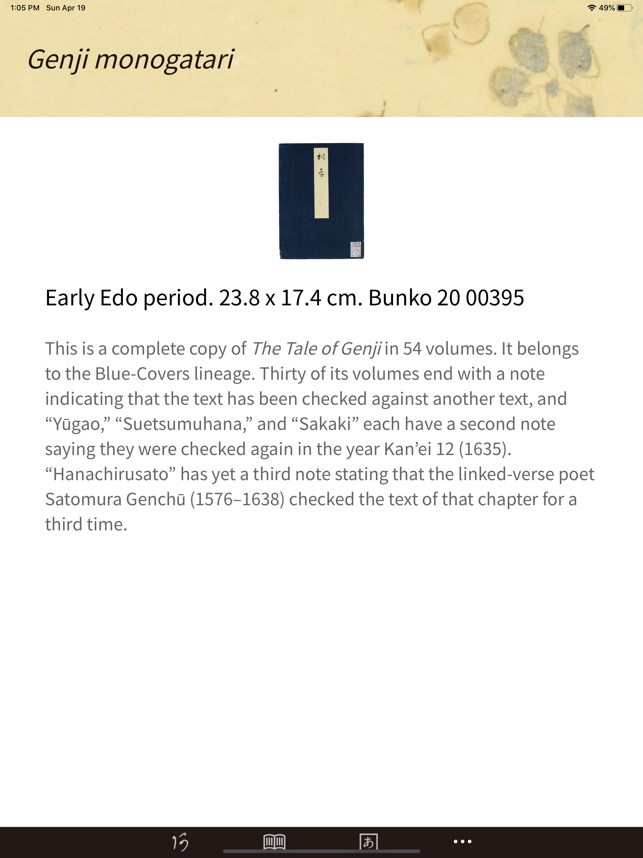
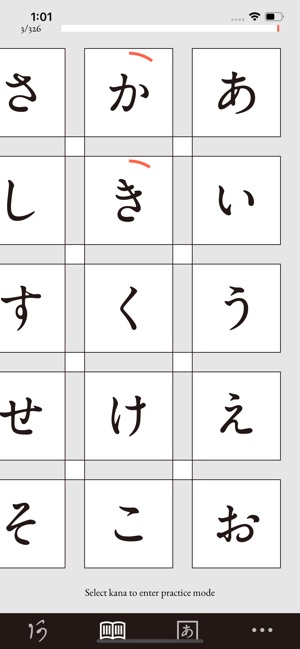
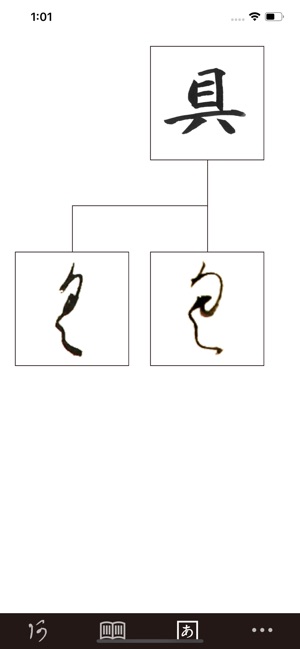
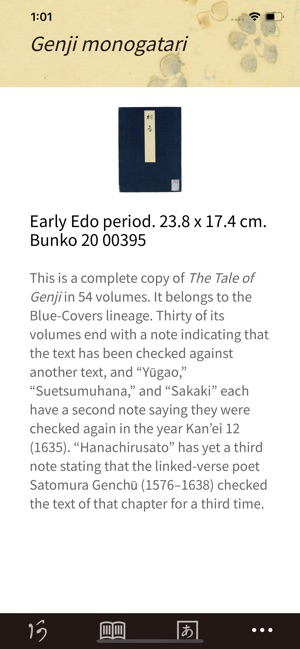
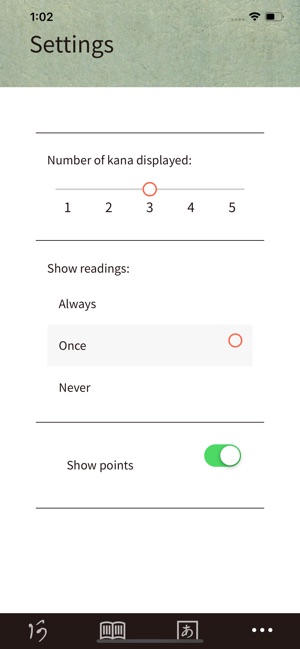
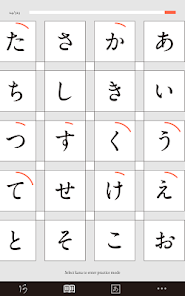
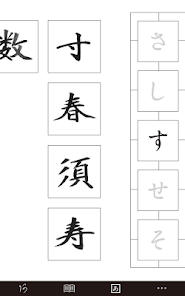
The Hentaigana App, a collaboration between UCLA and Waseda University, delivers pedagogical content on premodern Japanese "variant kana." The system presents calligraphic characters sourced directly from historical manuscripts. Its interface facilitates a flashcard-based learning module, allowing each kana to be manipulated to reveal its parent kanji (jibo) and modern phonetic equivalent. The application incorporates a progress tracker, customizable practice sets, and an interactive dictionary to support focused acquisition of paleographic skills.
Evidence & Research Context
- The app originated as the foundational tool of the HYU:MA (Humanities Macroscope) project, a digital history initiative between UCLA and Waseda University.
- Associated research details its primary design objective: to enable scholars and students to engage directly with original historical manuscripts rather than relying on modernized, typeset editions.
- The application's development is presented in the research literature as a successful model for library-supported projects that deliver accessible instructional methods in Japanese digital humanities.
Intended Use & Scope
This application is designed for researchers, students, and specialists in Japanese humanities, art history, and paleography. Its primary utility is as a specialized pedagogical tool for developing foundational literacy in premodern Japanese scripts. The app does not provide comprehensive linguistic instruction; its scope is limited to the identification of hentaigana and their etymological origins, requiring consultation with other scholarly resources for advanced analysis.
Studies & Publications
Peer-reviewed research associated with this app.
YU: MA—A model for library-supported projects in Japanese digital history
Broadwell et al. (2016) · JADH Conference Proceedings
Describes the research-driven development of this appIn the Media
Apps and Tools
The Japan Foundation's digital resources platform features The Hentaigana App among a collection of tools for exploring Japanese art, culture, and language learning. The platform serves as a gateway to various educational resources including Google Arts & Culture Japan, Japanese Conjugation Practice, and the Ukiyo-e Search database containing over 220,000 online records. These digital tools provide comprehensive access to Japanese cultural and linguistic education resources.
Tadashi Yanai gives $31 million to support hub for Japanese humanities research at UCLA
Japanese philanthropist Tadashi Yanai committed $31 million to UCLA's College Division of Humanities to support the Japan Past & Present initiative, which positions UCLA as a leading center for Japanese humanities studies globally. The gift, described as the largest in the division's history, aims to bolster UCLA's standing and elevate the field of Japanese humanities worldwide. The initiative includes support for projects like The Hentaigana App for studying classical Japanese characters.
The Hentaigana App
Waseda University Faculty of Letters, Arts and Sciences developed The Hentaigana App to teach users 327 non-standard kana characters (hentaigana) found in The Tale of Genji and other premodern Japanese literature, using game-like mechanics. The app includes an interactive dictionary showing all hentaigana and their parent characters (jibo), along with functions to track progress and practice particular syllable sets. An English version developed by UCLA was planned for future release.
Learn how to read The Tale of Genji and other Japanese literature classics with this free-to-use Hentaigana Application
Waseda University Faculty of Letters, Arts and Sciences released The Hentaigana App as a free application for Android and iOS devices to help users learn 327 non-standard kana characters found in The Tale of Genji and other premodern Japanese literature. The app, described as "a landmark opportunity for users to discover the beauty of classical Japanese characters," utilizes game-like mechanics to make learning traditional kana accessible. UCLA developed an English version of the application for future release.
App Information
Category
Evidence Profile
Published in academic literature
Platforms
Updated
Jul 2020
© 2025 University of California, Los Angeles