AppsFromResearch
TRANSEPTAID icon

TRANSEPTAID

Evidence Tier:EVALUATED

Assessed for usability and quality

For:Clinicians & Healthcare ProfessionalsStudents

App Summary

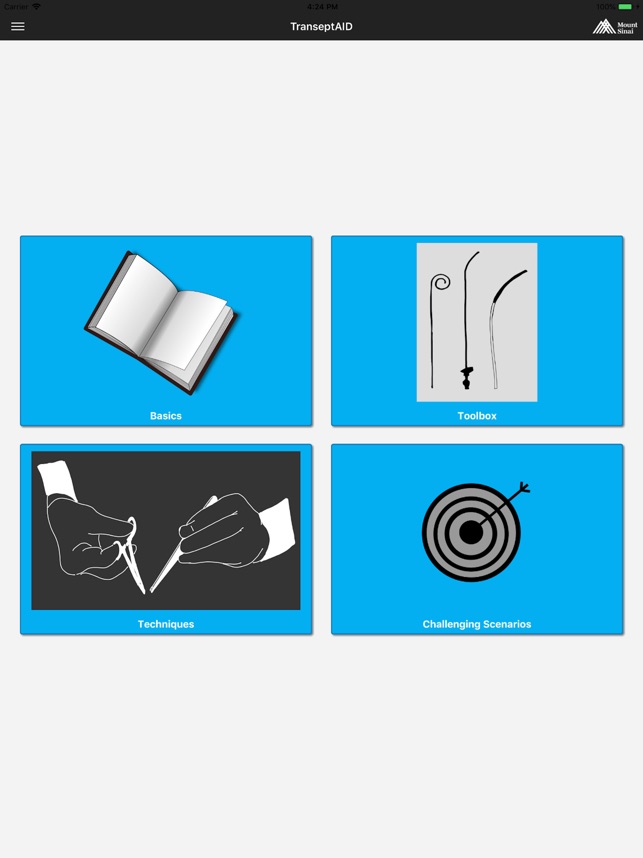
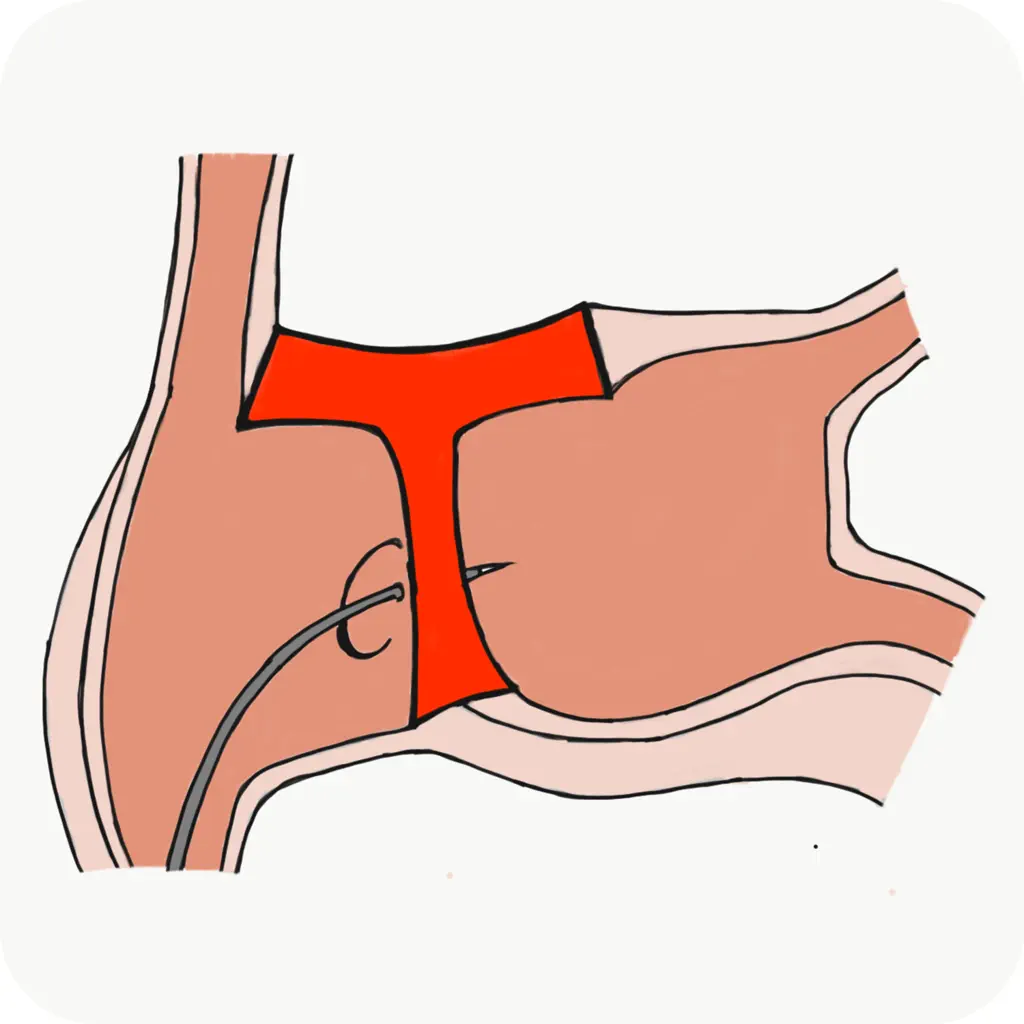
TRANSEPTAID is an educational tool for clinicians that provides step-by-step illustrated guidance on performing transseptal puncture procedures. The associated research on the development of a suite of similar cardiology training apps reports significant global adoption, with over 50,000 downloads and highly favorable user ratings (4.4/5) for functionality and organization. The authors conclude that such digital platforms reflect a successful shift towards hybrid learning models, serving as a valuable complement to traditional medical education resources.

App Screenshots

TRANSEPTAID screenshot 1 of 6TRANSEPTAID screenshot 2 of 6TRANSEPTAID screenshot 3 of 6TRANSEPTAID screenshot 4 of 6TRANSEPTAID screenshot 5 of 6TRANSEPTAID screenshot 6 of 6

Detailed Description

Functionality & Mechanism

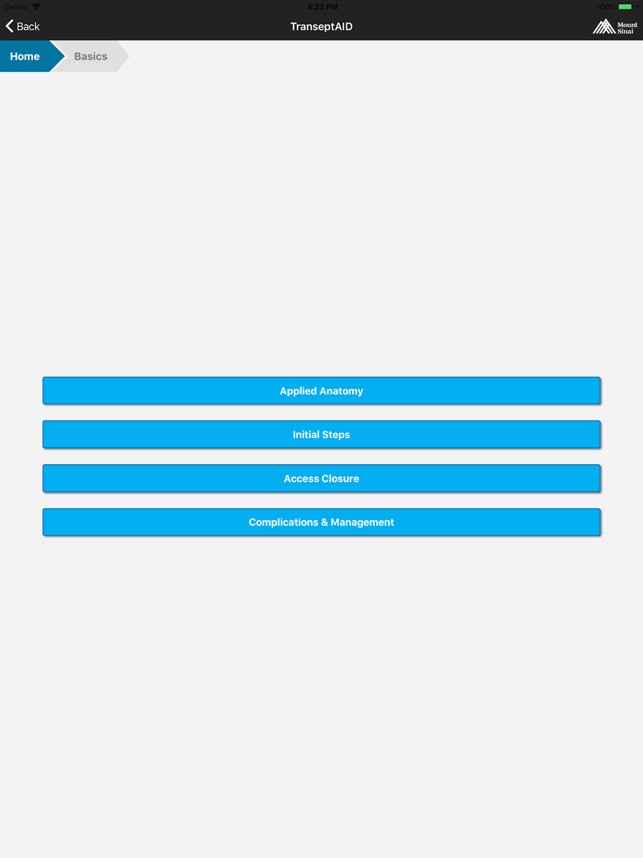
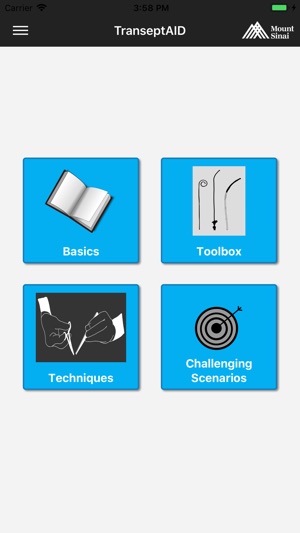
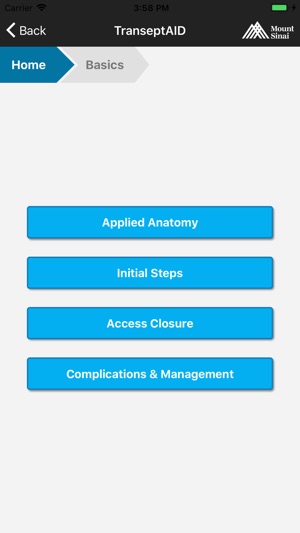
Developed by the Mount Sinai Heart interventional cardiology department, TRANSEPTAID functions as a specialized procedural education platform. The application delivers step-by-step illustrated guidance on the technical execution of transseptal puncture for various cardiac interventions. The interface is designed for rapid point-of-reference access within a clinical or training environment. Its modules systematically present the critical stages and technical considerations of the procedure, from anatomical review to device manipulation and troubleshooting.

Evidence & Research Context

  • TRANSEPTAID is part of a suite of cardiology education apps that has achieved significant global adoption, with over 50,000 downloads across more than 150 countries.
  • An associated evaluation of the app platform found that 87% of surveyed clinician users rated its organization and functionality favorably (mean score: 4.4/5).
  • The associated research positions the platform as a digital resource intended to complement, rather than replace, traditional textbook-based medical education and direct procedural training.

Intended Use & Scope

This application is intended for cardiology fellows, interventional cardiologists, and cardiac catheterization laboratory clinicians. Its primary utility is as a reference and training-support tool to reinforce procedural knowledge. TRANSEPTAID does not provide patient-specific guidance and is not a substitute for supervised clinical training, hands-on experience, or established institutional protocols.

Studies & Publications

1 publication

Peer-reviewed research associated with this app.

Usability Study

The Future of Education in Cardiology: Development and Utilization of a Novel App-Based Educational Platform

Koshy et al. (2023) · JACC: Advances

Users found the apps well-organized and functional, with 87% favorable ratings across 50,000 downloads.

Background: The "tech-celeration" of digital learning has highlighted the potential of Mobile health (mHealth) applications to provide innovative, "on-the-go" medical education. However, the utilization and impact of such platforms in the field of cardiology remain understudied. Methods: This study reports on the development and real-world utilization of a suite of eight educational apps developed by the Mount Sinai Heart interventional cardiology department. These apps include GuidewireAID (a searchable library of guidewires and microcatheters), BifurcAID (algorithms for bifurcation lesions), OCTAID, CalcificAID, and others. The authors analyzed global download metrics and conducted a survey to evaluate clinician attitudes, app functionality, ease of use, and the role of digital tools in modern medical education. Results: The educational platform achieved significant global uptake, with over 50,000 downloads across more than 150 countries. Survey data revealed that over 87% of respondents rated the apps favorably (4.4/5) for their organization and functionality. A majority of participants perceived digital learning as complementary to, rather than a replacement for, traditional textbook-based resources. Furthermore, the study observed a distinct increase in the use of digital educational technologies following the COVID-19 pandemic. Conclusions: The findings demonstrate the successful global implementation of digital cardiology education platforms like GuidewireAID, reflecting a shift towards hybrid learning models in medical training. The authors highlight the need for future research to assess the long-term impact of multimedia content on knowledge retention and the importance of establishing quality standards for digital learning resources.
... Read More

TRANSEPTAID

Free