
TxCOPE
Published in academic literature
App Summary
App Screenshots


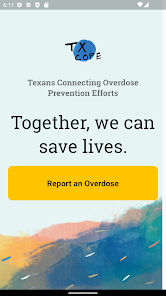
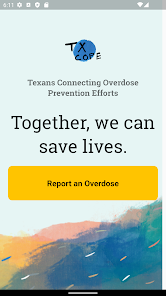
Detailed Description
Functionality & Mechanism
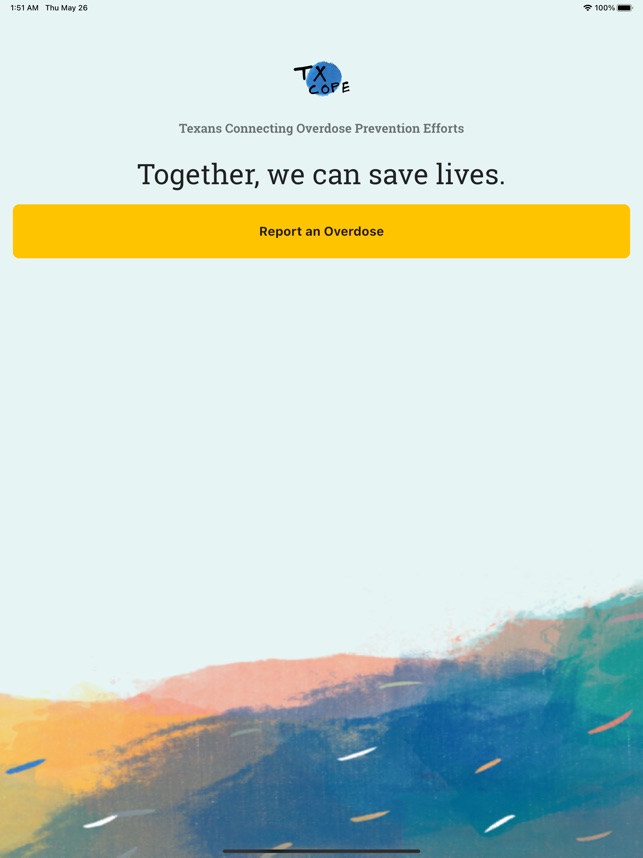
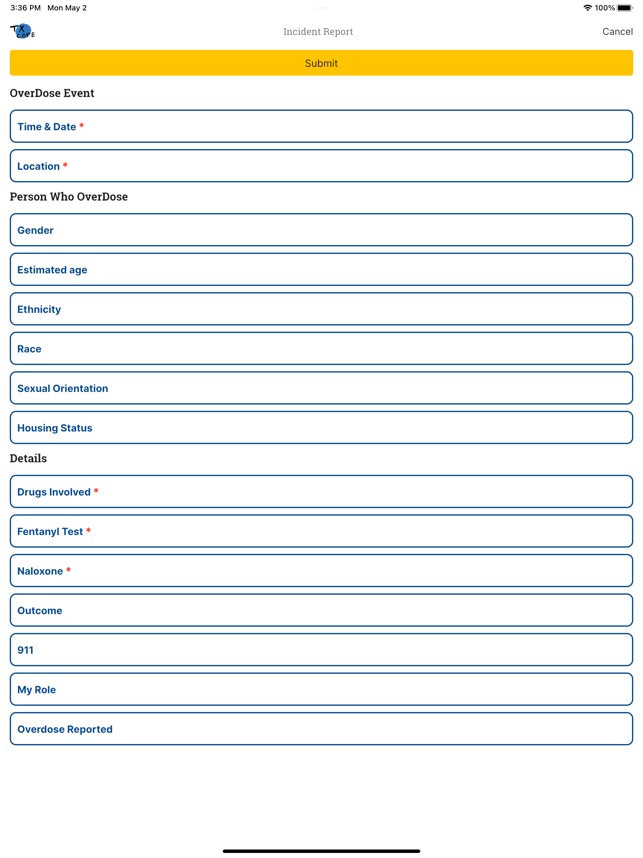
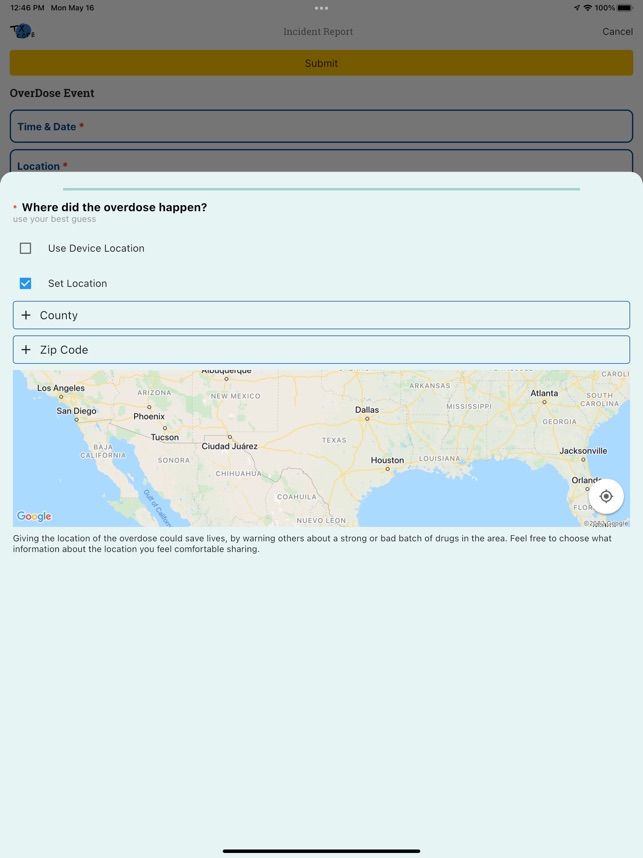
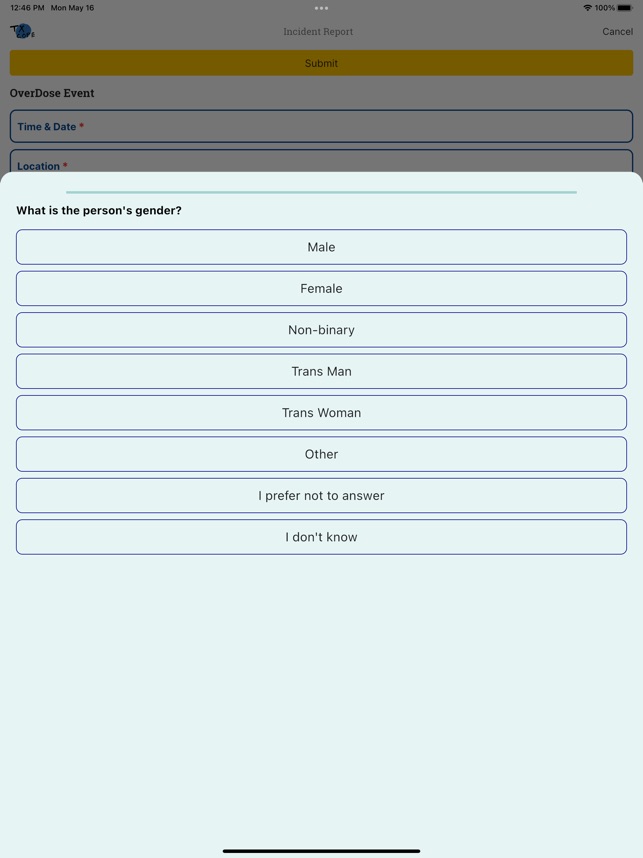
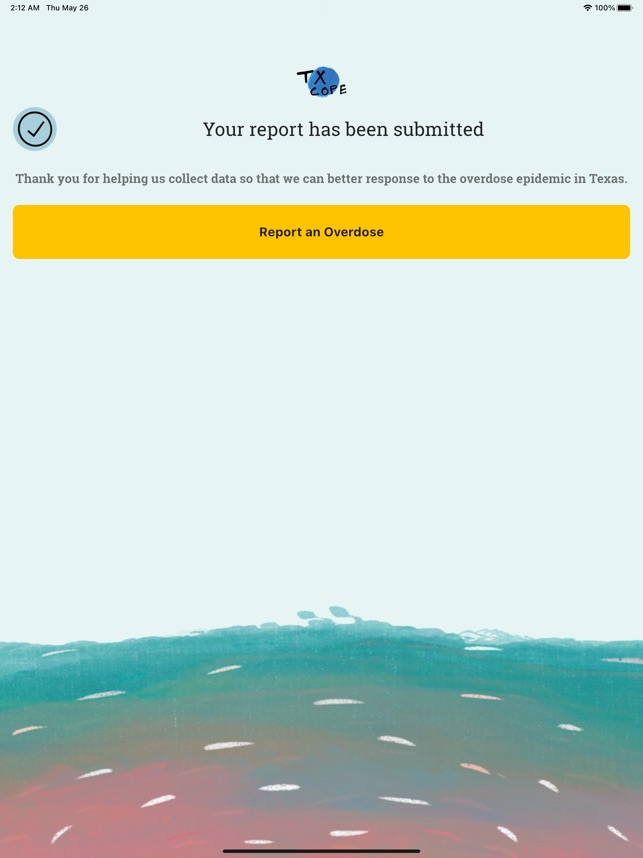
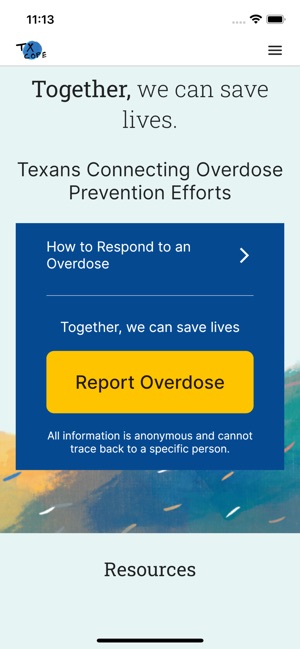
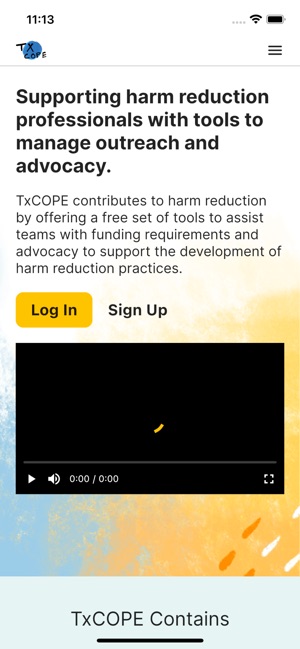
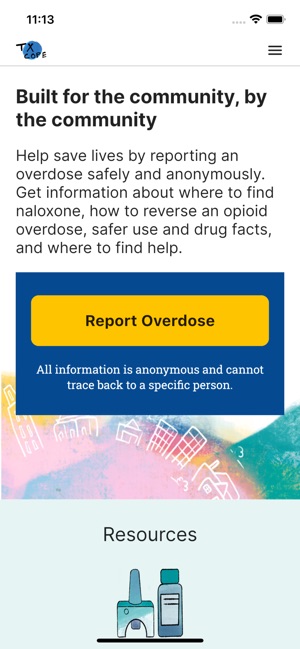
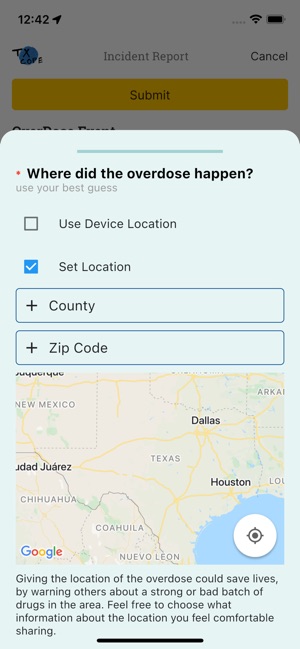
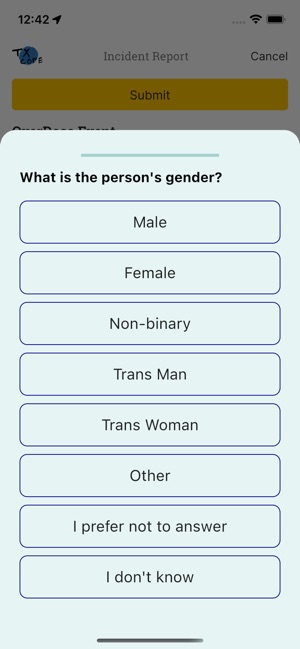
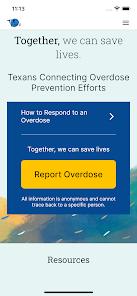
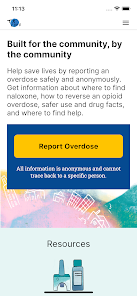
TxCOPE is a digital surveillance platform engineered to facilitate community-based reporting of overdose incidents in Texas. The system enables harm reduction organizations, first responders, and community members to submit anonymous reports on fatal and non-fatal overdoses, particularly those not captured by emergency response channels. The interface is designed for flexible data entry, including offline usage, and aggregates information into a real-time dashboard. This data stream is structured to inform more accurate public health response and strategic resource allocation.
Evidence & Research Context
- The platform's architecture is detailed in development and design protocol papers grounded in a community-engaged, user-centered research process.
- Formative research involved qualitative interviews with key stakeholders (N=74), including people who use drugs, harm reductionists, and first responders, to define system requirements.
- Stakeholder analysis established the need for a unified, multilingual reporting system that ensures user anonymity, data transparency, and protection from legal repercussions.
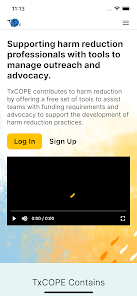
- The design protocol specifies a real-time dashboard tailored to community organizations, designed to visualize overdose trends and guide outreach efforts.
Intended Use & Scope
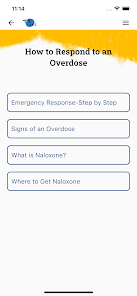
This platform is intended for use by harm reduction organizations, first responders, and community members as a public health surveillance tool. Its primary utility is to capture supplemental data on overdose events to improve the accuracy of regional surveillance. This system does not provide medical advice, dispatch emergency services, or function as a substitute for clinical care or official emergency reporting.
Studies & Publications
Peer-reviewed research associated with this app.
Development of a digital platform to improve community response to overdose and prevention among harm reduction organizations
Claborn et al. (2022) · Harm Reduction Journal
Describes the research-driven development of this appEthical by Design: Engaging the Community to Co-design a Digital Health Ecosystem to Improve Overdose Prevention Efforts Among Highly Vulnerable People Who Use Drugs
Claborn et al. (2022) · Frontiers in Digital Health
Describes the research-driven development of this appIn the Media
TxCOPE partnership named 2025 Google Cloud Social Impact Partner of the Year for Crisis Response and Resilience
The TxCOPE partnership received the 2025 Google Cloud Social Impact Partner of the Year award for Crisis Response, recognizing the Steve Hicks School of Social Work's efforts in addressing challenging human issues from an interdisciplinary perspective. The award honors the program's work in tackling social problems and conducting research to face tomorrow's challenges through innovative overdose prevention and data tracking. The recognition highlights TxCOPE's impact on changing people's lives for the better through technology-enabled social work.
TxCOPE in the News - Dallas Morning News Fentanyl Series - Addiction Research Institute
The Dallas Morning News featured TxCOPE lead researcher Dr. Kasey Claborn in their fentanyl series, highlighting her efforts to bring the overdose data tracking mission across Texas. TxCOPE serves as "a front-runner at a national level" in overdose prevention, helping agencies report and track overdoses in their communities. The program addresses delays in data collection that hamper timely overdose prevention responses statewide.
New overdose data collection app from UT launches in Texas
UT's Project CONNECT launched the TxCOPE app in Texas to maintain a comprehensive system of overdose data, as overdoses are significantly underreported through traditional state data collection from medical records and law enforcement. The app allows anyone to anonymously report any overdose, which is collected in a secure data warehouse to inform harm reduction efforts. According to the project, "TxCOPE is designed to not only collect data on fatal overdoses, but to understand non-fatal overdoses" for comprehensive prevention strategies.
UT researchers are gathering data to prevent drug overdoses in Texas
University of Texas researchers launched Texans Connecting Overdose Prevention Efforts (TxCOPE) to track and prevent overdoses throughout Texas, where about 5,000 people died of drug overdoses last year. According to lead researcher Kasey Claborn, assistant professor at UT's Dell Medical School and Steve Hicks School of Social Work, up to 70 percent of overdosesâmost nonfatalâgo unreported in the state. The program aims to change that through comprehensive data collection and prevention efforts.
UT Austin researchers are creating a statewide system to track drug overdoses
UT Austin researchers launched Project CONNECT to track drug overdoses across Texas as opioid and other overdoses rise, with Texas seeing about a 30% increase during the COVID-19 pandemic. The platform aims to provide a more complete understanding of the state's overdose crisis and help guide solutions, addressing a lack of consistent and accurate data collection. The statewide system represents the first comprehensive effort to systematically track overdose incidents throughout Texas.
First Digital Platform to Track and Prevent Drug Overdoses in Texas Launches
The University of Texas at Austin's Dell Medical School and Steve Hicks School of Social Work led an interdisciplinary team to create Project CONNECT, a digital reporting and surveillance system tracking drug overdoses statewide as rates rise in Texas. The program provides the first statewide system to collect overdose data in Texas, aiming to offer a more complete picture of the overdose crisis. The platform was developed by developers, designers, clinical partners, and researchers working collaboratively.
App Information
Developer
University of Texas at AustinCategory
Evidence Profile
Published in academic literature
Platforms
Updated
May 2024
© 2025 University of Texas at Austin