
USDA PPRL
Published in academic literature
App Summary
App Screenshots
Detailed Description
Functionality & Mechanism
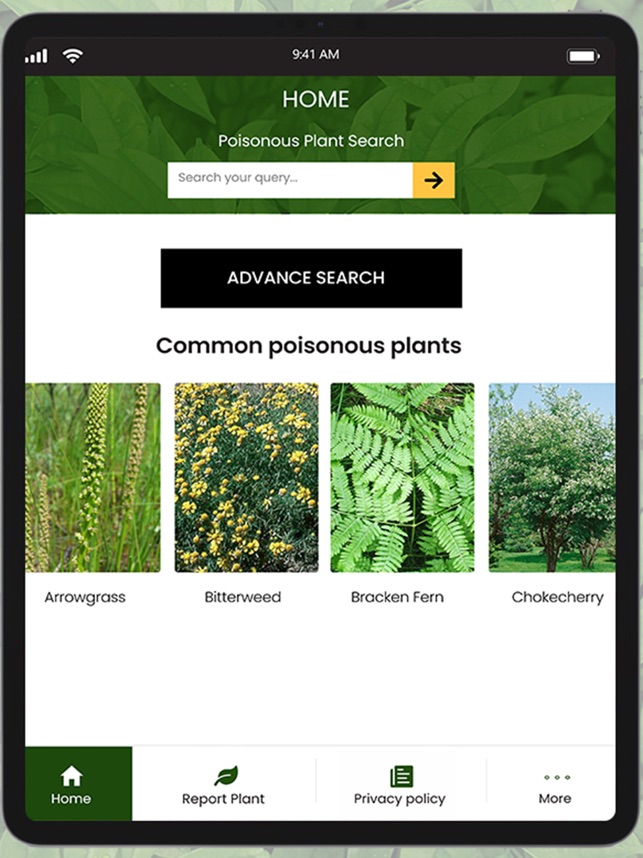
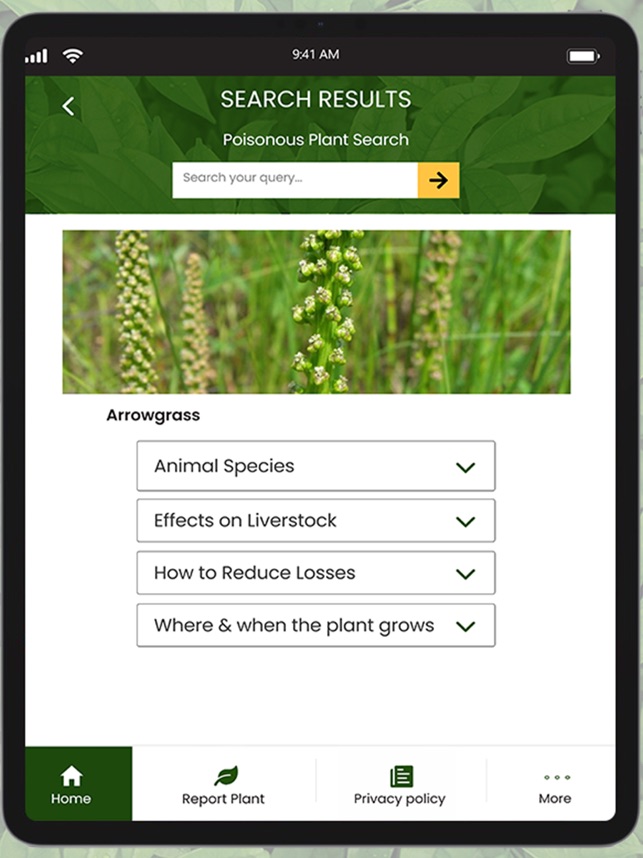
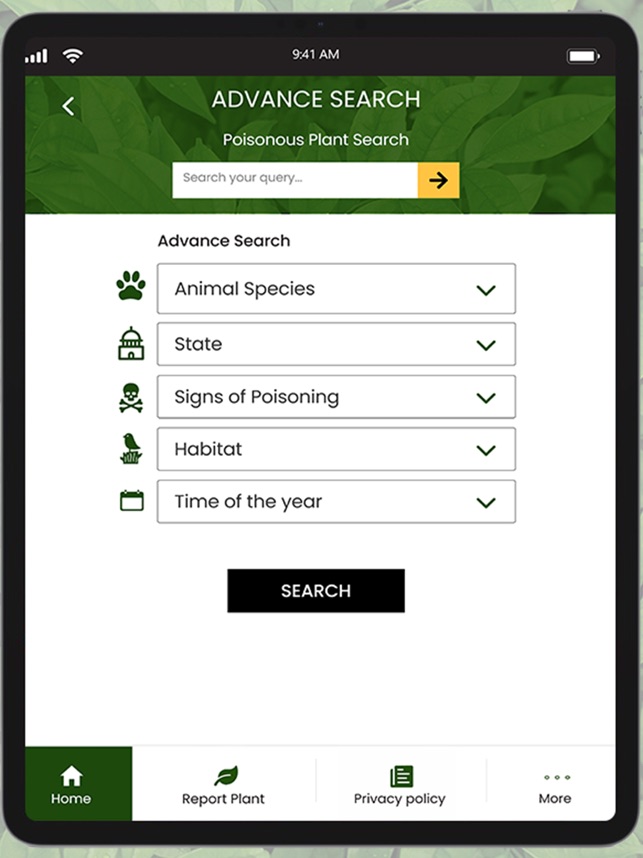
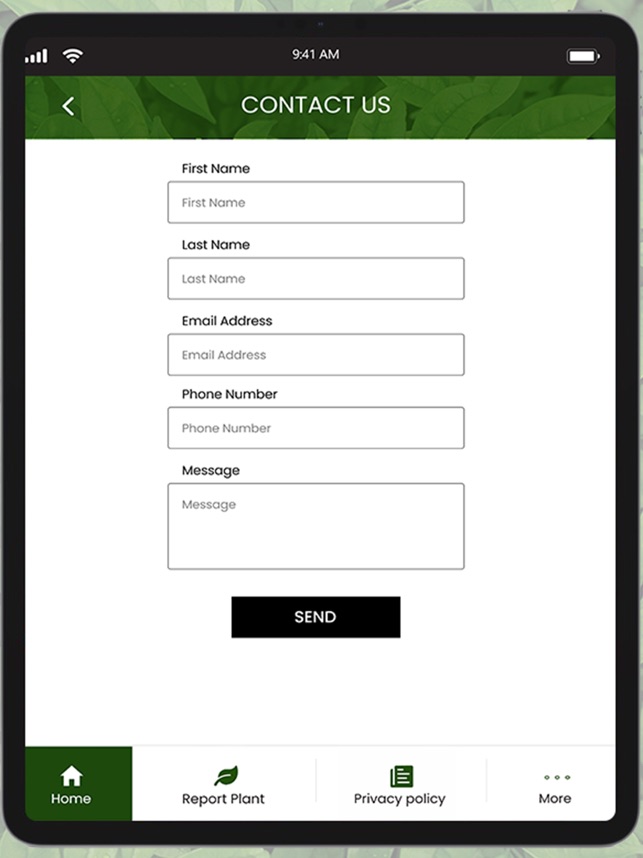
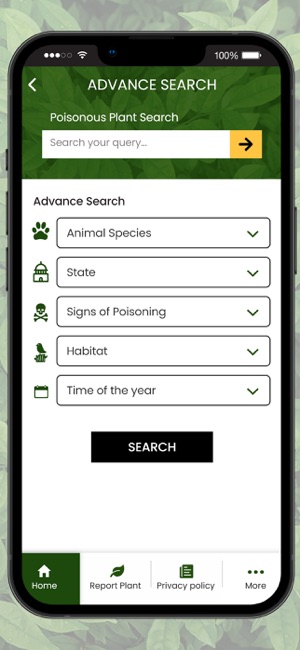
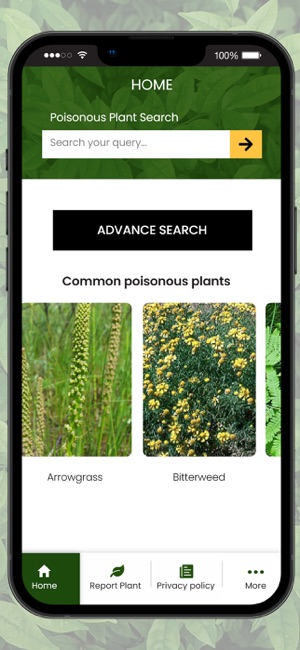
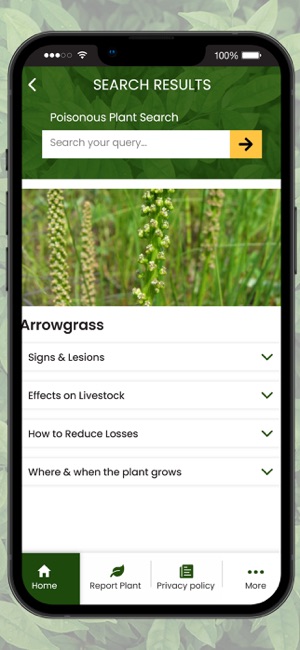
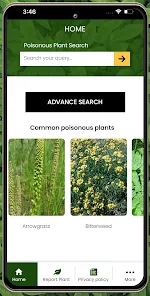
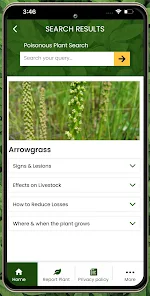
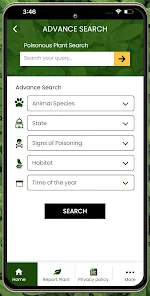
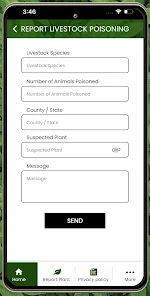
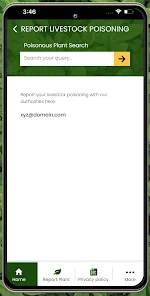
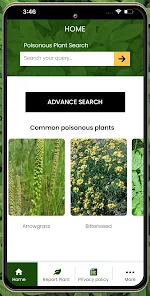
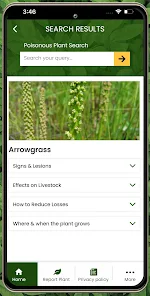
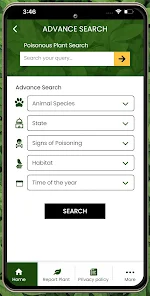
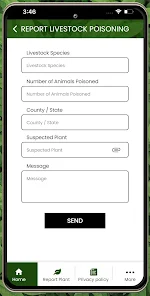
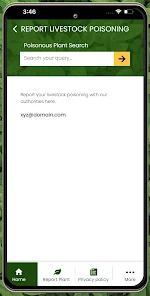
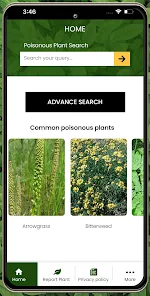
Developed by the USDA Poisonous Plant Research Laboratory (PPRL), this application functions as a mobile reference guide. It leverages content from Agriculture Information Bulletin No. 415, enabling users to search for detailed information on poisonous plants and their associated livestock poisoning symptoms. The interface is structured for rapid plant identification based on visual and textual data. A dedicated module also facilitates the direct submission of suspected livestock poisoning reports to the PPRL for expert review and data collection.
Evidence & Research Context
- The application's core content is derived from Agriculture Information Bulletin No. 415, which synthesizes federal research on over 30 principal poisonous plants affecting western rangelands.
- The associated research documents that poisonous plants adversely affect 3% to 5% of cattle, sheep, and horses grazing these ranges, causing significant economic losses.
- The app is developed and maintained by the USDA-ARS Poisonous Plant Research Laboratory, a federal institution with a mission to identify plant toxins and develop management strategies.
- The laboratory's interdisciplinary research provides the scientific foundation for the information delivered through the application, supporting veterinarians, producers, and land managers.
Intended Use & Scope
This tool is designed for livestock producers, ranchers, and agricultural professionals as a preliminary field reference for plant identification and risk assessment. Its primary utility is to augment awareness and support initial decision-making. The application is not a substitute for formal veterinary diagnosis, toxicological analysis, or definitive botanical identification of plant species. Professional consultation is required for animal treatment.
Studies & Publications
Peer-reviewed research associated with this app.
The good and the bad of poisonous plants: an introduction to the USDA-ARS Poisonous Plant Research Laboratory
Welch et al. (2012) · Journal of Medical Toxicology
Referenced in academic literature; no direct evaluation of the appPlants Poisonous to Livestock in the Western States (Agriculture Information Bulletin No. 415)
Panter et al. (2011)
Referenced in academic literature; no direct evaluation of the appIn the Media
USDA Mobile App Solution
App Maisters developed a USDA mobile app solution in collaboration with the department, though specific details about the application's functionality are limited in available documentation. The project represents a partnership between the technology company and USDA for mobile application development. The website indicates users' acceptance of cookies for optimal experience.
Mobile Payments Solution for SNAP Authorized Farmers
The USDA Food and Nutrition Service administers all USDA domestic nutrition assistance programs, including SNAP (Supplemental Nutrition Assistance Program), the largest program in the domestic hunger safety net. SNAP provides nutrition assistance benefits via electronic benefit transfer (EBT) cards to millions of low-income people, helping supplement household food budgets so recipients can purchase healthy food. The cornerstone program enables better nutrition access for vulnerable populations.
App Information
Developer
Utah State UniversityCategory
Evidence Profile
Published in academic literature
Platforms
Updated
Dec 2024
© 2025 Utah State University