
Yoga in Cancer Care
Published in academic literature
App Summary
App Screenshots
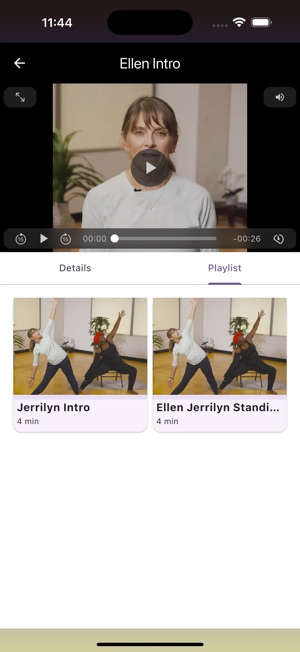
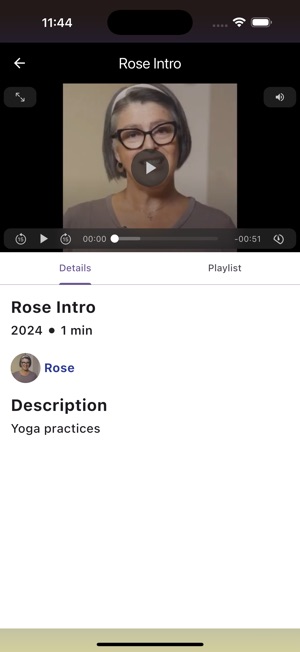
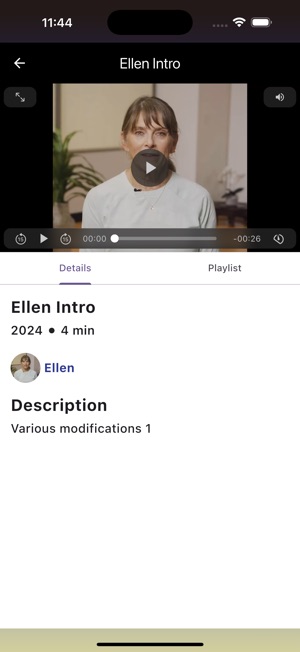
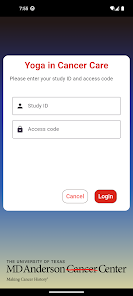
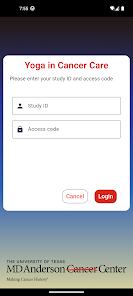
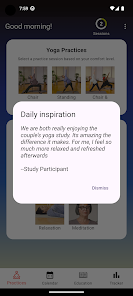
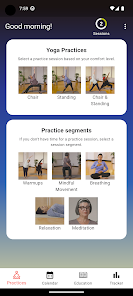
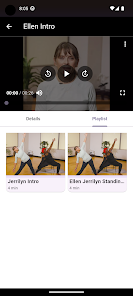
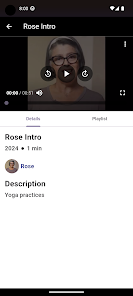
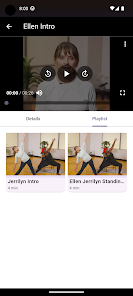
Detailed Description
Functionality & Mechanism
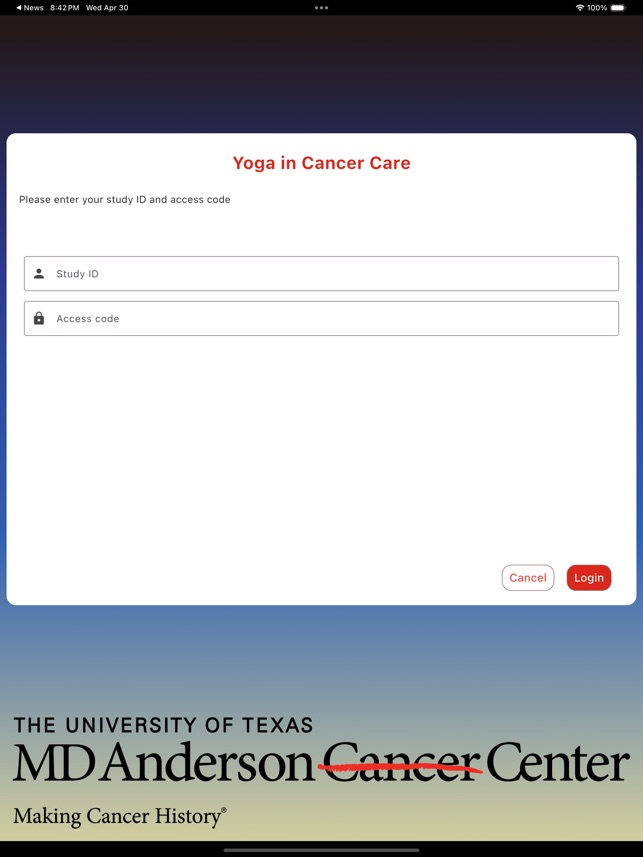
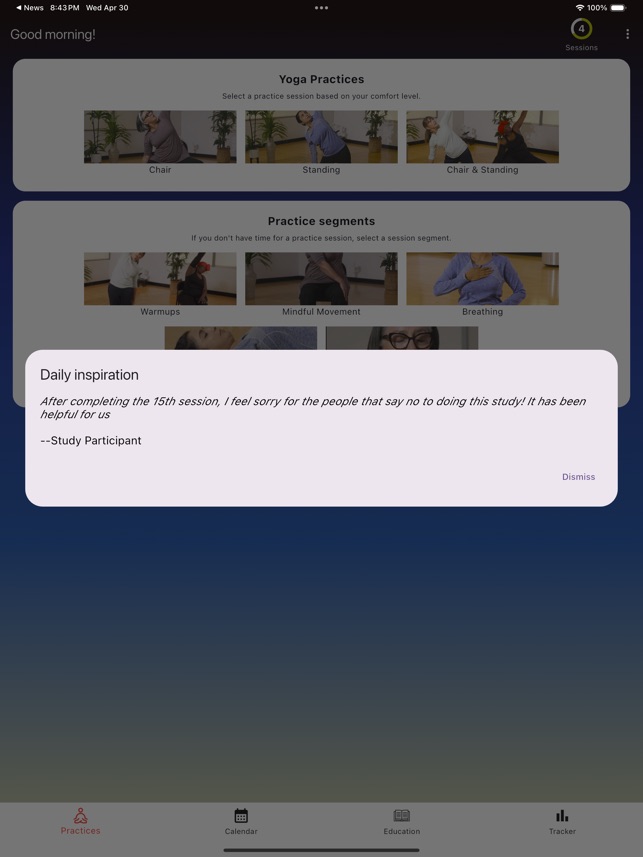
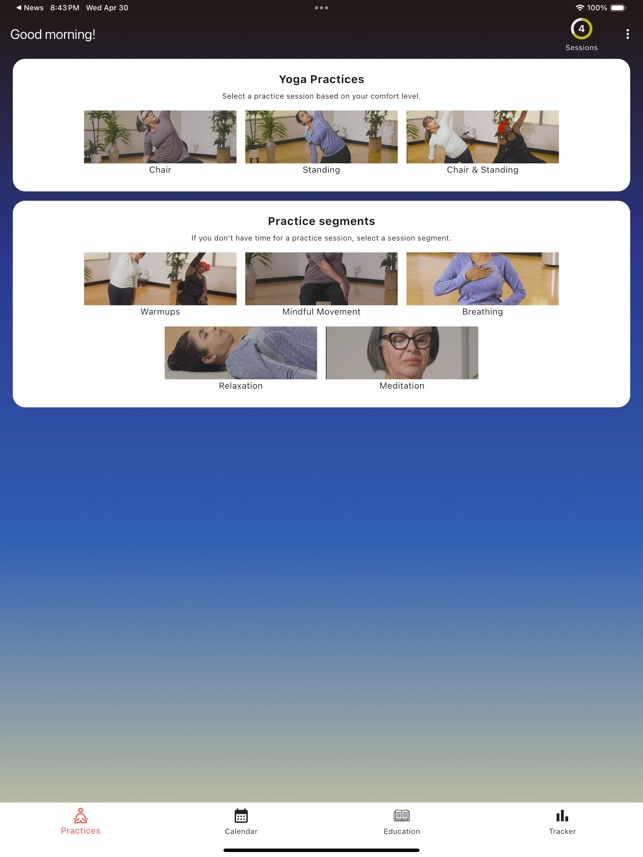
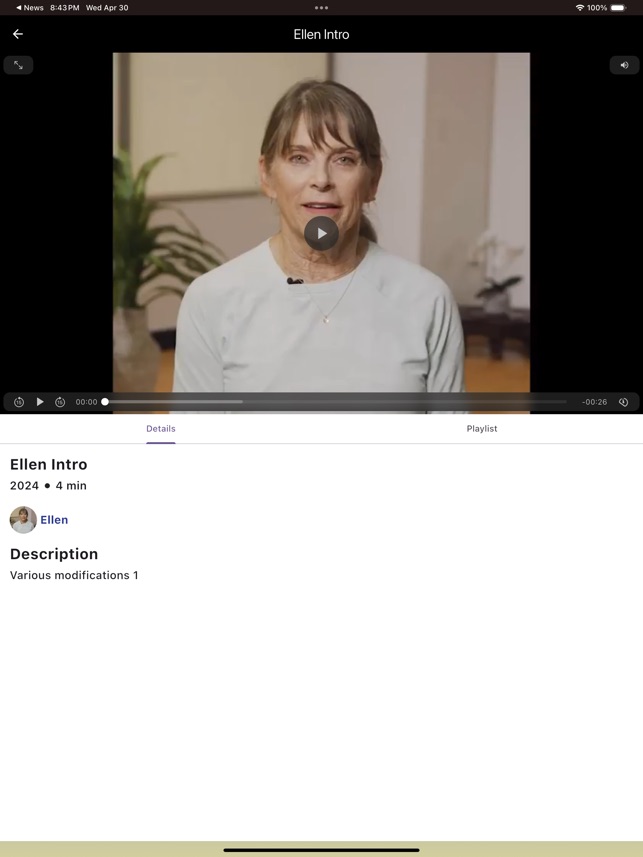
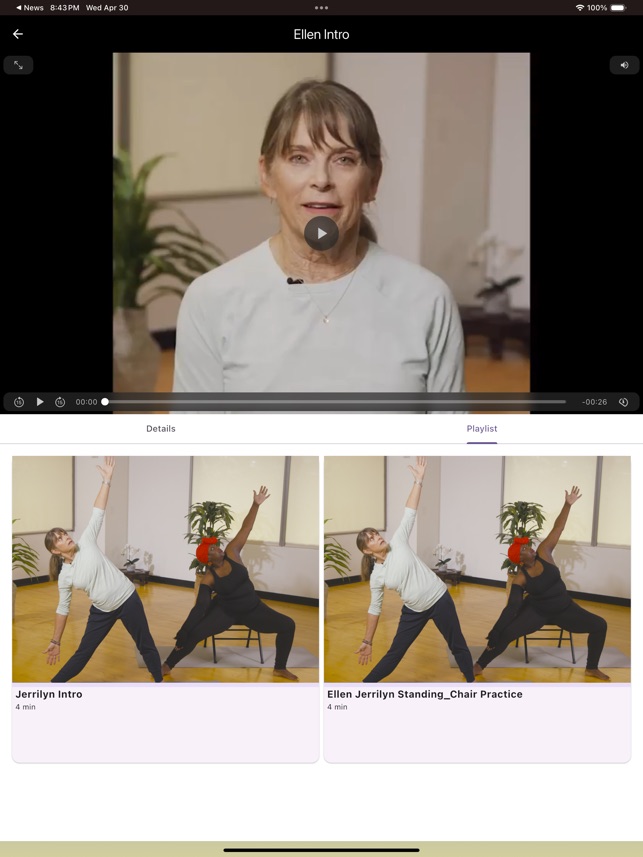
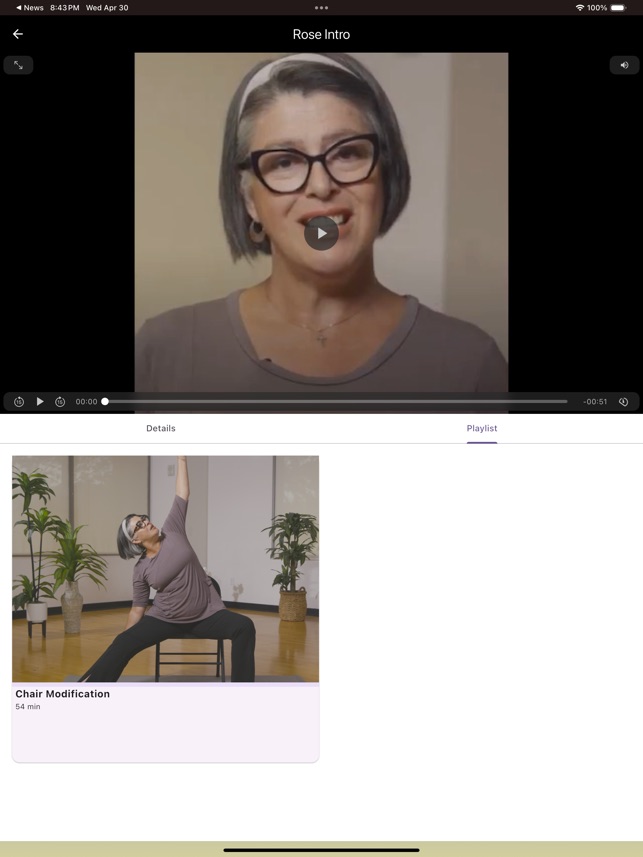
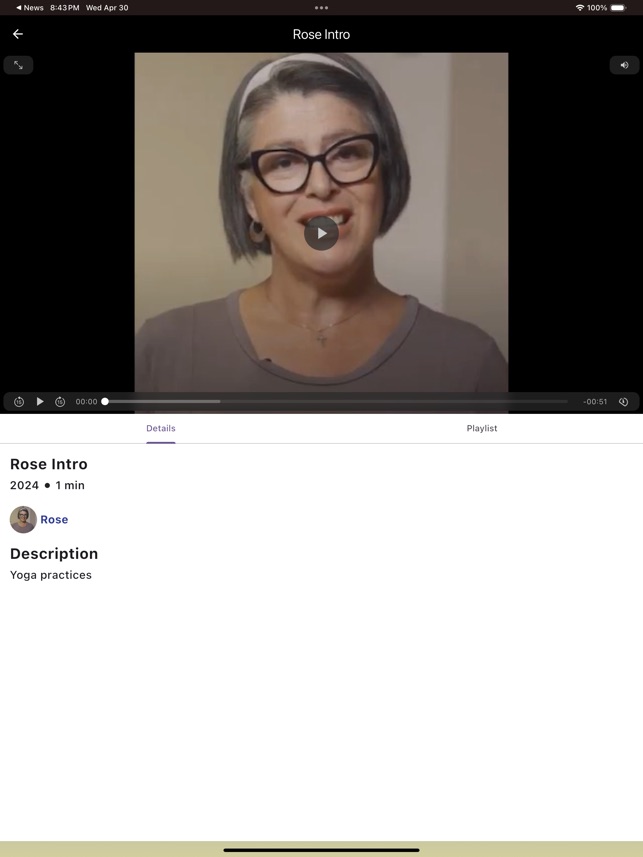
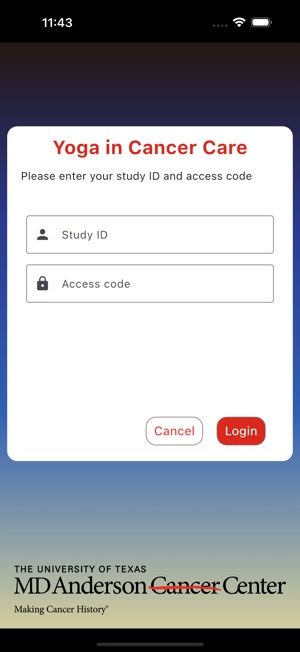
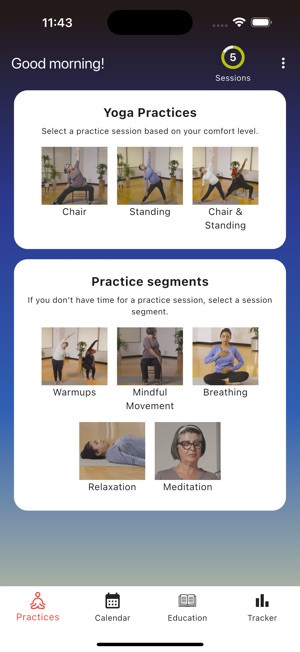
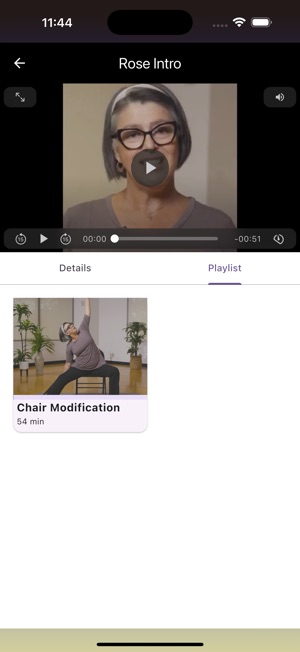
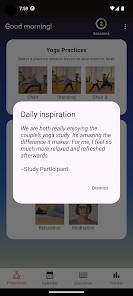
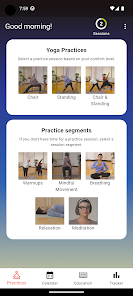
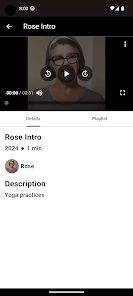
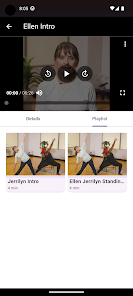
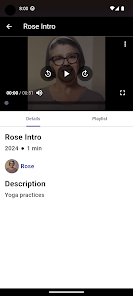
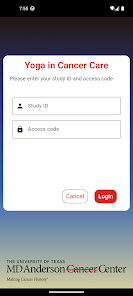
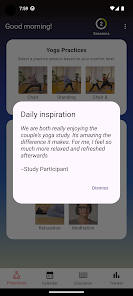
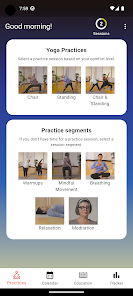
The Yoga in Cancer Care system delivers guided yoga sessions specifically developed for patients undergoing radiation therapy for lung and esophageal cancer. The interface provides detailed audio and visual instruction for practices created by certified yoga therapists. Sessions are segmented into modules, including Joint Loosening, Mindful Movements, Breathing Practice, and Meditation, allowing for flexible scheduling. An integrated log facilitates the tracking of completed practices, while audio-only options are available for guided relaxation.
Evidence & Research Context
- The application was reportedly developed and evaluated in a randomized controlled trial involving patients receiving radiation treatment for thoracic cancers.
- Associated research articulates the role of yoga as an evidence-based, nonpharmacologic mind-body intervention to mitigate chronic stress and manage symptoms in oncologic care.
- Clinical practice guidelines from the Society for Integrative Oncology/ASCO and the National Comprehensive Cancer Network (NCCN) recommend yoga for managing cancer-related fatigue and distress.
- The scientific literature supports low-intensity yoga as a safe and effective modality for reducing anxiety, sleep disturbance, and nausea among cancer patients.
Intended Use & Scope
This application is designed for patients as an adjunct therapy for managing the physical and psychological symptoms associated with cancer treatment. It provides structured, low-intensity mind-body practices to support well-being. The system is not a substitute for medical treatment or clinical guidance. Users should consult their healthcare provider before initiating any exercise program.
Studies & Publications
Peer-reviewed research associated with this app.
Yoga in Oncologic Care: An Evidence-Based Treatment to Improve Outcomes
Cohen et al. (2021) · The ASCO Post
Referenced in academic literature; no direct evaluation of the appApp Information
Category
Evidence Profile
Published in academic literature
Platforms
Updated
Oct 2025
© 2025 University of Texas MD Anderson Cancer Center