AppsFromResearch
BGC Next icon

BGC Next

Evidence Tier:VALIDATED

Initial evidence from research studies

For:General Public & Enthusiasts

App Summary

BGC Next is a home-based app from Northeastern University designed to enhance cognitive function through auditory and working memory exercises. The associated research on behavioral interventions found that participants given positive expectations showed larger gains in cognitive function than those given negative expectations, regardless of the training task. The authors conclude that capitalizing on participant expectations and motivation may be a key factor in maximizing the outcomes of cognitive training.

App Screenshots
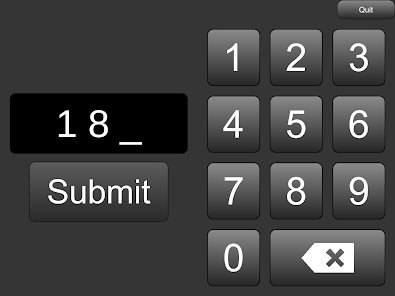
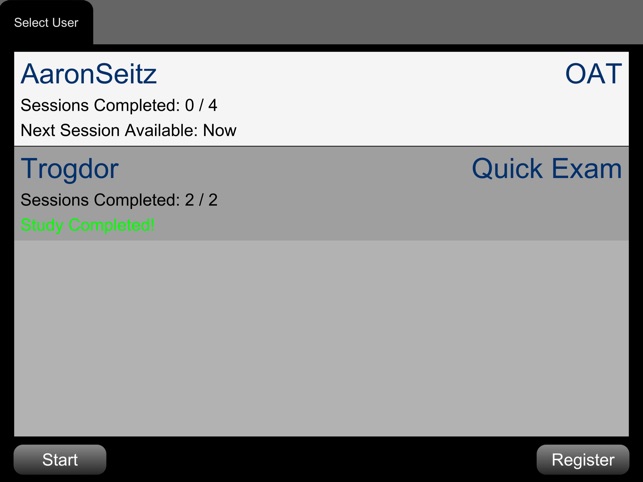
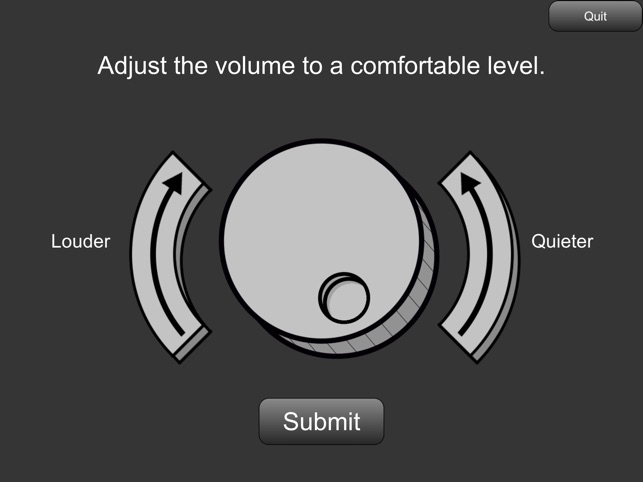
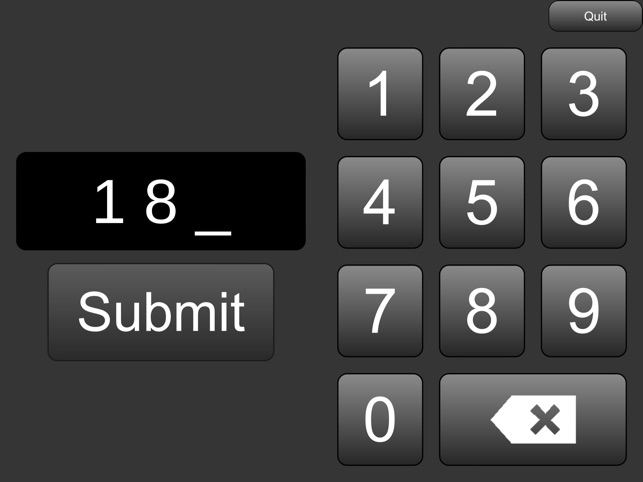
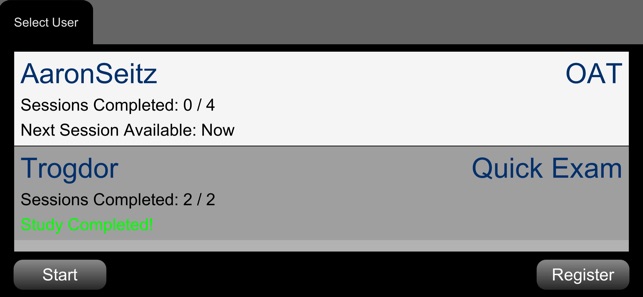
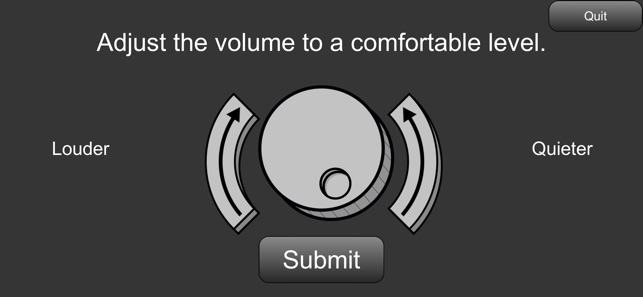
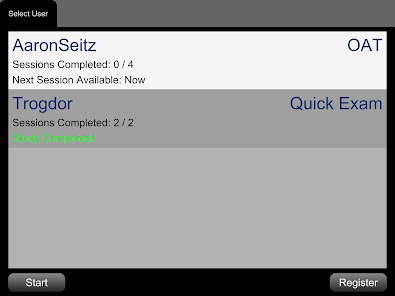
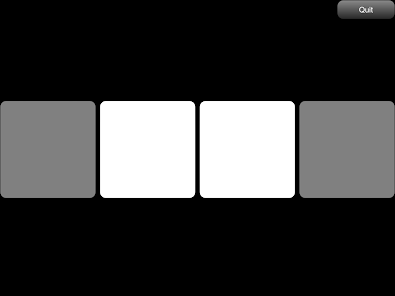
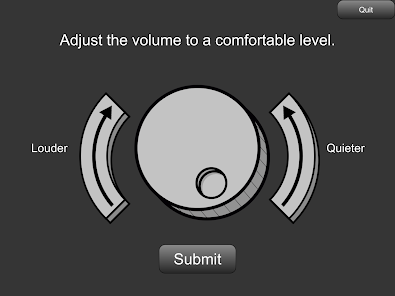
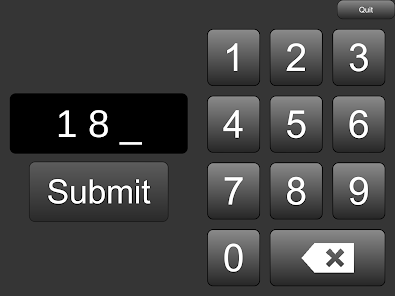
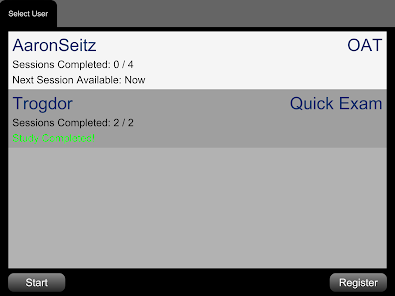
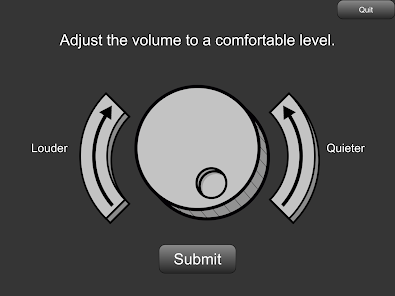
BGC Next screenshot 1 of 25BGC Next screenshot 2 of 25BGC Next screenshot 3 of 25BGC Next screenshot 4 of 25BGC Next screenshot 5 of 25BGC Next screenshot 6 of 25BGC Next screenshot 7 of 25BGC Next screenshot 8 of 25BGC Next screenshot 9 of 25BGC Next screenshot 10 of 25BGC Next screenshot 11 of 25BGC Next screenshot 12 of 25BGC Next screenshot 13 of 25BGC Next screenshot 14 of 25BGC Next screenshot 15 of 25BGC Next screenshot 16 of 25BGC Next screenshot 17 of 25BGC Next screenshot 18 of 25BGC Next screenshot 19 of 25BGC Next screenshot 20 of 25BGC Next screenshot 21 of 25BGC Next screenshot 22 of 25BGC Next screenshot 23 of 25BGC Next screenshot 24 of 25BGC Next screenshot 25 of 25

Detailed Description

Functionality & Mechanism

Developed by the Brain Game Center at Northeastern University, BGC Next is a mobile platform for self-administered auditory and cognitive assessment. The system delivers a suite of cognitive tasks, including working memory training paradigms, designed for at-home use. The interface facilitates the deployment of behavioral training interventions and the capture of performance metrics across sessions, enabling the remote evaluation of cognitive function outside of a traditional laboratory environment.

Evidence & Research Context

  • The platform's design is informed by research investigating behavioral training paradigms for the enhancement of cognitive function.
  • An associated research article from the development team notes that working memory training interventions induce larger gains in cognitive function compared to control tasks.
  • The research also found a main effect of expectation, where participants induced with positive expectations demonstrated larger cognitive gains than those with negative expectations, independent of the training condition.
  • Exploratory analyses indicate that individual characteristics, such as personality and motivation, may moderate the influence of expectations on training outcomes.

Intended Use & Scope

BGC Next is designed for researchers and clinicians for the structured collection of auditory and cognitive performance data. Its primary utility is as a research tool for deploying behavioral interventions and assessments in remote settings. The platform is not a diagnostic instrument and does not provide clinical recommendations; all data require interpretation by a qualified professional.

Studies & Publications

1 publication

Peer-reviewed research associated with this app.

Effectiveness/Outcome Study

Expectation effects in working memory training

Parong et al. (2022) · Proceedings of the National Academy of Sciences

Working memory training and positive expectations each independently improved cognitive performance compared to controls.

There is a growing body of research focused on developing and evaluating behavioral training paradigms meant to induce enhancements in cognitive function. It has recently been proposed that one mechanism through which such performance gains could be induced involves participants' expectations of improvement. However, no work to date has evaluated whether it is possible to cause changes in cognitive function in a long-term behavioral training study by manipulating expectations. In this study, positive or negative expectations about cognitive training were both explicitly and associatively induced before either a working memory training intervention or a control intervention. Consistent with previous work, a main effect of the training condition was found, with individuals trained on the working memory task showing larger gains in cognitive function than those trained on the control task. Interestingly, a main effect of expectation was also found, with individuals given positive expectations showing larger cognitive gains than those who were given negative expectations (regardless of training condition). No interaction effect between training and expectations was found. Exploratory analyses suggest that certain individual characteristics (e.g., personality, motivation) moderate the size of the expectation effect. These results highlight aspects of methodology that can inform future behavioral interventions and suggest that participant expectations could be capitalized on to maximize training outcomes.
... Read More

BGC Next

Free