
Listen - Auditory Training
Initial research evidence · Mixed findings
App Summary
App Screenshots



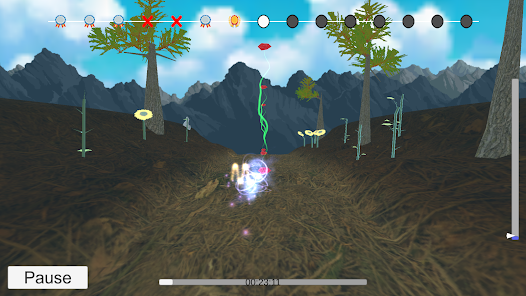
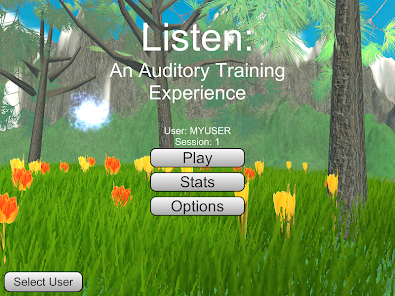
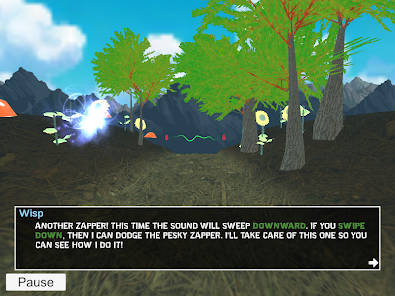

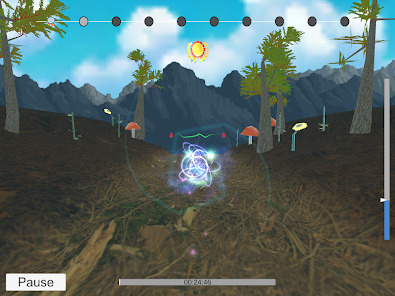
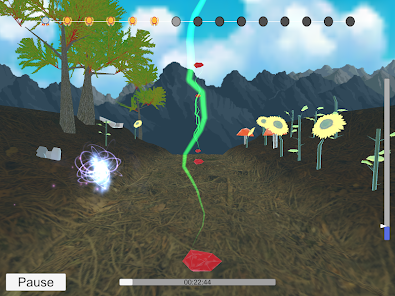
Detailed Description
Functionality & Mechanism
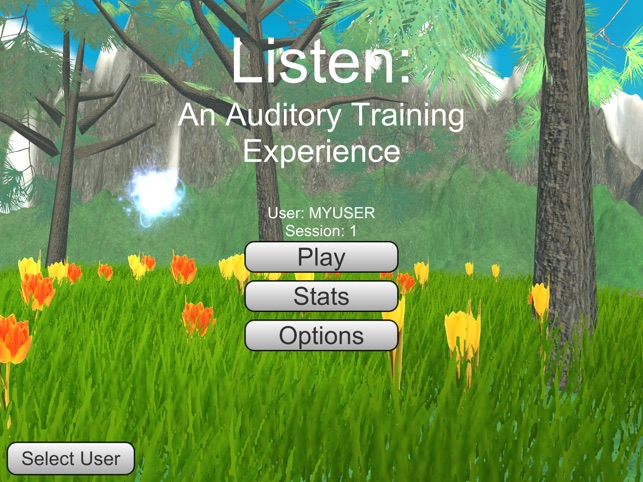
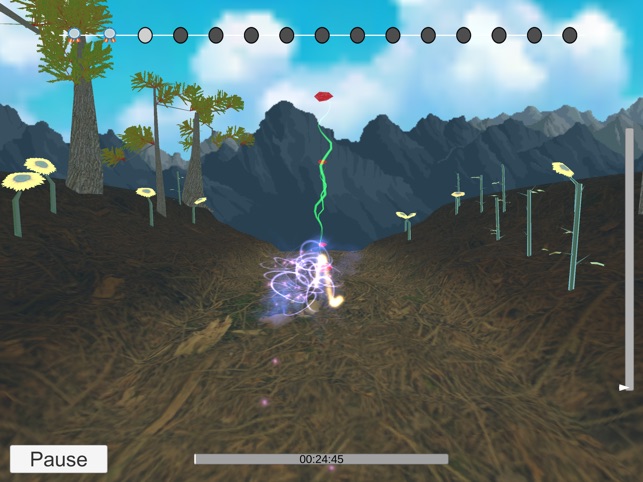
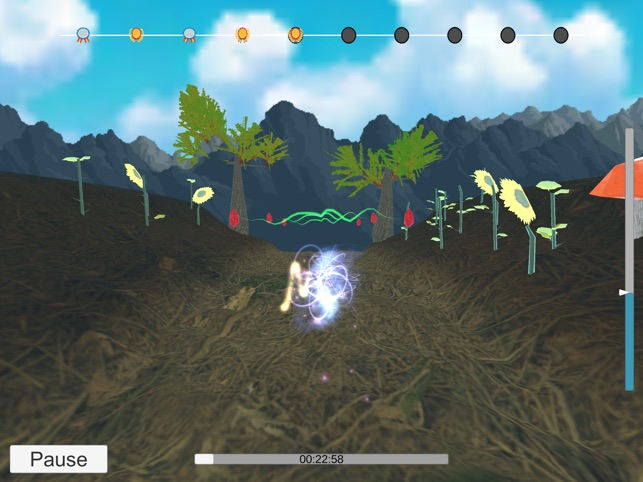
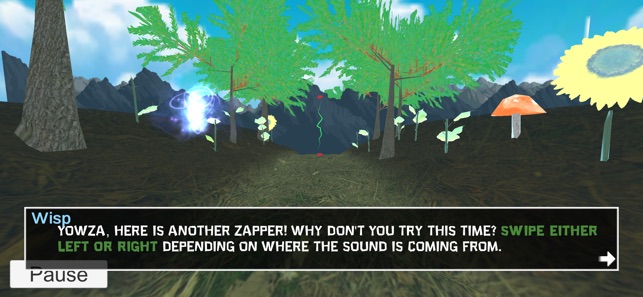
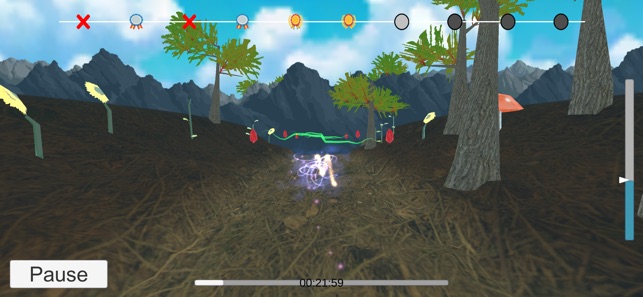
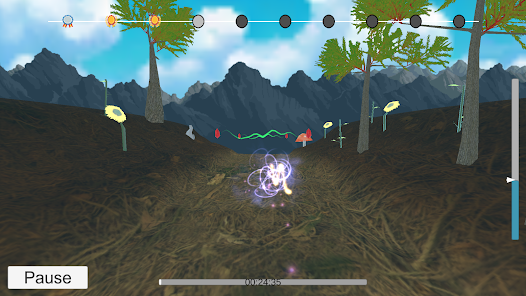
Developed at the University of California Riverside's Brain Game Center, this system leverages perceptual learning and auditory neuroscience within a gamified interface. Sessions require responding to discrete sound cues, based on language primitives, to navigate in-game obstacles. The platform integrates adaptive algorithms that continuously measure auditory discrimination ability and calibrate task difficulty to each individual's performance threshold. This mechanism is designed to progressively enhance spectral-temporal processing, sound localization, and auditory working memory through repeated engagement.
Evidence & Research Context
- A comparative study (N=30) evaluated the system's training protocol in college-aged participants with normal hearing.
- The protocol demonstrated modest improvements in understanding speech in competition compared to an active control condition (Cohen's d = 0.68).
- The training modules are designed to target a mixture of foundational auditory processing skills believed to underlie speech comprehension in noisy environments.
- The associated research notes the preliminary nature of these findings and suggests the need for future investigation in populations with hearing difficulties.
Intended Use & Scope
This auditory training system is designed as a research tool for investigating perceptual learning and as a cognitive fitness application for the general public. Its primary utility is to provide structured training on specific auditory processing skills. The application is not a diagnostic tool or a substitute for professional audiological evaluation or prescribed hearing loss interventions.
Studies & Publications
Peer-reviewed research associated with this app.
Training with an auditory perceptual learning game transfers to speech in competition
Polley et al. (2021) · NPJ Science of Learning
Showed modest improvement in understanding speech with background noise but results were based on small sample.
In the Media
Speaking of Psychology: Can "brain training" games sharpen your mental skills? With Aaron Seitz, PhD
Dr. Aaron Seitz at the University of California, Riverside developed science-based brain training games through the university's Brain Game Center to improve people's perception and cognitive abilities, addressing the controversy around commercially marketed products that "aren't necessarily backed by science." The research holds promise for developing games that can help older adults who want to keep their memory sharp and athletes who want to improve their performance.
Nationwide project seeks to understand how brain exercises produce cognitive benefits
The University of California, Riverside's Brain Game Center developed Listen - Auditory Training as part of a nationwide project to understand how memory training produces cognitive benefits, seeking to engage 30,000 people in different training variants. "We want to understand which training approaches lead to what types of benefits in different individuals," said Aaron Seitz, director of the Brain Game Center and psychology professor. The National Institute of Mental Health-funded project aims to resolve scientific controversies about brain training effectiveness and explore personalized cognitive training approaches.
App Information
Developer
Northeastern UniversityCategory
Evidence Profile
Initial research evidence · Mixed findings
Platforms
Updated
May 2024
© 2025 Northeastern University