PL Fest
Published in academic literature
App Summary
App Screenshots




Detailed Description
Functionality & Mechanism
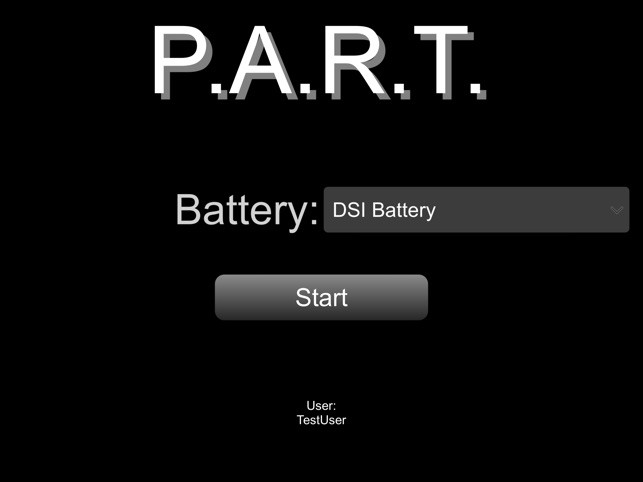
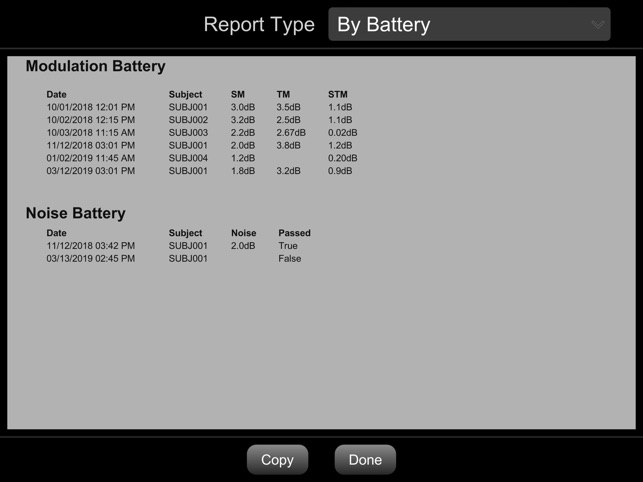
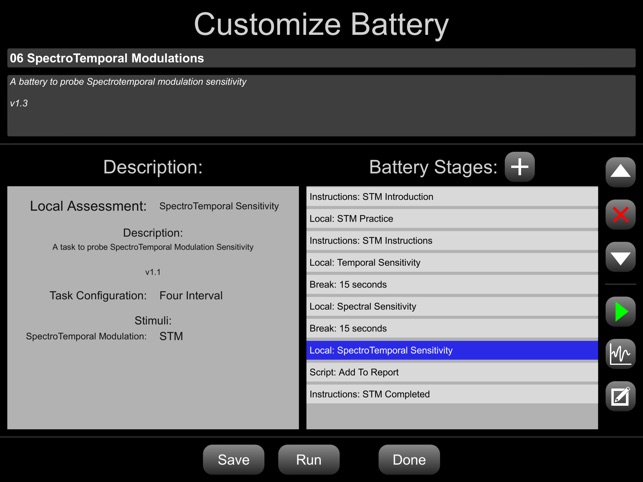
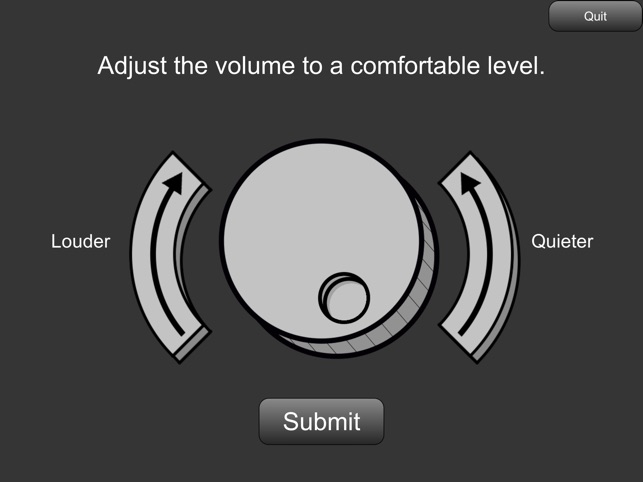
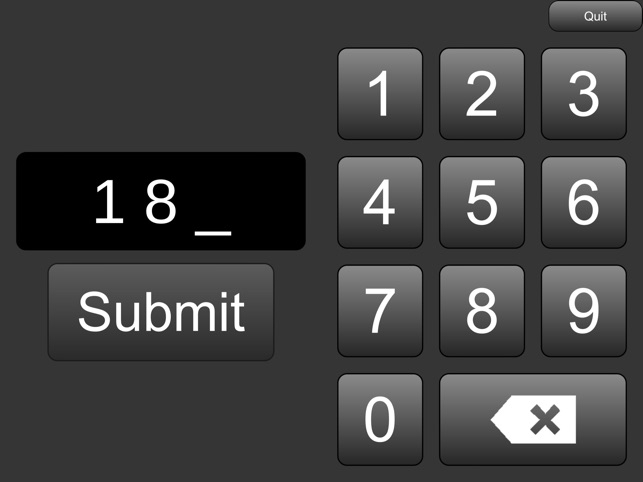
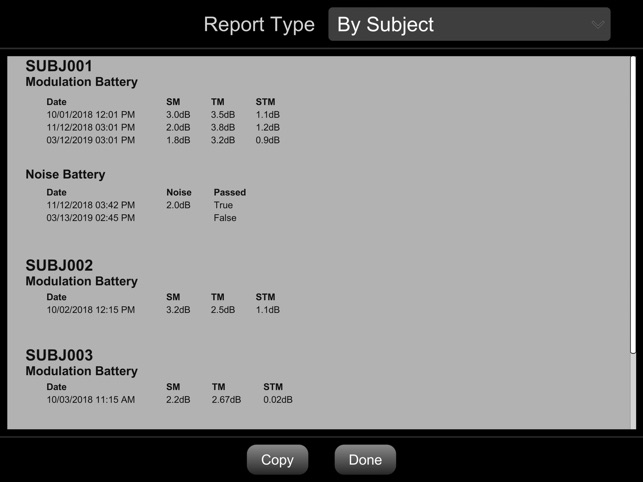
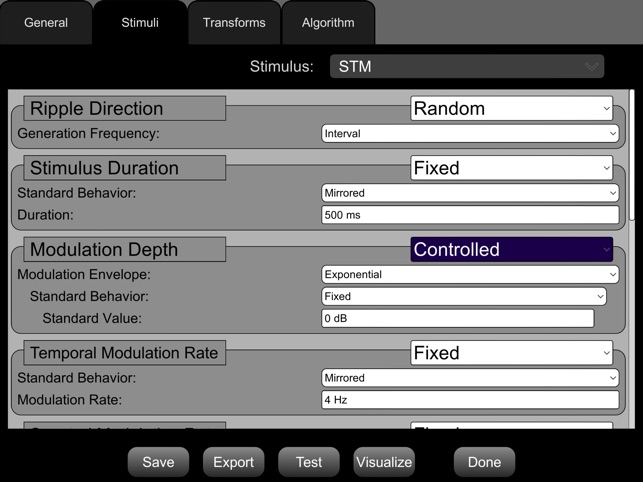
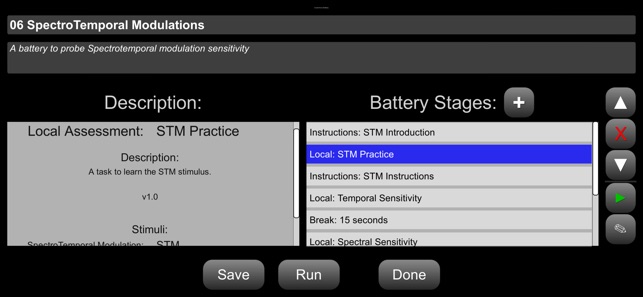
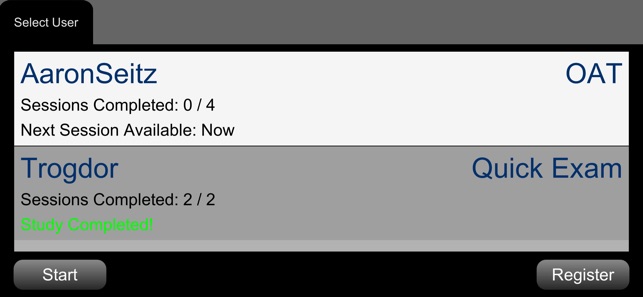
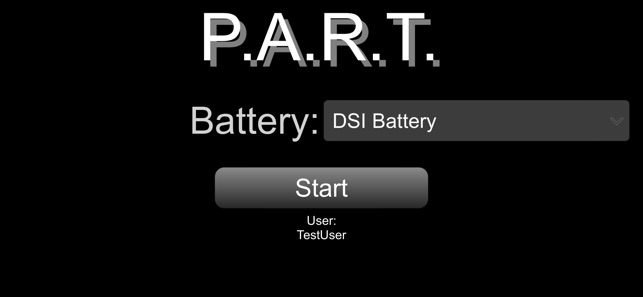
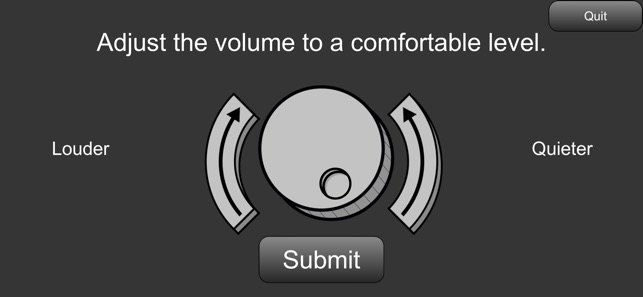
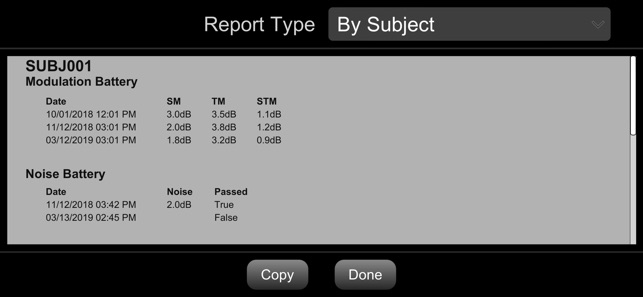
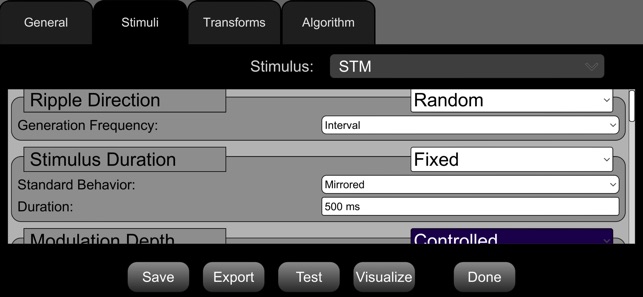
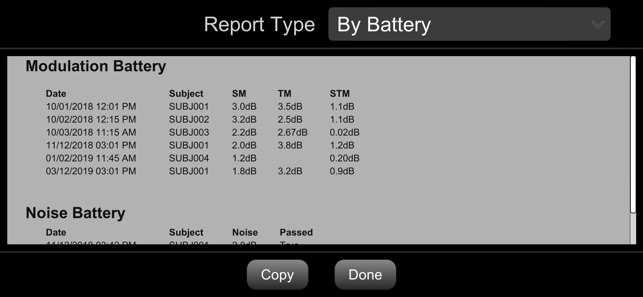
Developed by the University of California, Riverside's Brain Game Center, PL Fest is a platform for remote cognitive assessment. The system administers a suite of standardized cognitive tests designed for completion in an at-home setting. The interface delivers a structured series of interactive exercises engineered to assess specific cognitive domains. Performance data is captured by the system, facilitating the collection of cognitive metrics outside of a traditional laboratory environment for research purposes.
Evidence & Research Context
- Associated research from the developers highlights methodological inconsistencies across cognitive training studies, often stemming from a lack of standardized assessment materials.
- The platform's design is grounded in principles of research interoperability, which promote the cooperative development and sharing of materials to enhance scientific rigor.
- This standardized approach is intended to improve the reproducibility of cognitive science findings and enable more reliable comparisons across different intervention trials.
- The authors propose that prioritizing interoperability will aid in the development of scientifically optimized and clinically relevant cognitive programs for brain aging.
Intended Use & Scope
PL Fest is designed for researchers and clinical trial administrators requiring standardized, remote cognitive data collection. Its primary utility is as a research instrument for studies on cognition, brain aging, and the effects of cognitive interventions. The platform is not a diagnostic tool and does not provide clinical recommendations; it is not a substitute for formal neuropsychological evaluation.
Studies & Publications
Peer-reviewed research associated with this app.
Improving comparability across cognitive training trials for brain aging: A focus on interoperability
Turnbull et al. (2023) · Alzheimer's & Dementia: Translational Research & Clinical Interventions
Referenced in academic literature; no direct evaluation of the appIn the Media
Speaking of Psychology: Can ÃÂÂbrain trainingÃÂÂ games sharpen your mental skills? With Aaron Seitz, PhD
Dr. Aaron Seitz at the University of California, Riverside developed brain training research through the university's Brain Game Center to address whether cognitive games can genuinely improve mental skills like memory, vision, and hearing. Seitz notes that while "commercial companies have heavily marketed brain training products that aren't necessarily backed by science," legitimate research shows promise for helping older adults maintain sharp memories and athletes improve performance. The research aims to distinguish scientifically-backed cognitive training from unproven commercial brain game apps.
Nationwide project seeks to understand how brain exercises produce cognitive benefits
UC Riverside's Brain Game Center developed PL Fest to understand how memory training produces cognitive benefits, launching a nationwide project to engage 30,000 people in different variants of memory training. "We want to understand which training approaches lead to what types of benefits in different individuals," said Aaron Seitz, director of the Brain Game Center and psychology professor. The National Institute of Mental Health-funded project aims to resolve scientific controversies about brain training effectiveness by determining for whom certain training methods work best.
App Information
Developer
Northeastern UniversityCategory
Evidence Profile
Published in academic literature
Platforms
Updated
May 2026
© 2025 Northeastern University
Tags
Relevant Links
Privacy Policy

PL Fest
Free