Poly Rules!
Studied in clinical trials · Mixed evidence
App Summary
App Screenshots
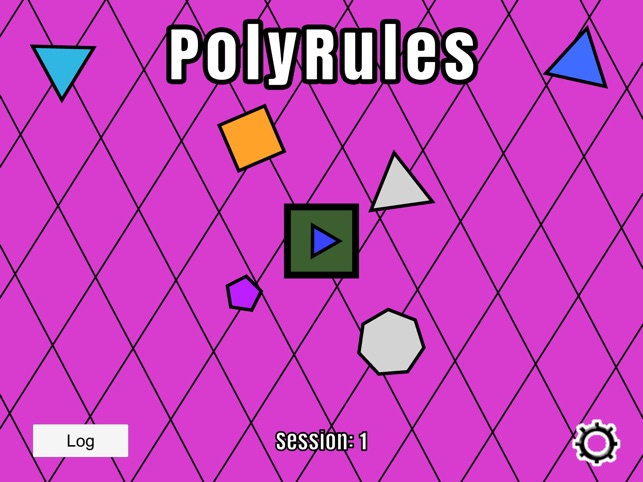
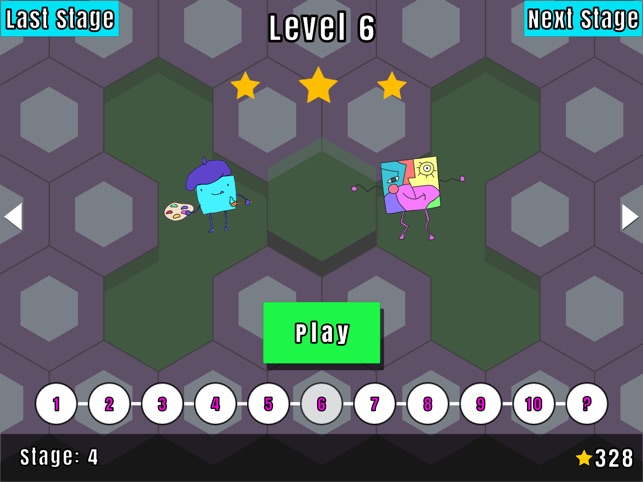
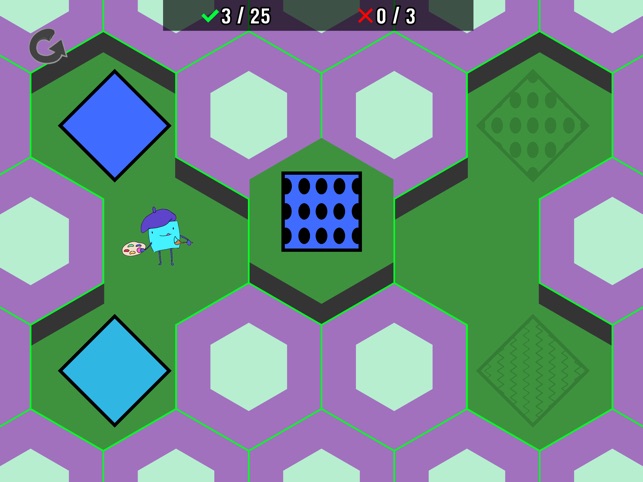
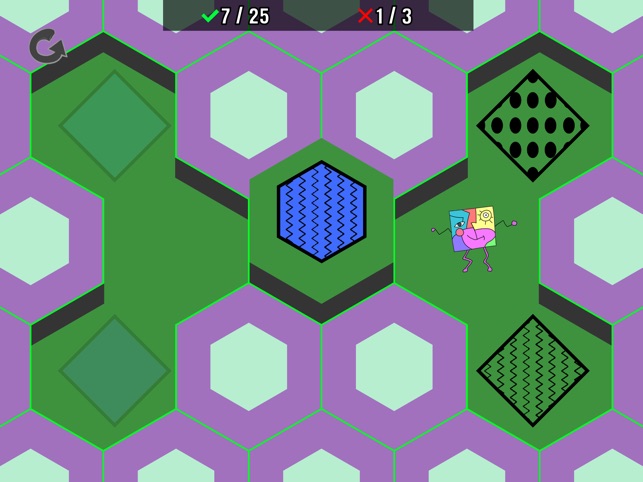
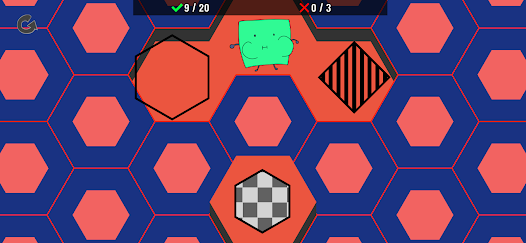
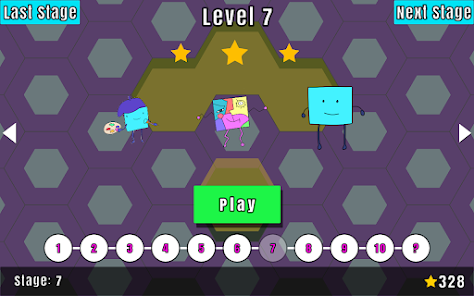
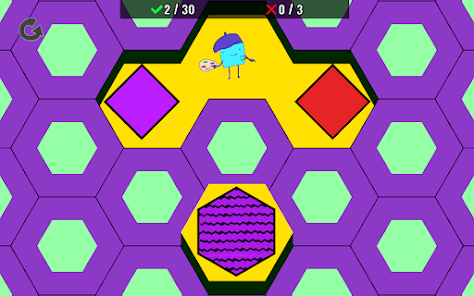
Detailed Description
Functionality & Mechanism
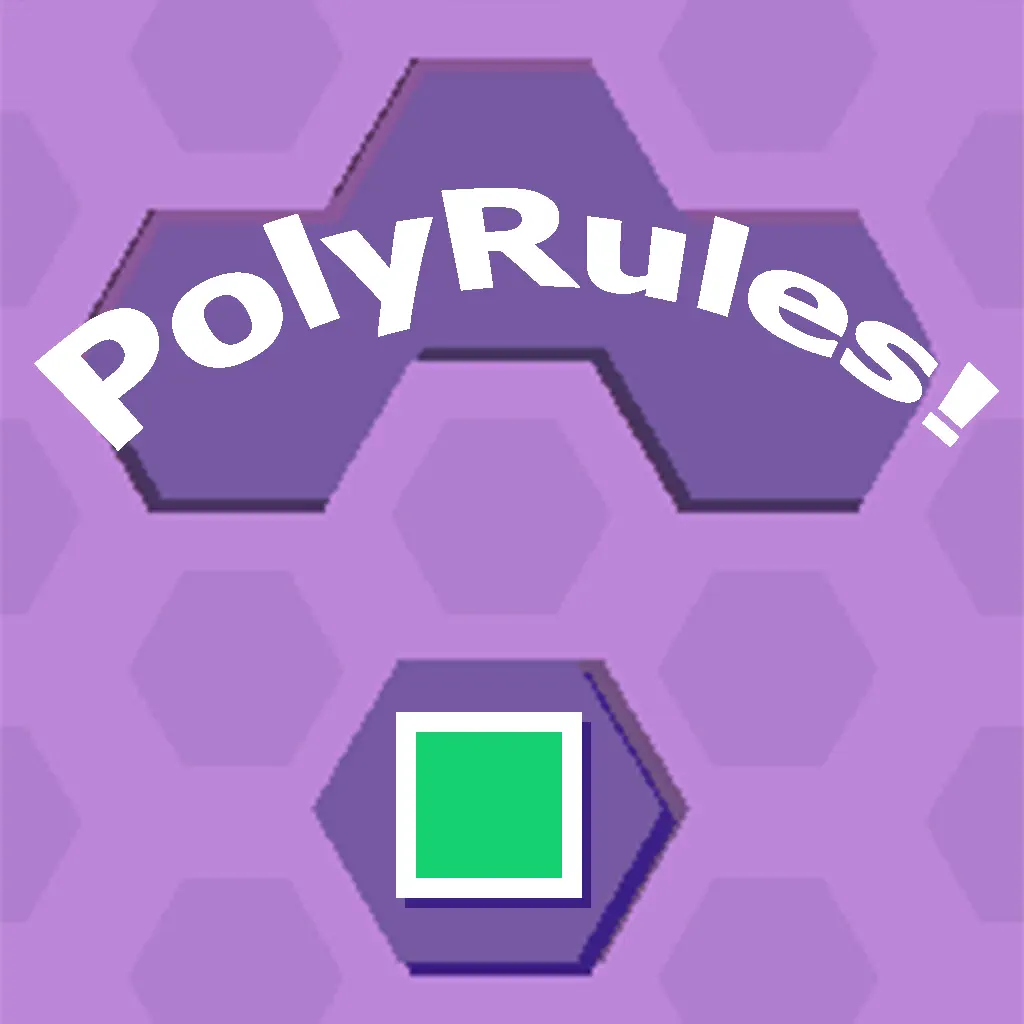
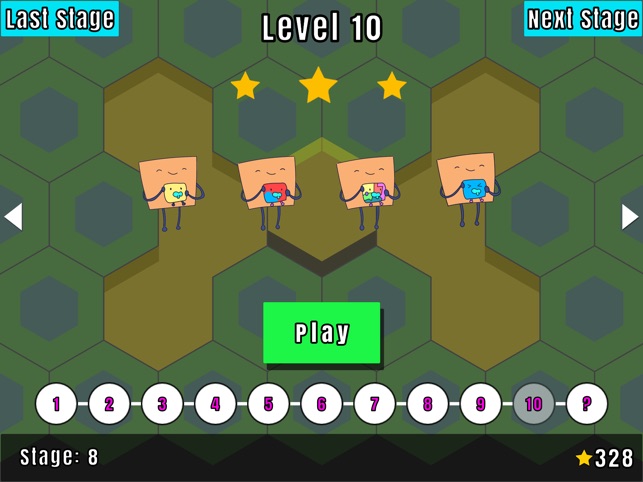
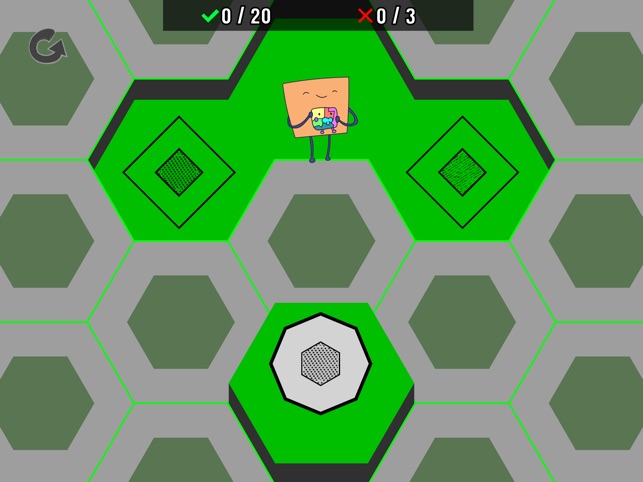
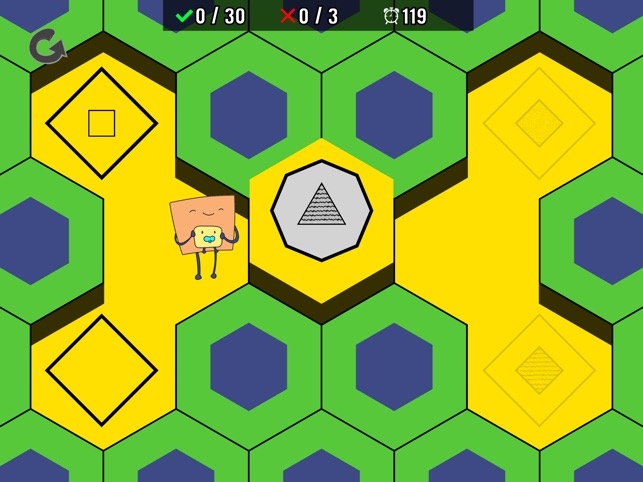
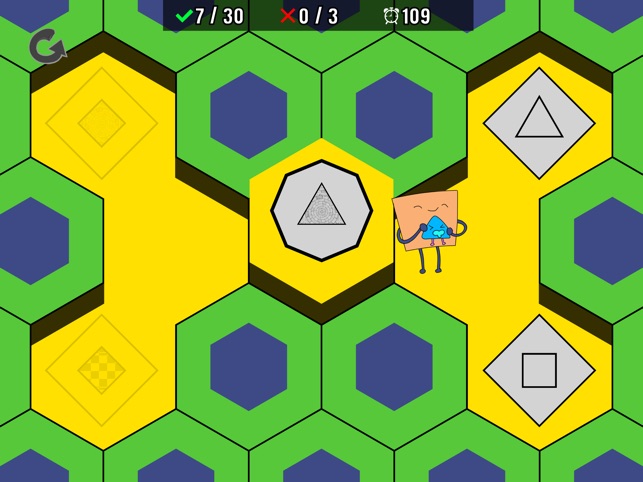
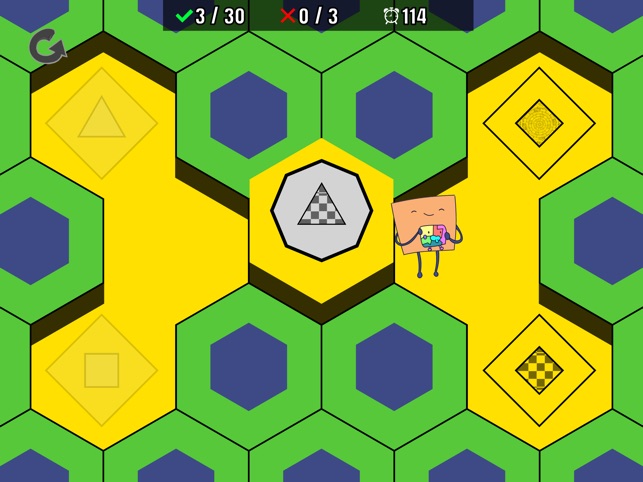
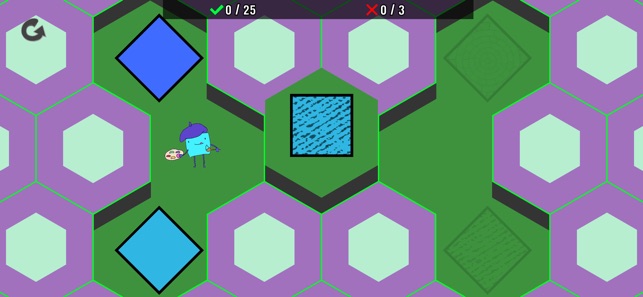
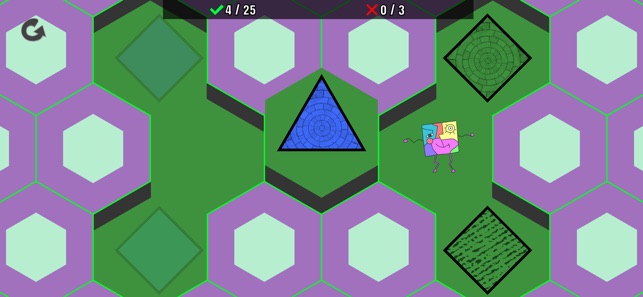
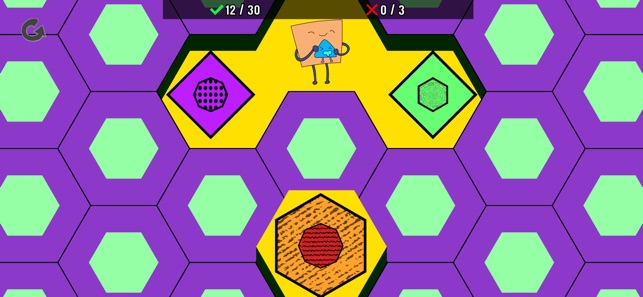
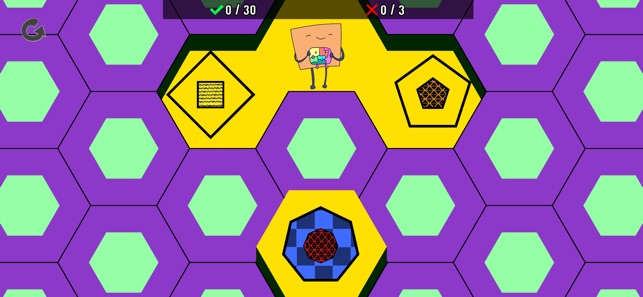
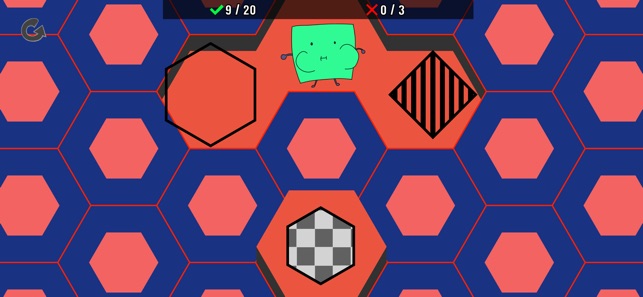
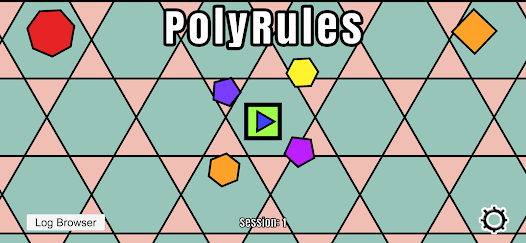
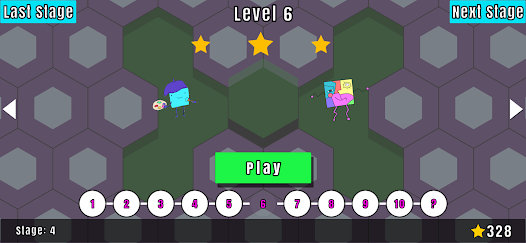
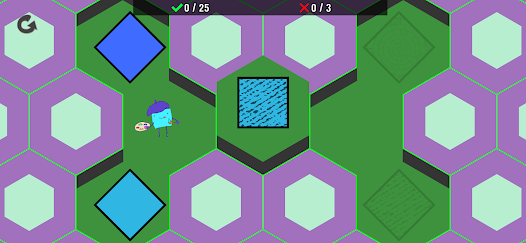
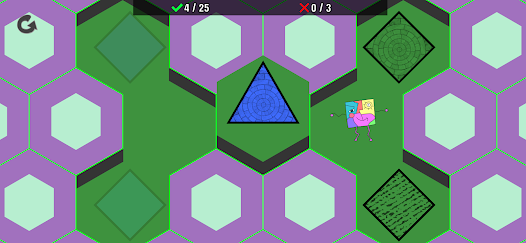
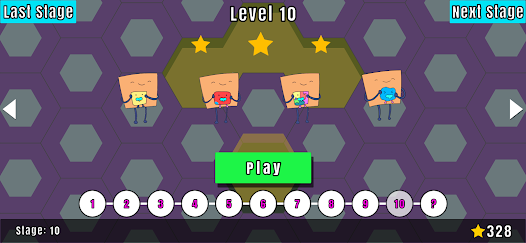
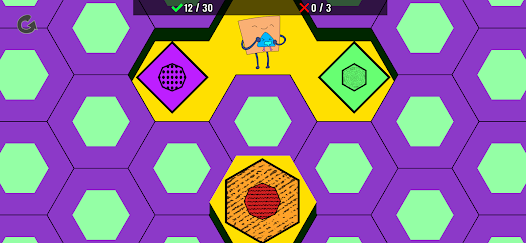
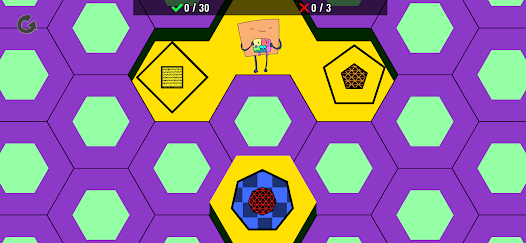
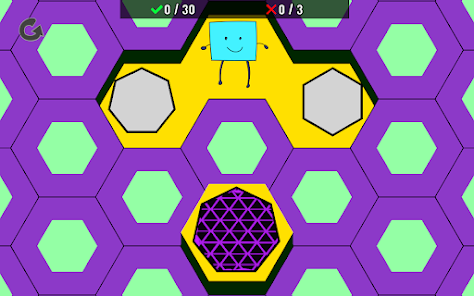
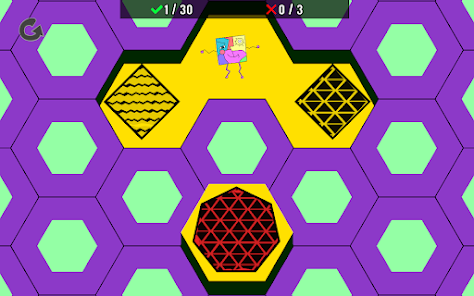
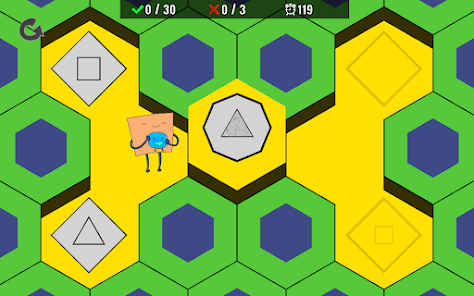
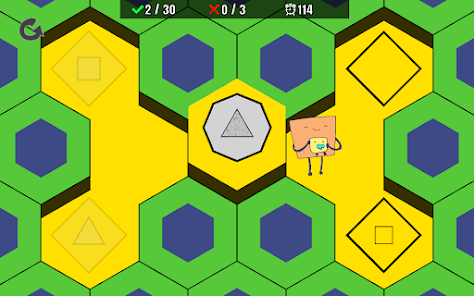
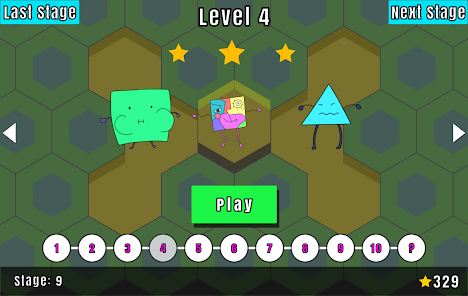
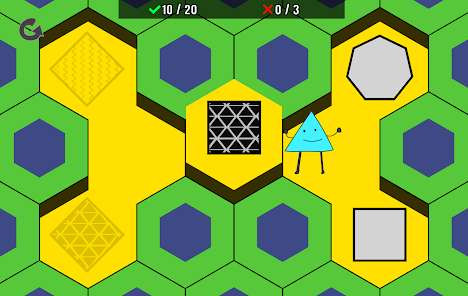
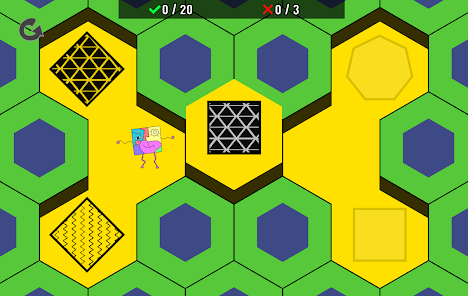
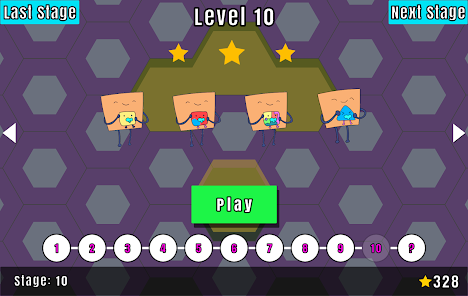
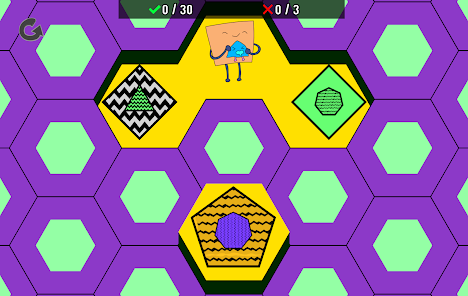
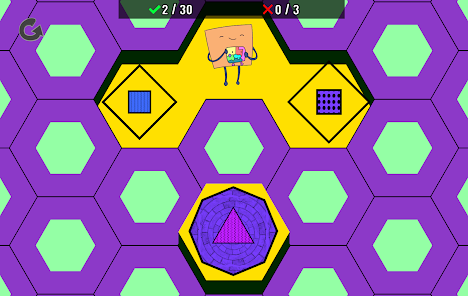
Poly Rules! is a cognitive training game designed to target executive functions, particularly working memory and cognitive flexibility. The system presents a series of sorting tasks where the governing rules dynamically shift as a session progresses, requiring continuous rule-updating. Sessions involve engagement with increasingly complex scenarios to modulate cognitive load. The platform is configured to support research applications, incorporating server-side data logging and analytics capabilities to facilitate controlled studies of cognitive training effects.
Evidence & Research Context
The app's design is grounded in research on working memory training and the mechanisms of cognitive transfer. The associated research provides a model for how such training may produce benefits.
- An analysis of three randomized controlled trials (N=460 total) investigated the relationship between near and far transfer in N-back working memory training.
- The authors propose a mediation model where gains on untrained working memory tasks (near transfer) are a critical gatekeeper for improvements in dissimilar cognitive tasks like matrix reasoning (far transfer).
- This finding was observed even in trials where the overall intervention did not produce a significant group-level effect, highlighting the importance of individual differences in training response.
- This model offers a potential explanation for inconsistent outcomes in the broader cognitive training literature.
Intended Use & Scope
This application is intended for researchers investigating cognitive training mechanisms and for individuals interested in engaging with executive function challenges. Its primary utility is as an experimental platform and a tool for cognitive exercise. The system is not a diagnostic instrument and does not constitute a validated clinical intervention for cognitive impairment.
Studies & Publications
Peer-reviewed research associated with this app.
Near transfer to an unrelated N-back task mediates the effect of N-back working memory training on matrix reasoning
Pahor et al. (2022) · Nature Human Behaviour
Training improved performance on similar tasks but did not improve reasoning ability in two of three trials.
In the Media
Who benefits from brain training and why?
UC Riverside and UC Irvine researchers conducted three randomized control trials with nearly 500 participants to study brain training effectiveness using cognitive games, finding that "near transfer" predicts "far transfer" in working memory training. "Some people do very well in training, such as playing a video game, but they don't show near transfer perhaps because they are using highly specific strategies," said first author Anja Pahor, noting that for these individuals, far transfer is unlikely. The study published in Nature Human Behavior aims to develop more tailored working memory training approaches.
Speaking of Psychology: Can "brain training" games sharpen your mental skills? With Aaron Seitz, PhD
Dr. Aaron Seitz at the University of California, Riverside developed science-based brain training games through the university's Brain Game Center to improve people's perception and cognitive abilities, addressing the controversy around commercially marketed products that aren't necessarily backed by science. Seitz and his colleagues research, test and develop games that aim to help populations including older adults who want to keep their memory sharp and athletes who want to improve their performance.
Ready for a cognitive workout?
University of California researchers Aaron Seitz, Susanne Jaeggi, and Anja Pahor launched Poly Rules! as part of a nationwide project to engage 30,000 people in memory training through apps developed by the Brain Game Center. "We want to understand which training approaches lead to what types of benefits in different individuals," said Seitz, explaining their goal to explore personalized cognitive training similar to personalized medicine. The National Institute of Mental Health-funded project aims to resolve scientific controversies about brain training effectiveness by collecting extensive data on cognitive skill training.
Nationwide project seeks to understand how brain exercises produce cognitive benefits
UC Riverside's Brain Game Center developed Poly Rules! to understand how memory training produces cognitive benefits, launching a nationwide project to engage 30,000 people in different variants of memory training. "We want to understand which training approaches lead to what types of benefits in different individuals," said Aaron Seitz, director of the Brain Game Center and psychology professor. The National Institute of Mental Health-funded project aims to resolve scientific controversies about brain training effectiveness and explore personalized cognitive training approaches.
App Information
Developer
Northeastern UniversityCategory
Evidence Profile
Studied in clinical trials · Mixed evidence
Platforms
Updated
Jan 2024
© 2025 Northeastern University