
BiAffect3
Proven effective in research studies · Supported by multiple studies
App Summary
App Screenshots

Detailed Description
Functionality & Mechanism
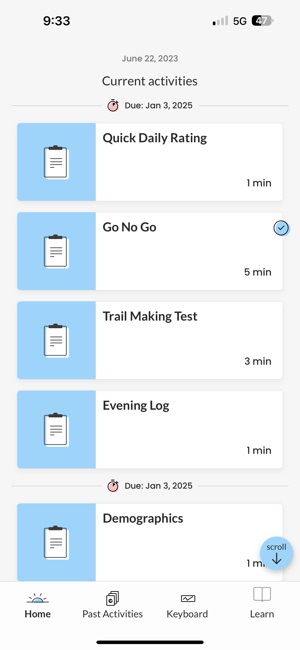
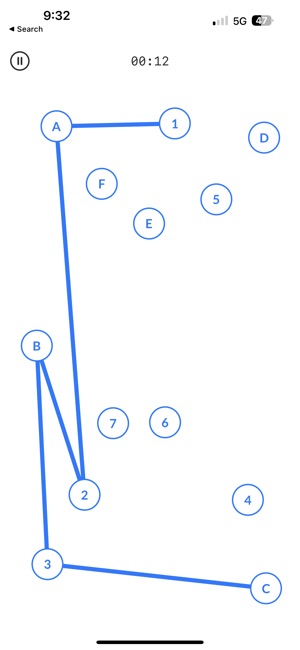
Developed by the University of Illinois at Chicago, BiAffect3 leverages a custom virtual keyboard to passively collect keystroke metadata, including typing speed, error rate, and session duration, without recording typed content. The system analyzes this data with machine learning algorithms to identify digital biomarkers correlated with changes in mood and neurocognitive function. User interaction is limited to installing and utilizing the keyboard for routine smartphone activity, facilitating unobtrusive, longitudinal data capture for digital phenotyping research.
Evidence & Research Context
- A study of individuals with bipolar disorder demonstrated that passively collected metadata could predict clinician-rated depression (HDRS-17; R²=.63) and mania (YMRS; R²=.34) scores.
- Research in a large open-science sample (N>140) found more severe self-reported depression (PHQ-8) was significantly associated with more variable typing speed (P<.001) and shorter typing sessions (P<.001).
- A preliminary evaluation study (N=30) indicated that typing entropy correlates with executive function measures (r=.59) and clinical symptom variability in individuals with bipolar disorder.
Intended Use & Scope
The platform is intended for researchers conducting digital phenotyping studies and for individuals seeking to monitor patterns potentially associated with mood and cognition. It functions as a passive data collection instrument and is not a diagnostic tool. The app does not provide clinical advice; detected behavioral changes warrant consultation with a qualified healthcare professional for interpretation and guidance.
Studies & Publications
Peer-reviewed research associated with this app.
Assessment of cognitive function in bipolar disorder with passive smartphone keystroke metadata: a BiAffect digital phenotyping study
Ajilore et al. (2025) · Frontiers in Psychiatry
Typing patterns reliably correlated with executive function difficulties in bipolar disorder patients.
Effects of mood and aging on keystroke dynamics metadata and their diurnal patterns in a large open-science sample: A BiAffect iOS study
Vesel et al. (2020) · Journal of the American Medical Informatics Association
Keystroke dynamics successfully tracked depression severity across different times of day and ages.
In the Media
AI And Apps May Personalize Depression Diagnosis And Treatment
University of Illinois Chicago researchers led by Dr. Jun Ma secured over $10 million in grants to develop digital tools that personalize depression diagnosis and treatment, using the smartphone app BiAffect3 and an AI voice assistant called Lumen. Dr. Ma emphasized the need for "new digital assessment tools to better monitor and predict disease trajectory and treatment response in patients with depression." The project builds on previous research identifying six depression biotypes using brain scans and machine learning to deliver targeted treatments particularly for medically underserved populations.
Our own Alex LeowÃÂÂs TED TALK on BiAffect!
Dr. Alex Leow from UIC developed BiAffect to turn smartphones into "brain fitness trackers" by analyzing typing keystroke patterns, inspired by her observation that piano keystroke speed and accuracy could reflect mood and concentration. The research project aims to further understanding of brain health as people age, experience depressive symptoms, and may help identify early signs of Alzheimer's Disease. Leow co-founded KeyWise AI and leads the CoNECt lab at UIC as part of this multidisciplinary brain research initiative.
Mood-mapping app helps predict bipolar episodes
University of Illinois at Chicago researchers developed BiAffect to predict manic and depressive episodes in people with bipolar disorder by analyzing typing speed, rhythm, and mistakes through smartphone keyboard dynamics metadata. "We think that this crowd-sourced, app-based study will soon lead to digital technologies that act as an 'early alert system' for people with bipolar disorder to help them see manic and depressive episodes coming," said Peter Nelson, PhD, professor of computer science and dean at UIC College of Engineering. The free iOS app achieved 90% compliance in a pilot study of 31 participants, logging 27,125 keystrokes with researchers reaching correlations between altered keystroke dynamics and mood episodes.
BiAffect app: can typos give insight into your mental health?
Researchers at the University of Illinois Chicago's Center on Depression and Resilience developed BiAffect to monitor users' mood and cognition by tracking typing patterns on iPhones, with initial research showing it can predict manic and depressive episodes in people with bipolar and major depressive disorders. "It doesn't track what you type, but how you type it," says Dr. Alex Leow, the lead researcher and associate professor from the university's College of Medicine. The app represents part of only 3% of evidence-backed mental health apps among over 10,000 available on the App Store, according to NIMH expert Dr. Adam Haim.
UIC Publicly Launches App Designed to Track Bipolar Disorder
University of Illinois at Chicago researchers developed BiAffect3 to predict manic and depressive episodes in people with bipolar disorder by tracking how they interact with their cellphones. Dr. Alex Leow describes the app as a "fitness tracker" for the brain, explaining "We're tracking how they're navigating the keyboard, the actual pixels they're touching." In a pilot study of 30 participants, researchers found that people experiencing manic episodes typed quickly and overrode spellcheck, while those in depressive episodes wrote shorter messages.
UIC app to track mood, predict bipolar disorder episodes
University of Illinois at Chicago researchers developed BiAffect to predict and monitor bipolar disorder episodes by analyzing keyboard dynamics metadata such as typing speed, rhythm, and backspace usage through artificial intelligence-based machine learning. "We think that this crowd-sourced app-based study will soon lead to digital technologies that act as an 'early alert system' for people with bipolar disorder," said Peter Nelson, professor of computer science and dean of the UIC College of Engineering. The app requires users to opt into a UIC-led study where their de-identified metadata helps researchers refine digital biomarkers for mood disorders.
BiAffect mood disorder app goes live in Apple App Store
University of Illinois Chicago researchers developed BiAffect3 to predict manic and depressive episodes in people with bipolar disorder by analyzing how they interact with their cellphones. Dr. Alex Leow describes the app as a "fitness tracker" for the brain, explaining "We're tracking how they're navigating the keyboard, the actual pixels they're touching." The app launched in Apple's App Store and requires users to participate in a UIC research study that analyzes de-identified metadata to search for digital biomarkers of mood disorders.
App Information
Developer
University of IllinoisCategory
Evidence Profile
Proven effective in research studies · Supported by multiple studies
Platforms
Updated
Apr 2026
© 2025 University of Illinois
Tags
Relevant Links
Privacy Policy


BiAffect3
Free