
AppsFromResearch
PTSD Family Coach icon

PTSD Family Coach

Evidence Tier:CLINICAL GRADE

Studied in clinical trials · Did not demonstrate expected effectiveness

For:Patients & Caregivers

App Summary

PTSD Family Coach is a self-management app designed for family members of individuals with PTSD, offering psychoeducation and stress-management tools to help them cope and support their loved one. A randomized controlled trial (N=200) found no significant efficacy difference between the full app and a psychoeducation-only version, though a post-hoc analysis indicated that any app use was associated with reduced stress compared to non-use. The authors conclude that while the app shows preliminary acceptability, further research is warranted to improve user engagement and establish efficacy in supporting caregivers.

App Screenshots

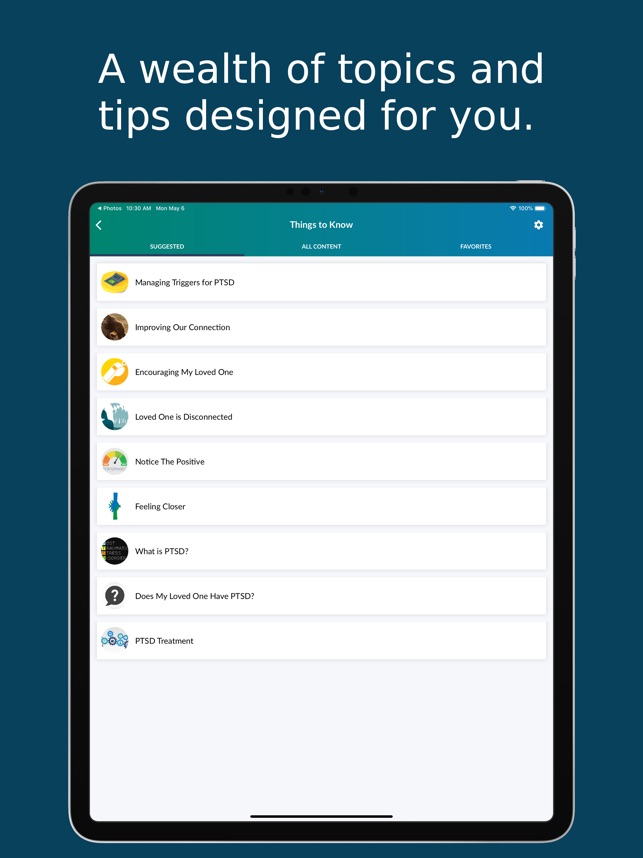
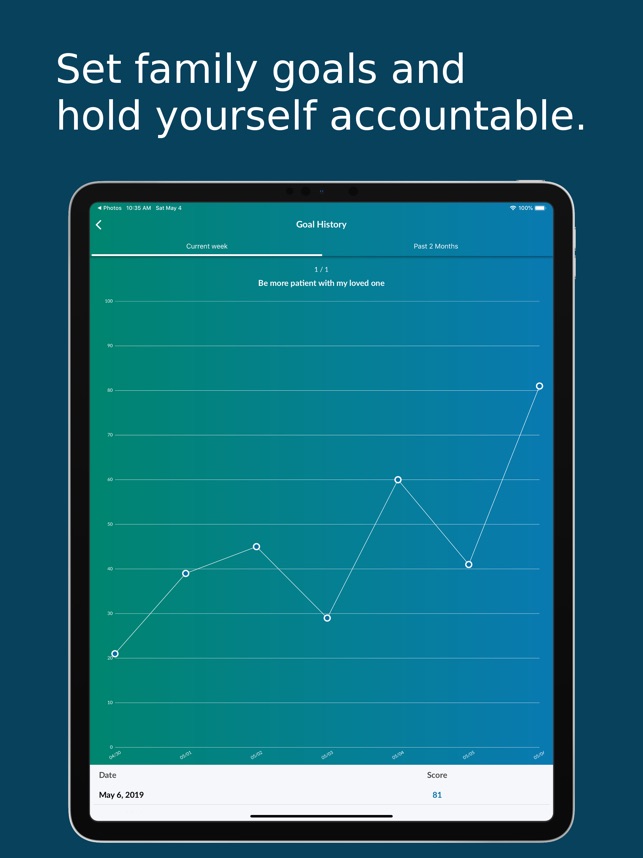
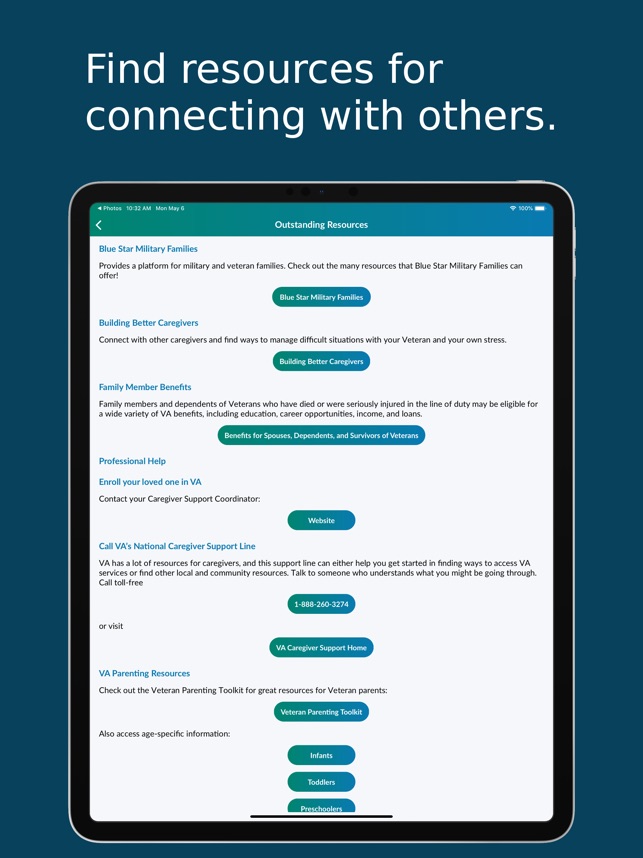
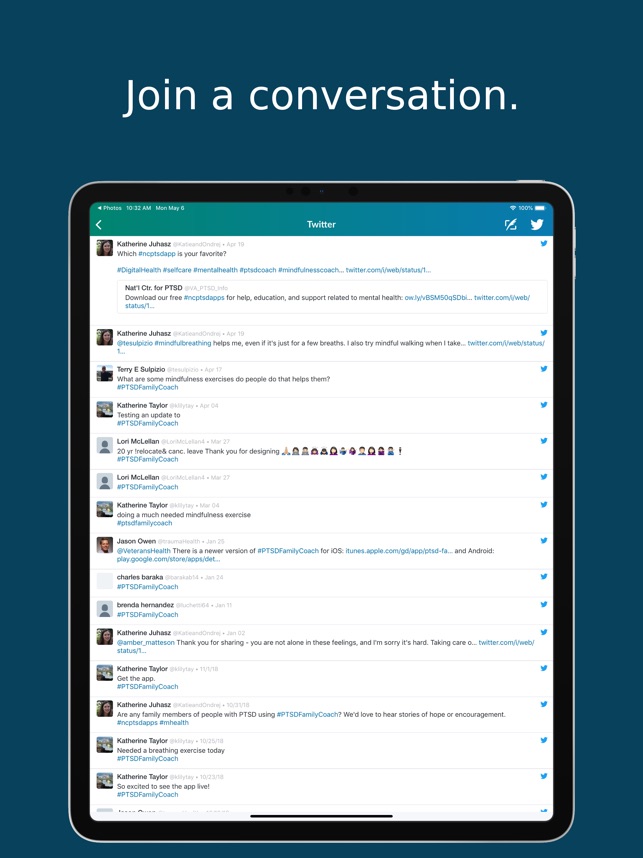
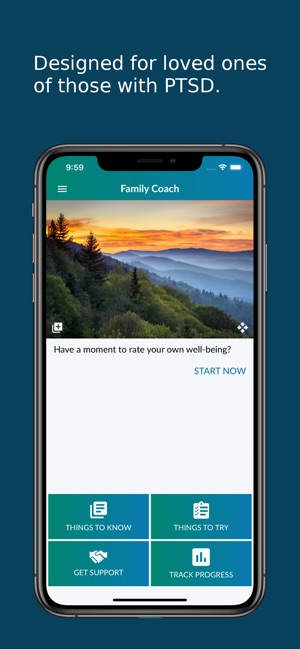
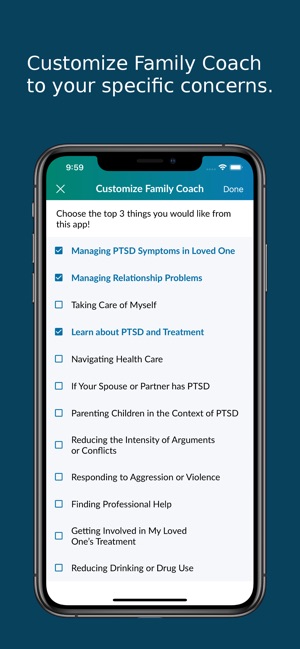
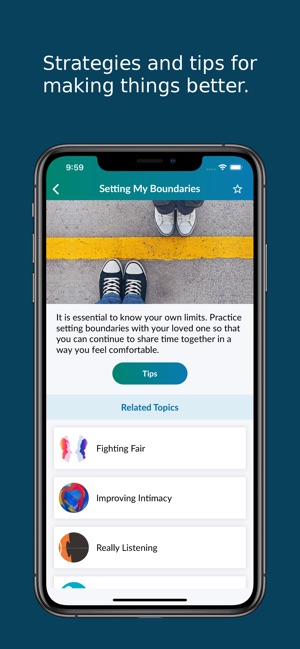
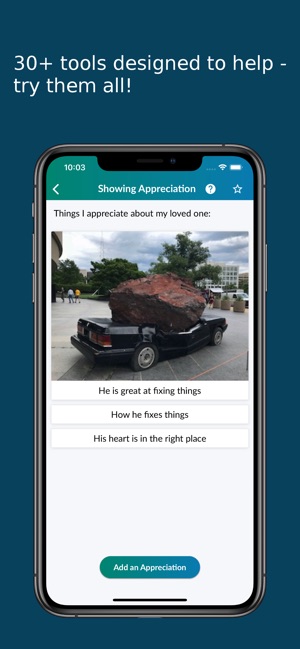
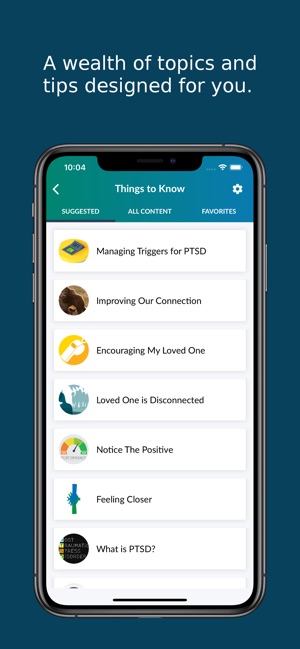
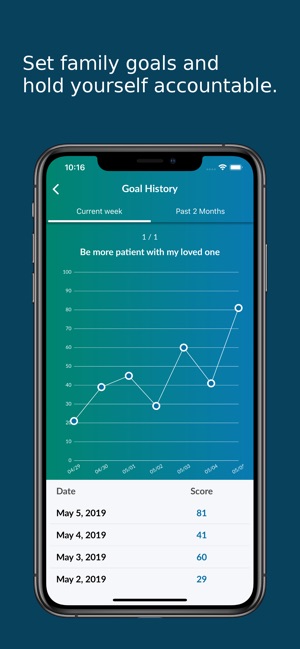
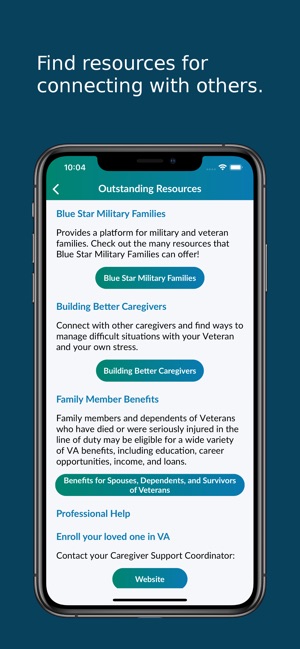
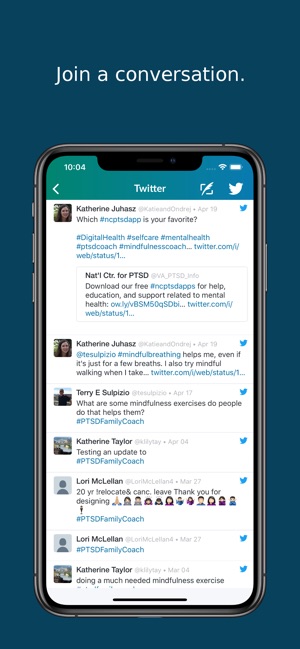
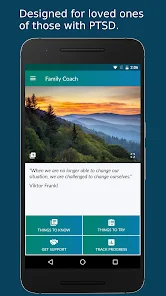
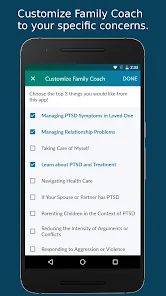
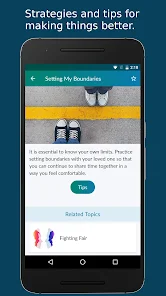
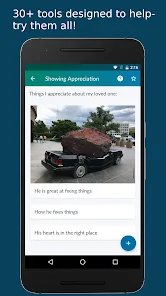
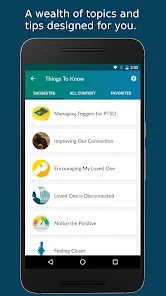
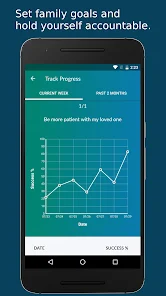
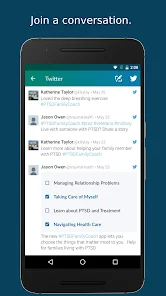
PTSD Family Coach screenshot 1 of 23PTSD Family Coach screenshot 2 of 23PTSD Family Coach screenshot 3 of 23PTSD Family Coach screenshot 4 of 23PTSD Family Coach screenshot 5 of 23PTSD Family Coach screenshot 6 of 23PTSD Family Coach screenshot 7 of 23PTSD Family Coach screenshot 8 of 23PTSD Family Coach screenshot 9 of 23PTSD Family Coach screenshot 10 of 23PTSD Family Coach screenshot 11 of 23PTSD Family Coach screenshot 12 of 23PTSD Family Coach screenshot 13 of 23PTSD Family Coach screenshot 14 of 23PTSD Family Coach screenshot 15 of 23PTSD Family Coach screenshot 16 of 23PTSD Family Coach screenshot 17 of 23PTSD Family Coach screenshot 18 of 23PTSD Family Coach screenshot 19 of 23PTSD Family Coach screenshot 20 of 23PTSD Family Coach screenshot 21 of 23PTSD Family Coach screenshot 22 of 23PTSD Family Coach screenshot 23 of 23

Detailed Description

Functionality & Mechanism

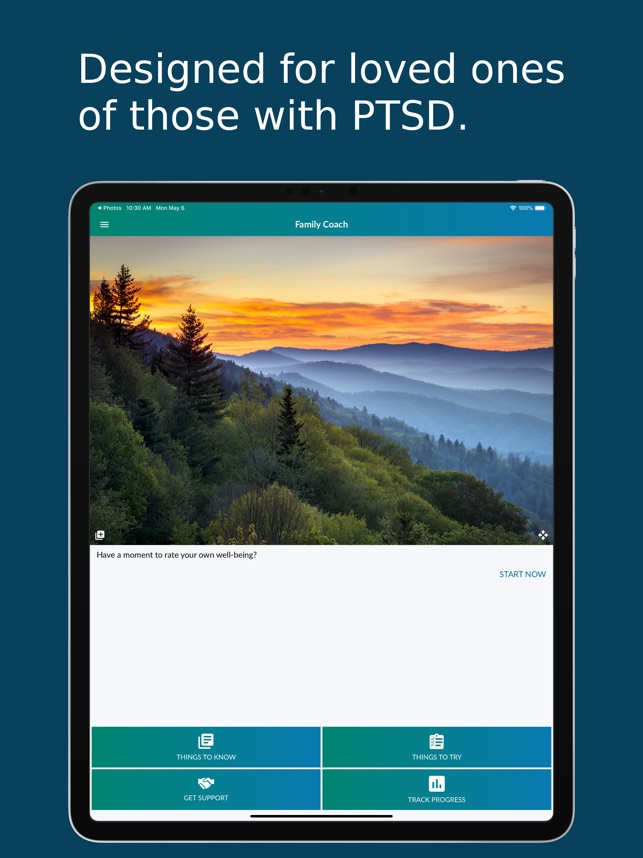
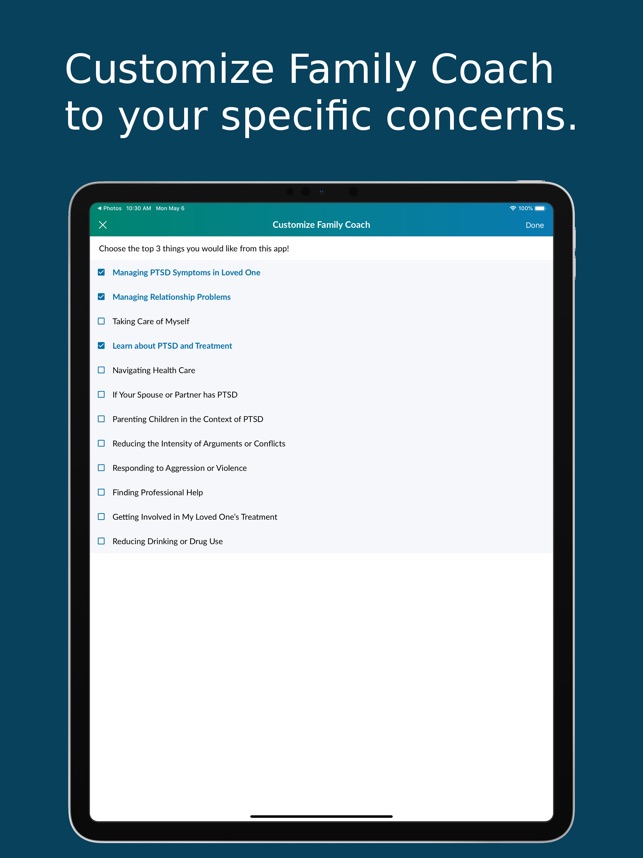
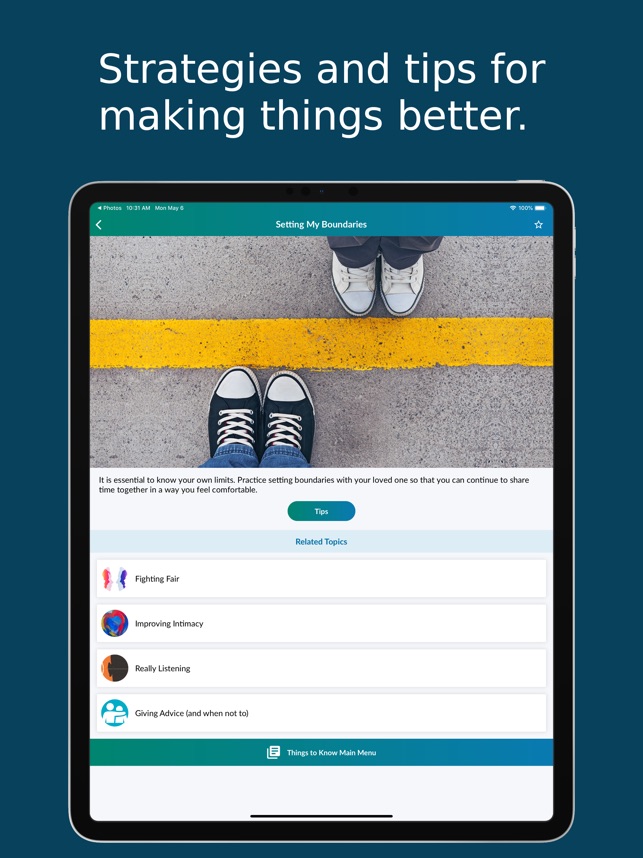
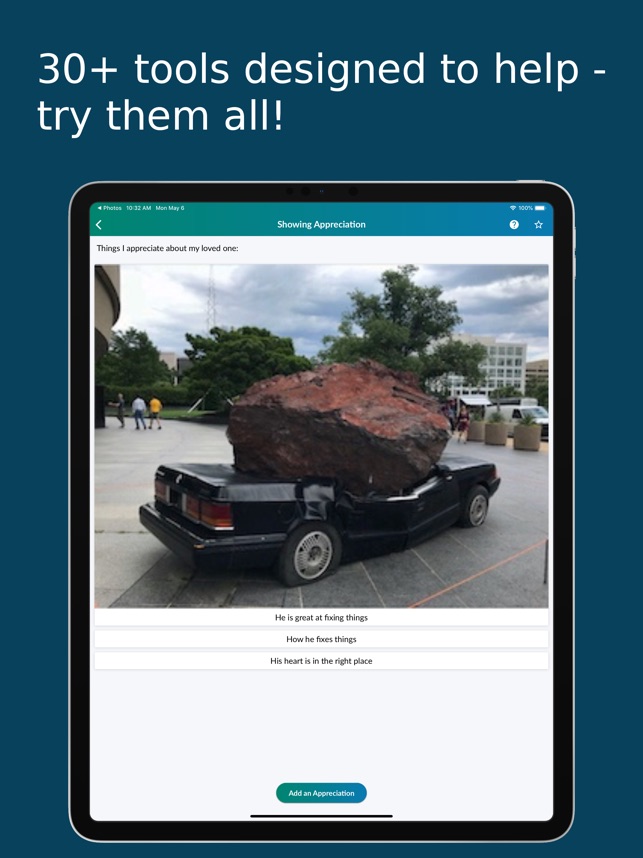
Developed by the VA's National Center for PTSD and the DoD, PTSD Family Coach delivers psychoeducational content and self-management tools. The interface is organized into modules covering PTSD, self-care, relationship support, and strategies for assisting a loved one in seeking treatment. It integrates 24 distinct tools, including mindfulness and cognitive exercises, to mitigate caregiver stress. The system facilitates longitudinal stress tracking via validated self-assessments, providing users with objective feedback on their well-being.

Evidence & Research Context

  • A pilot randomized controlled trial (N=200) involving family members of veterans with PTSD found no significant difference in primary outcomes between the full app and a psychoeducation-only version.
  • A post-hoc analysis across both groups revealed that any level of app engagement was associated with a statistically significant reduction in user-reported stress (P=.02).
  • The trial highlighted feasibility limitations, as only 50.5% of participants used their assigned app; however, engaged users reported moderate helpfulness and preliminary acceptability.
  • Associated research contextualizes the app as a public health resource within a portfolio of evidence-informed self-management tools developed by the U.S. Departments of Veterans Affairs and Defense.

Intended Use & Scope

The application is designed for family members and concerned significant others of individuals with PTSD, particularly within veteran populations. Its primary scope is to function as a psychoeducational and self-management resource for mitigating caregiver stress and improving understanding of PTSD. The tool does not provide diagnosis or treatment and is not a substitute for professional mental healthcare.

Studies & Publications

2 publications

Peer-reviewed research associated with this app.

RCT

The PTSD Family Coach App in Veteran Family Members: Pilot Randomized Controlled Trial

van Stolk-Cooke et al. (2023) · JMIR Formative Research

Did not improve outcomes for family members compared to psychoeducation-only version.

Background: Posttraumatic stress disorder (PTSD) among US military veterans can adversely impact their concerned significant others (CSOs; eg, family members and romantic partners). Mobile apps can be tailored to support CSO mental health through psychoeducation, coping skills, and stress monitoring. Objective: This study assessed the feasibility, acceptability, and potential efficacy of PTSD Family Coach 1.0, a free, publicly available app that includes psychoeducation, stress management tools, self-assessments, and features for connecting to alternative supports, compared with a psychoeducation-only version of the app for cohabitating CSOs of veterans with PTSD. Methods: A total of 200 participants with an average age of 39 (SD 8.44) years, primarily female (193/200, 97%), and White (160/200, 80%) were randomized to self-guided use of either PTSD Family Coach 1.0 (n=104) or a psychoeducation-only app (n=96) for 4 weeks. Caregiver burden, stress, depression, anxiety, beliefs about treatment, CSO self-efficacy, and relationship functioning assessed using measures of dyadic adjustment, social constraints, and communication danger signs were administered via a web survey at baseline and after treatment. User satisfaction and app helpfulness were assessed after treatment. Data were analyzed using linear mixed methods. Results: Overall, 50.5% (101/200) of randomized participants used their allocated app. Participants found PTSD Family Coach 1.0 somewhat satisfying (mean 4.88, SD 1.11) and moderately helpful (mean 2.99, SD 0.97) to use. Linear mixed effects models revealed no significant differences in outcomes by condition for caregiver burden (P=.45; Cohen d=0.1, 95% CI −0.2 to 0.4), stress (P=.64; Cohen d=0.1, 95% CI −0.4 to 0.6), depression (P=.93; Cohen d= 0.0, 95% CI −0.3 to 0.3), anxiety (P=.55; Cohen d=−0.1, 95% CI â��'0.4 to 0.2), beliefs about treatment (P=.71; Cohen d=0.1, 95% CI −0.2 to 0.3), partner self-efficacy (P=.59; Cohen d=−0.1, 95% CI −0.4 to 0.2), dyadic adjustment (P=.08; Cohen d=−0.2, 95% CI −0.5 to 0.0), social constraints (P=.05; Cohen d=0.3, 95% CI 0.0-0.6), or communication danger signs (P=.90; Cohen d=−0.0, 95% CI −0.3 to 0.3). Post hoc analyses collapsing across conditions revealed a significant between-group effect on stress for app users versus nonusers (β=−3.62; t281=−2.27; P=.02). Conclusions: Approximately half of the randomized participants never used their allocated app, and participants in the PTSD Family Coach 1.0 condition only opened the app approximately 4 times over 4 weeks, suggesting limitations to this app version's feasibility. PTSD Family Coach 1.0 users reported moderately favorable impressions of the app, suggesting preliminary acceptability. Regarding efficacy, no significant difference was found between PTSD Family Coach 1.0 users and psychoeducation app users across any outcome of interest. Post hoc analyses suggested that app use regardless of treatment condition was associated with reduced stress. Further research that improves app feasibility and establishes efficacy in targeting the domains most relevant to CSOs is warranted.
... Read More
Non-Evaluative Reference

VA mobile apps for PTSD and related problems: public health resources for veterans and those who care for them

Owen et al. (2018) · mHealth

Referenced in academic literature; no direct evaluation of the app
Many public health agencies, including the U.S. Department of Veterans Affairs (VA), have identified the use of mobile technologies as an essential part of a larger strategy to address major public health challenges. The VA's National Center for PTSD (NCPTSD), in collaboration with VA's Office of Mental Health and Suicide Prevention and the Defense Health Agency inside the U.S. Department of Defense (DoD), has been involved in the development, evaluation, and testing of 15 mobile apps designed specifically to address the needs and concerns of veterans and others experiencing symptoms of posttraumatic stress disorder (PTSD). These applications include seven treatment-companion apps (designed to be used with a provider, in conjunction with an evidence-based therapy) and eight self-management apps (designed to be used independently or as an adjunct or extender of traditional care). There is growing evidence for the efficacy of several of these apps for reducing PTSD and other symptoms, and studies of providers demonstrate that the apps are engaging, easy-to-use, and provide a relative advantage to traditional care without apps. While publicly available apps do not collect or share personal data, VA has created research-enabled versions of many of its mental health apps to enable ongoing product enhancement and continuous measurement of the value of these tools to veterans and frontline providers. VA and DoD are also collaborating on provider-based implementation networks to enable clinicians to optimize implementation of mobile technologies in care. Although there are many challenges to developing and integrating mHealth into care, including cost, privacy, and the need for additional research, mobile mental health technologies are likely here to stay and have the potential to reach large numbers of those with unmet mental health needs, including PTSD-related concerns.
... Read More

PTSD Family Coach

Free