
AppsFromResearch
Mindfulness Coach icon

Mindfulness Coach

Evidence Tier:VALIDATED

Preliminary research — mixed findings

For:General Public & EnthusiastsPatients & Caregivers

App Summary

Mindfulness Coach is a self-guided app from the VA's National Center for PTSD that provides mindfulness training to help Veterans and the general public manage symptoms of stress, anxiety, and PTSD. In a preliminary randomized pilot trial (N=173) with U.S. Veterans, study completers who used the app showed medium-sized reductions in symptoms of both PTSD and depression. The associated research concludes that the app shows promise as a public health resource, and a larger trial is warranted to confirm these benefits and ensure consistent engagement across subpopulations.

App Screenshots

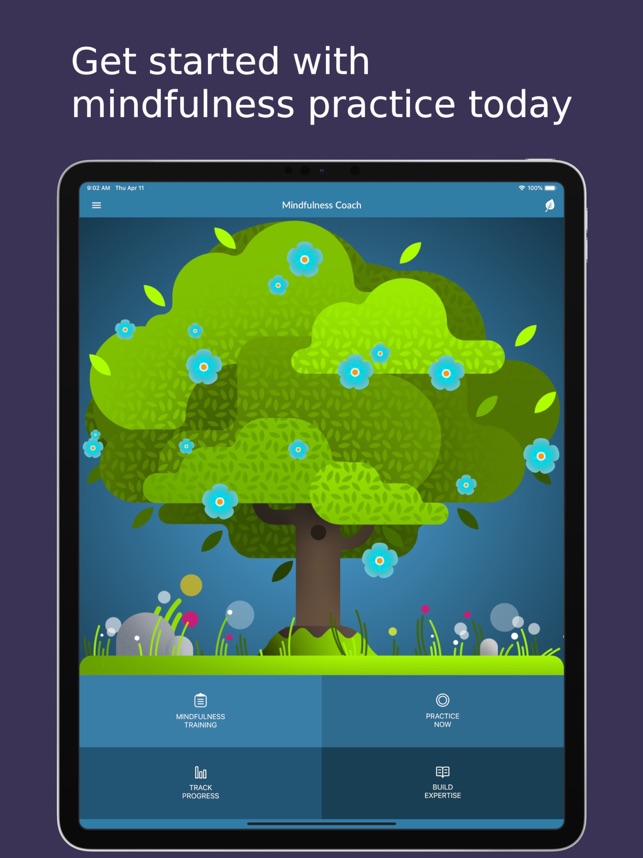
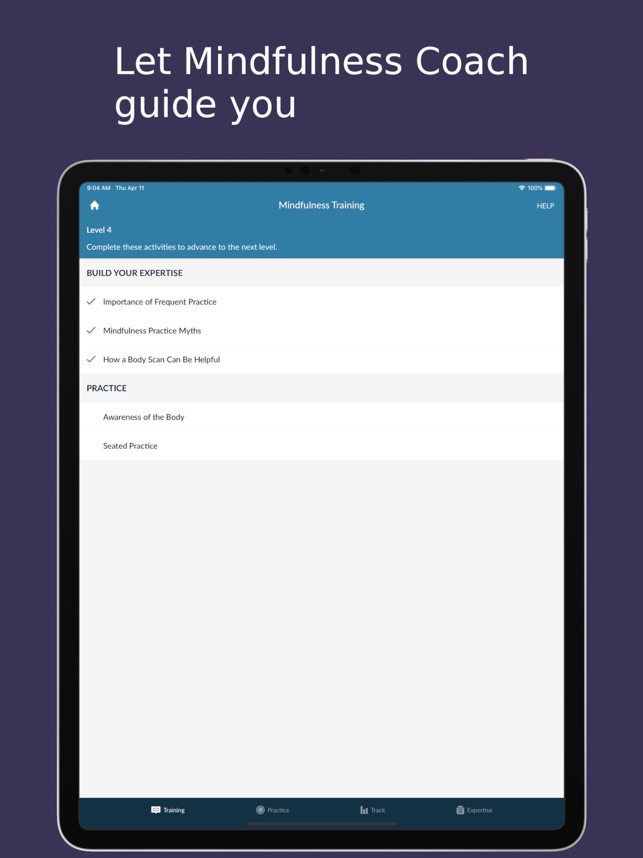
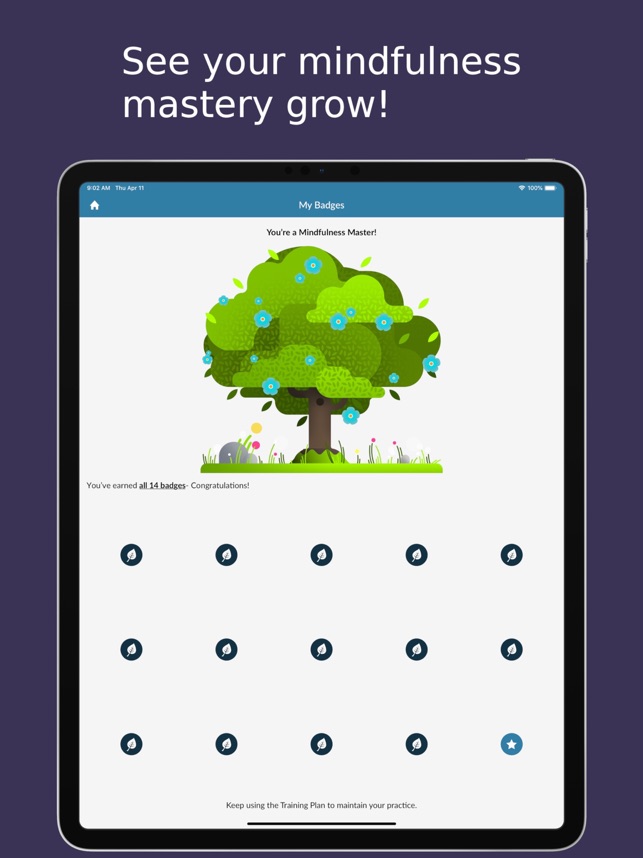
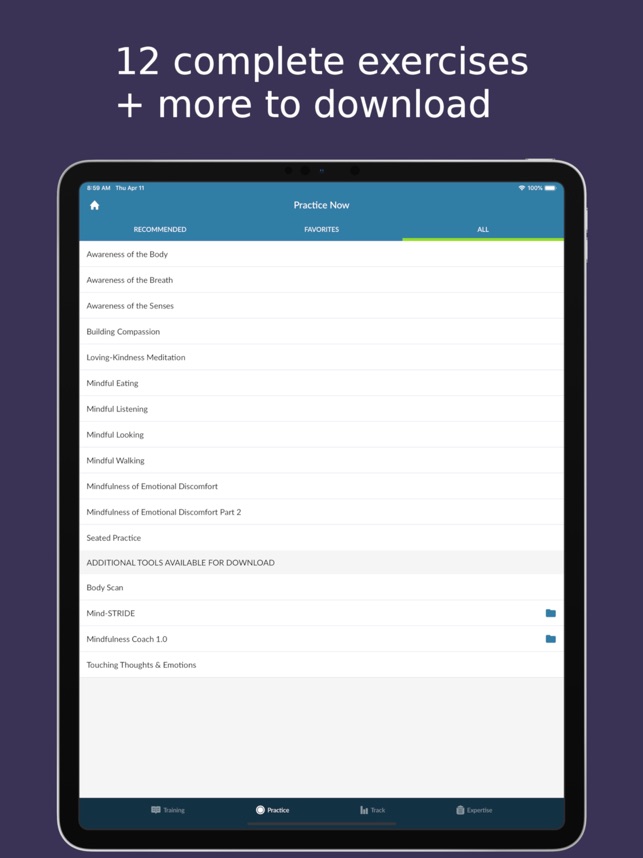
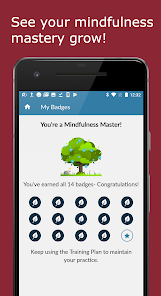
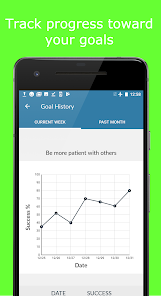
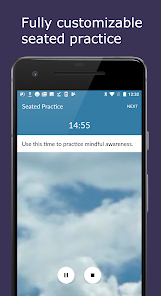
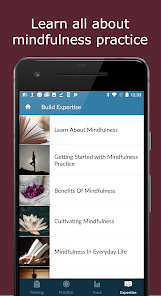
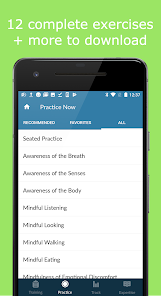
Mindfulness Coach screenshot 1 of 21Mindfulness Coach screenshot 2 of 21Mindfulness Coach screenshot 3 of 21Mindfulness Coach screenshot 4 of 21Mindfulness Coach screenshot 5 of 21Mindfulness Coach screenshot 6 of 21Mindfulness Coach screenshot 7 of 21Mindfulness Coach screenshot 8 of 21Mindfulness Coach screenshot 9 of 21Mindfulness Coach screenshot 10 of 21Mindfulness Coach screenshot 11 of 21Mindfulness Coach screenshot 12 of 21Mindfulness Coach screenshot 13 of 21Mindfulness Coach screenshot 14 of 21Mindfulness Coach screenshot 15 of 21Mindfulness Coach screenshot 16 of 21Mindfulness Coach screenshot 17 of 21Mindfulness Coach screenshot 18 of 21Mindfulness Coach screenshot 19 of 21Mindfulness Coach screenshot 20 of 21Mindfulness Coach screenshot 21 of 21

Detailed Description

Functionality & Mechanism

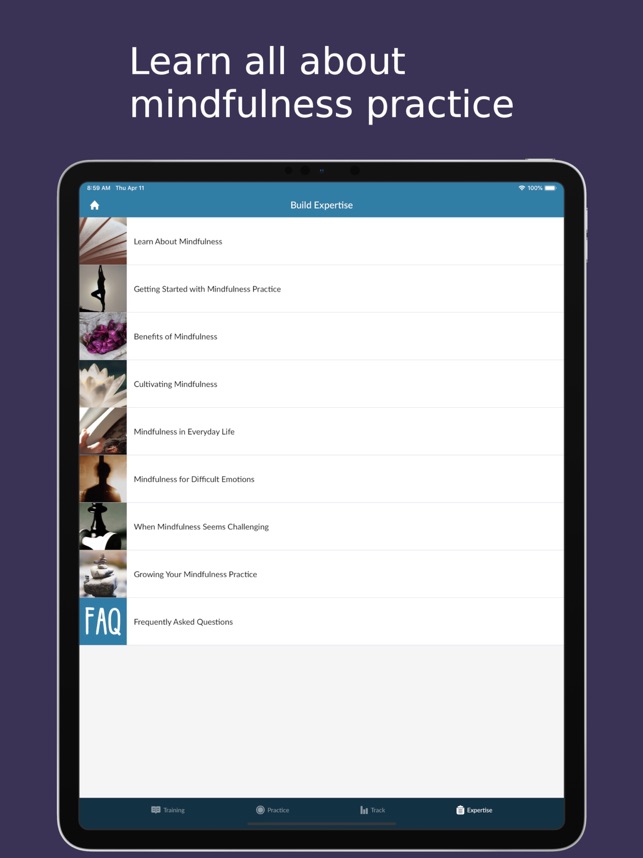
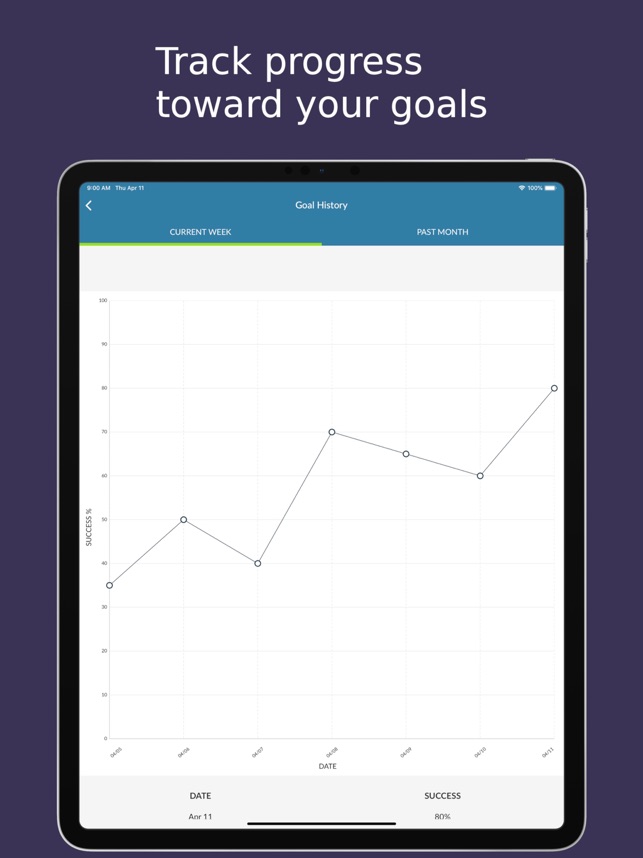
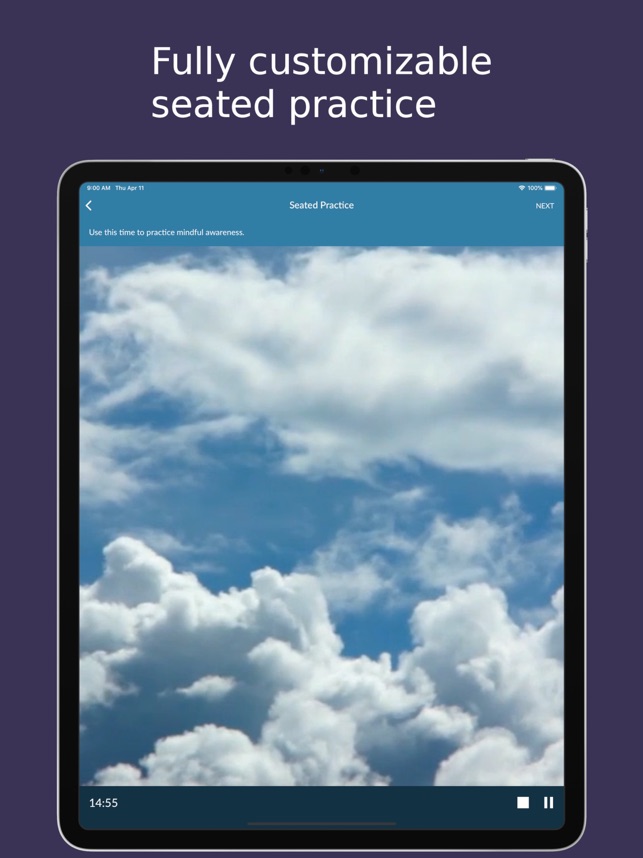
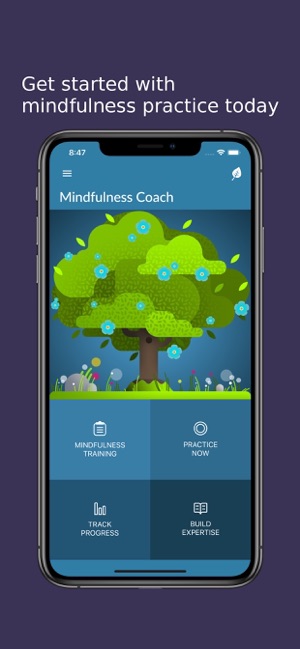
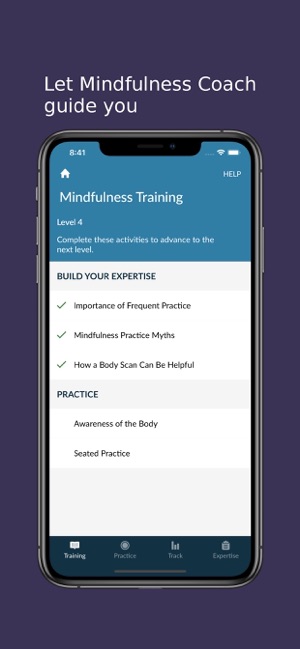
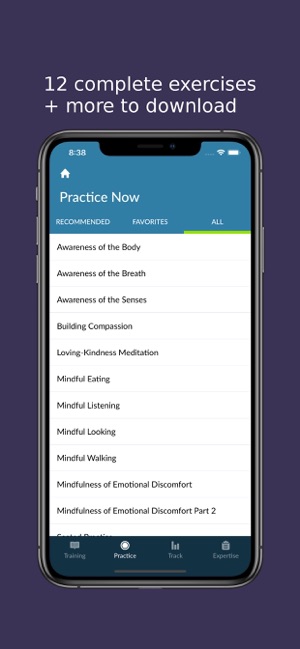
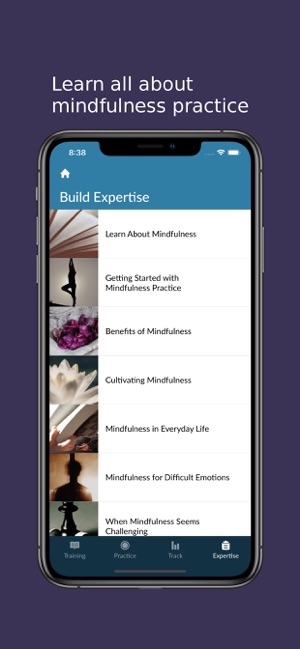
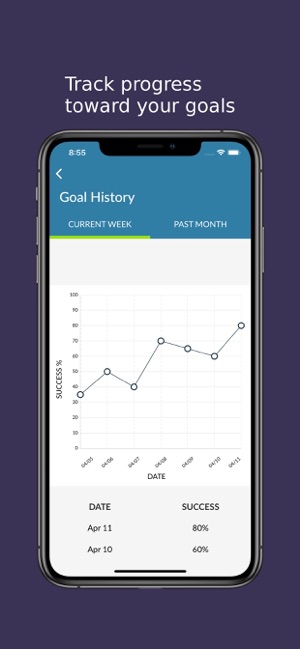
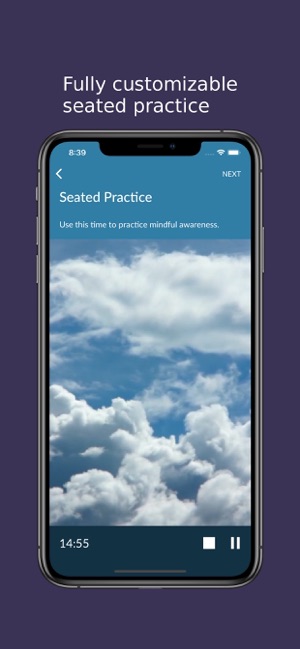
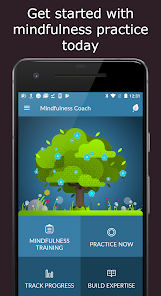
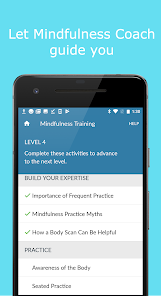
Developed by the VA's National Center for PTSD, Mindfulness Coach delivers a self-guided training program in mindfulness. The system integrates pedagogical content, a library of over 12 audio-guided exercises, and goal-tracking tools. The interface guides users through a structured curriculum to build foundational skills. Progress can be monitored via an integrated self-assessment tool, which facilitates the tracking of skill acquisition over time. The app is designed for gradual use and contains no in-app purchases.

Evidence & Research Context

  • A pilot randomized controlled trial (N=173) involving U.S. veterans with PTSD demonstrated medium effects on reducing symptoms of both PTSD (d=-0.69) and depression (d=-0.52) after eight weeks, though study attrition was high.
  • The same pilot trial indicated a dose-response relationship, where higher-intensity app engagement was associated with greater clinical benefits for study completers.
  • An analysis of anonymous usage data from the general population (N=104,067 downloads) identified a significant positive correlation between time spent engaged with the app and improvements in self-reported mindfulness scores (R²=0.23).
  • While the app demonstrates substantial public reach and high user satisfaction ratings, research notes that engagement may be lower among certain demographic subpopulations, warranting further investigation.

Intended Use & Scope

Intended for use by veterans, service members, and the general public, the app serves as a self-guided educational resource and a potential adjunct to clinical care. It is designed to deliver foundational mindfulness training for managing stress. The app does not provide clinical diagnoses, crisis intervention, or substitute for professional mental healthcare.

Studies & Publications

2 publications

Peer-reviewed research associated with this app.

Pilot/Feasibility Study

Clinical benefits of self-guided mindfulness coach mobile app use for veterans with posttraumatic stress disorder: A pilot randomized control trial

Wielgosz et al. (2025) · Psychological Trauma: Theory, Research, Practice, and Policy

Showed promise for reducing PTSD and depression symptoms but 68% of participants dropped out.

Objective: Mindfulness training can relieve posttraumatic stress disorder (PTSD) symptoms in military veterans and others but is inconsistently accessible. Self-guided mobile apps could improve access but their acceptability, feasibility, and benefits for veterans with PTSD have not been established. We conducted a pilot randomized trial of Mindfulness Coach (MC), a free, publicly available, trauma-informed mobile app tailored to veterans. Method: U.S. veterans with PTSD (n = 173) were randomized to self-guided use of MC or waitlist control (WLC) with 8-week follow-up. Clinical outcomes were PTSD symptoms (PTSD Symptom Checklist–5), depression symptoms (Patient Health Questionnaire, nine item), and psychosocial functioning (Brief Inventory of Psychosocial Functioning). Primary analyses were intent-to-treat using linear mixed models with maximum likelihood estimation. App uptake, objective usage, and usability ratings measured acceptance and feasibility. Results: Participants varied in age, gender, and ethnoracial identity; most reported recent mental health care utilization. Although study attrition was high (68.4% overall) due to participant dropout (treatment: 43.0%; control: 43.7%) and technical study issues (23% overall), diagnostic tests showed no evidence of bias due to missingness. Study completers (MC: n = 19; WLC: n = 37) showed medium effects on PTSD symptoms (b = ?9.31, d = ?0.69) and depression (b = ?3.10, d = ?0.52). Higher-intensity users showed greater benefits. App engagement trended lower for women and minoritized subpopulations. No changes were observed in psychosocial functioning. Usability and helpfulness ratings were favorable. Conclusions: Transdiagnostic clinical benefits indicate promise for MC as a public health resource for veterans with PTSD. Further study is warranted to confirm these benefits and ensure consistent engagement across subpopulations. Impact Statement This study shows that veterans with posttraumatic stress disorder (PTSD) who used the Mindfulness Coach app saw benefits to their mental health. Mindfulness Coach is a freely available mobile app that provides trauma-informed mindfulness training. Overall, veterans were motivated to install the app, and on average, those who did so the app returned multiple times, rated it as helpful and easy to use, and reported improvements in PTSD and depression symptoms from self-guided use. However, some groups of veterans, including women and Black and Latino veterans, appeared less likely to continue using the app than others. This study shows that mindfulness training has the potential to reduce mental health burdens among veterans and others with PTSD. However, further efforts are also needed to ensure the app is engaging for all veterans.
... Read More
Usability Study

The Reach, Use, and Impact of a Free mHealth Mindfulness App in the General Population: Mobile Data Analysis

Kozlov et al. (2020) · JMIR Mental Health

Achieved wide reach with high user ratings but engagement was lower than intended for many users.

Background: As smartphones are now used by most Americans, it is increasingly possible for mental health mobile apps to be disseminated to the general public. However, little is known about how mobile mental health apps are used by the general population outside of a controlled research design. Objective: Our objective is to describe how the general population engages with Mindfulness Coach, an iOS- and Android-based app designed to deliver a mindfulness training course. Methods: Using anonymous download and analytics data, we characterized the reach, usage, retention, and impact of Mindfulness Coach. We included mobile analytics data from all unique downloads of Mindfulness Coach between August 1, 2018, and April 8, 2019 (N=104,067) as well as starred reviews from all Mindfulness Coach users who provided reviews of the app as of March 1, 2020. Mindfulness characteristics were measured by an in-app assessment using the Five-Facet Mindfulness Questionnaire–Short Form (FFMQ-SF). Results: Users engaged, on average, in 4.3 visits to the app (SD 8.8; median 2; 90th percentile 8) and associated with an average total of 49.2 interactions with the app (ie, clicks within the app) (SD 113.8; median 19; 90th percentile 105). Users spent an average of 16.2 minutes (SD 63.1) engaged with the app over the full study time period. There were strong linear effects of app engagement on total FFMQ-SF scores. For example, FFMQ-SF scores were associated with more time spent engaged with the app (R2=.23; P<.001). Mindfulness Coach has been reviewed in the Google Play Store 3415 times, with an average rating of 4.7 out of 5 stars, and over 2000 times in the Apple App Store, with an average rating of 4.8 out of 5 stars. Conclusions: These findings suggest that Mindfulness Coach has achieved substantial and sustained reach in the general population; however, it was used less frequently by many downloaders than researchers and designers intended. There was a subpopulation of users who engaged in the app regularly over an extended period of time, and there was a clear relationship between app use and improvements in mindfulness. To strengthen Mindfulness Coach's public health impact, more research is needed to understand who is using the app and how, and to design strategies to increase user engagement in order for users to receive a larger dose of mindfulness treatment.
... Read More

Mindfulness Coach

Free