
CPT Coach
Published in academic literature
App Summary
App Screenshots
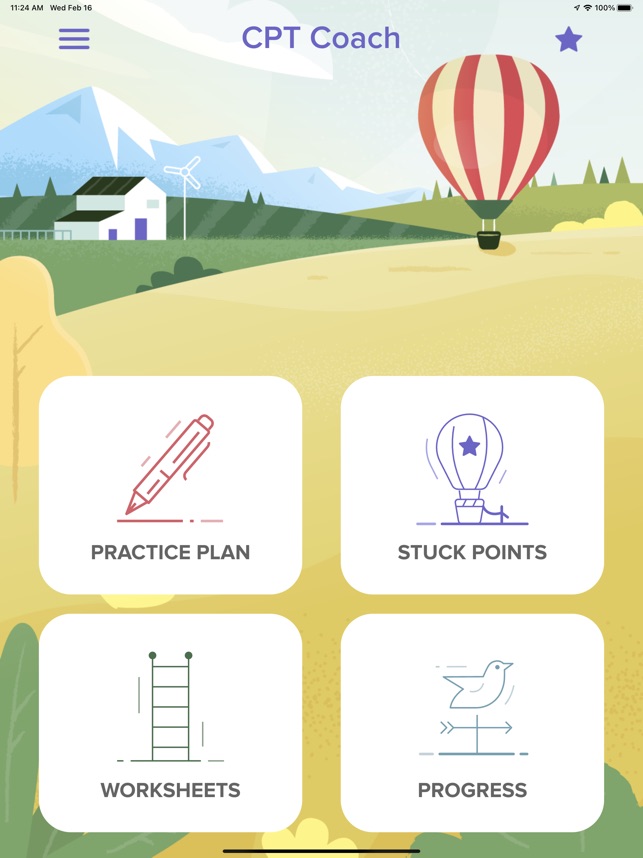
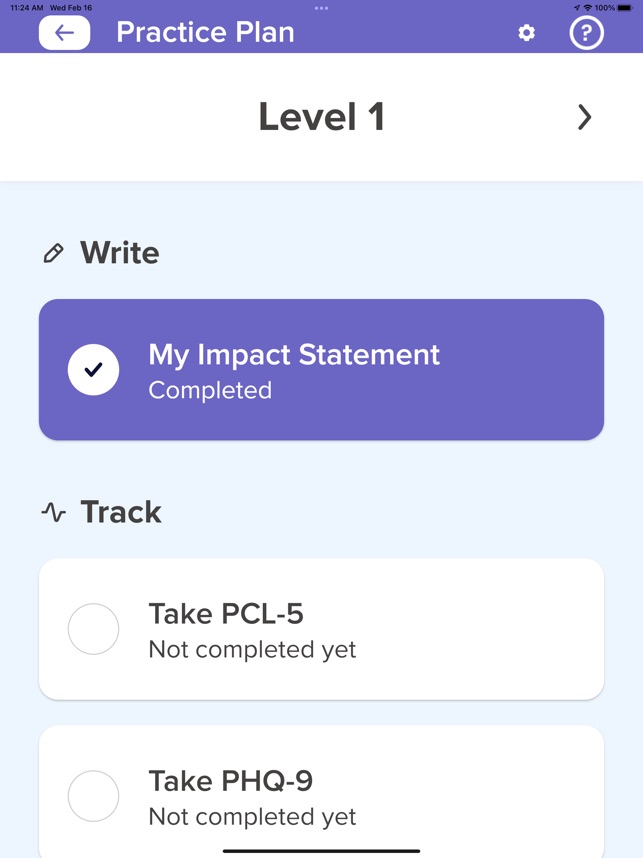
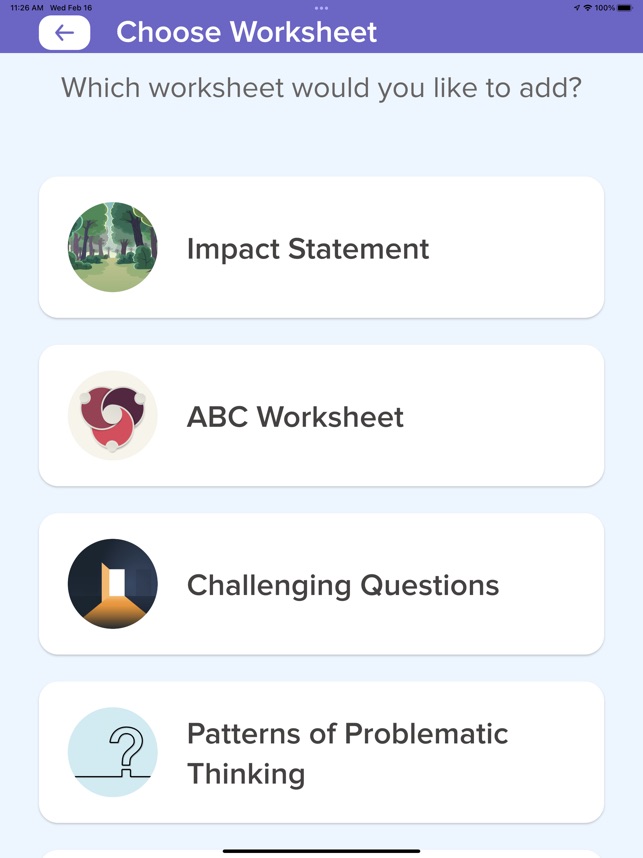


Detailed Description
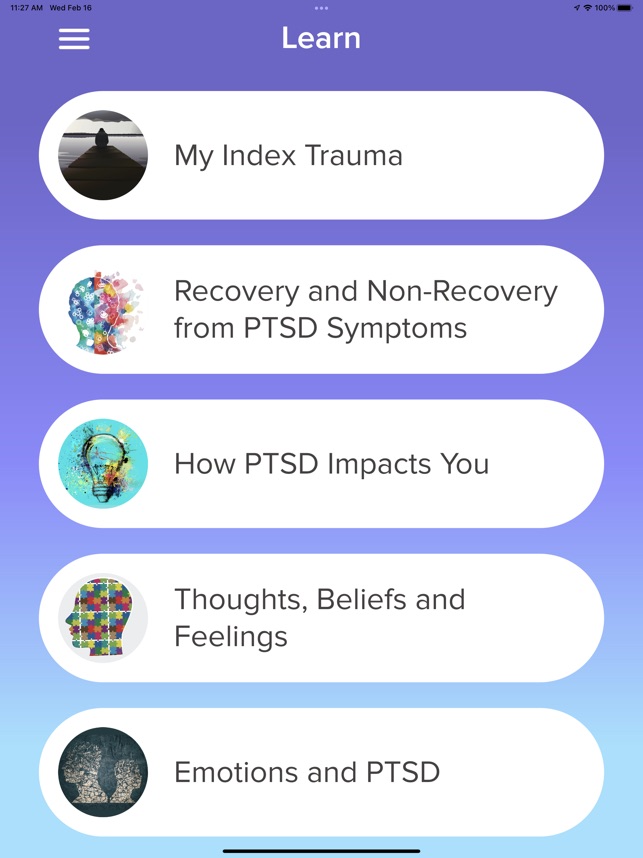
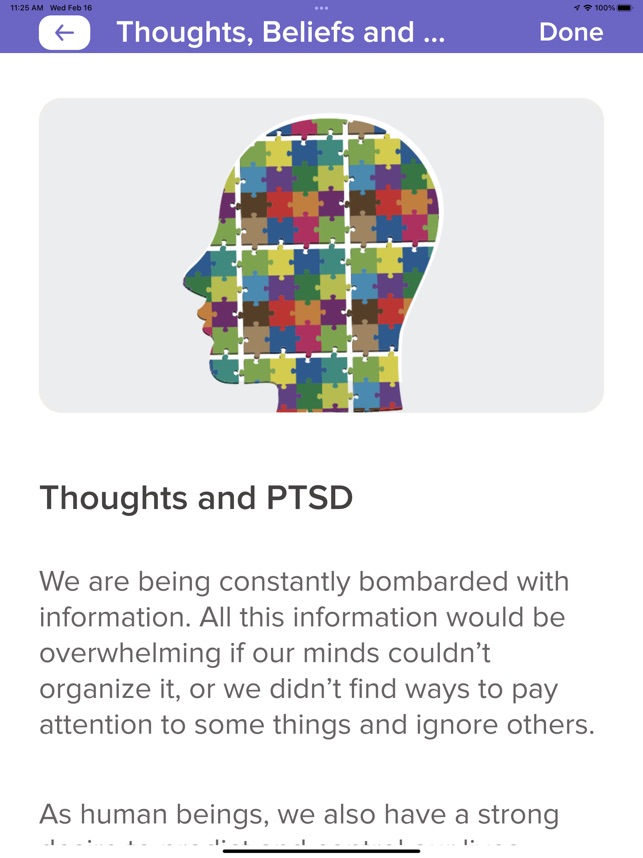
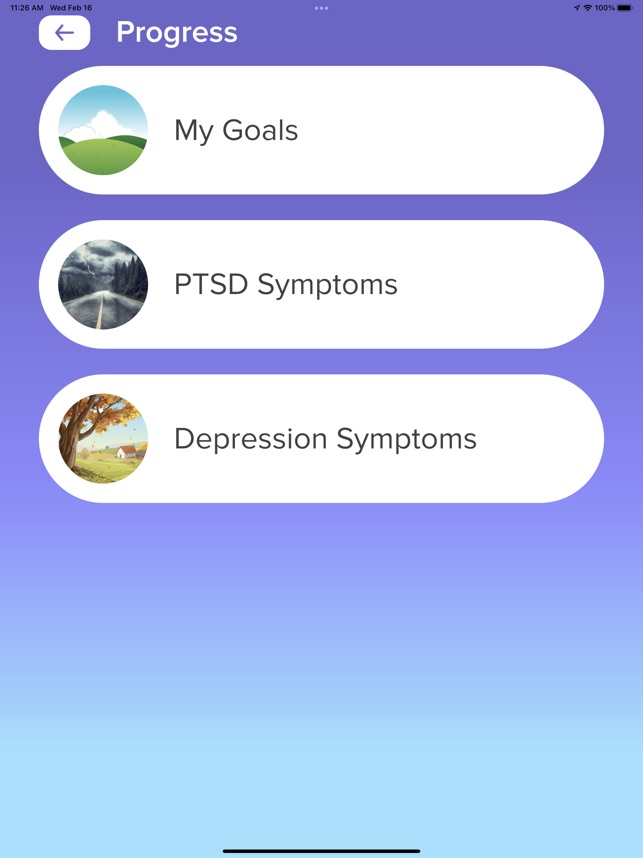
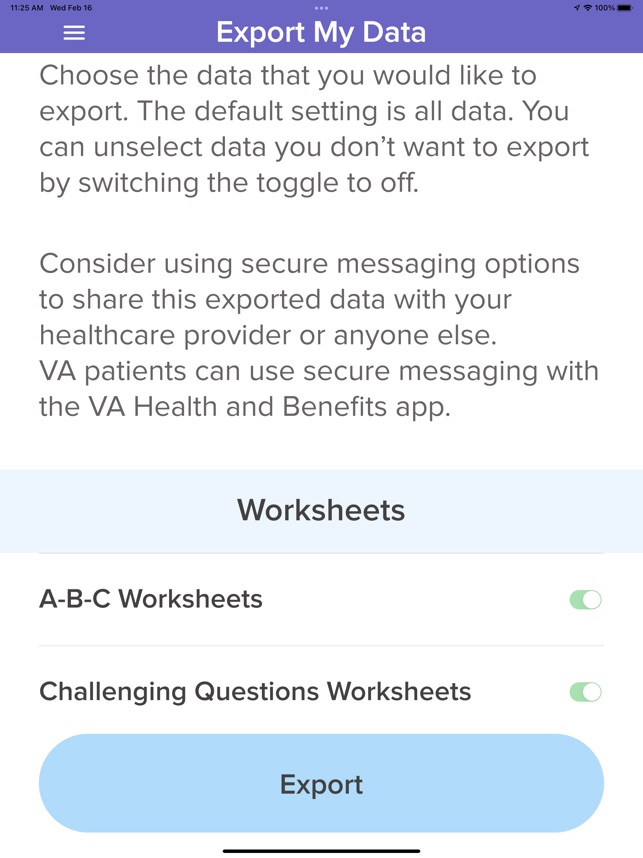
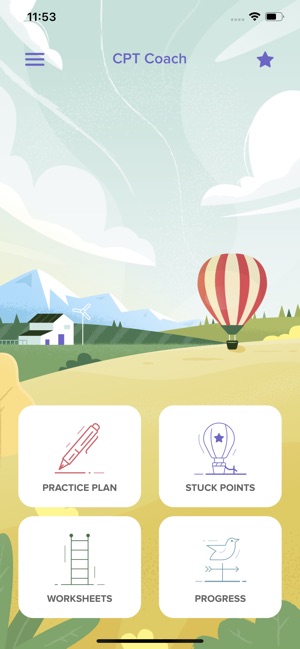
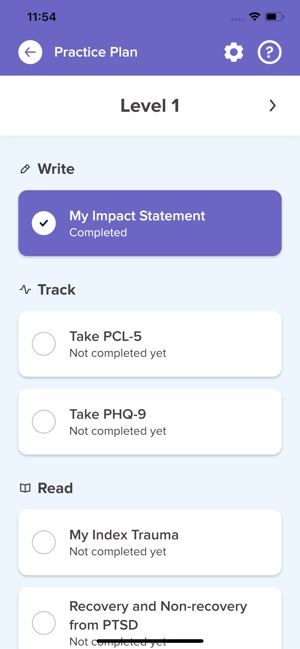
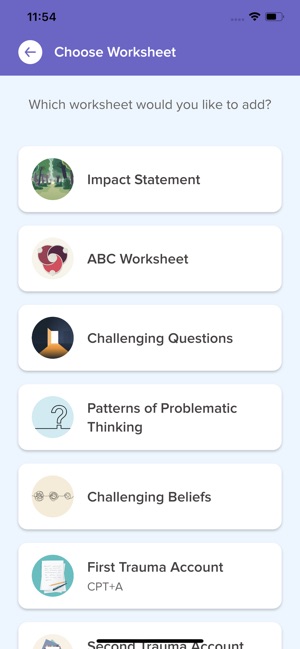
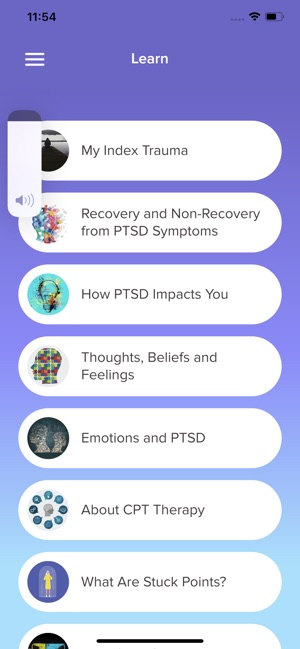
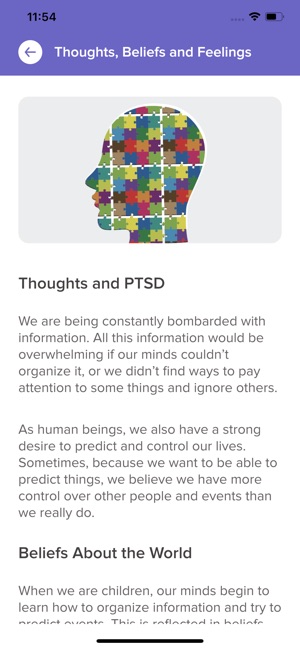
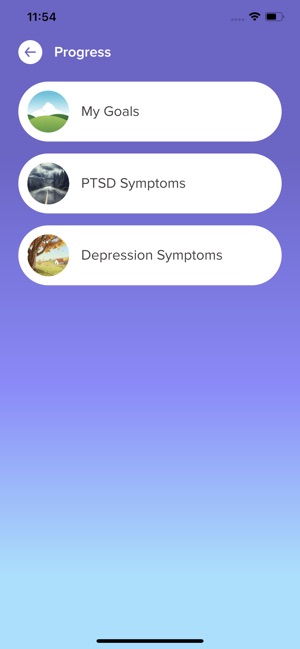
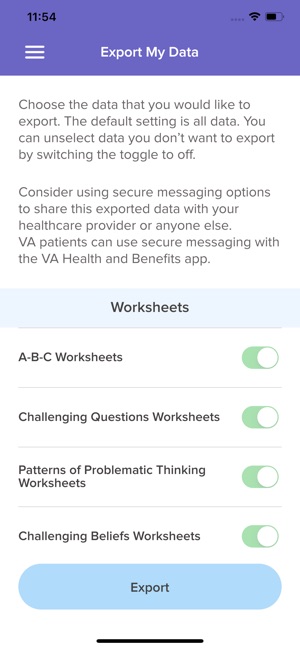
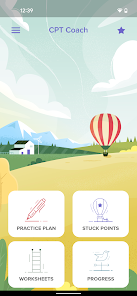
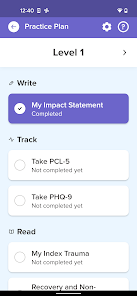
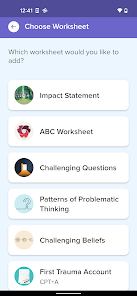
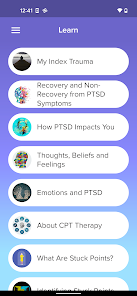
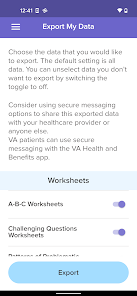
Functionality & Mechanism Developed by the National Center for PTSD, CPT Coach functions as a digital companion for patients engaged in Cognitive Processing Therapy (CPT) with a clinician. The system delivers structured support materials, including mobile versions of CPT worksheets, psychoeducational readings, and tools for managing between-session assignments. An integrated module facilitates the longitudinal tracking of post-traumatic stress disorder (PTSD) symptoms, reinforcing therapeutic concepts and tasks prescribed by the provider between clinical appointments.
Evidence & Research Context
- The app is part of a suite of mobile mental health tools developed by the U.S. Department of Veterans Affairs (VA) as part of a public health initiative to extend evidence-based care.
- General research from the developers describes the app portfolio's utility in bridging gaps in care, including for individuals with co-occurring substance use disorders.
- Evaluations of the broader NCPTSD app portfolio indicate that providers find the tools engaging, usable, and a beneficial supplement to traditional care models.
Intended Use & Scope This app is intended for use by patients as an adjunct to Cognitive Processing Therapy delivered by a professional mental healthcare provider. Its primary utility is to structure and support between-session therapeutic work. The system is not designed for self-help or as a standalone treatment for PTSD and does not replace professional clinical assessment, diagnosis, or treatment.
Studies & Publications
Peer-reviewed research associated with this app.
Mobile Mental Health Apps from the National Center for PTSD: Digital Self-Management Tools for Co-Occurring Disorders
McGee-Vincent et al. (2021) · Journal of Dual Diagnosis
Describes the research-driven development of this appVA mobile apps for PTSD and related problems: Public health resources for veterans and those who care for them
Owen et al. (2018) · mHealth
Describes the research-driven development of this appIn the Media
TikTok and Youth Mental Health: Weighing the Pros and Cons
The Depression and Bipolar Support Alliance examined TikTok's impact on youth mental health, noting that the platform has become a coping strategy for adolescents during the pandemic. According to Anne Marie Albano, PhD, director of the Columbia University Clinic for Anxiety and Related Disorders, "There are youth, especially those with social anxiety or depression, who may have a tendency to spend more time online and reduce their real, face-to-face contact with other folks." The analysis highlights concerns that excessive TikTok use may exacerbate feelings of alienation and isolation among the platform's predominantly young user base.
Mobile App: CPT Coach
The VA developed CPT Coach as a free mobile application to support patients undergoing Cognitive Processing Therapy for PTSD, providing digital versions of worksheets, symptom tracking, and treatment reminders. The app serves as a treatment companion that "may make it easier for you and your provider to follow the published CPT treatment manual" and potentially improve homework completion rates. CPT Coach is available on Apple and Android devices but requires use alongside a trained therapist.
App Information
Developer
US Department of Veterans AffairsCategory
Evidence Profile
Published in academic literature
Platforms
Updated
Aug 2026
© 2025 US Department of Veterans Affairs