CrushStations
Validated in clinical trials · Supported by multiple studies
App Summary
App Screenshots
Detailed Description
Functionality & Mechanism
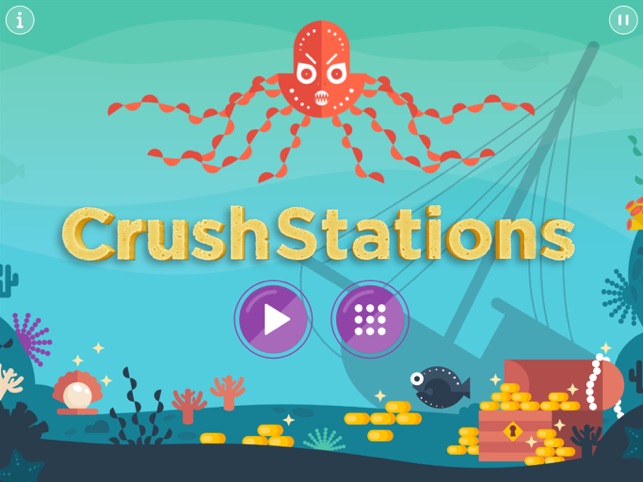
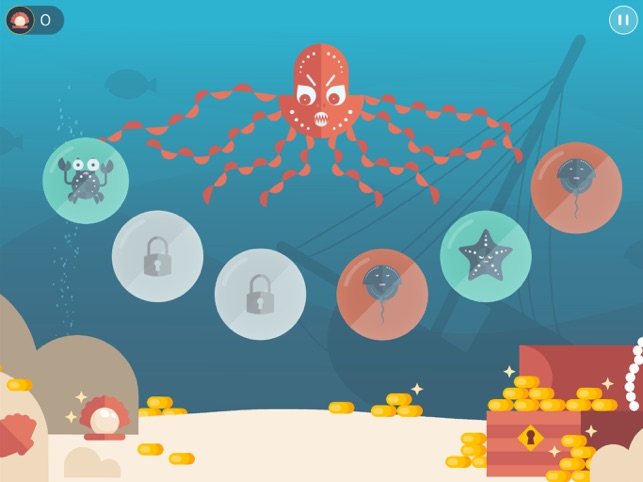
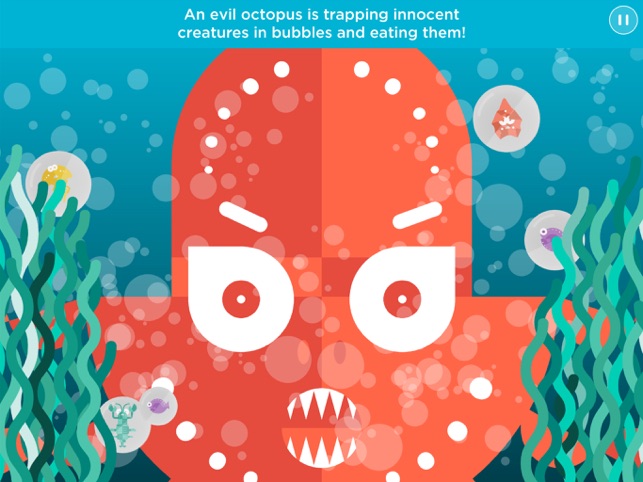
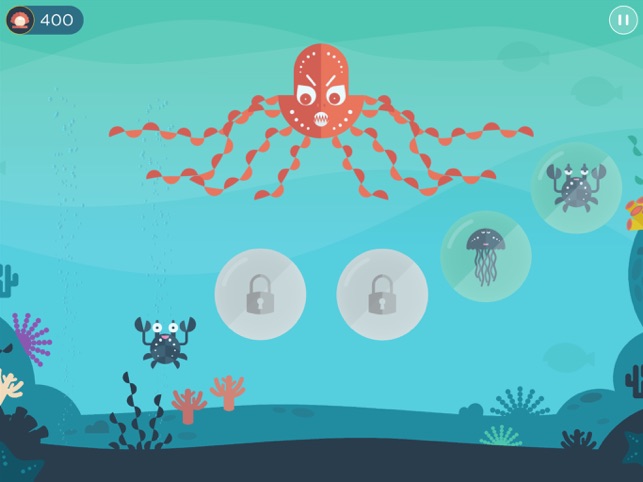
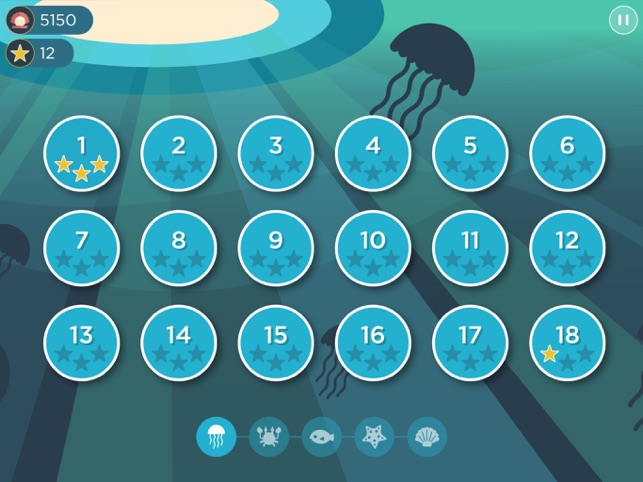
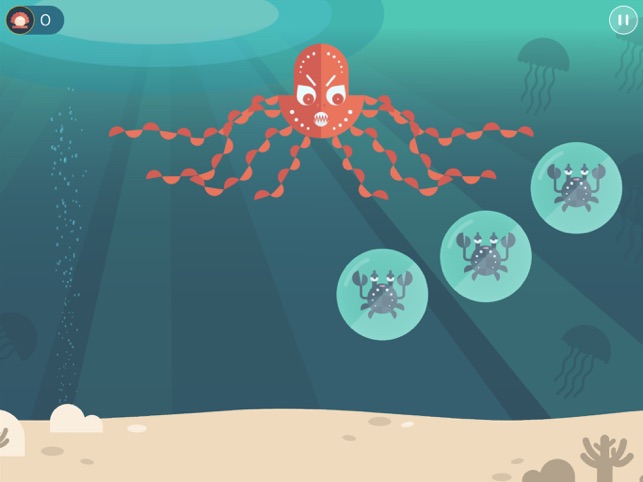
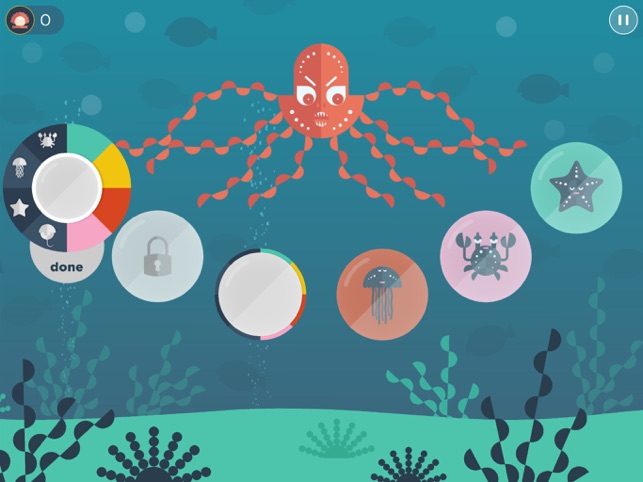
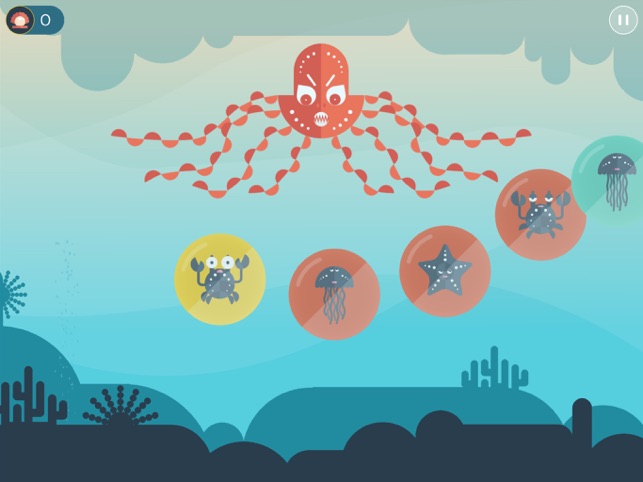
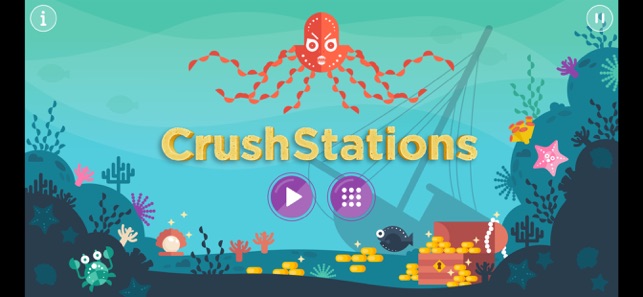
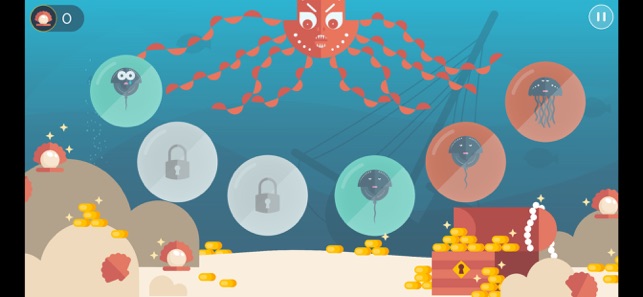
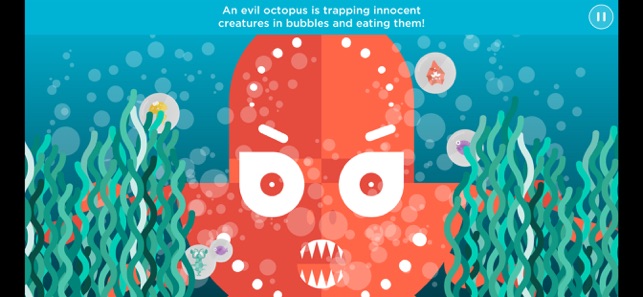
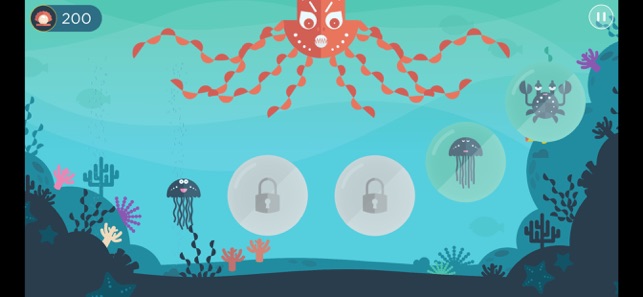
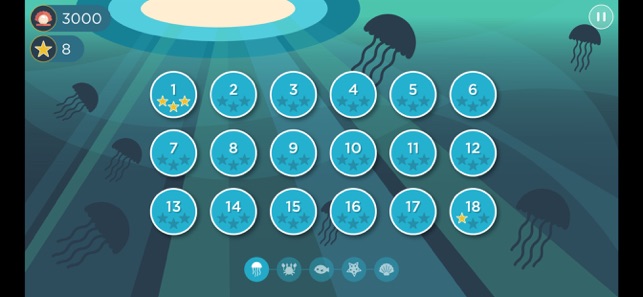
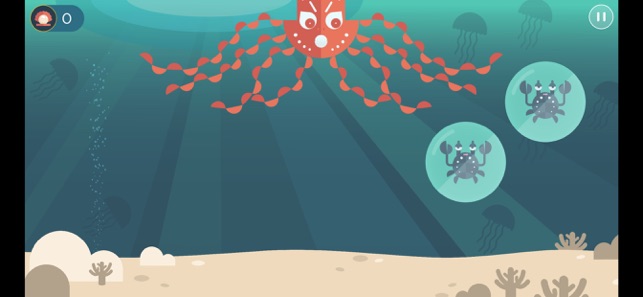
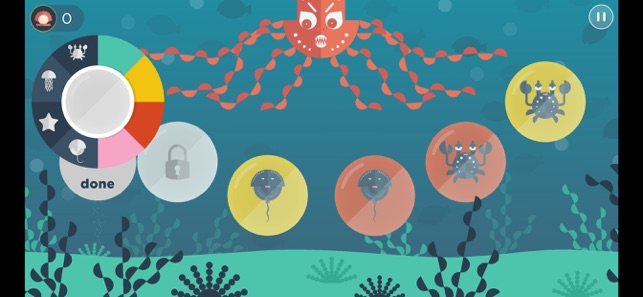
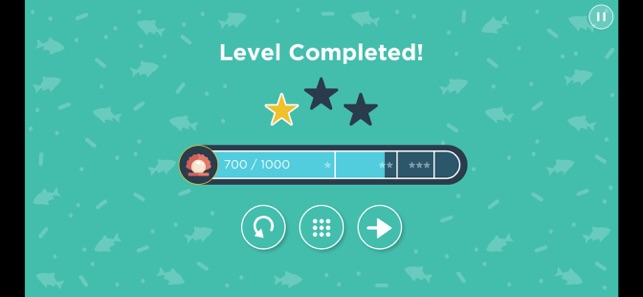
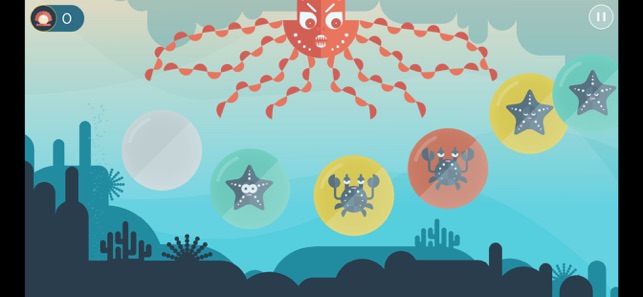
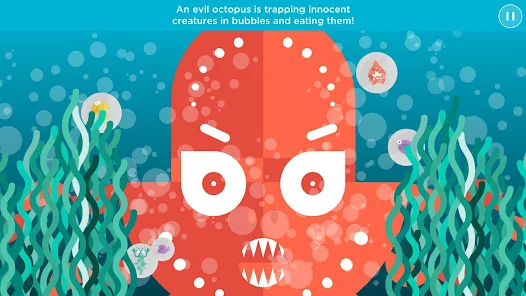
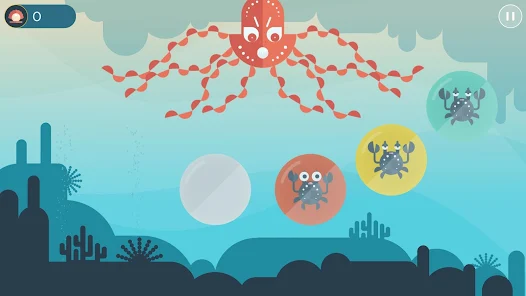
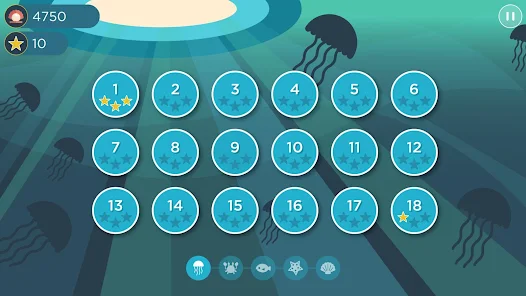
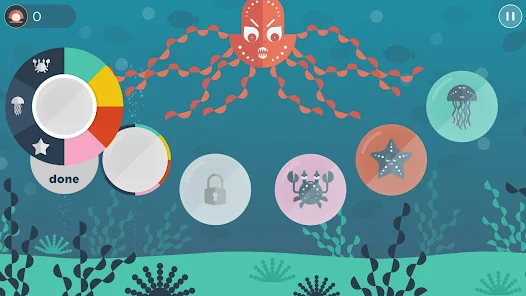
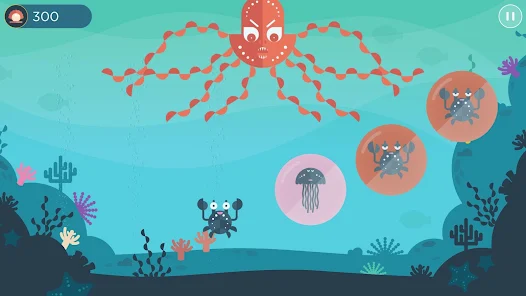
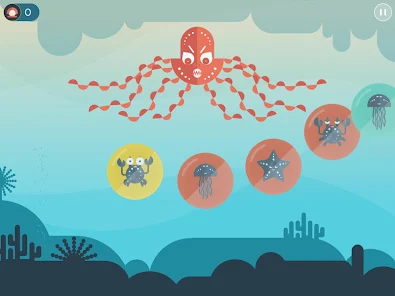
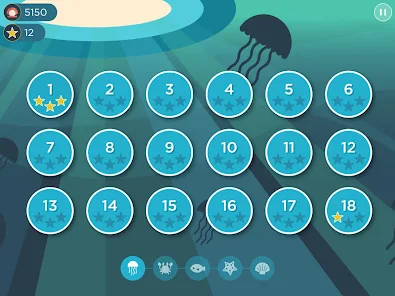
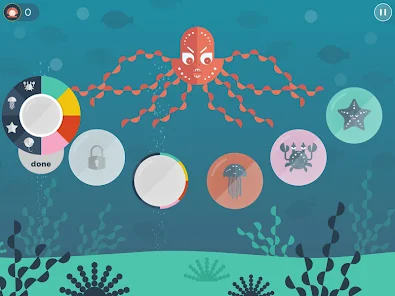
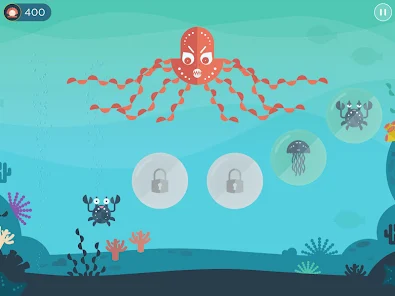
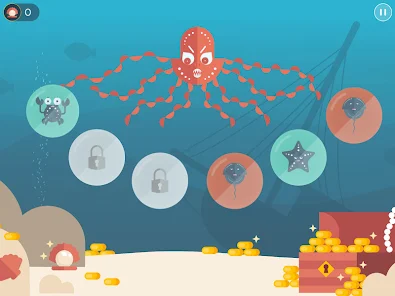
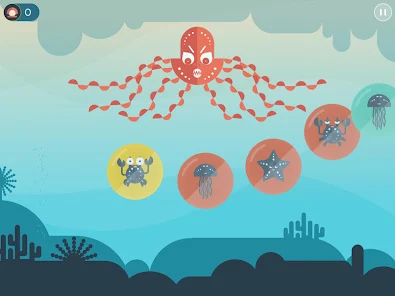
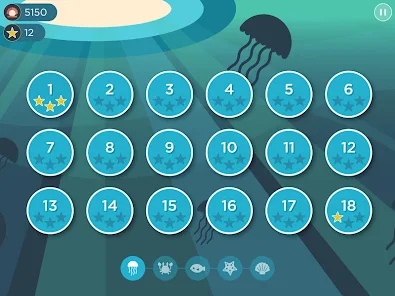
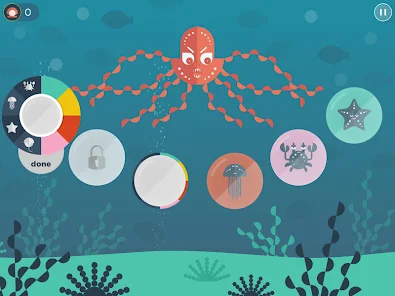
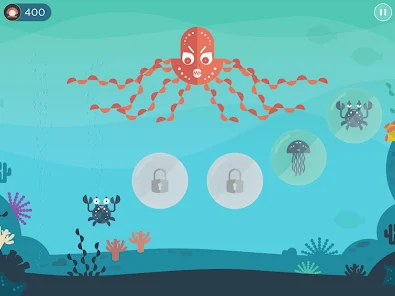
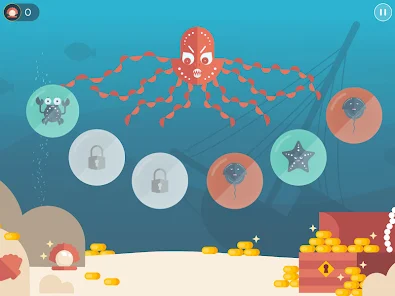
Developed by New York University's CREATE lab and collaborators, CrushStations is a digital game designed to train working memory, a core executive function. The game's primary mechanic requires players to hold and manipulate information about creature attributes (color and type) to complete tasks. Each session engages the cognitive process of 'updating'—the continuous monitoring and rapid revision of information held in memory. The interface delivers progressively challenging levels to systematically exercise this specific cognitive skill within a game-based context.
Evidence & Research Context
- A randomized study with young adults demonstrated that playing CrushStations led to significantly better performance on an external n-back working memory task compared to a control group.
- The same study found no transfer effects to non-targeted cognitive skills (visuospatial memory), supporting a specific, rather than general, mechanism of cognitive training.
- In a related trial with college students, games from the same development suite improved performance on difficult portions of an n-back task compared to a no-contact control group.
- The game's design is grounded in the cognitive theory of game-based training, targeting the "updating" component of working memory as defined by established executive function models.
Intended Use & Scope
CrushStations is designed for researchers investigating game-based cognitive training and for individuals seeking to exercise working memory skills. Its primary utility is as a targeted training tool for the "updating" subskill. The app is not a diagnostic instrument or a clinical intervention for cognitive impairment and should not replace professional consultation.
Studies & Publications
Peer-reviewed research associated with this app.
Learning Cognitive Skills by Playing Video Games at Home: Testing the Specific Transfer of General Skills Theory
Flores-Gallegos et al. (2022) · Journal of Cognitive Enhancement
Video game training showed benefits only on the hardest versions of specific tasks, not overall improvement.
Playing a Video Game and Learning to Think: What's the Connection?
Wells et al. (2021) · Journal of Cognitive Enhancement
Students who played CrushStations significantly outperformed the control game group on working memory tasks.
In the Media
These 3 brain games could boost your memory and thinking functions
Researchers at New York University developed CrushStations as part of a four-year research project to create targeted computer games that improve cognitive skills, specifically focusing on working memory training. The game successfully improved executive functions after as little as two hours of play, prompting the scholars to make it available to the general public for free. CrushStations involves crustaceans and trains working memory, which is responsible for temporarily holding and processing information that plays a major role in daily learning.
Professors Create Free Research-Backed Games to Train Your Brain
NYU Steinhardt Professor Jan L. Plass and colleagues from New York and California developed CrushStations to help children and adults improve their cognitive skills, using research-backed game design that targets executive functions like memory and inhibitory control. The team discovered that the games successfully improved executive functions after as little play as two hours, leading them to make the apps available to the general public for free. The project resulted from a 4-year research study funded by the U.S. Department of Education's Institute of Education Sciences.
App Information
Developer
New York UniversityCategory
Evidence Profile
Validated in clinical trials · Supported by multiple studies
Platforms
Updated
Feb 2026
© 2025 New York University