AppsFromResearch
Dementia CareAssist icon

Dementia CareAssist

Evidence Tier:DOCUMENTED

Published in academic literature

For:Patients & Caregivers

App Summary

Dementia CareAssist is a mobile resource designed to provide guidance and support for individuals living with Alzheimer's disease and their caregivers. The associated research, a systematic review of 100 publicly available dementia apps, identified carer resources and support tools as a primary category of digital health solutions for dementia care. The authors conclude there is a critical need for co-designed, evidence-based digital solutions that align with the evolving needs of people with dementia, carers, and clinicians.

App Screenshots

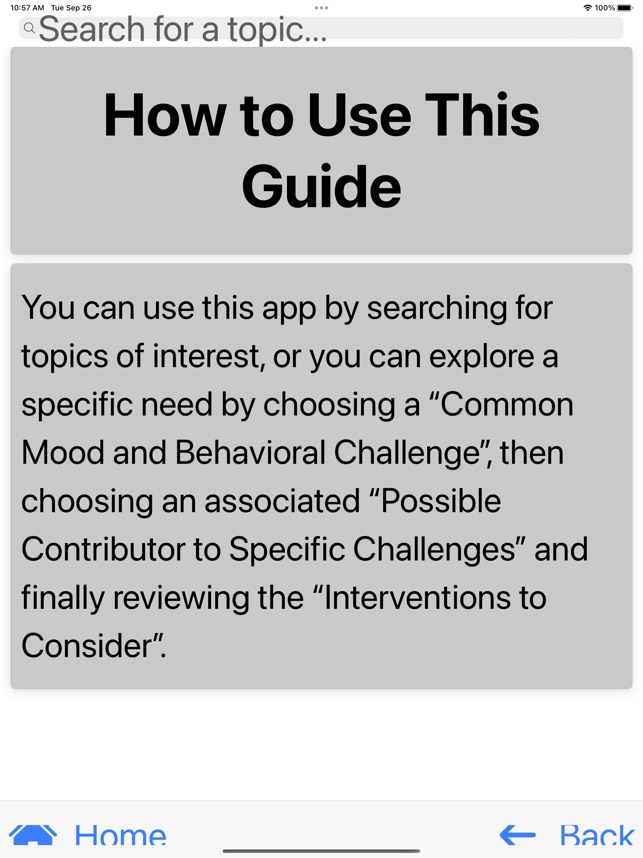
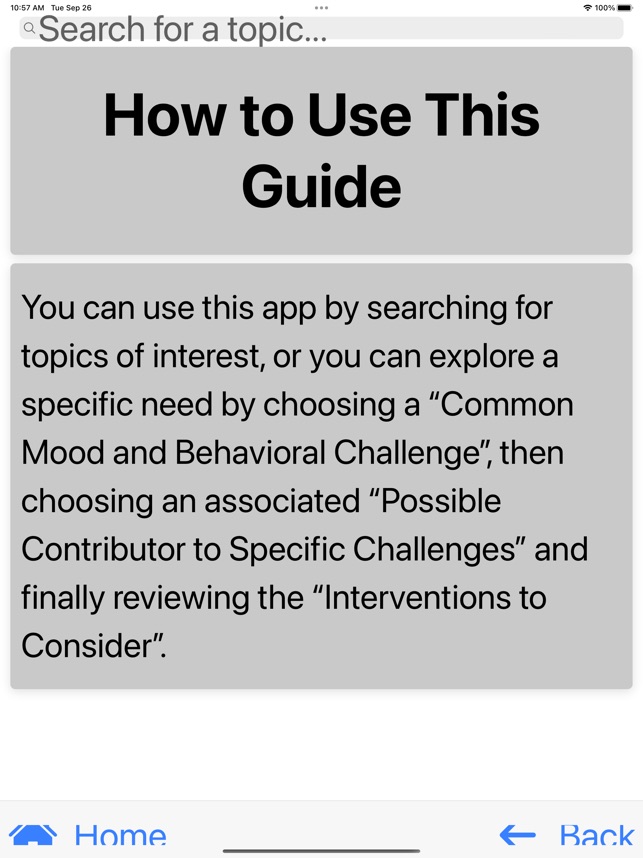
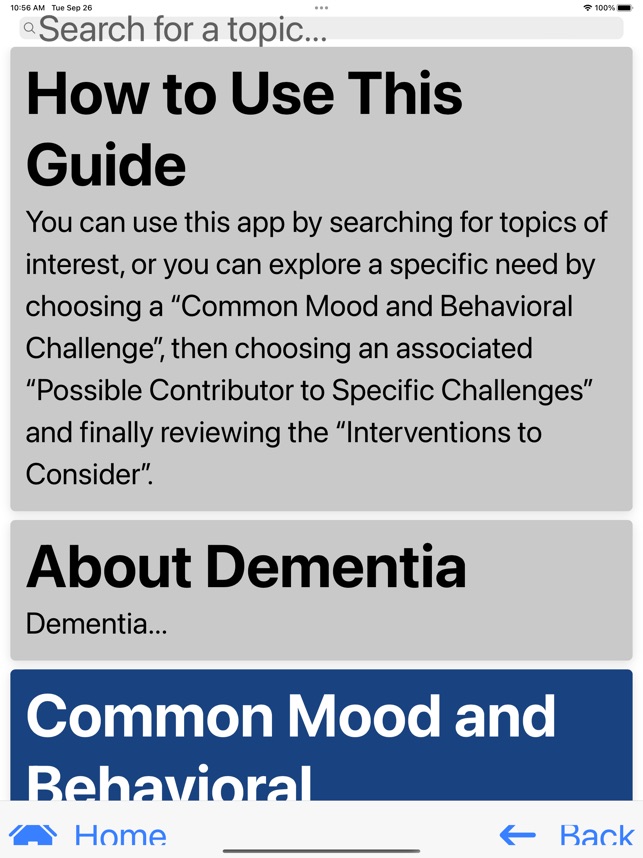
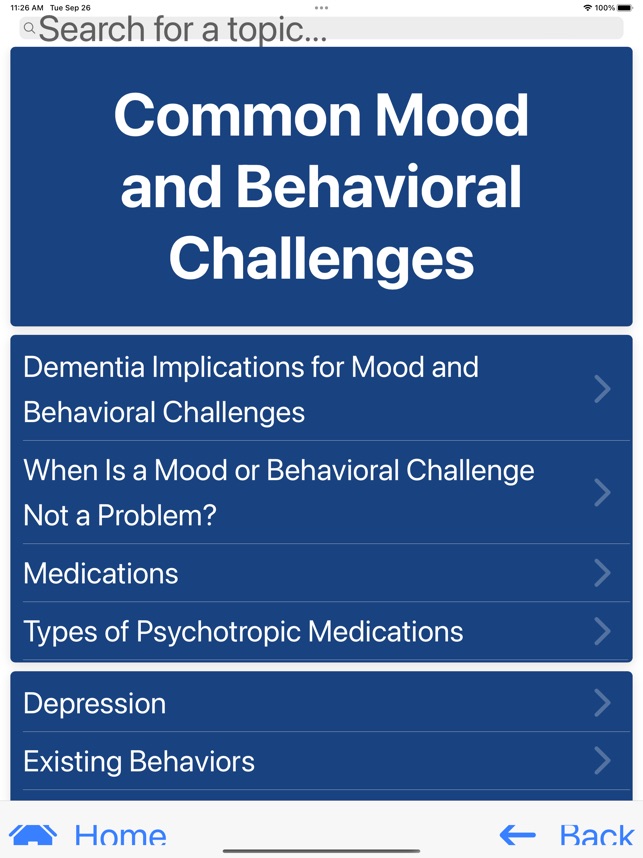
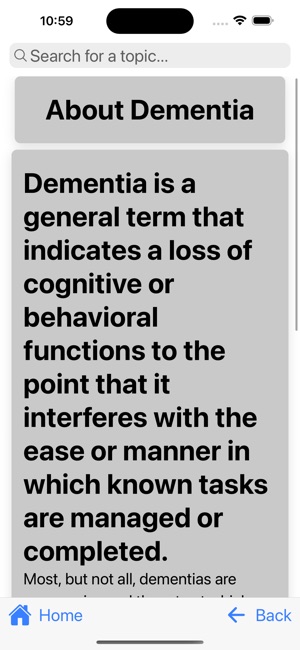
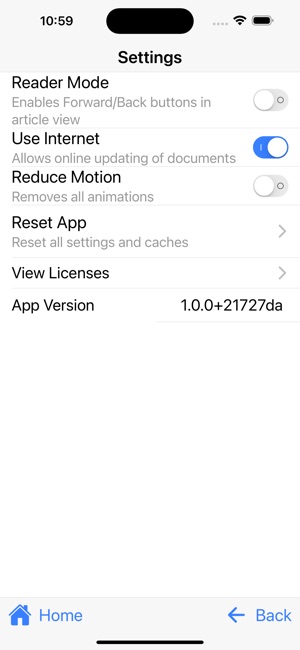
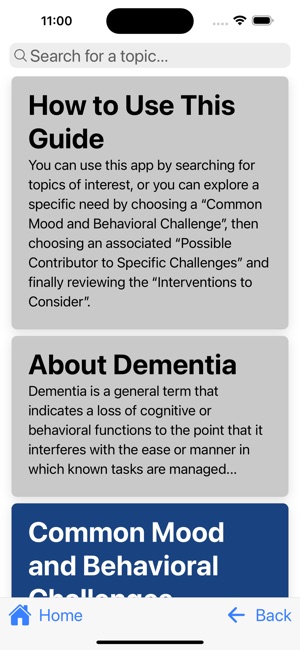
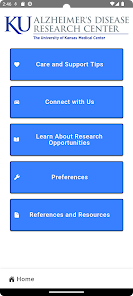
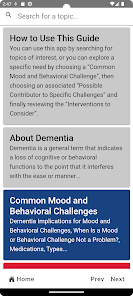
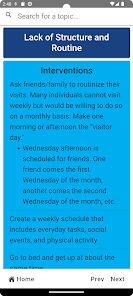
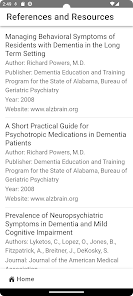
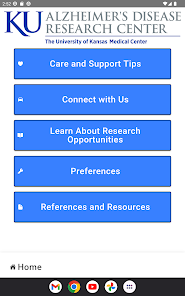
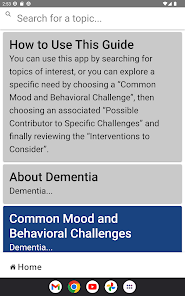
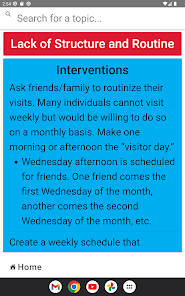
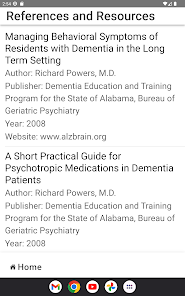
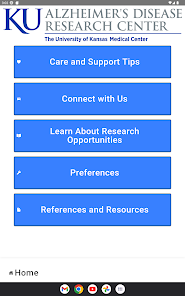
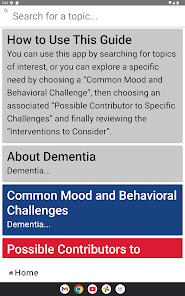
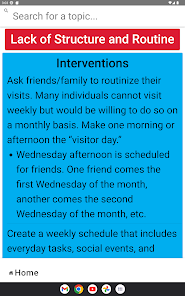
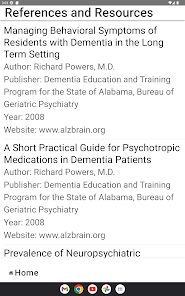
Dementia CareAssist screenshot 1 of 19Dementia CareAssist screenshot 2 of 19Dementia CareAssist screenshot 3 of 19Dementia CareAssist screenshot 4 of 19Dementia CareAssist screenshot 5 of 19Dementia CareAssist screenshot 6 of 19Dementia CareAssist screenshot 7 of 19Dementia CareAssist screenshot 8 of 19Dementia CareAssist screenshot 9 of 19Dementia CareAssist screenshot 10 of 19Dementia CareAssist screenshot 11 of 19Dementia CareAssist screenshot 12 of 19Dementia CareAssist screenshot 13 of 19Dementia CareAssist screenshot 14 of 19Dementia CareAssist screenshot 15 of 19Dementia CareAssist screenshot 16 of 19Dementia CareAssist screenshot 17 of 19Dementia CareAssist screenshot 18 of 19Dementia CareAssist screenshot 19 of 19

Detailed Description

Functionality & Mechanism

Dementia CareAssist functions as a comprehensive informational resource for caregivers and families of individuals with Alzheimer's disease. The system delivers a curated collection of educational modules and practical support tools through a mobile interface. Navigation is structured around key domains of dementia care, allowing access to guidance on managing daily activities, understanding disease progression, and locating community resources. The application is designed to provide on-demand, structured information to support informed caregiving decisions and enhance caregiver knowledge.

Evidence & Research Context

  • In a systematic review of 100 dementia-related mobile applications, this tool was classified within the carer resource and support platform category.
  • The review noted a predominance of such informational tools (28% of apps surveyed), which serve to educate and guide non-professional caregivers.
  • Associated research highlights that most publicly available dementia apps in this category currently lack empirical validation for efficacy or direct integration with clinical systems.
  • The authors emphasize a field-wide need for co-designed, evidence-based digital solutions that are rigorously evaluated for both usability and clinical outcomes.

Intended Use & Scope

The application is intended for non-clinical use by caregivers and family members seeking educational resources on dementia care. Its primary utility is to provide informational support and practical guidance. This tool does not perform clinical assessments, offer medical advice, or replace consultation with healthcare professionals for diagnosis and treatment management.

Studies & Publications

1 publication

Peer-reviewed research associated with this app.

Non-Evaluative Reference

Digital Dementia: Smart Technologies, mHealth Applications and IoT Devices, for Dementia-Friendly Environments

Suvish et al. (2025) · Journal of Sensor and Actuator Networks

Promising dementia apps identified but major gaps remain in clinical validation and ethical safeguards.
The global increase in dementia cases, which is predicted to exceed 152 million by 2050, poses substantial challenges to healthcare systems and caregiving structures. Concurrently, the expansion of mobile health (mHealth) technologies offers scalable, cost-effective opportunities for dementia care. This study systematically reviews 100 publicly available dementia-related mobile applications on the Apple App Store (iOS) and the Google Play Store (Android), categorised using the Mobile App Rating Scale (MARS), as well as the targeted end-users, Internet of Things (IoT) integration, data protection, and cost burden. Applications were evaluated for their utility in cognitive training, memory support, carer education, clinical decision-making, and emotional well-being. Findings indicate a predominance of carer resources and support tools, while clinically integrated platforms, cognitive assessments, and adaptive memory aids remain underrepresented. Most apps lack empirical validation, inclusive design, and integration with electronic health records, raising ethical concerns around data privacy, transparency, and informed consent. In parallel, the study identifies promising pathways for energy-optimised IoT systems, Artificial Intelligence (AI), and Ambient Assisted Living (AAL) technologies in fostering dementia-friendly, sustainable environments. Key gaps include limited use of low-power wearables, energy-efficient sensors, and smart infrastructure tailored to therapeutic needs. Application domains such as cognitive training (19 apps) and carer resources (28 apps) show early potential, while emerging innovations in neuroadaptive architecture and emotional computing remain underexplored. The findings emphasize the need for co-designed, evidence-based digital solutions that align with the evolving needs of people with dementia, carers, and clinicians. Future innovations must integrate sustainability principles, promote interoperability, and support global aging populations through ecologically responsible, person-centred dementia care ecosystems.
... Read More

Dementia CareAssist

Free