
Gwakkamole
Studied in clinical trials · Mixed evidence
App Summary
App Screenshots
















Detailed Description
Functionality & Mechanism
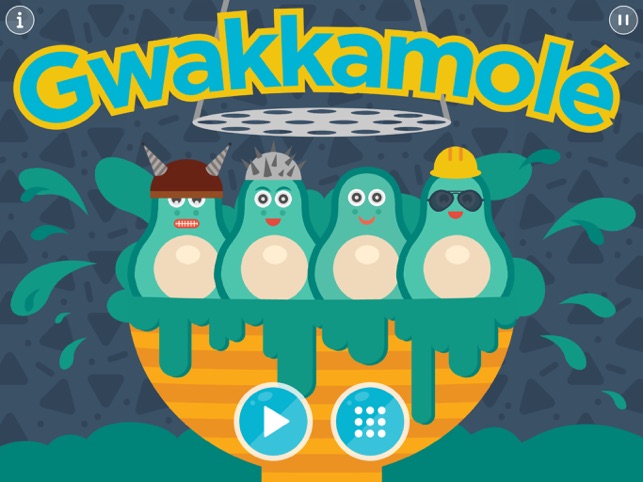
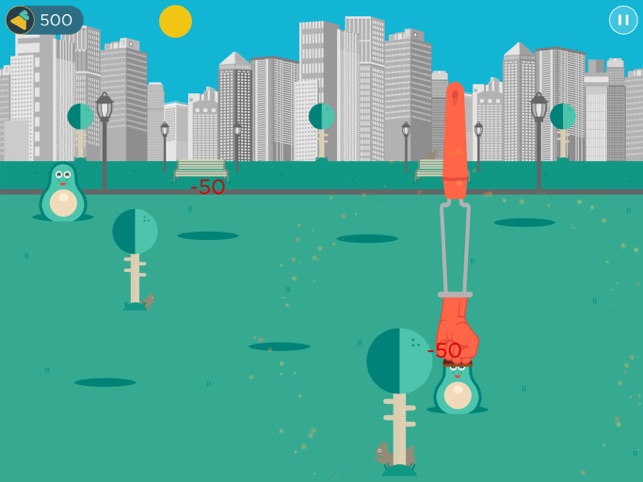
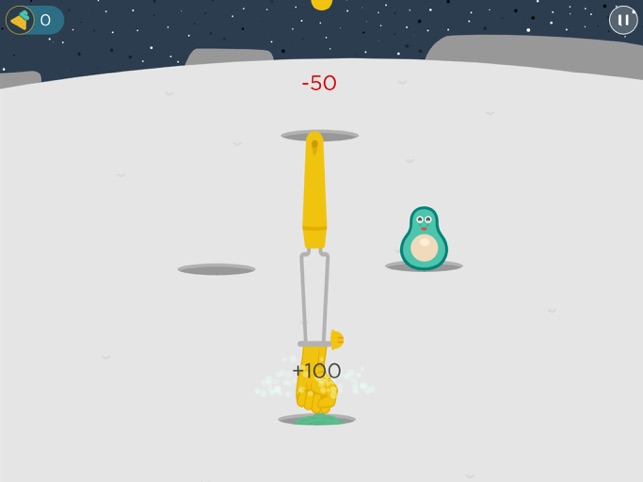
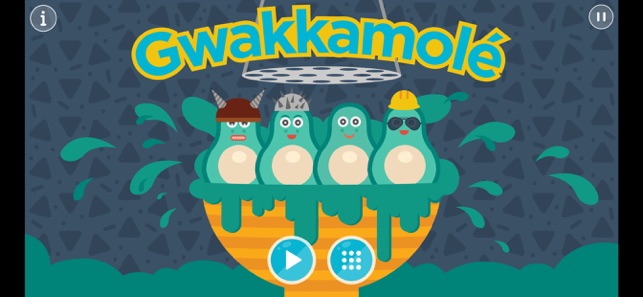
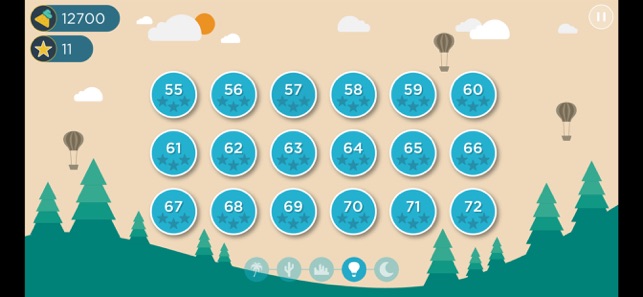
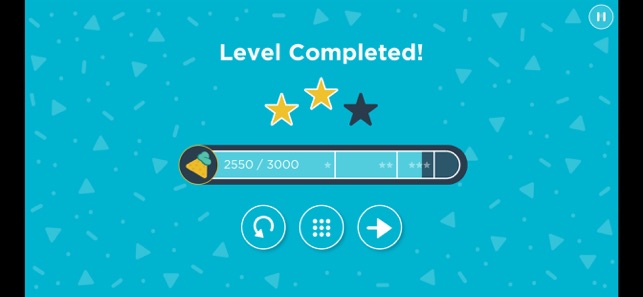
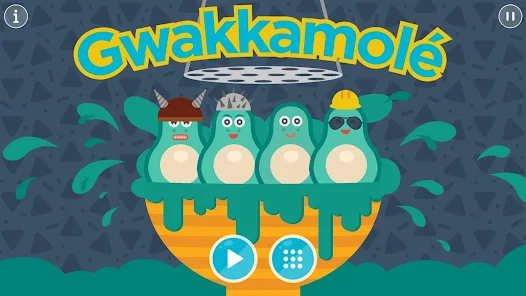
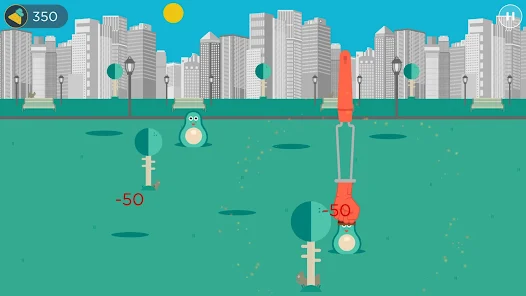
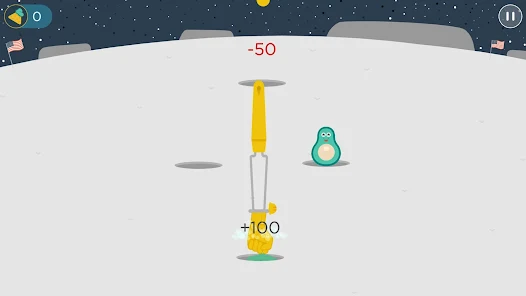
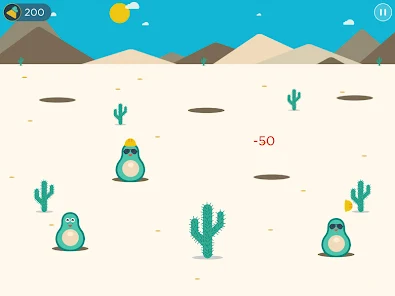
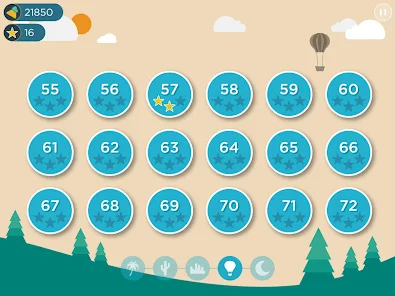
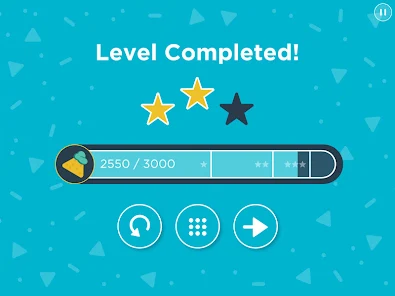
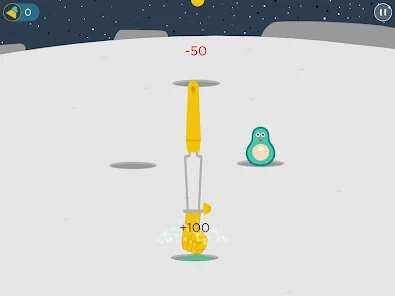
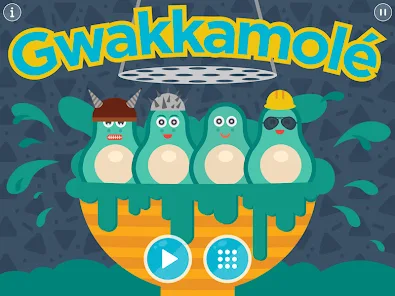
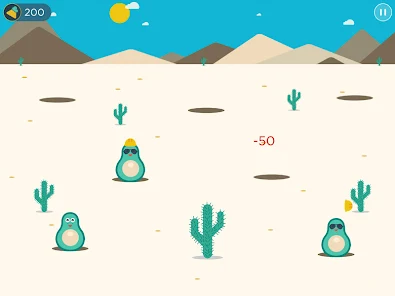
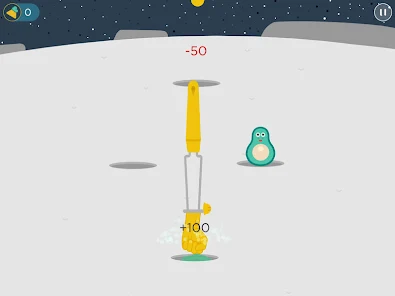
Gwakkamole is a cognitive training game developed by New York University's CREATE lab to exercise inhibitory control, a core executive function. The interface employs a go/no-go task paradigm, requiring players to execute rapid motor responses (smashing avocados) for target stimuli while inhibiting responses to non-target stimuli identified by visual cues. Gameplay sessions are designed to provide repeated, targeted practice of this cognitive skill, with system variations that can be configured to prioritize either response speed or accuracy.
Evidence & Research Context
- A study of adolescents (N=96) demonstrated that training efficacy is contingent on the game version; younger adolescents showed greater improvement with a speed-focused version, whereas older adolescents benefited more from an accuracy-focused one.
- Two experiments conducted with young adults found the game did not significantly improve inhibition scores compared to a control game and was rated lower on measures of engagement and challenge within this population.
- In a separate study of college students, playing a suite of executive function training games yielded performance gains on the difficult trials of a transfer task (n-back) but did not result in generalized improvement across all tasks.
Intended Use & Scope
This tool is intended for researchers and educators for the targeted training of inhibitory control, primarily in adolescent populations. Its utility is in providing a gamified environment to exercise a specific cognitive mechanism. The system is not a diagnostic tool or a clinical intervention. Evidence indicates limited effectiveness in young adults, and transfer of skills to broader academic or real-world contexts has not been established.
Studies & Publications
Peer-reviewed research associated with this app.
Learning Cognitive Skills by Playing Video Games at Home: Testing the Specific Transfer of General Skills Theory
Flores-Gallegos et al. (2022) · Journal of Cognitive Enhancement
Showed improvement on difficult attention tasks but not on other cognitive measures.
Limits on Training Inhibitory Control with a Focused Video Game
Wells et al. (2020) · Journal of Cognitive Enhancement
Did not improve inhibition skills and was less engaging than control games.
In the Media
CREATE News
NYU Steinhardt's CREATE program developed Gwakkamole as a free cognitive skills training game, releasing it alongside two other brain training apps on major mobile platforms. The research team announced the launch of "All You Can ET, Gwakkamole, CrushStations" as free downloads available in the AppStore and on Google Play. These games represent the program's effort to make research-based cognitive training accessible to mobile users.
Professors Create Games to Improve Brain Function
NYU Steinhardt Professor Jan L. Plass and colleagues from New York and California developed Gwakkamole to improve cognitive skills, using research-backed game design that targets executive functions like memory and inhibitory control. "We designed three games to support learners in developing cognitive skills that researchers have identified as essential for success in daily life, executive functions," said Plass. The games successfully improved executive functions after as little as two hours of play and were made available for free following a 4-year research project funded by the U.S. Department of Education's Institute of Education Sciences.
Professors Create Free Research-Backed Games to Train Your Brain
NYU Steinhardt Professor Jan L. Plass and colleagues from New York and California developed Gwakkamole to improve cognitive skills like memory and inhibitory control, using research-backed digital game design funded by the U.S. Department of Education's Institute of Education Sciences. "Can games actually have positive effects on players? We believe they can, and we designed three games to support learners in developing cognitive skills that researchers have identified as essential for success in daily life, executive functions," said Plass. The researchers discovered that the games successfully improved executive functions after as little as two hours of play and made them available to the public for free.
App Information
Developer
New York UniversityCategory
Evidence Profile
Studied in clinical trials · Mixed evidence
Platforms
Updated
Feb 2026
© 2025 New York University