
Marine Debris Tracker
Assessed for usability and quality
App Summary
App Screenshots
Detailed Description
Functionality & Mechanism
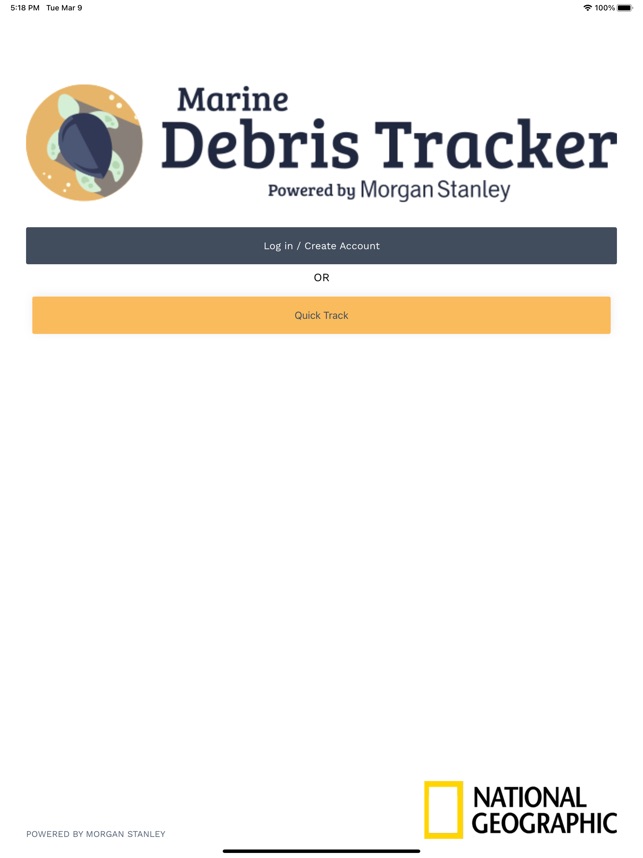
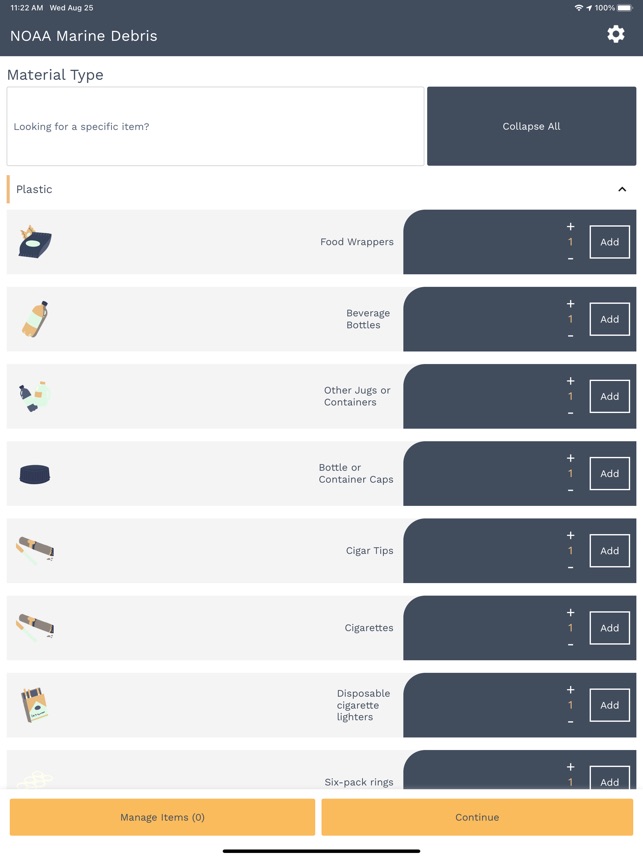
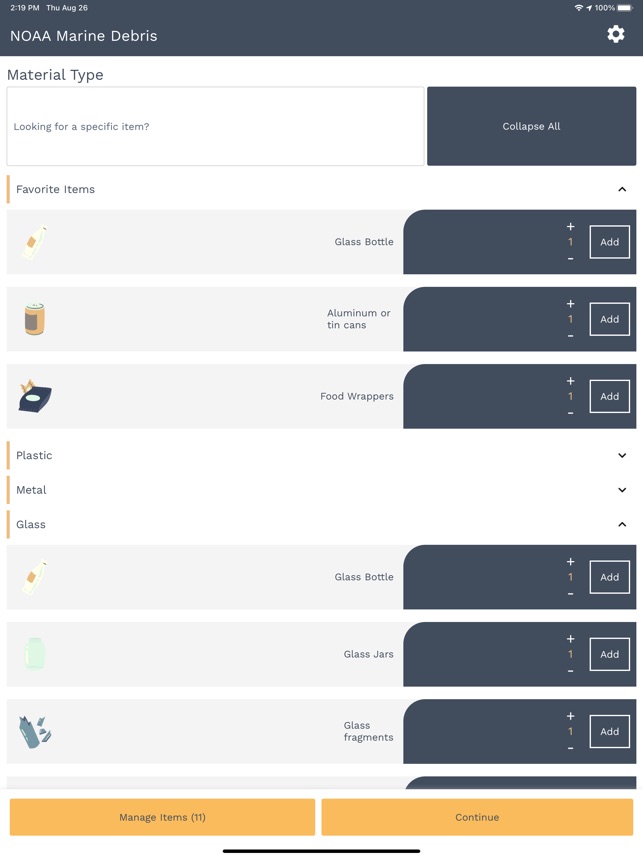
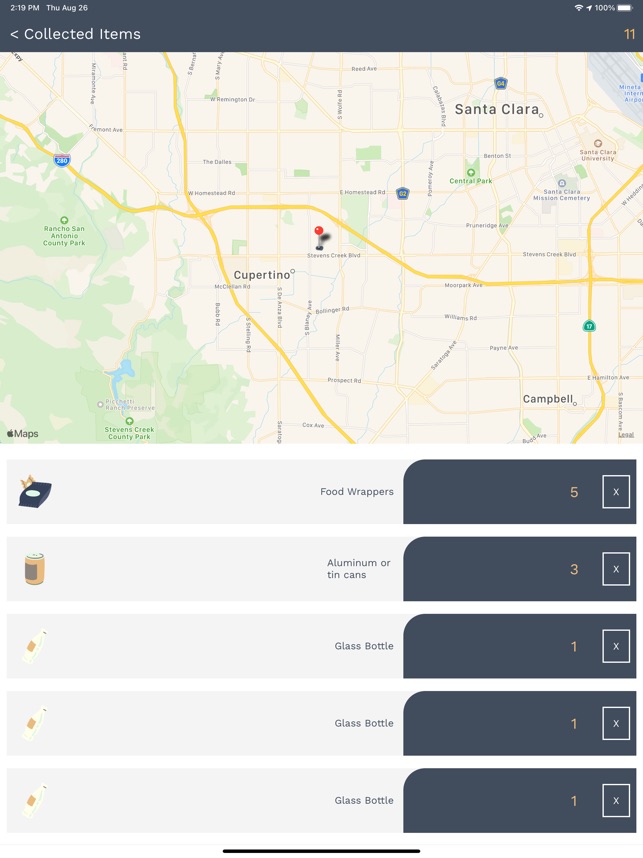
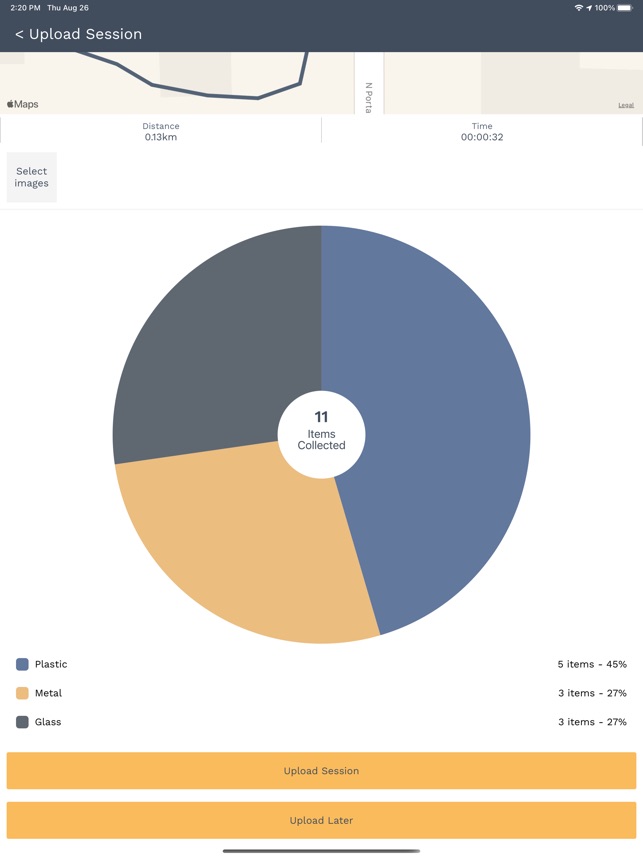
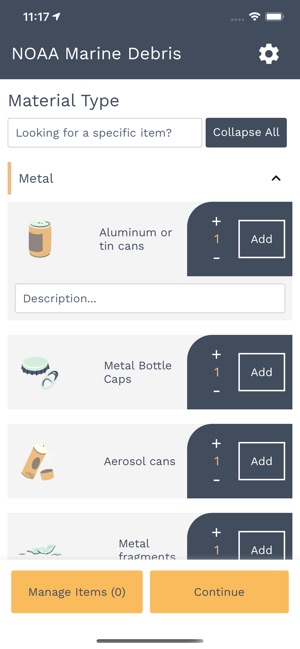
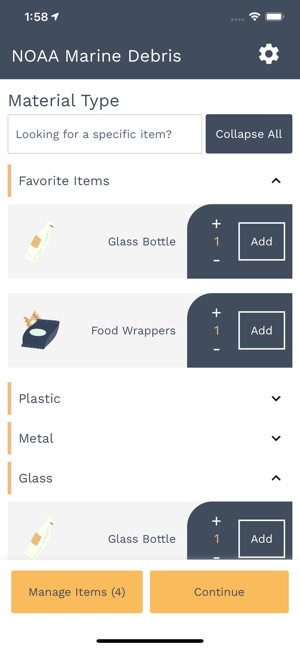
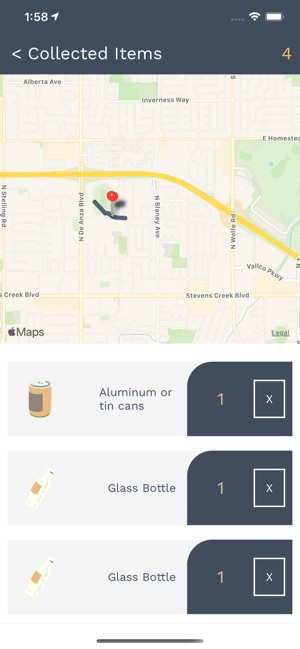
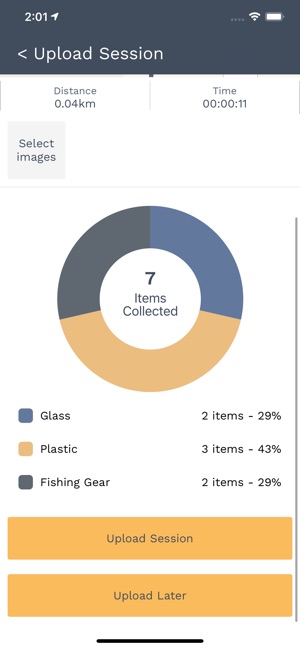
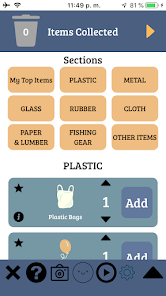
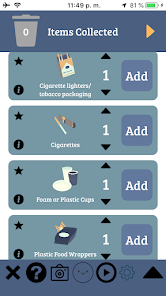
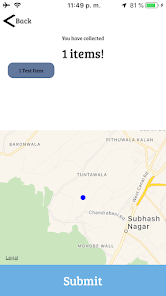
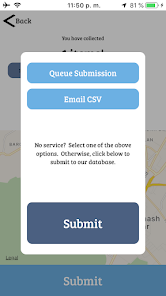
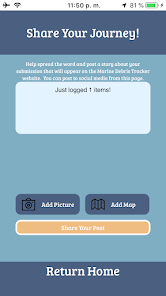
Developed by the University of Georgia College of Engineering and the NOAA Marine Debris Program, this application functions as a mobile instrument for citizen science-based data collection. The system utilizes a device's GPS to log the location and type of marine and inland debris. A user session involves initiating a tracking log and selecting debris items from a standardized, hierarchical list. Each entry is geotagged and submitted to a centralized, open-access database, contributing to a global dataset on litter distribution.
Evidence & Research Context
- The application was designed to standardize global data collection on environmental debris, addressing methodological inconsistencies of localized, paper-based monitoring efforts, as detailed in its associated research.
- An evaluation study (N=25) conducted on the U.S. West Coast indicated high user satisfaction regarding the app's ease of use and the perceived value of contributing data.
- The same evaluation study identified a need for enhanced user guidance, including improved tutorials and clearer communication on the specific applications of the collected data.
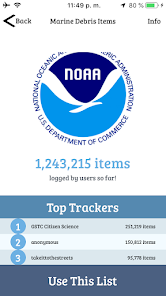
- The platform has been utilized to create global and local distribution maps, with associated research noting plastic as the most frequently logged category among over 400,000 tracked items.
Intended Use & Scope
This tool is designed for researchers, educators, non-profit organizations, and citizen scientists for the purpose of large-scale environmental data collection. Its primary utility is to crowdsource geolocated data on debris to support scientific inquiry and inform policy. The application is a data aggregation platform and does not provide analysis, interpretation, or pollution mitigation guidance.
Studies & Publications
Peer-reviewed research associated with this app.
Evaluation of the Marine Debris Tracker App on the U.S. West Coast
Hann et al. (2017) · NOAA Marine Debris Program
Volunteers found the app easy to use and worthwhile for tracking marine debris.
Citizen-based Litter and Marine Debris Data Collection and Mapping
Jambeck et al. (2015) · Computing in Science & Engineering
Describes the research-driven development of this appIn the Media
The Debris Tracker Story
Dr. Jenna Jambeck and Dr. Kyle Johnson at the University of Georgia developed Marine Debris Tracker in 2010 to address the lack of plastic pollution data, using smartphone technology to collect geo-spatial information on debris types in communities worldwide. "Collecting data on plastic pollution, which was largely lacking at the time, was a key step to understanding the problem and creating solutions," says Dr. Jambeck. The app was developed with support from the NOAA Marine Debris Program and later became Debris Tracker as data revealed much ocean debris originates from inland sources.
Debris Tracker can help solve plastic waste problem
University of Georgia engineering professors Jenna Jambeck and Kyle Johnsen developed Marine Debris Tracker to combat plastic waste pollution, using an open-data platform that enables users to log debris while accessing educational materials. The app has tracked over 2 million items to date and operates as "the only litter-tracking tool that enables users to learn by exploring and contributing" to scientific research. Launched in 2011, the platform receives support through partnerships with Morgan Stanley and the National Geographic Society.
Marine Debris Tracker App Reaches a Data Milestone!
The NOAA Marine Debris Program and Southeast Atlantic Marine Debris Initiative (SEA-MDI) developed Marine Debris Tracker as a joint initiative since 2010 to combat marine pollution through citizen science data collection. The app recently reached a significant milestone by logging 2 million pieces of litter and debris from around the world, while partnering with organizations like the Georgia Sea Turtle Center and National Geographic's "Sea to Source" Expeditions. The updated platform now features a more user-friendly interface supporting over 5 languages and enhanced filter options for personalized debris tracking.
UGA's Marine Debris Tracker named in Apple apps we can't live without
University of Georgia assistant engineering professor Jenna Jambeck developed Marine Debris Tracker in collaboration with the National Oceanic and Atmospheric Administration to address global ocean pollution by allowing users to log debris findings into a comprehensive database. Apple featured the app in its "Apps We Can't Live Without" video at the Worldwide Developers Conference, where oceans advocate Emily Penn stated it "allows you to enter the debris that you find into a global database so that we can start to build up a bigger picture of this problem around the world."
New cell phone app allows beachgoers to report marine debris
The University of Georgia and NOAA teamed up to create the Marine Debris Tracker app to combat marine debris problems by empowering citizens to track where debris accumulates on beaches and waterways. "If you are noticing marine debris, you are also much less likely to litter," said Jenna Jambeck, assistant professor of environmental engineering at UGA and one of the app's developers. The tool allows users to report debris type and location through GPS features, with data posted on an interactive website for designing prevention plans.
App Information
Category
Evidence Profile
Assessed for usability and quality
Platforms
Updated
Jan 2026
© 2025 National Oceanic and Atmospheric Administration