
Mind Window
Published in academic literature
App Summary
App Screenshots

Detailed Description
Functionality & Mechanism
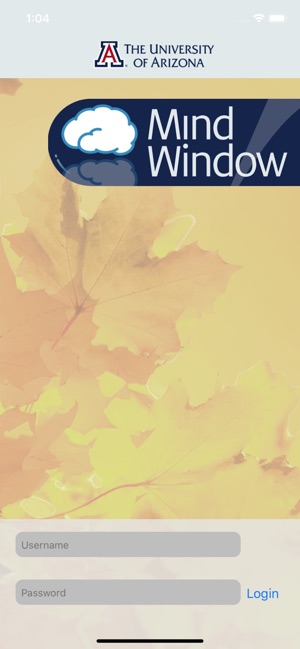
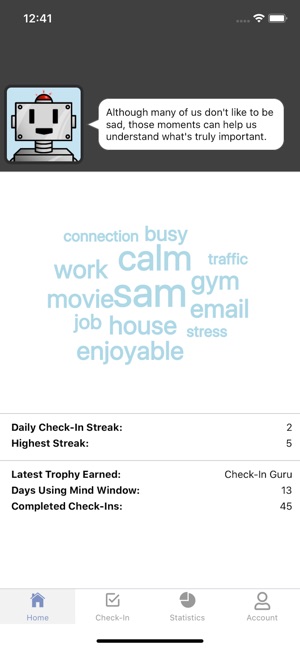
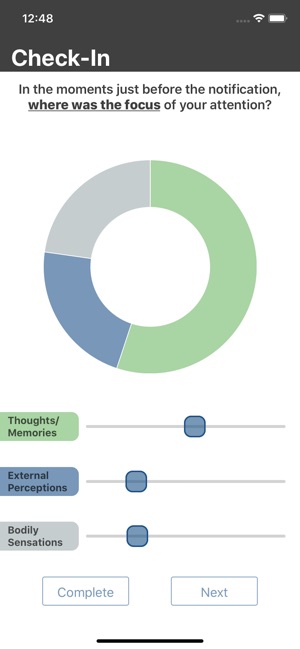
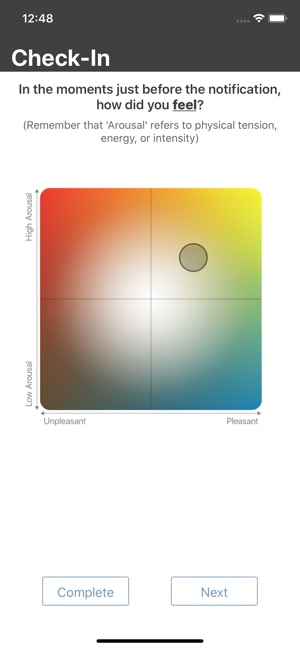
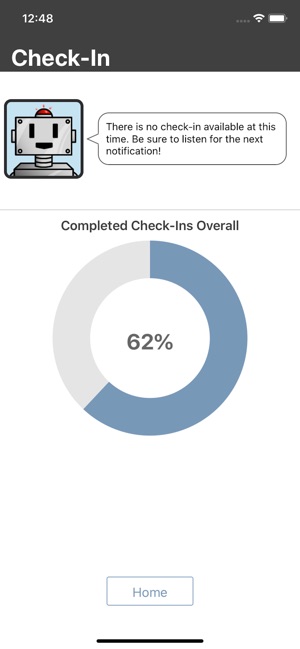
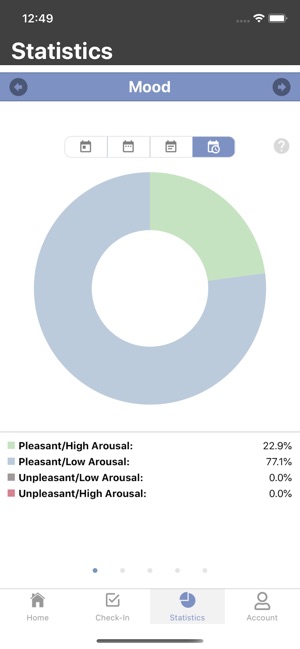
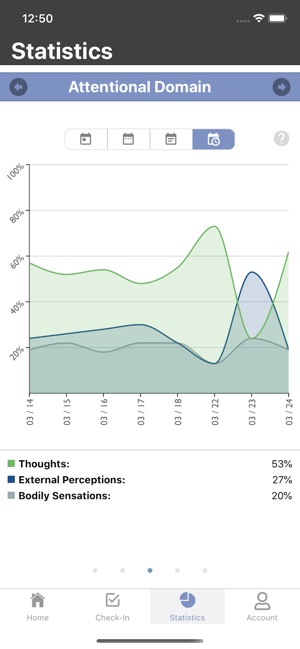
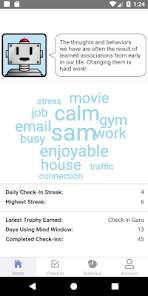
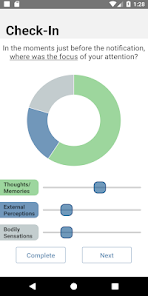
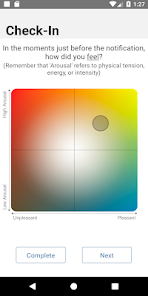
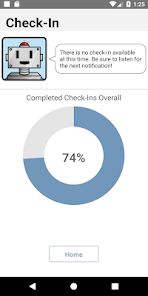
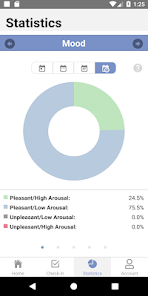
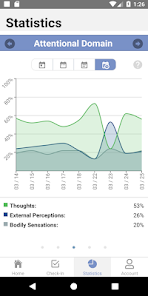
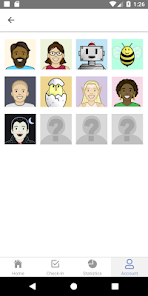
Developed at the University of Arizona, Mind Window is a research tool employing experience sampling methodology to longitudinally map thought patterns. The system delivers randomized prompts, guiding the capture of real-time data on the user's stream of consciousness. An integrated interface aggregates these inputs, generating statistical summaries and visualizations of thought content and dynamics. This allows for the exploration of personalized cognitive patterns by day, week, or month, contributing to a large-scale international research database.
Evidence & Research Context
- The app's methodology is grounded in research establishing the high ecological validity of the "think aloud" paradigm for quantifying the content and dynamics of resting-state thought.
- Associated neuroimaging research identifies distinct, recurring brain states—involving the default mode and executive control networks—that scaffold the emergence and progression of unprompted internal thoughts.
- In studies using a related laboratory paradigm, thought patterns characterized as negative, self-focused, and past-oriented were significantly associated with trait brooding, a form of rumination.
- Further analysis revealed that the content and dynamics of thought accounted for approximately one-third of the variance in brooding scores, indicating a robust cognitive signature.
Intended Use & Scope
Mind Window is designed as a data collection instrument for researchers and for self-monitoring by adult research participants. Its primary utility is to facilitate large-scale studies on human cognition and to provide individuals with structured insight into their thought patterns. The application is not a diagnostic or therapeutic tool and does not provide clinical advice.
Studies & Publications
Peer-reviewed research associated with this app.
Mapping content and dynamics in the stream of consciousness: a latent brain state analysis
Yu et al. (2025) · iScience
Referenced in academic literature; no direct evaluation of the appThe think aloud paradigm reveals differences in the content, dynamics and conceptual scope of resting state thought in trait brooding
Raffaelli et al. (2021) · Scientific Reports
Referenced in academic literature; no direct evaluation of the appIn the Media
Mind Window: An app to see inside the mind
University of Arizona researchers Eric Andrews and Jessica Andrews-Hanna developed Mind Window to quantify human day-to-day thoughts, using experience sampling that sends six push notifications during users' waking hours. According to Andrews-Hanna, "We are trying to capture people at random moments through their day-to-day life" to gather naturalistic data without lab setting influences. The app is available for both iOS and Android users and aims to build a global dataset to identify thinking patterns associated with mental health and cognitive functioning.
App Unlocks Mysteries of the Mind
University of Arizona researchers Jessica Andrews-Hanna and Eric Andrews developed Mind Window to quantify daily human thought patterns and create the world's largest database on human cognition, using scattered survey questions throughout users' days. "We want to know what differentiates people who find great inspiration, happiness and satisfaction from people who struggle with anxious, hopeless and intrusive thoughts," Andrews-Hanna said. The free app collects anonymized data to help researchers understand cognitive patterns across different ages and cultures.
App Information
Developer
University of ArizonaCategory
Evidence Profile
Published in academic literature
Platforms
Updated
Apr 2026
© 2025 University of Arizona