

Mindful Mediterranean Meals
Validated in clinical trials
App Summary
App Screenshots





Detailed Description
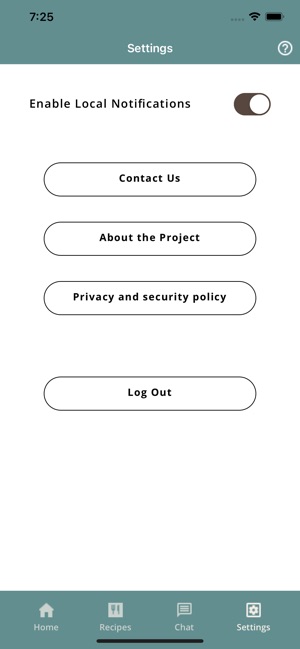
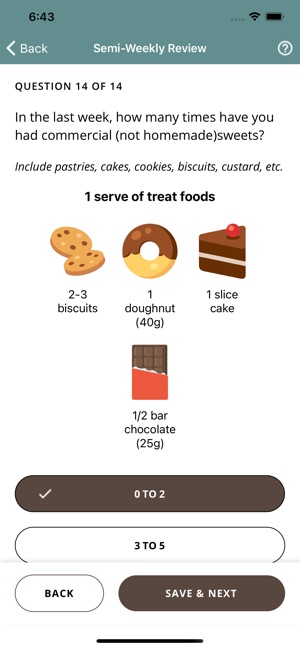
Functionality & Mechanism Developed by the University of Washington School of Nursing, this mobile intervention supports adherence to the Mediterranean diet. The system facilitates daily meal tracking and delivers automated, personalized feedback on food choices and recipe recommendations. Weekly sessions, averaging 12 minutes, are designed to engage users without requiring external assistance. An integrated messaging feature allows for user inquiries. The interface is specifically designed for older adults, including those with early cognitive changes, to promote healthier eating patterns.
Evidence & Research Context
- Across two pilot randomized controlled trials (N=34 total), the intervention demonstrated a significant improvement in Mediterranean diet adherence scores compared to control groups (P<.05).
- The app, evaluated in research publications as 'Olitor', was associated with specific dietary changes, including increased intake of legumes, whole grains, and vegetables, and reduced consumption of red meat.
- A preliminary pilot study (N=15) focused on older adults with frailty documented a large effect size for improved diet adherence (Hedges g=1.58) and a 100% participant retention rate over three months.
- The intervention's efficacy was not mediated by measured changes in Social Cognitive Theory constructs, indicating that other behavior change mechanisms likely contribute to the observed outcomes.
Intended Use & Scope This application is designed as a behavioral support tool for the general public, specifically older adults—including those with frailty or early cognitive changes—and their care partners. It serves as an adjunct to, not a replacement for, professional medical and nutritional guidance. The tool does not provide clinical diagnoses or manage disease.
Studies & Publications
Peer-reviewed research associated with this app.
Effectiveness of a novel Mediterranean diet app in enhancing adherence: RCTS based on SCT
Su et al. (2024) · Innovation in Aging
Improved Mediterranean diet adherence by 1.52 points and increased whole grain and legume intake.
A Mobile Intervention Designed Specifically for Older Adults With Frailty to Support Healthy Eating: Pilot Randomized Controlled Trial
Su et al. (2023) · JMIR Formative Research
Feasibility confirmed with improved Mediterranean diet adherence and increased legume intake after 3 months.
App Information
Developer
University of WashingtonCategory
Evidence Profile
Validated in clinical trials
Platforms
Updated
Apr 2023
© 2025 University of Washington
Tags
Relevant Links
Privacy Policy


Mindful Mediterranean Meals
Free