
AppsFromResearch
Native WYSE CHOICES icon

Native WYSE CHOICES

Evidence Tier:DOCUMENTED

Published in academic literature

For:General Public & EnthusiastsKids & Youth

App Summary

Native WYSE CHOICES is a culturally-centered app for urban American Indian and Alaska Native young women designed to prevent alcohol-exposed pregnancies by promoting messages of strength and resilience. Based on qualitative interviews (N=29), the app was co-designed with youth to ensure cultural relevance, and its effectiveness is now being evaluated in a virtual randomized controlled trial. The associated research concludes that centering community voices is a key strategy for developing trusted and meaningful health interventions for this population.

App Screenshots

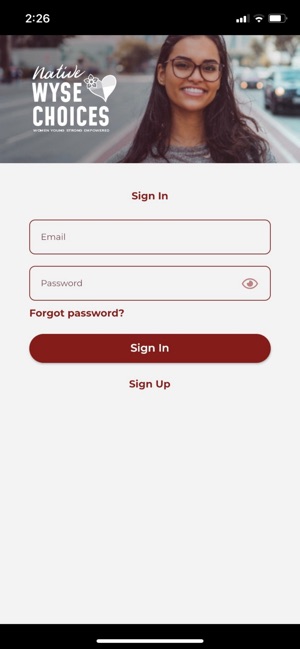
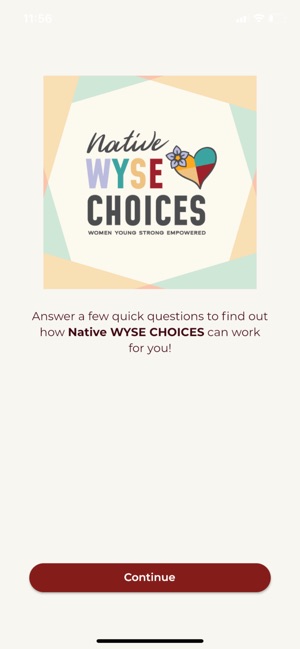
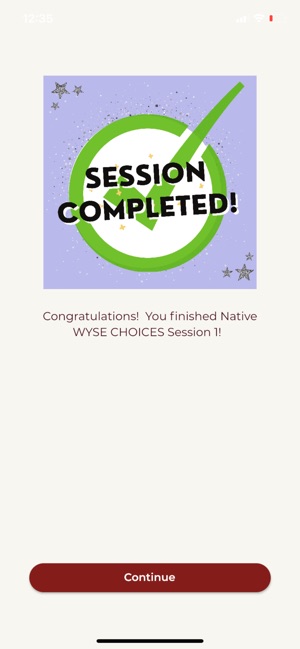
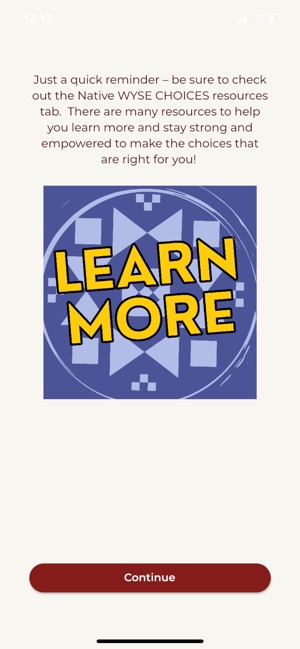
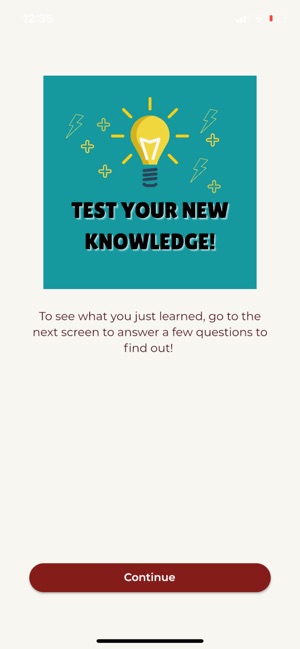
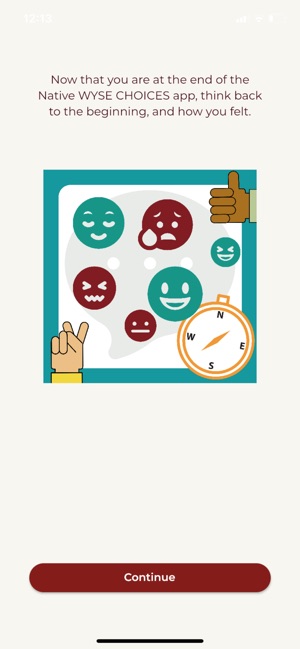
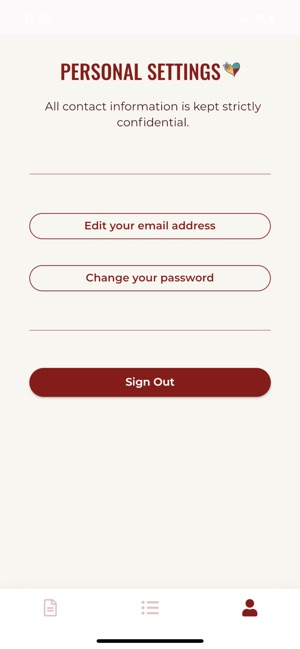
Native WYSE CHOICES screenshot 1 of 10Native WYSE CHOICES screenshot 2 of 10Native WYSE CHOICES screenshot 3 of 10Native WYSE CHOICES screenshot 4 of 10Native WYSE CHOICES screenshot 5 of 10Native WYSE CHOICES screenshot 6 of 10Native WYSE CHOICES screenshot 7 of 10Native WYSE CHOICES screenshot 8 of 10Native WYSE CHOICES screenshot 9 of 10Native WYSE CHOICES screenshot 10 of 10

Detailed Description

Functionality & Mechanism

Native WYSE CHOICES is a mobile health (mHealth) intervention designed to prevent alcohol-exposed pregnancies among urban American Indian and Alaska Native young women. The system delivers a culturally-tailored curriculum, adapted with direct input from the target community to integrate messages of strength and resiliency. The intervention arm provides approximately three hours of pedagogical content focused on sexual health, alcohol use, and informed decision-making, while a comparison arm delivers alternative health content for research purposes.

Evidence & Research Context

  • The intervention's efficacy is being evaluated in a national, virtual randomized controlled trial (RCT) with urban American Indian and Alaska Native young women aged 16-20.
  • A qualitative design study (N=29) guided the app's cultural adaptation, affirming the importance of community-centered development and pan-tribal cultural elements to enhance relevance.
  • The platform has been utilized as a research tool to recruit participants for related qualitative studies (N=15) examining contextual factors impacting alcohol-exposed pregnancy risk.

Intended Use & Scope

This application is intended for use by young urban American Indian and Alaska Native women as a primary prevention tool for alcohol-exposed pregnancies. It functions as a culturally-resonant educational resource to support behavioral health and decision-making. The system is not a substitute for professional medical advice, substance use treatment, or mental health consultation.

Studies & Publications

3 publications

Peer-reviewed research associated with this app.

Qualitative Study

Alcohol-Exposed Pregnancy Risk, Mental Health, Self-Understanding, and Relational Connections Among Urban Native American Young Women During the COVID-19 Pandemic

London et al. (2025) · International Journal of Environmental Research and Public Health

Interviews revealed how the pandemic affected young women's alcohol use, sexual health, mental health, and relationships.
The COVID-19 pandemic had a disproportionate impact on American Indian and Alaska Native ("Native") communities, including factors impacting alcohol-exposed pregnancy (AEP) risk. This is especially true for young Native women in urban settings, where over 70% of the population resides, yet their experiences are rarely accounted for in research. We conducted remote in-depth interviews from March to May 2022, roughly concurrent with the Omicron surge and relaxed lockdown measures, with a subsample of 15 urban Native young women ages 16–20 who were participating in a national randomized controlled trial of an AEP preventive intervention. Participants were asked how the pandemic affected their use of alcohol, sexual health, mental health, and relationships. A qualitative analysis revealed diverse experiences during the pandemic. While some participants experienced greater risks for AEP due to increased alcohol use and reduced access to birth control, other participants drank less alcohol and had greater access to birth control. Additionally, while some participants faced mental health challenges due to isolation and relational strains that emerged during the pandemic, others found the pandemic to be a time that afforded self-reflection, self-development, and a deepening of relationships.
... Read More
Study Protocol

A virtual randomized controlled trial of an alcohol exposed-pregnancy prevention mobile app with urban American Indian and Alaska Native young women: Native WYSE CHOICES rationale, design, and methods

Sarche et al. (2023) · Contemporary Clinical Trials

Research study planned or in progress; results not yet available
Fetal Alcohol Spectrum Disorders (FASD) result in lifelong disability and are a leading cause of preventable birth defects in the US, including for American Indian and Alaska Natives (AIANs). Prevention of alcohol exposed pregnancies (AEPs), which can cause FASD, is typically aimed at adult women who are risky drinkers and have unprotected sex. Among AIANs, AEP prevention research has been primarily conducted in reservation communities, even though over 70% of AIANs live in urban areas. Culturally appropriate AEP prevention for urban AIAN young women, regardless of current drinking or sexual behaviors, may maximize the potential for primary prevention at the beginning of the reproductive years for this underserved population. We developed a virtual randomized controlled trial (RCT) - fully implemented through technology - to evaluate Native WYSE CHOICES, a culturally tailored mobile app, with urban AIAN young women ages 16-20 nationally. While virtual RCTs are not new, this is the first engaging a solely urban AIAN population, historically excluded from research. Participants are recruited on a rolling basis through the project social media community, organizational partnerships, and in-person events. Eligible participants complete a baseline survey and are randomized to either the app's intervention or comparison arm - each of which provide about 3 h of content. Follow-up data are collected at 1-, 6-, and 12-months post-baseline. Our study offers a template for building trust and extending reach to this underserved population while also providing important lessons and insights on advances in virtual or hybrid research approaches.
... Read More

Native WYSE CHOICES

Free