
NVS Tsunami Evacuation
Published in academic literature
App Summary
App Screenshots
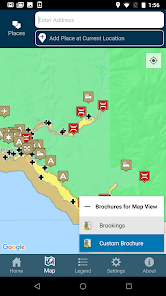
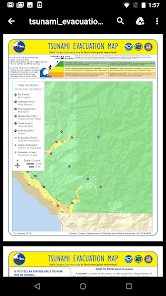
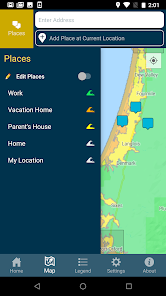
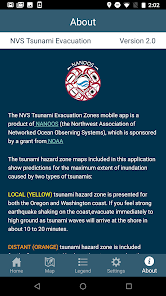
Detailed Description
Functionality & Mechanism
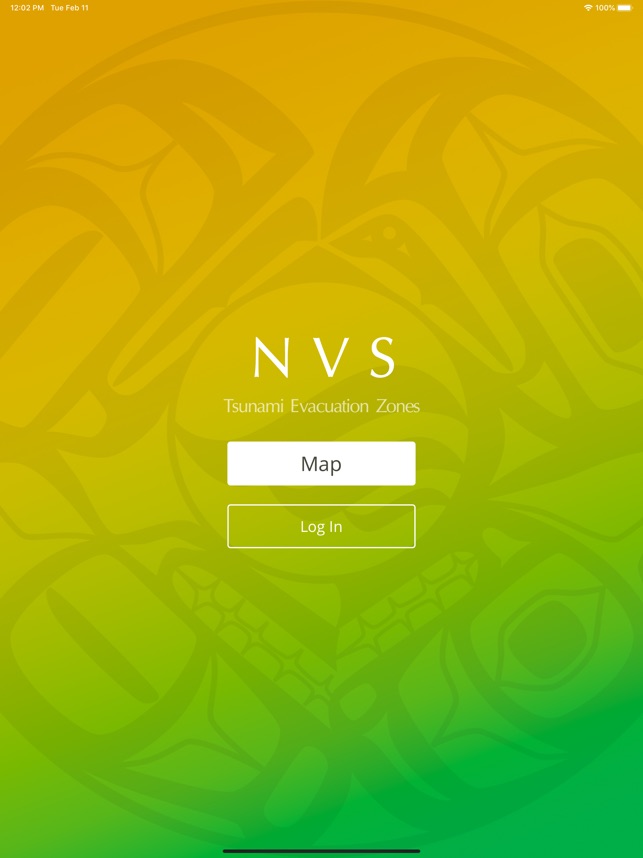
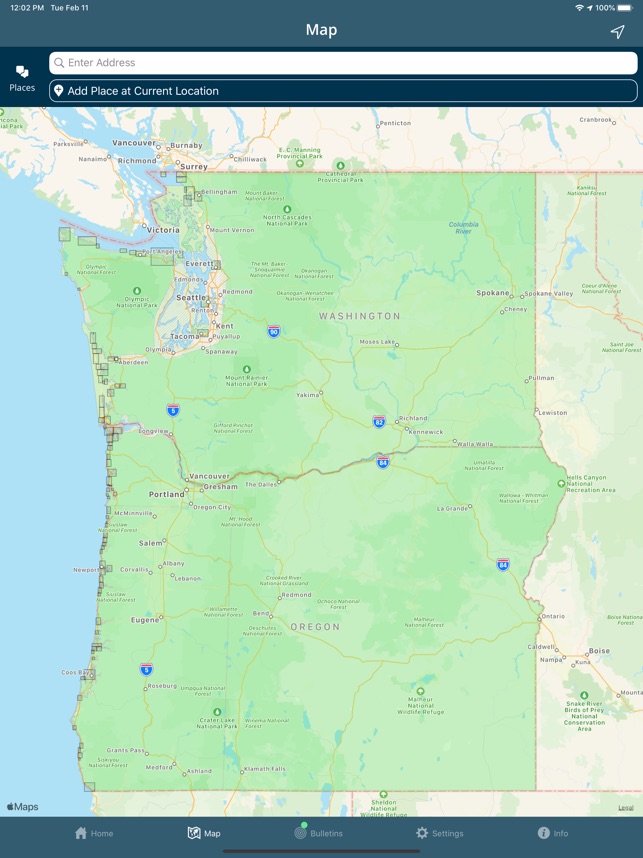
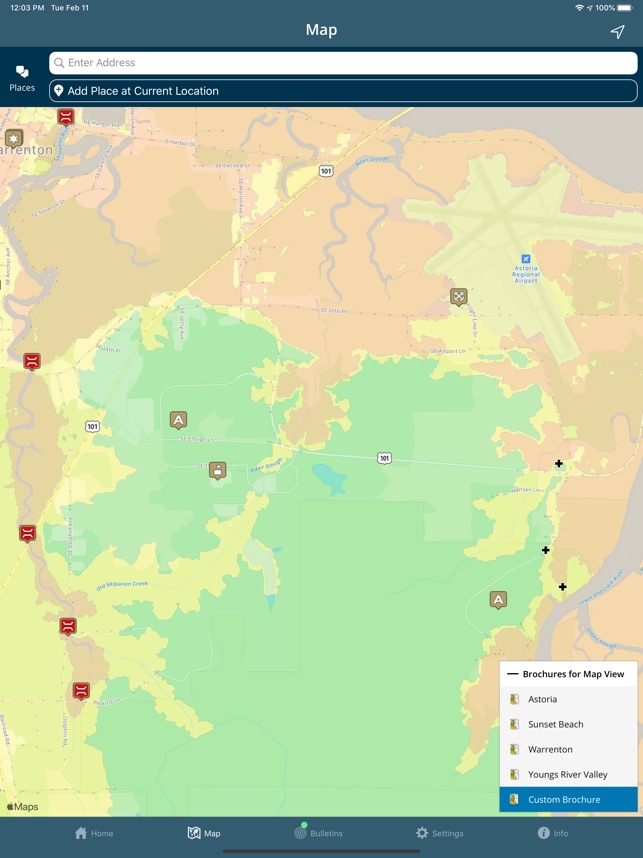
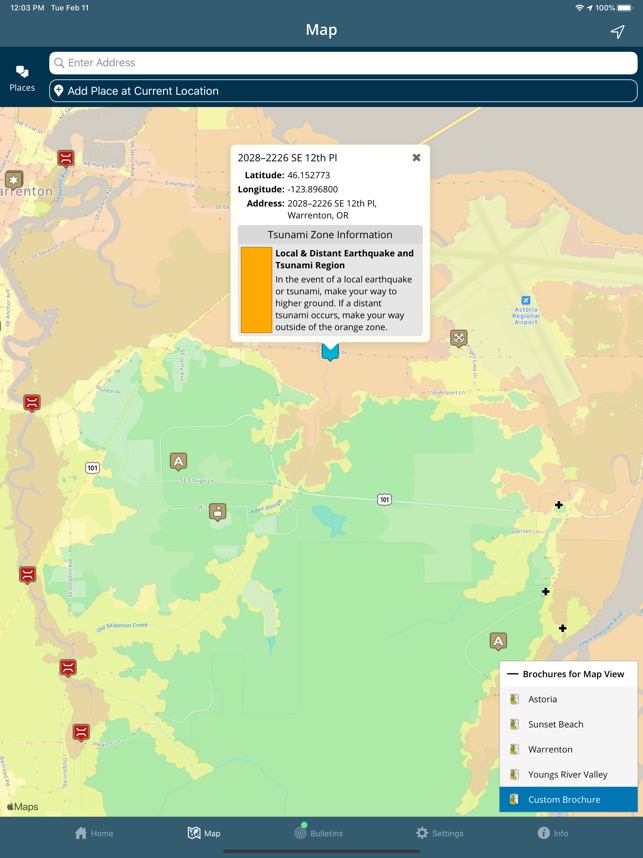
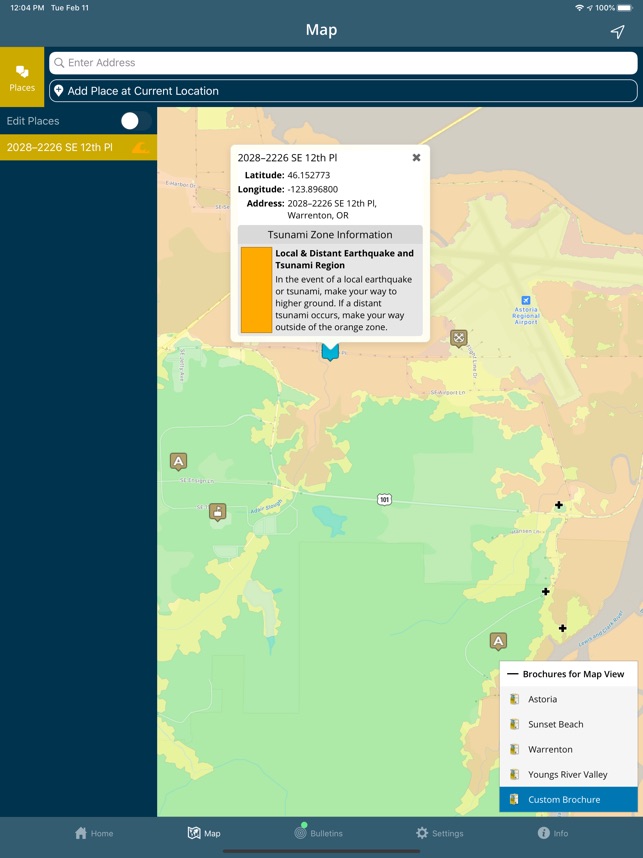
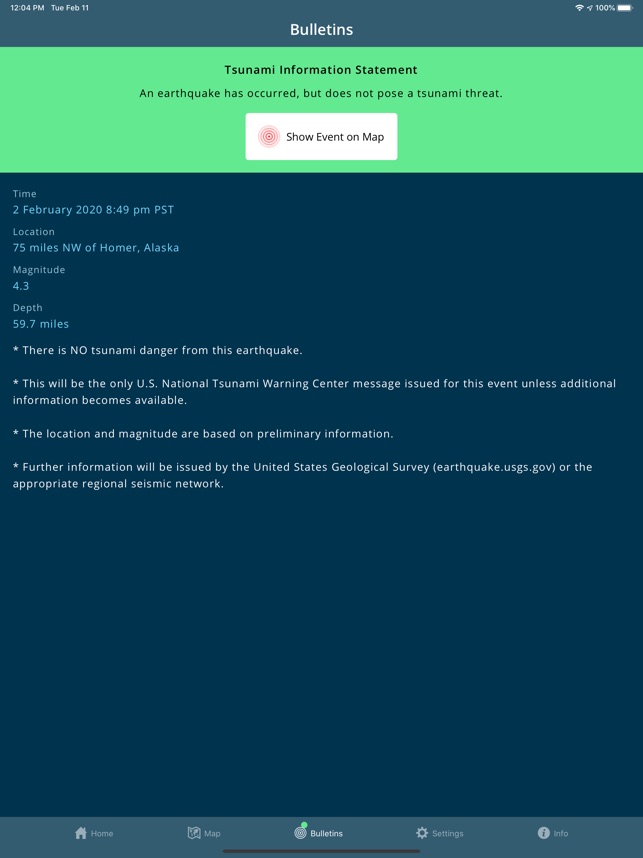
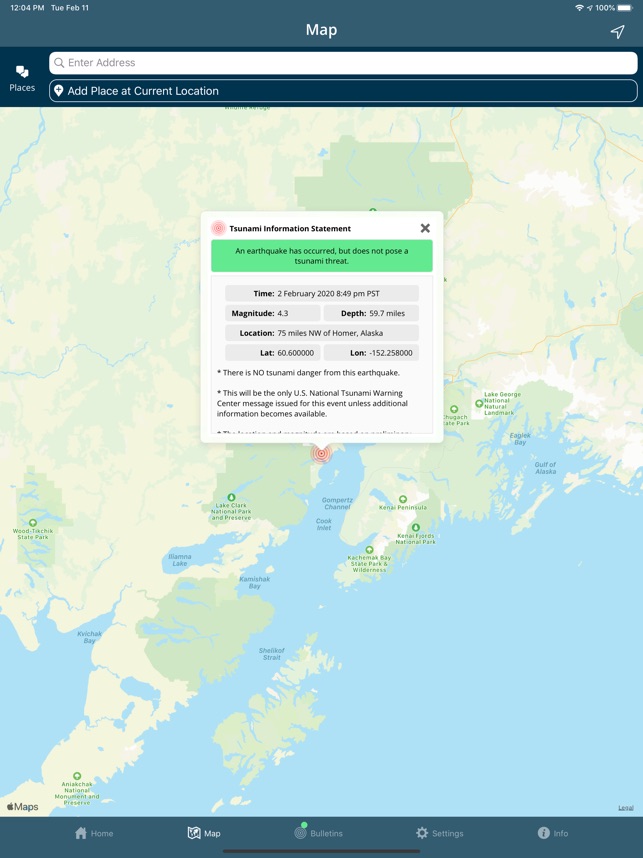
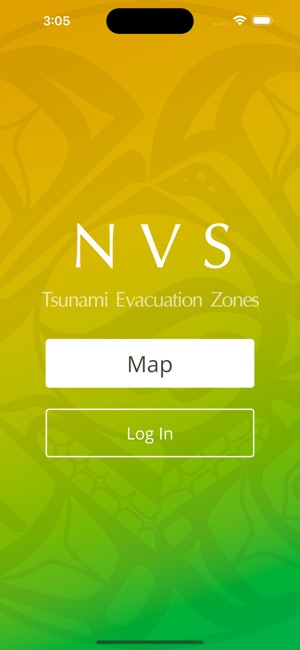
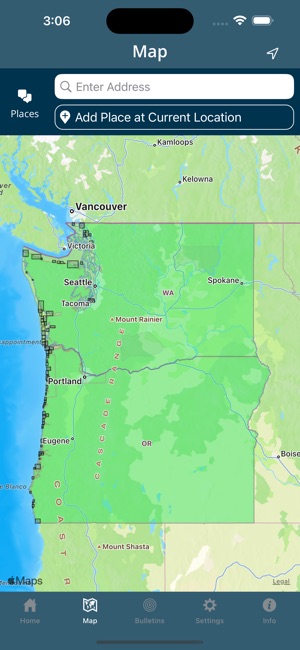
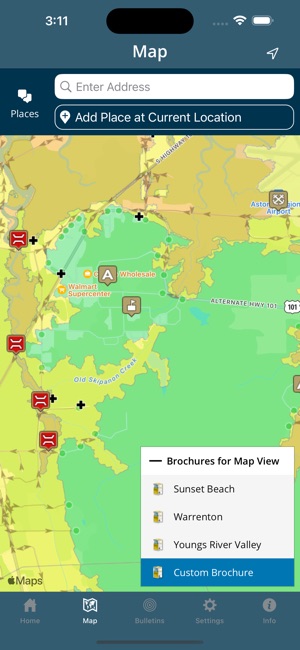
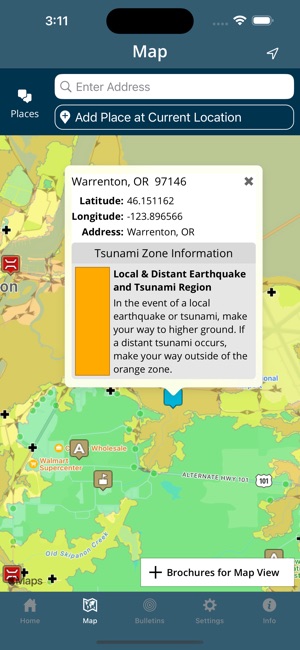
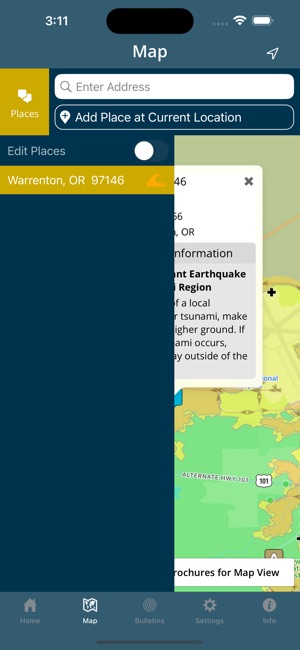
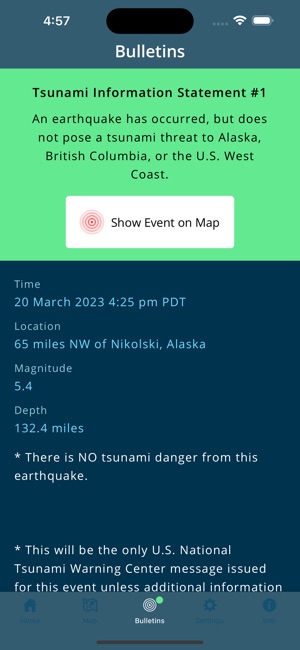
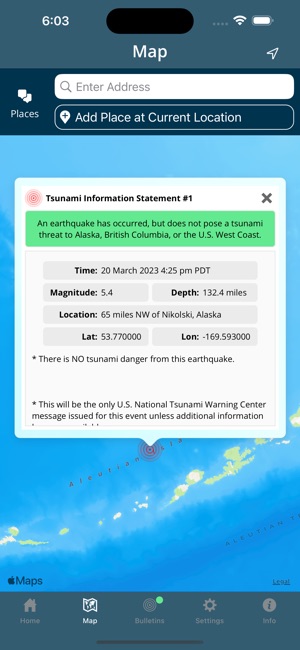
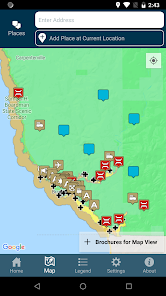
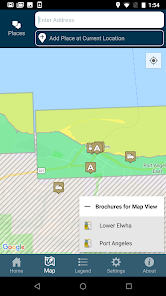
The NVS Tsunami Evacuation system, developed by the Northwest Association of Networked Ocean Observing Systems (NANOOS), visualizes official hazard zones for the Oregon and Washington coasts. The interface leverages data from state geological agencies to map user-defined locations, entered via GPS or address search, against designated tsunami evacuation areas. The system also displays critical infrastructure and assembly points and integrates live warning bulletins from the West Coast and Alaska Tsunami Warning Center to facilitate situational awareness and route planning.
Evidence & Research Context
- The system is a component of the NANOOS Visualization System (NVS), a platform that aggregates and delivers coastal, ocean, and atmospheric data to regional stakeholders.
- According to the associated development paper, the application's design resulted from a formal process conducted in close coordination with state and local emergency managers.
- The underlying NVS platform architecture is engineered to support customized applications tailored to the specific data and planning needs of distinct user groups.
Intended Use & Scope
This system is intended for the general public, including residents and visitors in coastal Oregon and Washington, as a personal preparedness and situational awareness tool. Its primary utility is for pre-planning evacuation routes from known locations. The application does not provide real-time navigation or push notifications and does not replace official emergency alerts and directives from local authorities.
Studies & Publications
Peer-reviewed research associated with this app.
The NANOOS Visualization System (NVS): A Decade of Development and Progress Addressing Stakeholder Needs
Risien et al. (2019) · OCEANS MTS/IEEE
Describes the research-driven development of this appApp Information
Category
Evidence Profile
Published in academic literature
Platforms
Updated
Mar 2025
© 2025 National Oceanic and Atmospheric Administration