
AppsFromResearch
Pain Coach by VA icon

Pain Coach by VA

Evidence Tier:VALIDATED

Initial research evidence · Mixed findings

For:Clinicians & Healthcare ProfessionalsGeneral Public & EnthusiastsPatients & Caregivers

App Summary

Pain Coach by VA is a self-management app designed for individuals with chronic pain, providing education and interactive tools based on evidence-based psychotherapies to improve daily functioning. Grounded in principles from Cognitive Behavioral Therapy (CBT) and Acceptance and Commitment Therapy (ACT), a pre-post evaluation of veterans (N=236) found that the subgroup who used the app (n=24) reported significant improvements in pain self-efficacy and reductions in pain interference. The associated research concludes that these preliminary findings warrant further study to confirm the app's benefits.

App Screenshots

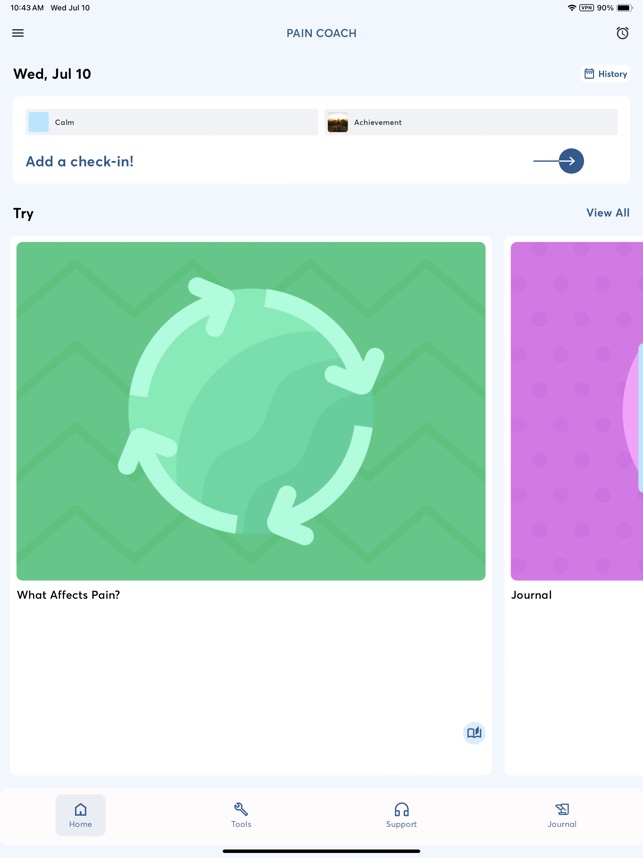
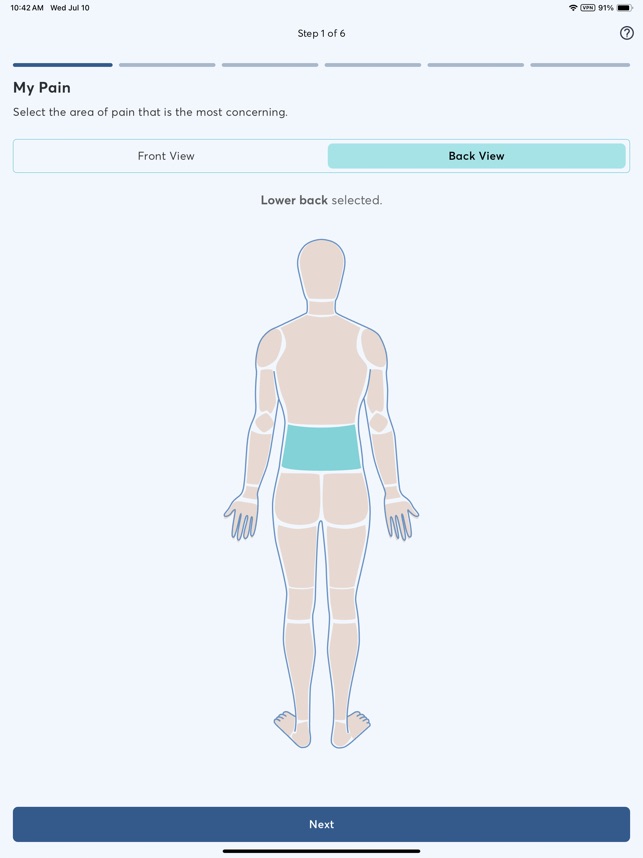
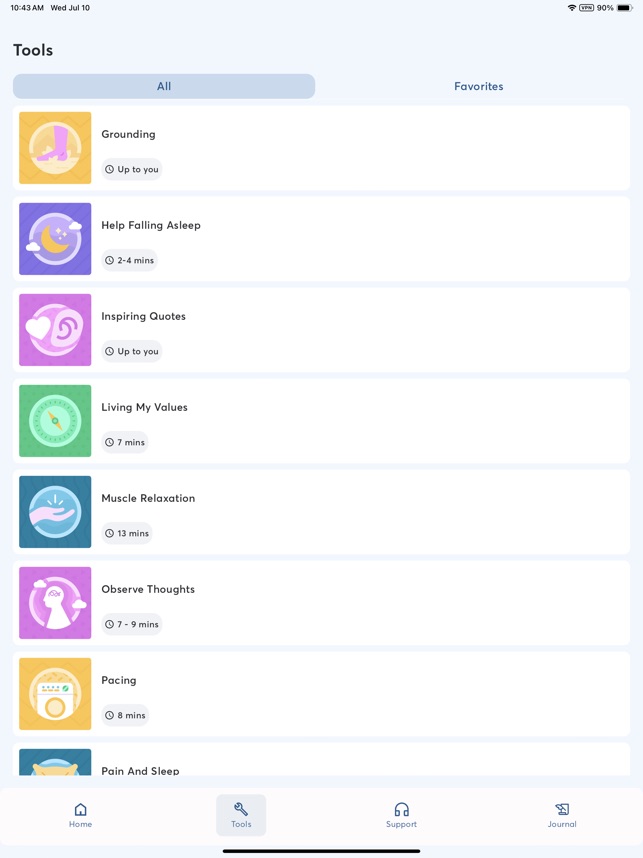
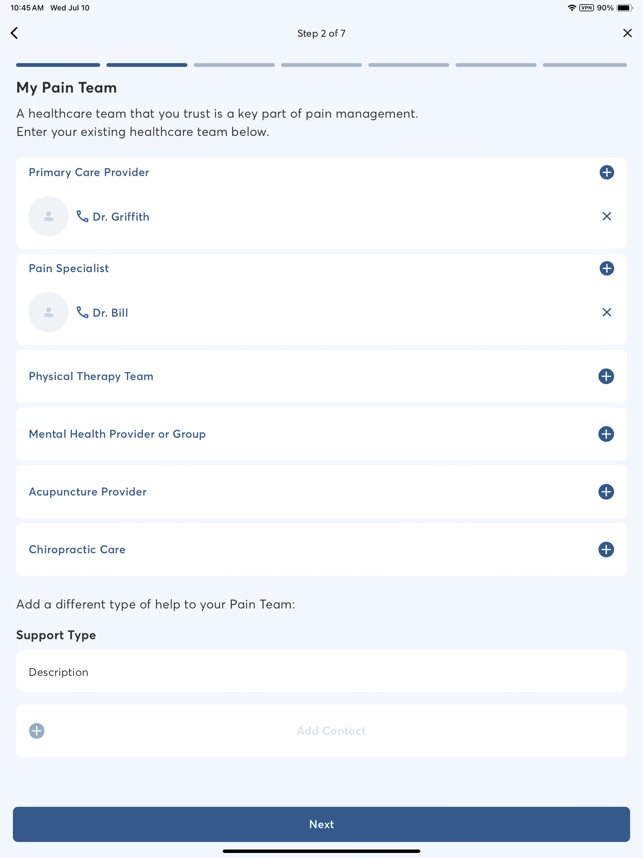
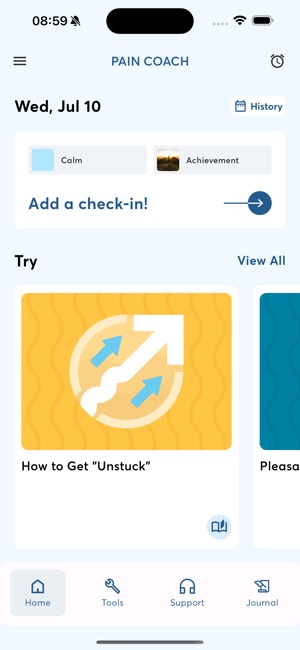
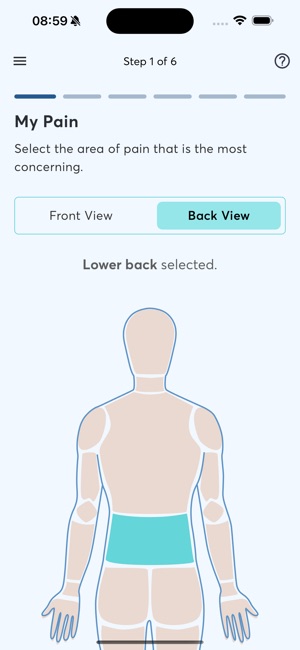
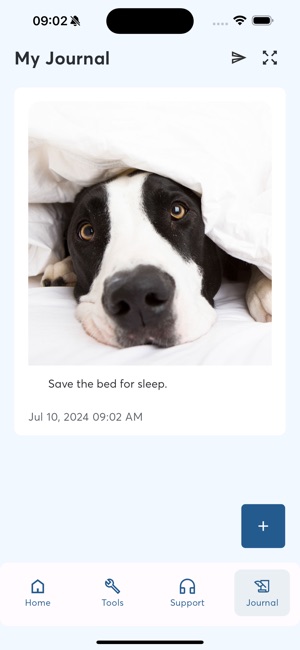
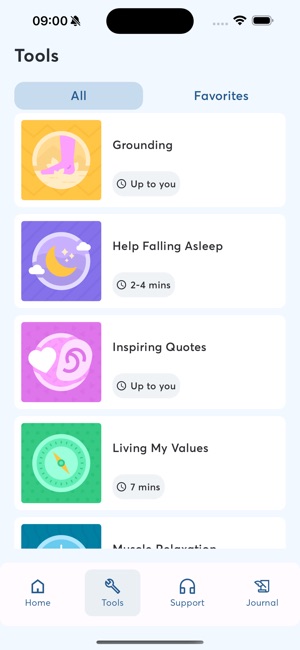
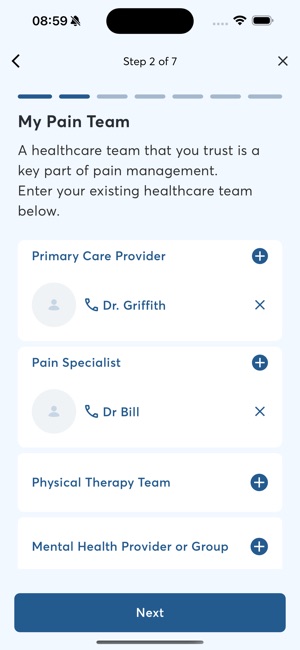
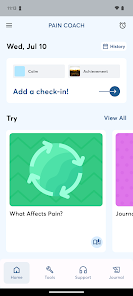
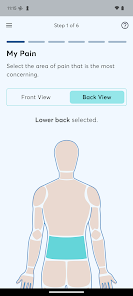
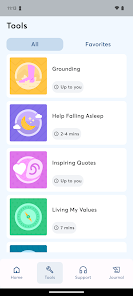
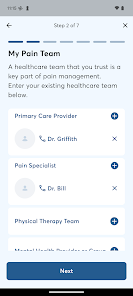
Pain Coach by VA screenshot 1 of 15Pain Coach by VA screenshot 2 of 15Pain Coach by VA screenshot 3 of 15Pain Coach by VA screenshot 4 of 15Pain Coach by VA screenshot 5 of 15Pain Coach by VA screenshot 6 of 15Pain Coach by VA screenshot 7 of 15Pain Coach by VA screenshot 8 of 15Pain Coach by VA screenshot 9 of 15Pain Coach by VA screenshot 10 of 15Pain Coach by VA screenshot 11 of 15Pain Coach by VA screenshot 12 of 15Pain Coach by VA screenshot 13 of 15Pain Coach by VA screenshot 14 of 15Pain Coach by VA screenshot 15 of 15

Detailed Description

Functionality & Mechanism

Developed by the U.S. Department of Veterans Affairs' National Center for PTSD, this app provides psychoeducational content and interactive tools for chronic pain self-management. The system facilitates daily check-ins to track emotions and pain strategies, alongside self-assessments such as the Pain Catastrophizing Scale. Core modules deliver skill-building exercises derived from evidence-based psychotherapies and structured journaling prompts. The interface allows progress summaries to be exported for review with a healthcare provider.

Evidence & Research Context

  • The app's design integrates principles from established psychotherapies, including Cognitive Behavioral Therapy for Chronic Pain (CBT-CP) and Acceptance and Commitment Therapy (ACT).
  • A pre-post effectiveness study (N=236) in a U.S. Veteran population found that app users reported significantly greater pain self-efficacy (P=.01) and lower pain interference (P=.03) after use.
  • The same evaluation noted low initial adoption rates, with lack of clinician endorsement identified as a primary barrier to use.

Intended Use & Scope

This tool is designed for individuals with chronic pain to use for self-management, either independently or as an adjunct to clinical care. Its primary utility is to reinforce skills, track symptoms, and maintain treatment gains. The app does not replace professional medical or psychological evaluation and treatment; clinician guidance is recommended to enhance its utility.

Studies & Publications

2 publications

Peer-reviewed research associated with this app.

Non-Evaluative Reference

Pain Coach: A New App for Chronic Pain Management

Gnall et al. (2025) · Outlook

Referenced in academic literature; no direct evaluation of the app
Chronic pain is one of the most prevalent, costly, and debilitating conditions in the United States (Gaskin & Richards, 2012; Yong et al., 2022). Given the myriad potential barriers patients face when seeking treatment for chronic pain (e.g., economic burdens, lack of transportation, childcare concerns, shortage of specialists; Baker et al., 2024), mobile apps show great promise for improving access to evidence-based chronic pain management tools. Pain Coach is a new, free mobile app for chronic pain management developed by the Mobile Apps Team at the National Center for PTSD (NCPTSD) at the VA Palo Alto Health Care System. The app is one of several publicly available mobile apps (e.g., PTSD Coach, CBT-i Coach, Stay Quit Coach) developed through the NCPTSD within the Department of Veterans Affairs (McGee-Vinvent, 2021). The Pain SIG sat down with Dr. Jennifer Murphy, Director of Pain Management for the Department of Veterans Affairs, and Dr. Katherine Taylor, health psychologist and member of the Mobile Apps Team at the NCPTSD to learn more about this resource and the ways in which it can support providers' work with chronic pain patients. The Pain Coach app was developed to promote self-management of pain, improve daily functioning, and maximize quality of life. Although veterans are disproportionately affected by chronic pain (Nahin, 2017; Zelaya et al., 2020), this app was designed for all individuals with chronic pain, Dr. Murphy said. While reports on the app's development and outcomes are currently in progress, the app pulls from evidence-based treatments such as Cognitive Behavioral Therapy for Chronic Pain (CBT-CP; Ehde et al., 2014; Murphy et al., 2022) and Acceptance and Commitment Therapy (ACT; McCracken & Vowles, 2014) to provide patients with tools and strategies accessible enough for self-guided use. However, Dr. Murphy also noted that using Pain Coach in collaboration with a healthcare provider is likely going to enhance the use of the app and is therefore recommended whenever possible. For example, the app can complement psychotherapy for pain management by offering a convenient way for patients to track their progress, practice the skills they learned in sessions, and set reminders for completing homework assignments. Clinicians have found it to be a valuable tool for enhancing treatment adherence and reinforcing skill practice between sessions. In addition to its clinical benefit, the Pain Coach app is a valuable resource for researchers who are interested in studying the potential benefits of a mobile app as an adjunct or standalone treatment for chronic pain. The Pain Coach developers are eager to hear from researchers who collect data on the app's use. Pain Coach includes several easy-to-use features that patients can access from their mobile device: Daily check-ins to track emotions, use of pain management strategies, and engagement in values-directed activities Self-assessments (e.g., Pain Catastrophizing Scale, Patient Health Questionnaire) that can be exported and shared with a provider to monitor progress Simple educational material to provide clear information on what chronic pain is, how it differs from acute pain, and how self-management tools can help Numerous interactive, evidence-based tools (e.g., pleasant activities, deep breathing and relaxation, emotion regulation strategies, self-compassion meditations, sleep hygiene recommendations, cognitive challenging techniques) Step-by-step support in establishing an individualized "Pain Support Network" Journal prompts with multiple modalities (e.g., text, image, video, drawing) for documenting thoughts and emotions Optional reminders to complete daily check-ins, self-assessments, and journal entries Importantly, Dr. Taylor emphasized that Pain Coach is free, publicly available to anyone, and private, which makes it a great option for researchers and clinicians alike. There is no login email and no information sharing. All data pulled from the app is completely anonymous (e.g., # of times a button was tapped). Ways to incorporate Pain Coach with your patients: Encourage patients to practice the skills they learned in sessions at home with the support of the Pain Coach app. Recommend patients track their symptoms in-between sessions with the self-assessment tools to monitor progress. If your clinic is experiencing long wait times for patients to see a provider, consider recommending Pain Coach as an introduction to pain self-management tools while patients wait to be scheduled with a provider. Encourage patients to use Pain Coach after completing treatment to maintain treatment gains.
... Read More
Effectiveness/Outcome Study

Understanding Adoption and Preliminary Effectiveness of a Mobile App for Chronic Pain Management Among US Military Veterans: Pre-Post Mixed Methods Evaluation

Hogan et al. (2021) · JMIR Formative Research

Improved pain self-efficacy and reduced pain interference, but only 10% of veterans adopted the app.

Background: The Veterans Health Administration Pain Coach mobile health app was developed to support veterans with chronic pain. Objective: Our objective was to evaluate early user experiences with the Pain Coach app and preliminary impacts of app use on pain-related outcomes. Methods: Following a sequential, explanatory, mixed methods design, we mailed surveys to veterans at 2 time points with an outreach program in between and conducted semistructured interviews with a subsample of survey respondents. We analyzed survey data using descriptive statistics among veterans who completed both surveys and examined differences in key outcomes using paired samples t tests. We analyzed semistructured interview data using thematic analysis. Results: Of 1507 veterans invited and eligible to complete the baseline survey, we received responses from 393 (26.1%). These veterans received our outreach program; 236 (236/393, 60.1%) completed follow-up surveys. We conducted interviews with 10 app users and 10 nonusers. Among survey respondents, 10.2% (24/236) used Pain Coach, and 58% (14/24) reported it was easy to use, though interviews identified various app usability issues. Veterans who used Pain Coach reported greater pain self-efficacy (mean 23.1 vs mean 16.6; P=.01) and lower pain interference (mean 34.6 vs mean 31.8; P=.03) after (vs before) use. The most frequent reason veterans reported for not using the app was that their health care team had not discussed it with them (96/212, 45.3%). Conclusions: Our findings suggest that future efforts to increase adoption of Pain Coach and other mobile apps among veterans should include health care team endorsement. Our findings regarding the impact of Pain Coach use on outcomes warrant further study.
... Read More

In the Media

Pain Coach: A New App for Chronic Pain Management

The Mobile Apps Team at the National Center for PTSD at VA Palo Alto Health Care System developed Pain Coach to promote self-management of chronic pain and improve daily functioning, using evidence-based treatments such as Cognitive Behavioral Therapy for Chronic Pain and Acceptance and Commitment Therapy. Dr. Jennifer Murphy noted that "while veterans are disproportionately affected by chronic pain, this app was designed for all individuals with chronic pain." The free app offers self-guided tools while recommending collaboration with healthcare providers to enhance treatment outcomes.

SbmRead article

VA Introduces New Pain Coach App To Aid Veterans In Managing Chronic Pain

The VA developed Pain Coach to help Veterans manage chronic pain more effectively, featuring interactive tools, check-ins, multimedia journals, and pain assessments. Marine Corps Veteran Scott Johnson, who piloted the app, praised its simplicity, noting "The first time you log in, it asks about your values so when you have those little victories like engaging with your kids even though you are in pain, or motivating yourself to take a shower when you are depressed, you get to connect them to the things you care about most." The app is now available for free download on the App Store and Google Play Store.

VaRead article

VA doctor developing app for chronic pain

Dr. Beth Hogans at the Baltimore VA Geriatric Research, Education and Clinical Center developed "Ready, Go Pain!" to deliver proven chronic pain remedies directly to veterans without requiring costly specialist visits, using a comprehensive approach beyond medications. "Two minutes of cardio a day, taking a walk, spending three minutes deep breathing, we know these things are safe and why not get them to people so they can use them," said Dr. Hogans. The app creates personalized daily checklists including exercise, sleep improvement, nutrition, meditation and yoga, with expected pain relief by week six.

Wmar2newsRead article

Pain Coach by VA

Free