
AppsFromResearch
P.A.R.T. icon

P.A.R.T.

Evidence Tier:CLINICAL GRADE

Validated in clinical trials · Supported by multiple studies

For:Researchers & AcademicsIndustry Professionals

App Summary

P.A.R.T. is a research platform that enables researchers to design, validate, and deploy psychoacoustical and cognitive tests using consumer-grade hardware like tablets and headphones. Multiple validation and evaluation studies (N=36-58) have demonstrated that the platform can produce reliable auditory assessment data comparable to standard laboratory methods, even when used remotely on participants' own devices. The associated research concludes that this approach demonstrates the feasibility of large-scale, remote auditory testing, potentially increasing access for both basic science and future clinical applications.

App Screenshots
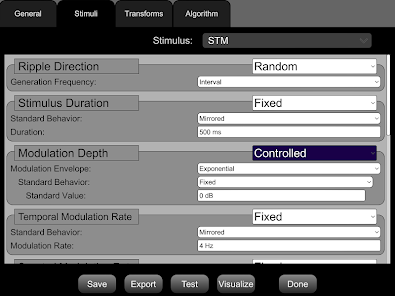
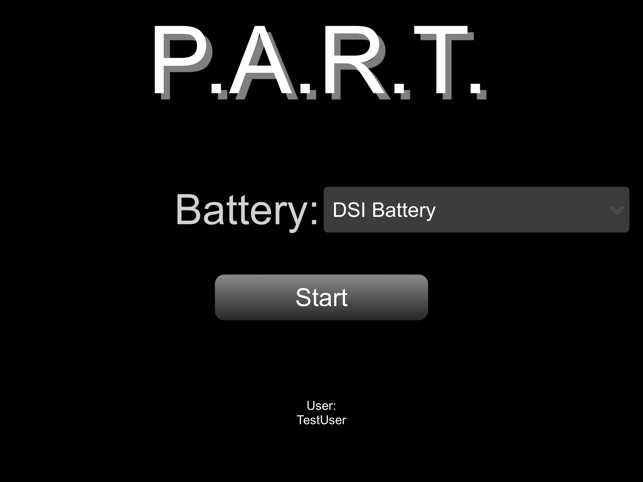
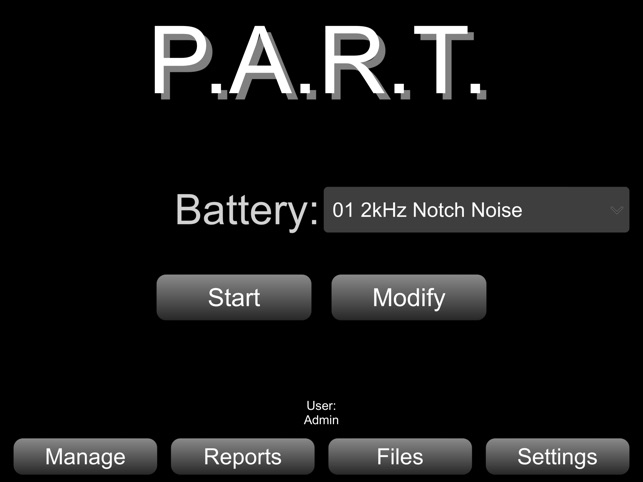
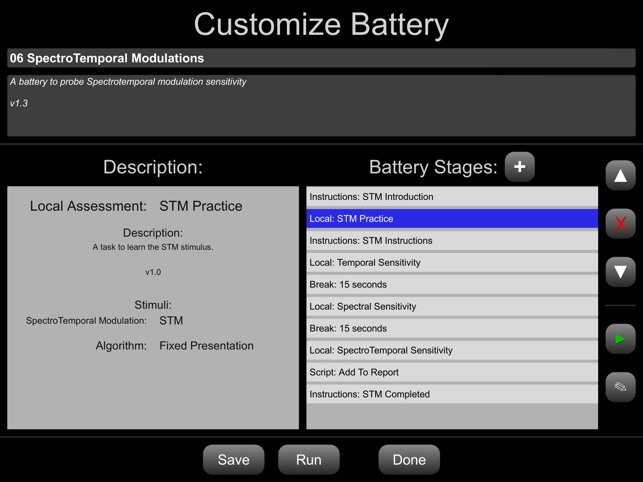
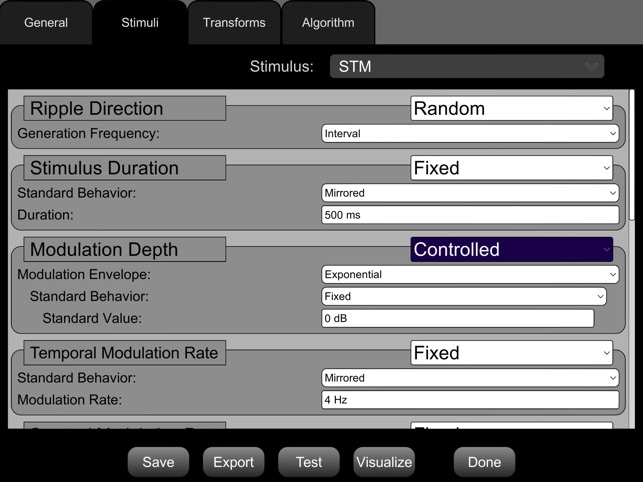
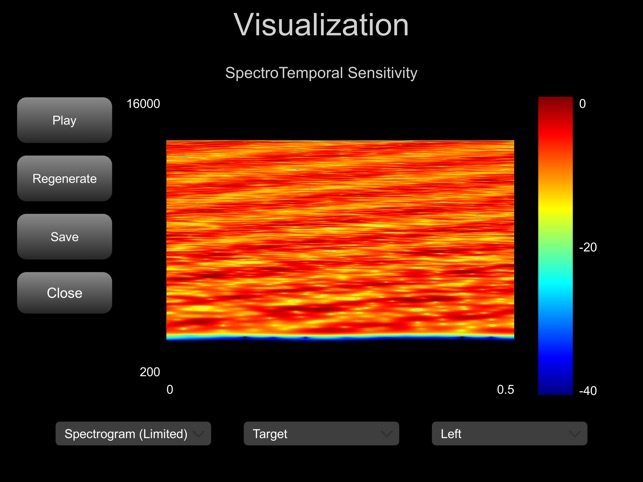
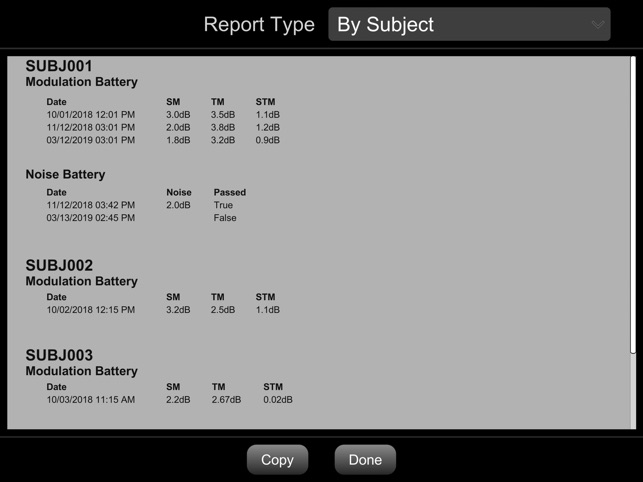
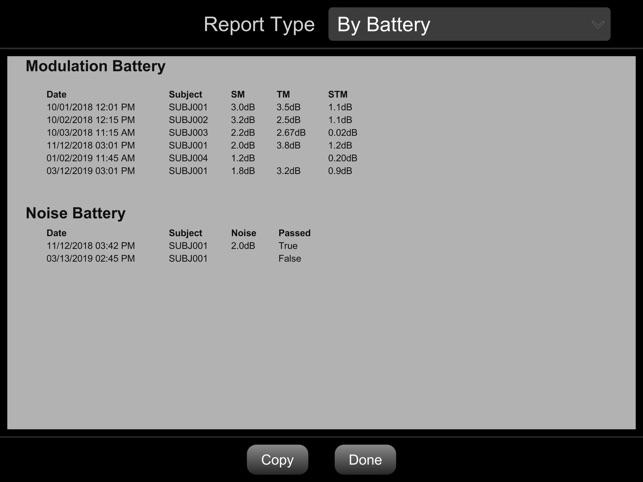
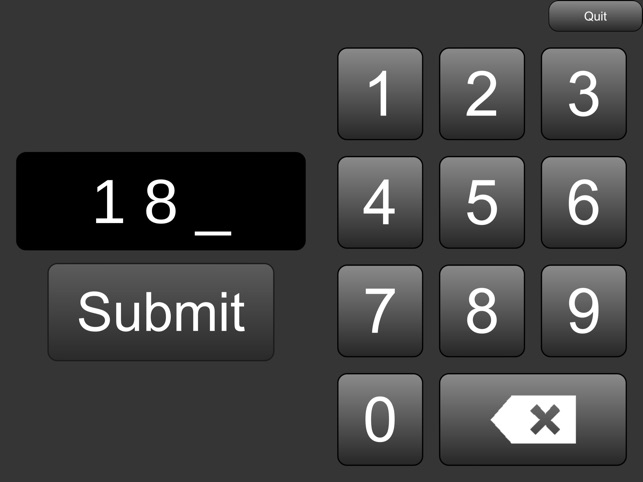
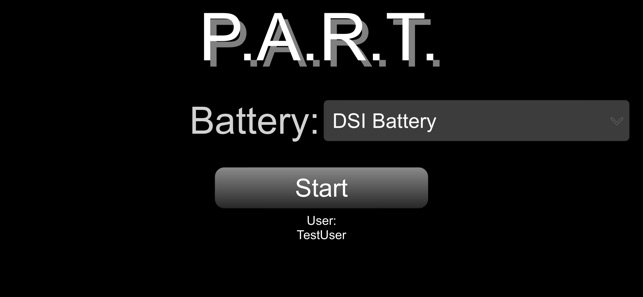
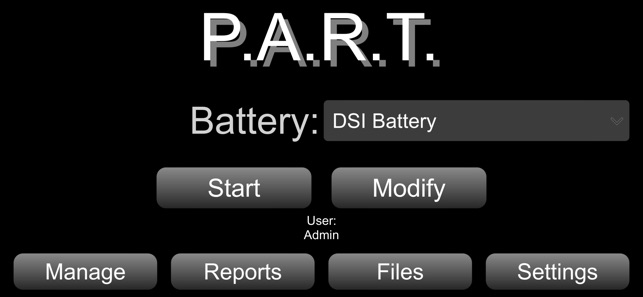
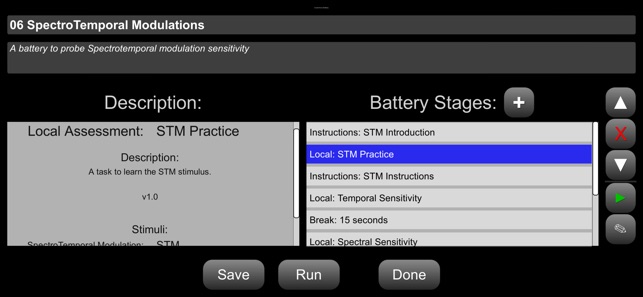
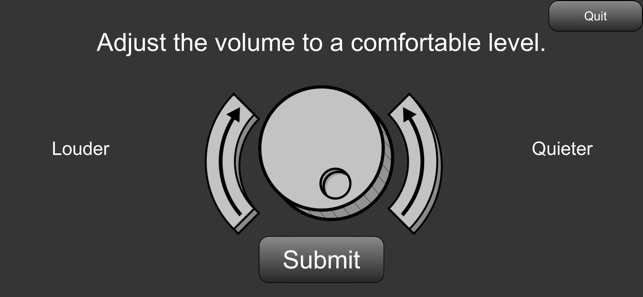
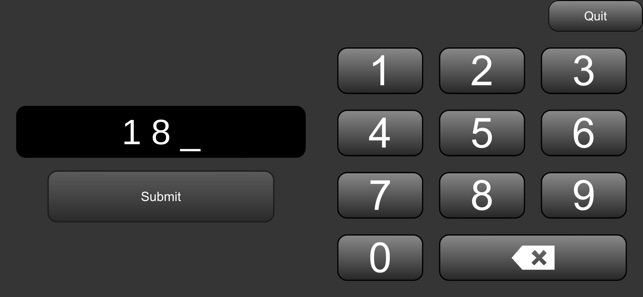
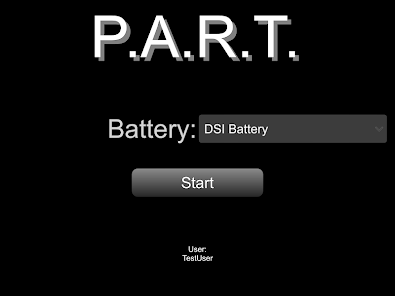
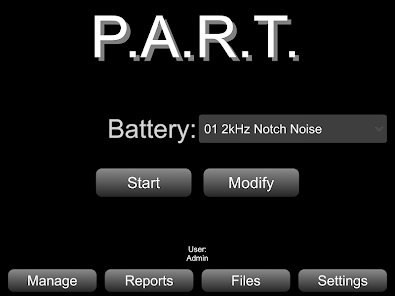
P.A.R.T. screenshot 1 of 28P.A.R.T. screenshot 2 of 28P.A.R.T. screenshot 3 of 28P.A.R.T. screenshot 4 of 28P.A.R.T. screenshot 5 of 28P.A.R.T. screenshot 6 of 28P.A.R.T. screenshot 7 of 28P.A.R.T. screenshot 8 of 28P.A.R.T. screenshot 9 of 28P.A.R.T. screenshot 10 of 28P.A.R.T. screenshot 11 of 28P.A.R.T. screenshot 12 of 28P.A.R.T. screenshot 13 of 28P.A.R.T. screenshot 14 of 28P.A.R.T. screenshot 15 of 28P.A.R.T. screenshot 16 of 28P.A.R.T. screenshot 17 of 28P.A.R.T. screenshot 18 of 28P.A.R.T. screenshot 19 of 28P.A.R.T. screenshot 20 of 28P.A.R.T. screenshot 21 of 28P.A.R.T. screenshot 22 of 28P.A.R.T. screenshot 23 of 28P.A.R.T. screenshot 24 of 28P.A.R.T. screenshot 25 of 28P.A.R.T. screenshot 26 of 28P.A.R.T. screenshot 27 of 28P.A.R.T. screenshot 28 of 28

Detailed Description

Functionality & Mechanism

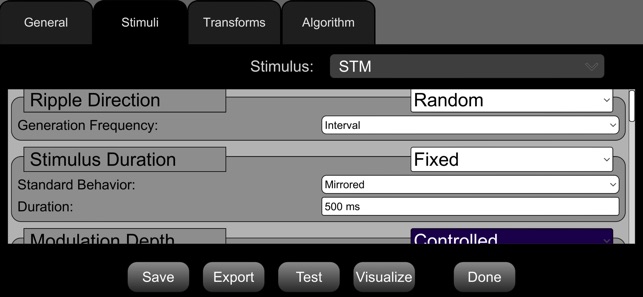
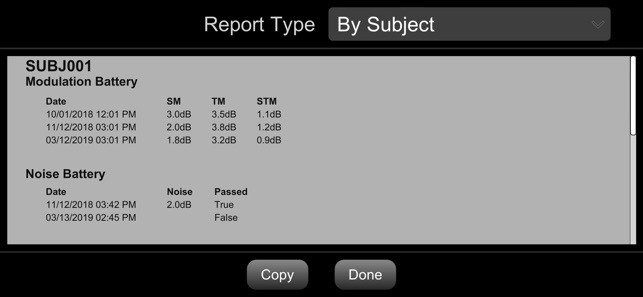
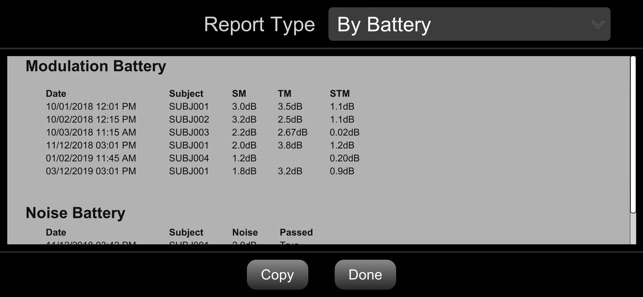
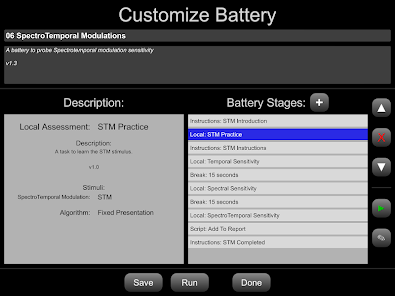
Developed at Northeastern University, Portable Automated Rapid Testing (P.A.R.T.) is a research development platform that facilitates the creation and validation of cognitive and auditory assessment protocols. The system features a design environment for over 100 assessment types and enables advanced configuration of adaptive algorithms. A comprehensive scripting system allows for customized assessment flows, while detailed data logging supports protocol refinement prior to implementation in formal human subject research.

Evidence & Research Context

  • Multiple validation studies demonstrate that psychoacoustical tests deployed via P.A.R.T. on consumer-grade hardware yield results with high repeatability, comparable to or exceeding standard laboratory methods.
  • An evaluation of remote administration found that data collected on uncalibrated, participant-owned devices were well-matched and similarly reliable to lab-based data, establishing feasibility for large-scale remote testing.
  • The system has been validated in diverse settings (laboratory, remote) and populations, including younger normal-hearing and older hearing-impaired adults, though remote testing was specifically evaluated in young adults without hearing difficulties.

Intended Use & Scope

Intended for researchers and developers, P.A.R.T. functions as a specialized environment for designing, refining, and validating assessment protocols before formal deployment. The platform does not serve as a direct data collection tool for human subject research or clinical diagnosis; validated protocols require implementation in separate, IRB-approved study frameworks.

Studies & Publications

3 publications

Peer-reviewed research associated with this app.

Validation Study

Remote auditory assessment using Portable Automated Rapid Testing (PART) and participant-owned devicesa)

Lelo et al. (2022) · The Journal of the Acoustical Society of America

Remote testing proved feasible with similar reliability to lab testing but slightly lower performance.

Remote testing of auditory function can be transformative to both basic research and hearing healthcare; however, historically, many obstacles have limited remote collection of reliable and valid auditory psychometric data. Here, we report performance on a battery of auditory processing tests using a remotely administered system, Portable Automatic Rapid Testing. We compare a previously reported dataset collected in a laboratory setting with the same measures using uncalibrated, participant-owned devices in remote settings (experiment 1, n = 40) remote with and without calibrated hardware (experiment 2, n = 36) and laboratory with and without calibrated hardware (experiment 3, n = 58). Results were well-matched across datasets and had similar reliability, but overall performance was slightly worse than published norms. Analyses of potential nuisance factors such as environmental noise, distraction, or lack of calibration failed to provide reliable evidence that these factors contributed to the observed variance in performance. These data indicate feasibility of remote testing of suprathreshold auditory processing using participants' own devices. Although the current investigation was limited to young participants without hearing difficulties, its outcomes demonstrate the potential for large-scale, remote hearing testing of more hearing-diverse populations both to advance basic science and to establish the clinical viability of auditory remote testing.
... Read More
Validation Study

Portable Automated Rapid Testing (PART) for auditory research: Validation in a normal hearing population

Lelo et al. (2020) · The Journal of the Acoustical Society of America

App showed high test-retest reliability and accurately reproduced standard laboratory results.

This study aims to determine the degree to which Portable Automated Rapid Testing (PART), a freely available program running on a tablet computer, is capable of reproducing standard laboratory results. Undergraduate students were assigned to one of three within-subject conditions that examined repeatability of performance on a battery of psychoacoustical tests of temporal fine structure processing, spectro-temporal amplitude modulation, and targets in competition. The repeatability condition examined test/retest with the same system, the headphones condition examined the effects of varying headphones (passive and active noise-attenuating), and the noise condition examined repeatability in the presence of recorded cafeteria noise. In general, performance on the test battery showed high repeatability, even across manipulated conditions, and was similar to that reported in the literature. These data serve as validation that suprathreshold psychoacoustical tests can be made accessible to run on consumer-grade hardware and perform in less controlled settings. This dataset also provides a distribution of thresholds that can be used as a normative baseline against which auditory dysfunction can be identified in future work.
... Read More

P.A.R.T.

Free