P.A.R.T. Next
Published in academic literature
App Summary
App Screenshots
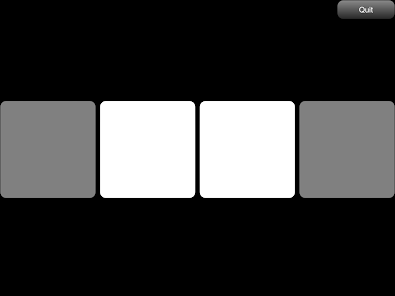
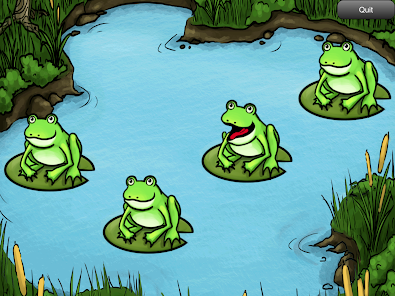
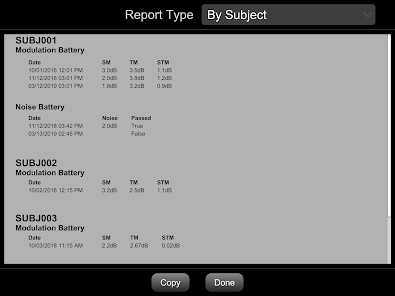
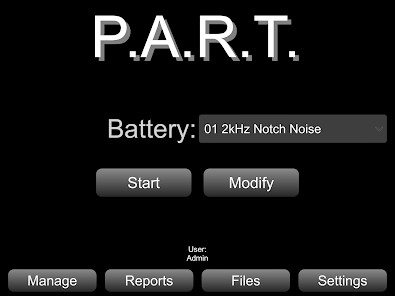
Detailed Description
Functionality & Mechanism
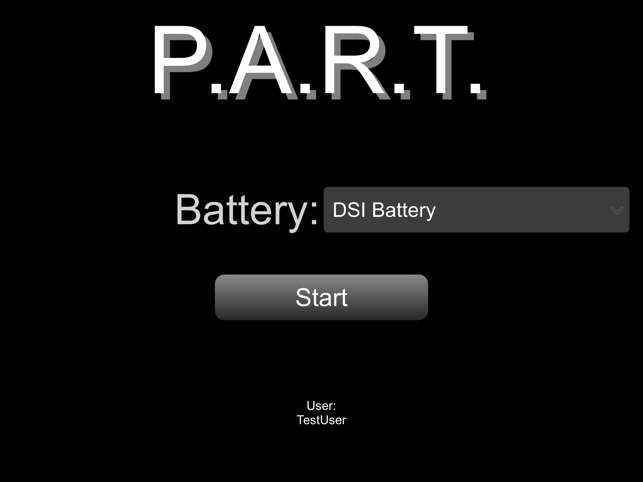
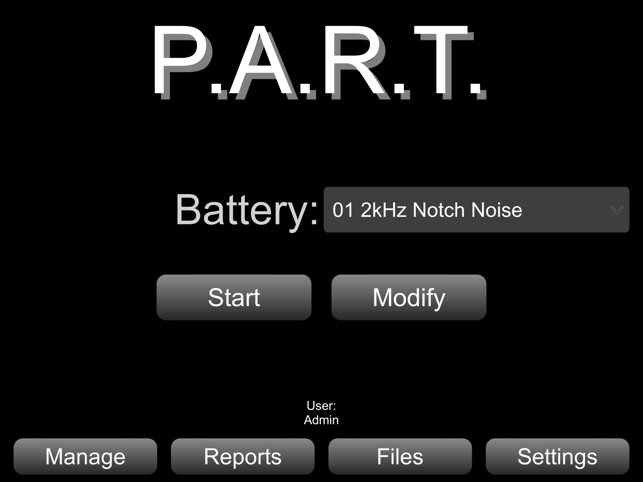
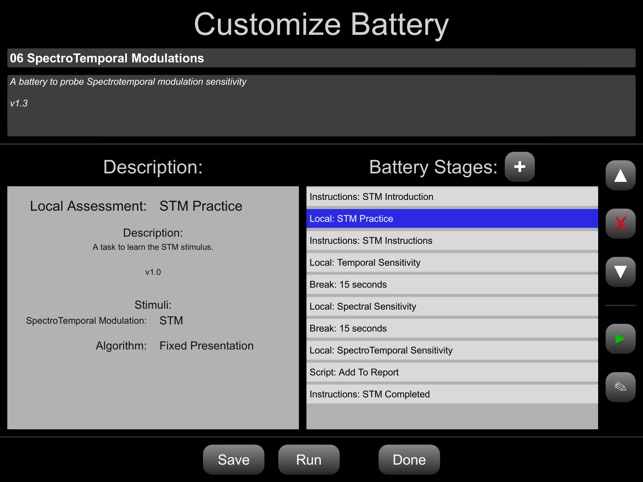
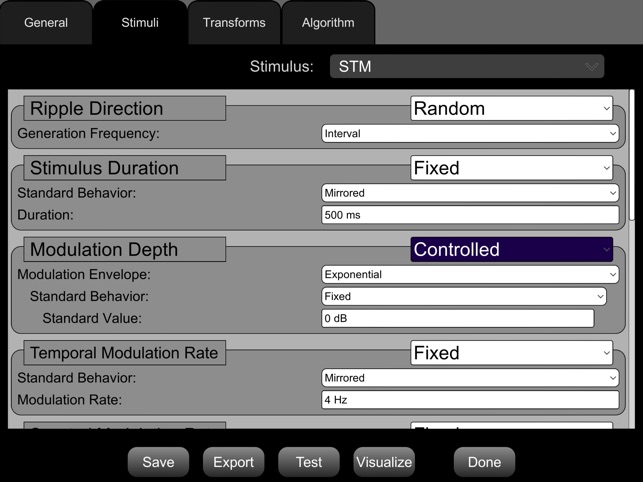
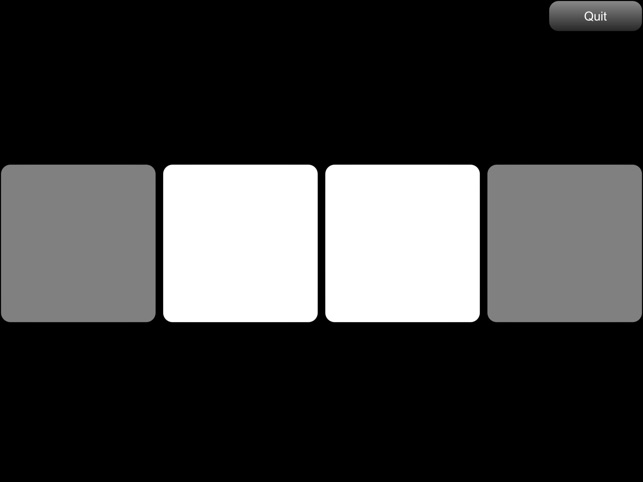
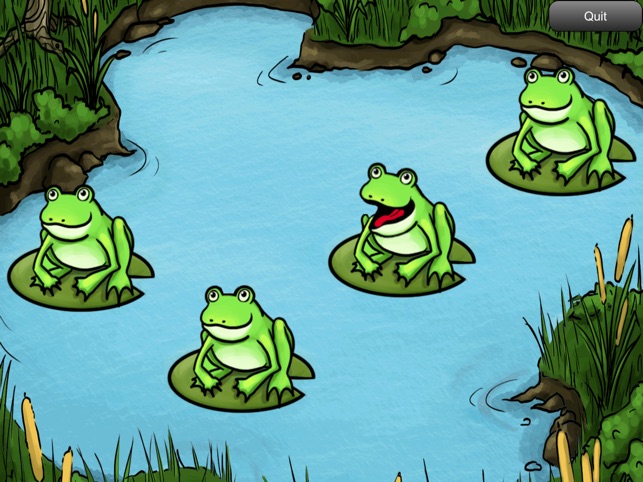
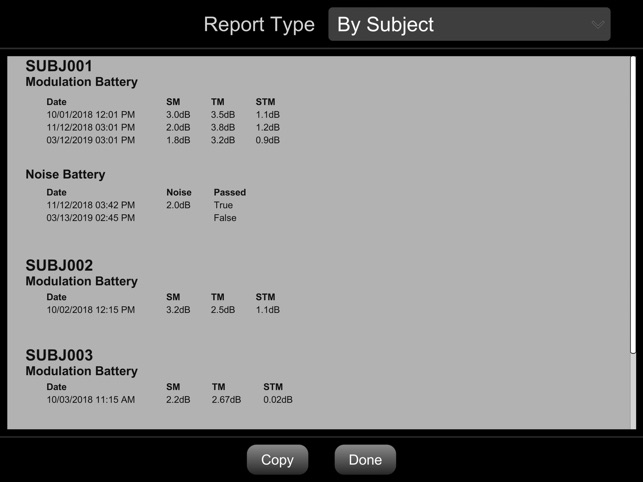
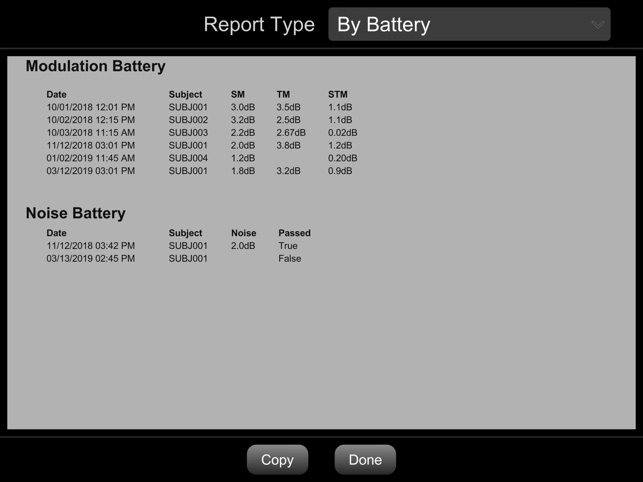
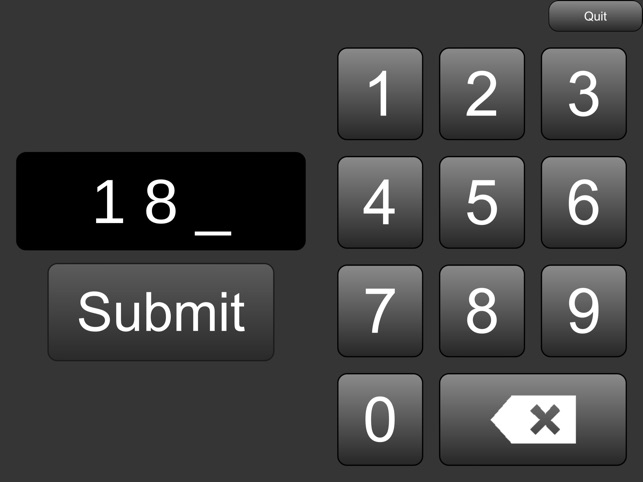
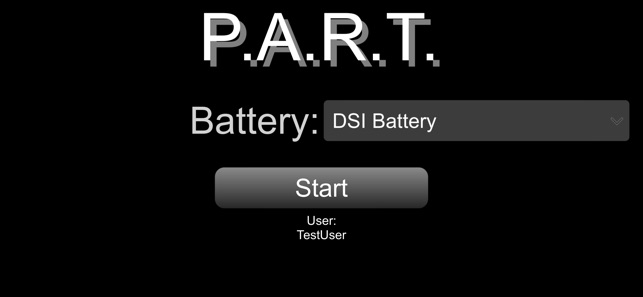
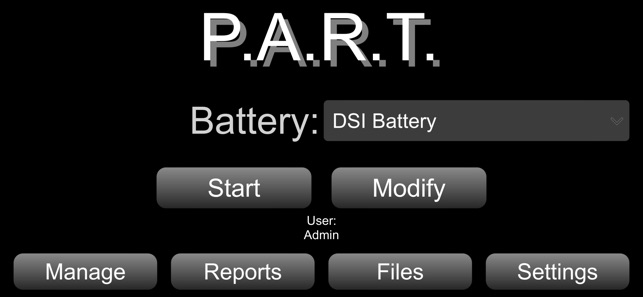
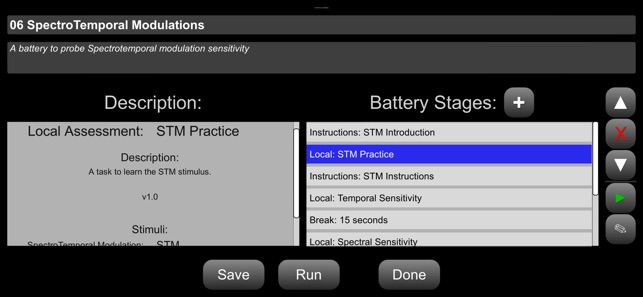
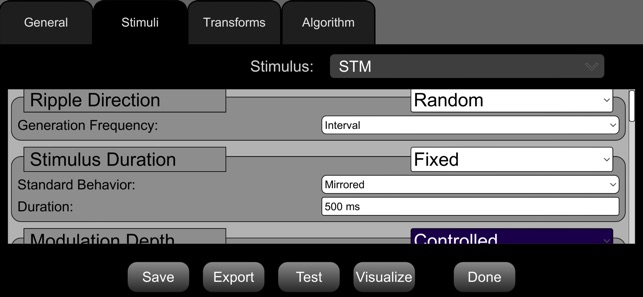
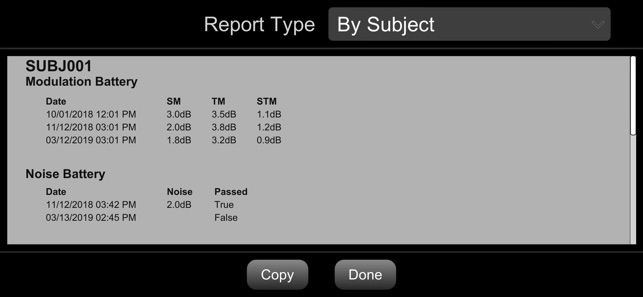
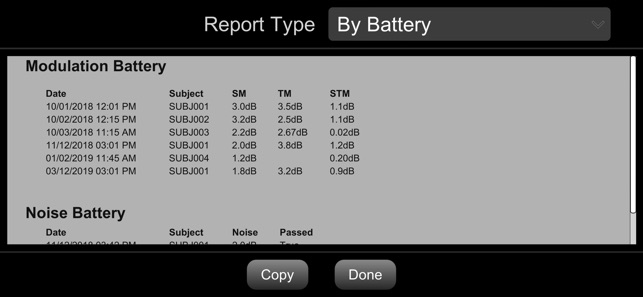
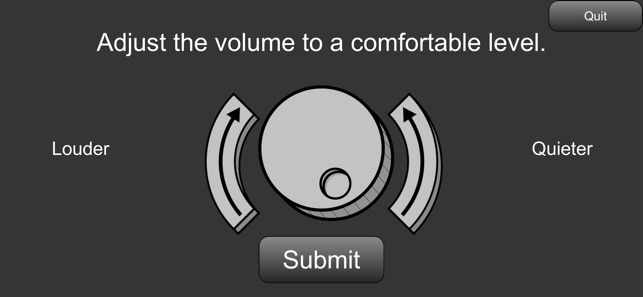
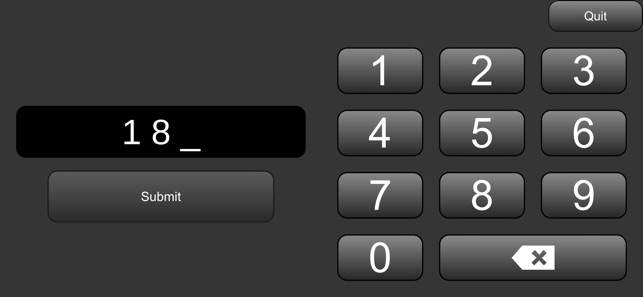
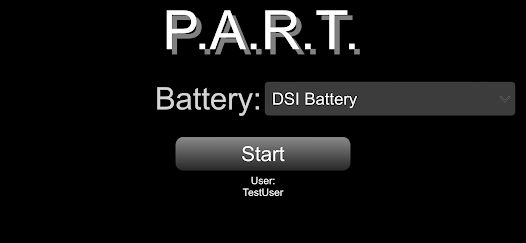
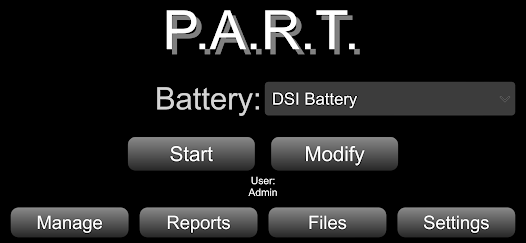
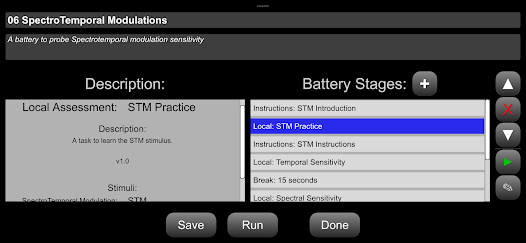
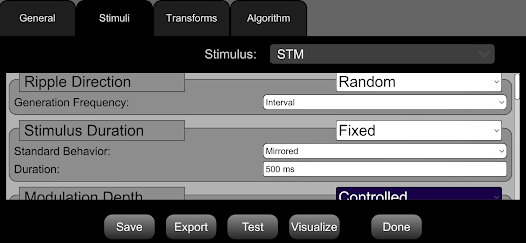
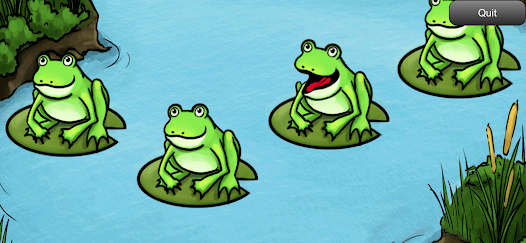
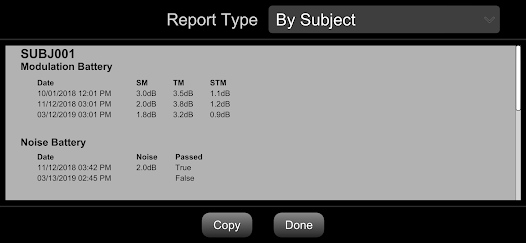
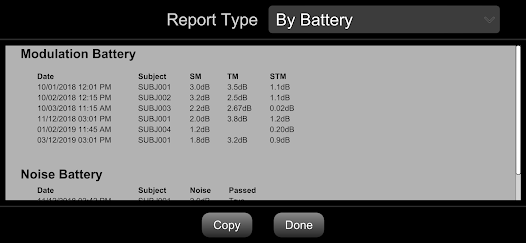
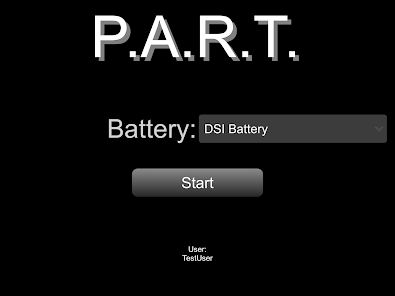
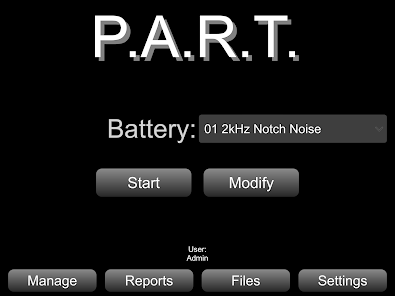
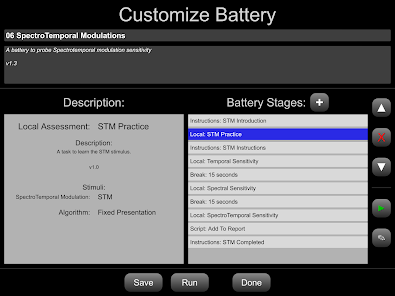
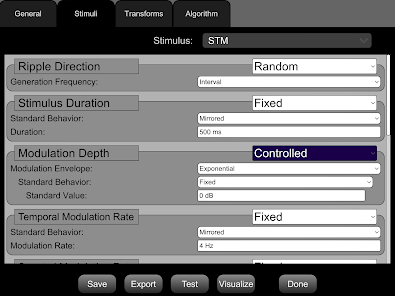
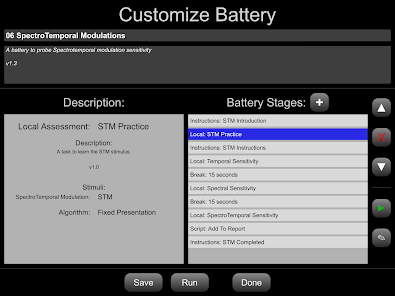
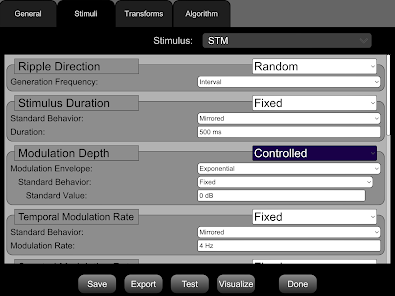
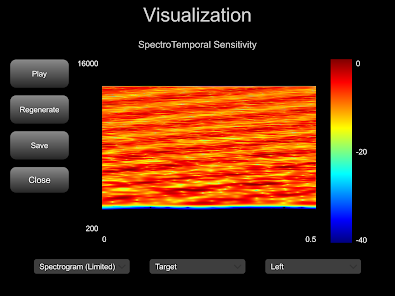
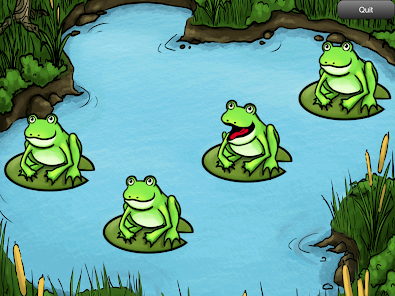
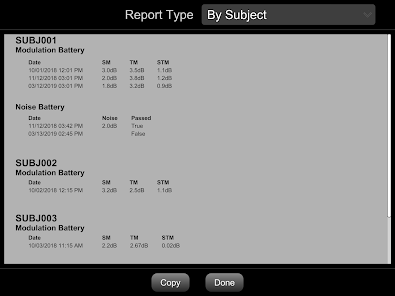
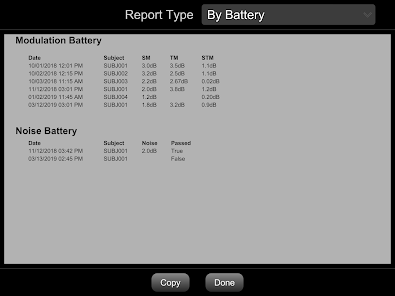
P.A.R.T. Next is an advanced development environment from Northeastern University's Brain Game Center for creating and testing cognitive protocols. The system provides a comprehensive scripting interface to design and configure assessment batteries and gamified training interventions. Researchers leverage its modules for central auditory processing, executive function, and attentional control, utilizing detailed data logging capabilities to validate protocol parameters and adaptive algorithms before deployment in formal human subject research.
Evidence & Research Context
- The platform is designed to facilitate the creation of cognitive training interventions grounded in established research on neuroplasticity and learning transfer.
- The scientific basis for such interventions is supported by findings that training on a demanding working memory task can transfer to significant improvements in fluid intelligence (Gf).
- This transfer effect is noted to be dosage-dependent, where increased training volume correlates with greater gains in Gf without direct practice on the intelligence test itself.
- The system's development was supported by federal grants from the National Institutes of Health (NIH) and the Department of Defense (DOD).
Intended Use & Scope
This platform is intended exclusively for researchers and developers as a pre-clinical environment for protocol design, configuration, and validation. Its primary utility is the creation of novel cognitive assessments and training modules. P.A.R.T. Next is not a data collection tool for human subject research; all developed protocols require separate implementation within IRB-approved study frameworks.
Studies & Publications
Peer-reviewed research associated with this app.
Improving fluid intelligence with training on working memory
Jaeggi et al. (2008) · Proceedings of the National Academy of Sciences
Referenced in academic literature; no direct evaluation of the appIn the Media
Does Working Memory Training Improve Cognitive Skills?
Northeastern University's Brain Game Center for Mental Fitness and Well-Being developed P.A.R.T. Next to improve working memory skills through personalized training games using machine learning algorithms. "If we know very early on in what tiers that people end up or how fast that they learn, we can then also personalize their training experience," said psychology professor Susanne Jaeggi. The research with 568 undergraduate students demonstrated that machine learning can predict learning patterns and customize memory training for individual users.
Do "brain training" apps work? Northeastern scientists will test unique interventions for adolescents with ADHD
Northeastern University professors Susanne Jaeggi and Aaron Seitz developed P.A.R.T. Next to address fundamental gaps in cognitive training research for adolescents with ADHD, using game-based interventions to improve memory and attention functions. The scientific community widely agrees that "when a person plays 'brain training' games, they will foster specific skills and get better at playing the game," according to Jaeggi. The researchers have collaborated for almost 10 years on ways to assess and improve cognitive skills through gaming applications.
Do"brain training" apps work? Northeastern scientists will test unique interventions for adolescents with ADHD
Northeastern University professors Susanne Jaeggi and Aaron Seitz developed P.A.R.T. Next to address the fundamental gap in cognitive training research, using game-based interventions to improve memory and attention functions in adolescents with ADHD. The researchers have been collaborating for almost 10 years on ways to assess and improve people's cognitive skills through gaming applications. Their work focuses on enhancing auditory processing, visual processing, working memory, sustained attention, decision-making and executive functions.
Brain Games, with Dr. Susanne Jaeggi and Dr. Aaron Seitz - This Is Your Brain
Dr. Susanne Jaeggi and Dr. Aaron Seitz from UC Irvine and UC Riverside developed P.A.R.T. Next to improve cognitive skills and working memory through brain training games, conducting a nationwide study of their effectiveness. Seitz notes that while "there's a lot of evidence that even off the shelf video games can lead to certain types of improvements in brain functions," researchers "don't know that they do work consistently or for whom." The research addresses a $1.9 billion brain training app market where little scientific validation exists.
Nationwide project seeks to understand how brain exercises produce cognitive benefits
UC Riverside's Brain Game Center developed P.A.R.T. Next to understand how memory training produces cognitive benefits, launching a nationwide project funded by the National Institute of Mental Health. The study aims to engage 30,000 people in different variants of memory training, with director Aaron Seitz stating, "We want to understand which training approaches lead to what types of benefits in different individuals." The large-scale project seeks to resolve scientific controversies surrounding brain training effectiveness and explore personalized cognitive training approaches.
App Information
Developer
Northeastern UniversityCategory
Evidence Profile
Published in academic literature
Platforms
Updated
Jul 2026
© 2025 Northeastern University