AppsFromResearch
PTSD Coach icon

PTSD Coach

Evidence Tier:CLINICAL GRADE

Validated in clinical trials · Supported by multiple studies

For:General Public & EnthusiastsPatients & Caregivers

App Summary

PTSD Coach is a self-management app for individuals with post-traumatic stress disorder (PTSD), offering education, symptom tracking, and evidence-based coping tools to manage daily stress. A randomized controlled trial (N=120) found that app use resulted in significantly greater improvements in PTSD symptoms compared to a waitlist, with a greater proportion of users achieving clinically significant improvement. The associated research concludes that PTSD Coach can serve as a convenient public health tool for individuals with PTSD, particularly for those who may not be receiving formal care.

App Screenshots
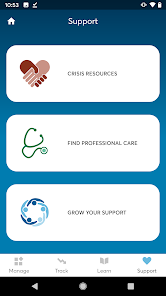
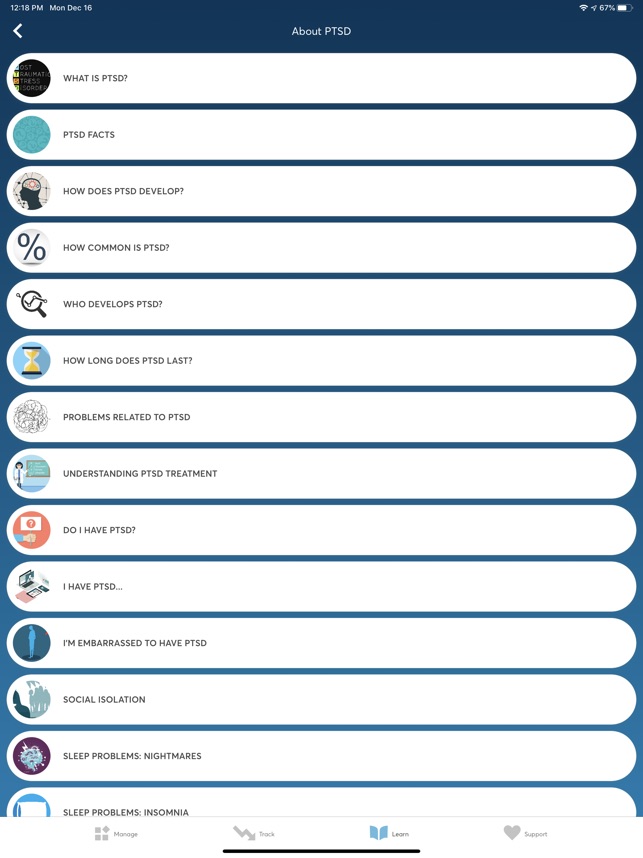
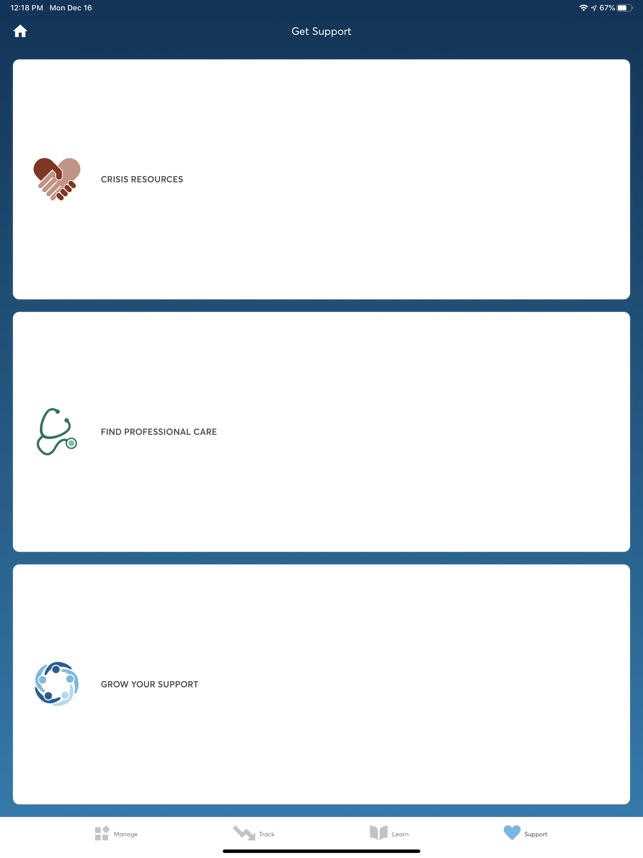
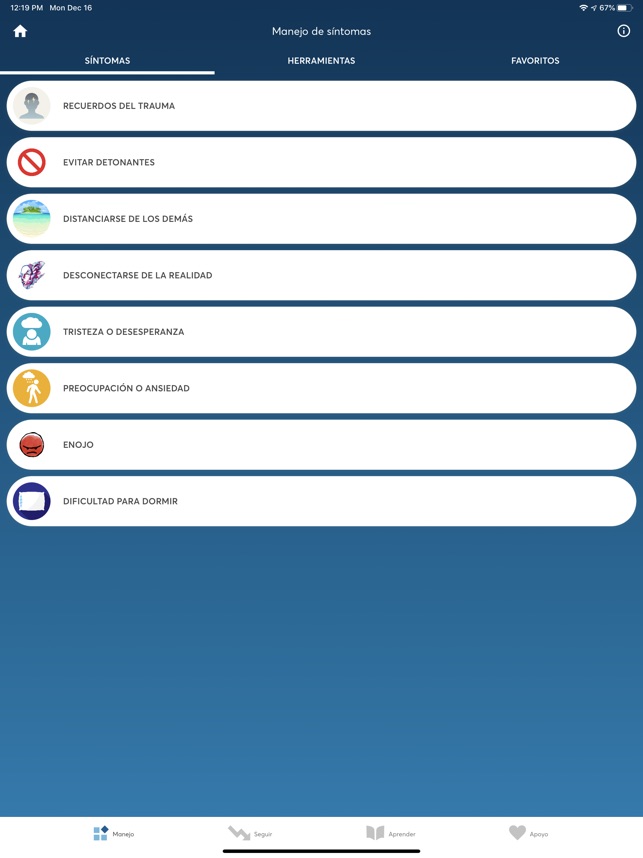
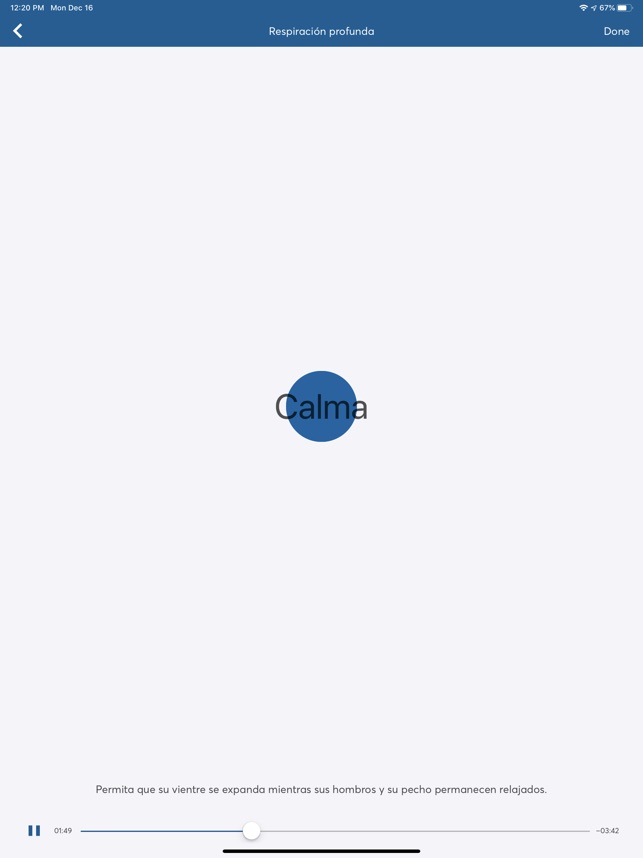
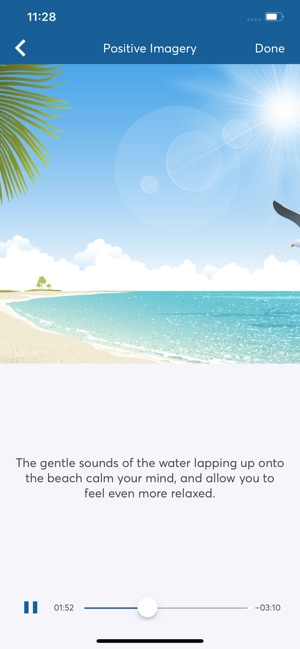
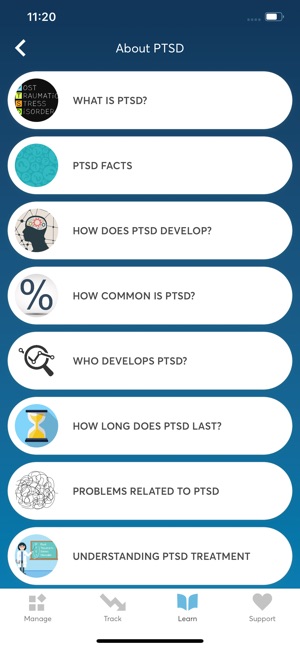
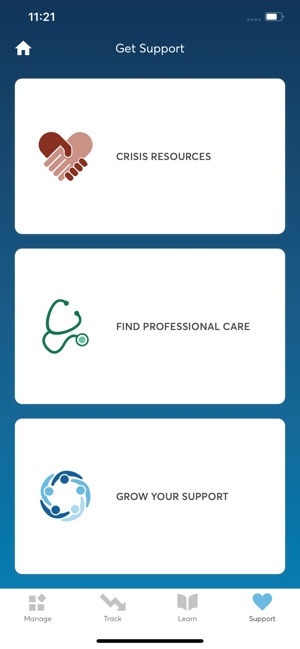
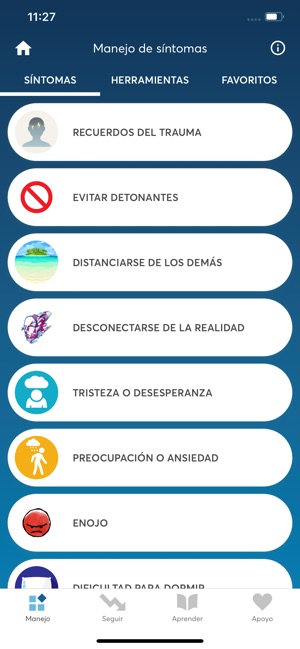
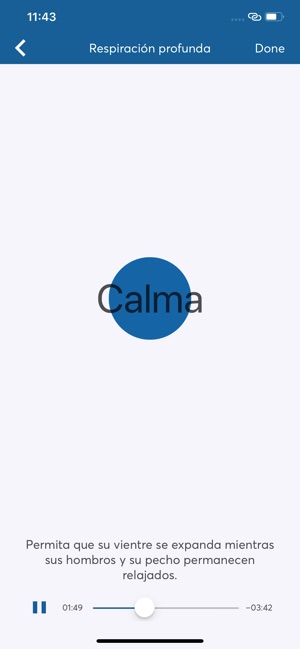
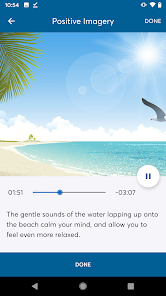
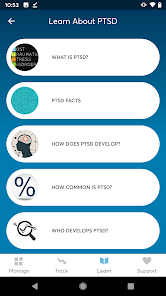
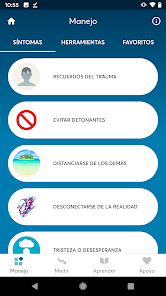
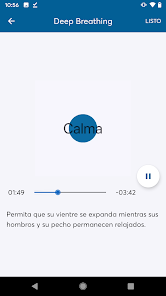
PTSD Coach screenshot 1 of 26PTSD Coach screenshot 2 of 26PTSD Coach screenshot 3 of 26PTSD Coach screenshot 4 of 26PTSD Coach screenshot 5 of 26PTSD Coach screenshot 6 of 26PTSD Coach screenshot 7 of 26PTSD Coach screenshot 8 of 26PTSD Coach screenshot 9 of 26PTSD Coach screenshot 10 of 26PTSD Coach screenshot 11 of 26PTSD Coach screenshot 12 of 26PTSD Coach screenshot 13 of 26PTSD Coach screenshot 14 of 26PTSD Coach screenshot 15 of 26PTSD Coach screenshot 16 of 26PTSD Coach screenshot 17 of 26PTSD Coach screenshot 18 of 26PTSD Coach screenshot 19 of 26PTSD Coach screenshot 20 of 26PTSD Coach screenshot 21 of 26PTSD Coach screenshot 22 of 26PTSD Coach screenshot 23 of 26PTSD Coach screenshot 24 of 26PTSD Coach screenshot 25 of 26PTSD Coach screenshot 26 of 26

Detailed Description

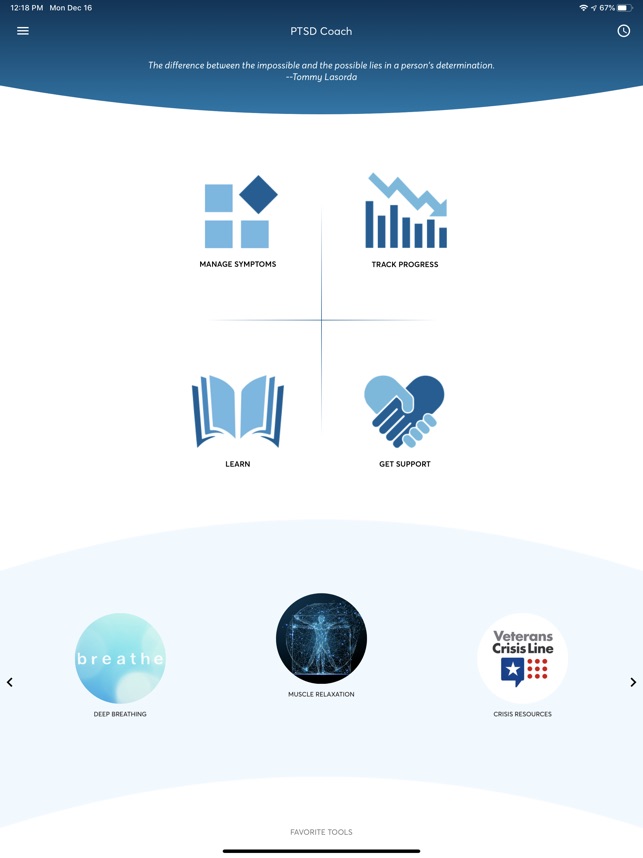
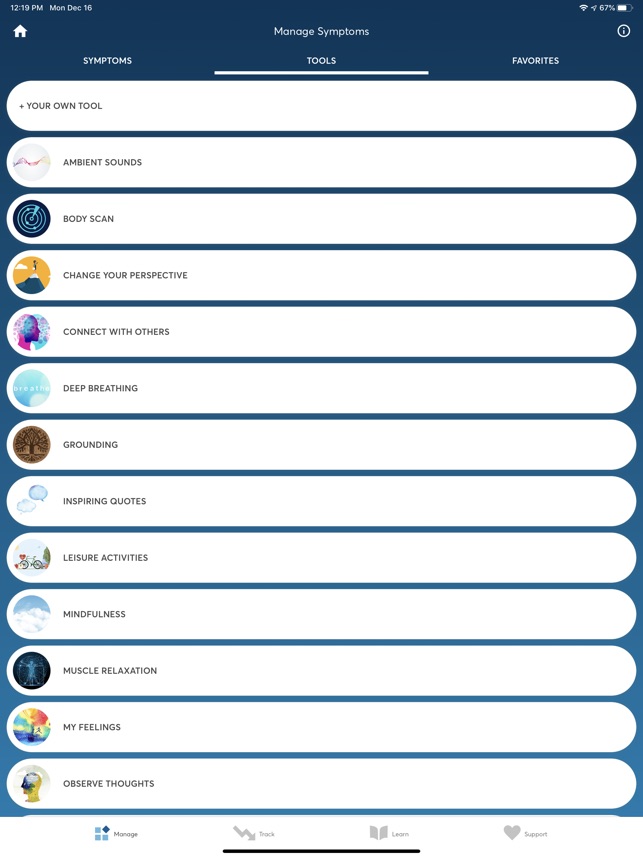
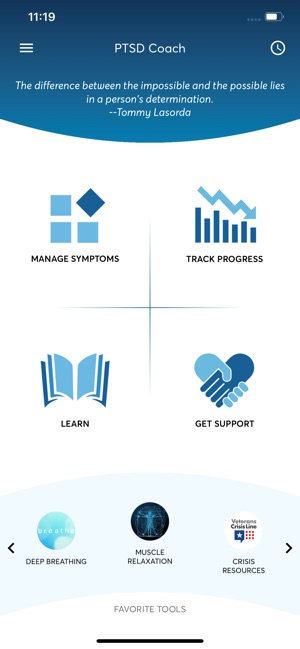
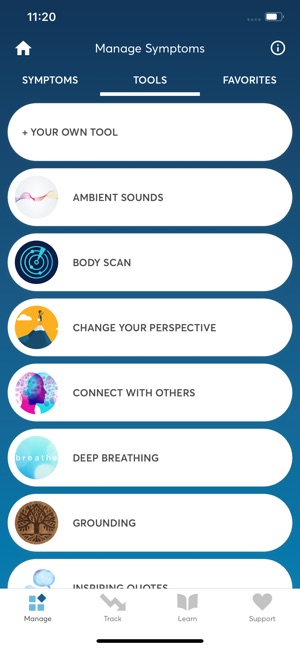
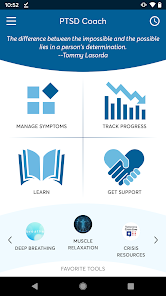
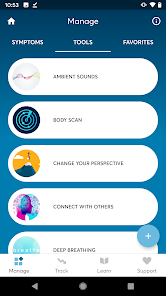
Functionality & Mechanism Developed by the VA National Center for PTSD and DoD, PTSD Coach delivers psychoeducational content and self-management tools for posttraumatic stress. The interface is structured around four core modules: Learn, Track Progress, Get Support, and Manage Symptoms. The latter module deploys evidence-based cognitive behavioral coping tools, including relaxation skills and anger management strategies. The system allows for personalization through the integration of user-selected contacts and media, facilitating customized skill practice and support access.

Evidence & Research Context

  • A randomized controlled trial (N=120) demonstrated that app use resulted in significantly greater improvements in self-reported PTSD symptoms, depression, and psychosocial functioning compared to a waitlist control.
  • An effectiveness study (N=234) of a clinician-supported model found the intervention produced greater patient-reported PTSD symptom relief and higher treatment satisfaction than treatment-as-usual, but not clinician-rated symptom relief.
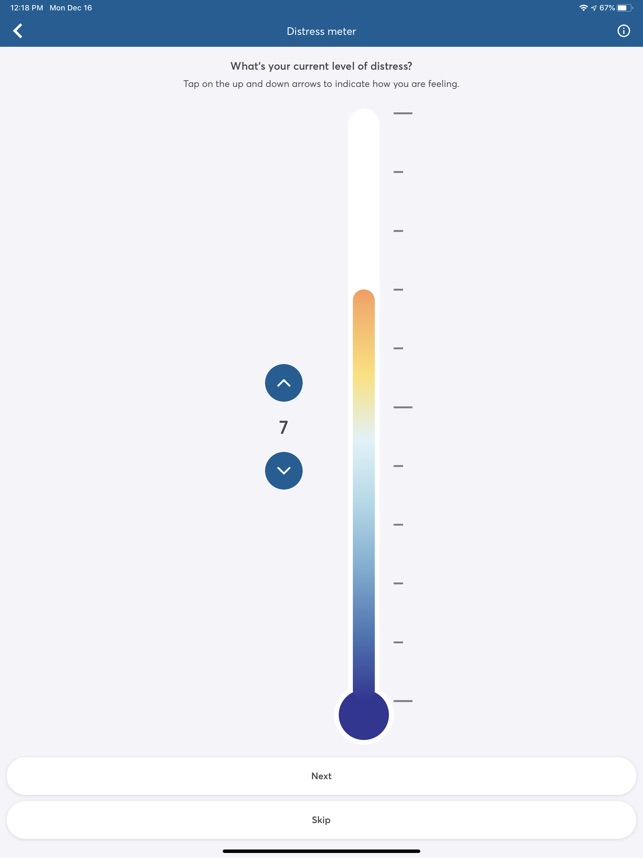
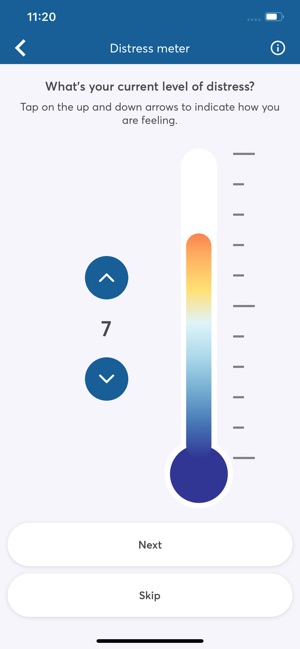
  • An analysis of naturalistic use data from ~150,000 public users indicated that engagement with coping tools was associated with modest reductions in momentary distress.
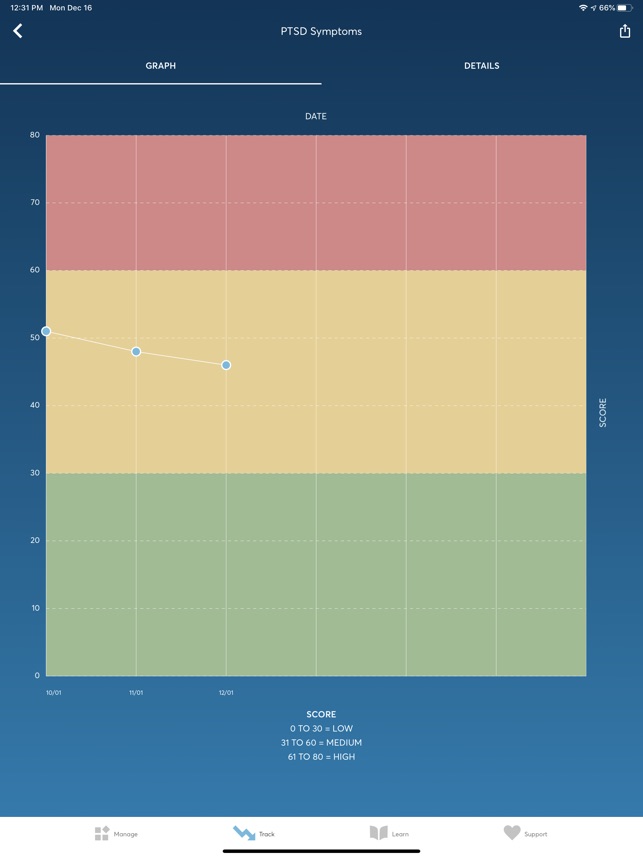
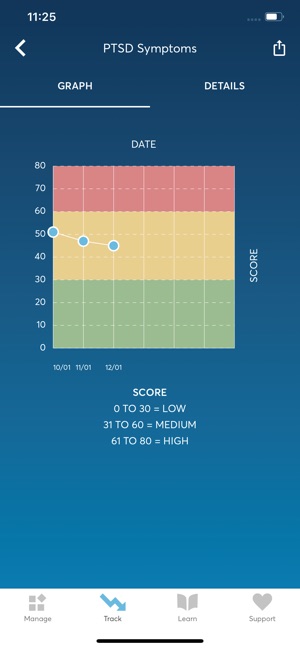
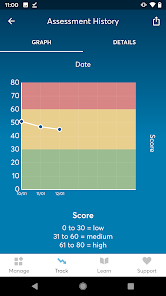
  • Among a subset of public users (N=4,989) completing multiple assessments within the app, approximately one-third experienced clinically significant reductions in PTSD symptoms over time.

Intended Use & Scope This tool is designed for individuals with or at risk for posttraumatic stress disorder, including veterans and the general public. Its primary utility is as a self-management resource to provide psychoeducation and deploy in-the-moment coping skills. The app is intended to supplement, not replace, professional clinical care and is not a crisis-intervention service.

Studies & Publications

4 publications

Peer-reviewed research associated with this app.

RCT

A Randomized Clinical Trial of Clinician-Supported PTSD Coach in VA Primary Care Patients

Possemato et al. (2023) · Journal of General Internal Medicine

Improved patient-reported PTSD symptoms and satisfaction but not clinician-rated PTSD severity or specialty care engagement.

BackgroundPosttraumatic stress disorder (PTSD) is common in primary care patients; however, evidence-based treatments are typically only available in specialty mental healthcare settings and often not accessed.ObjectiveTo test the effectiveness of a brief primary care-based treatment, Clinician-Supported PTSD Coach (CS PTSD Coach) was compared with Primary Care Mental Health Integration-Treatment as Usual (PCMHI-TAU) in (1) reducing PTSD severity, (2) engaging veterans in specialty mental health care, and (3) patient satisfaction with care.DesignMulti-site randomized pragmatic clinical trial.ParticipantsA total of 234 veterans with PTSD symptoms who were not currently accessing PTSD treatment.InterventionCS PTSD Coach was designed to be implemented in Veterans Affairs PCMHI and combines mental health clinician support with the "PTSD Coach" mobile app. Four 30-min sessions encourage daily use of symptom management strategies.Main MeasuresPTSD severity was measured by clinician-rated interviews pre- and post-treatment (8 weeks). Self-report measures assessed PTSD, depression, and quality of life at pretreatment, posttreatment, and 16- and 24-week follow-ups, and patient satisfaction at post-treatment. Mental healthcare utilization was extracted from medical records.Key ResultsClinician-rated PTSD severity did not differ by condition at post-treatment. CS PTSD Coach participants improved more on patient-reported PTSD severity at post-treatment than TAU participants (D?=?.28, p?=?.021). Coach participants who continued to have problematic PTSD symptoms at post-treatment were not more likely to engage in 2 sessions of specialty mental health treatment than TAU participants. Coach participants engaged in 74% more sessions in the intervention and reported higher treatment satisfaction than TAU participants (p?<?.001).ConclusionsA structured 4-session intervention designed to align with patient preferences for care resulted in more patient-reported PTSD symptom relief, greater utilization of mental health treatment, and overall treatment satisfaction than TAU, but not more clinician-rated PTSD symptom relief or engagement in specialty mental health.
... Read More
Effectiveness/Outcome Study

PTSD Coach Version 3.1: A Closer Look at the Reach, Use, and Potential Impact of This Updated Mobile Health App in the General Public

Hallenbeck et al. (2021) · JMIR Mental Health

Reached 150,000 users; coping tools modestly reduced distress among those who actively used them.

Background With widespread smartphone ownership, mobile health apps (mHealth) can expand access to evidence-based interventions for mental health conditions, including posttraumatic stress disorder (PTSD). Research to evaluate new features and capabilities in these apps is critical but lags behind app development. The initial release of PTSD Coach, a free self-management app developed by the US Departments of Veterans Affairs and Defense, was found to have a positive public health impact. However, major stakeholder-driven updates to the app have yet to be evaluated. Objective We aimed to characterize the reach, use, and potential impact of PTSD Coach Version 3.1 in the general public. As part of characterizing use, we investigated the use of specific app features, which extended previous work on PTSD Coach. Methods We examined the naturalistic use of PTSD Coach during a 1-year observation period between April 20, 2020, and April 19, 2021, using anonymous in-app event data to generate summary metrics for users. Results During the observation period, PTSD Coach was broadly disseminated to the public, reaching approximately 150,000 total users and 20,000 users per month. On average, users used the app 3 times across 3 separate days for 18 minutes in total, with steep drop-offs in use over time; a subset of users, however, demonstrated high or sustained engagement. More than half of users (79,099/128,691, 61.46%) accessed one or more main content areas of the app (ie, Manage Symptoms, Track Progress, Learn, or Get Support). Among content areas, features under Manage Symptoms (including coping tools) were accessed most frequently, by over 40% of users (53,314/128,691, 41.43% to 56,971/128,691, 44.27%, depending on the feature). Users who provided initial distress ratings (56,971/128,691, 44.27%) reported relatively high momentary distress (mean 6.03, SD 2.52, on a scale of 0-10), and the use of a coping tool modestly improved momentary distress (mean −1.38, SD 1.70). Among users who completed at least one PTSD Checklist for DSM-5 (PCL-5) assessment (17,589/128,691, 13.67%), PTSD symptoms were largely above the clinical threshold (mean 49.80, SD 16.36). Among users who completed at least two PCL-5 assessments (4989/128,691, 3.88%), PTSD symptoms decreased from the first to last assessment (mean −4.35, SD 15.29), with approximately one-third (1585/4989, 31.77%) of these users experiencing clinically significant improvements. Conclusions PTSD Coach continues to fulfill its mission as a public health resource. Version 3.1 compares favorably with version 1 on most metrics related to reach, use, and potential impact. Although benefits appear modest on an individual basis, the app provides these benefits to a large population. For mHealth apps to reach their full potential in supporting trauma recovery, future research should aim to understand the utility of individual app features and identify strategies to maximize overall effectiveness and engagement.
... Read More

In the Media

Introducing the All New PTSD Coach Mobile App

The VA developed PTSD Coach to help users learn about and manage symptoms that occur after trauma, featuring tools for stress management and progress tracking. The app has been downloaded about 500,000 times in over 115 countries since its April 2011 launch. The newest release now includes Spanish language availability through efforts of the U.S. Department of Health and Social Services Hurricane Maria Recovery Team in Puerto Rico.

GovdeliveryRead article

Study: 9 in 10 users happy with PTSD Coach smartphone app

VA's National Center for PTSD developed PTSD Coach to provide Veterans with portable coping tools they could use anywhere when experiencing PTSD symptoms, incorporating evidence-based techniques from cognitive behavioral therapy. A study of 45 Veterans in residential treatment found that "participants were very satisfied with PTSD Coach and perceived it as being moderately to very helpful with their PTSD symptoms," with almost 90 percent reporting moderate to extreme satisfaction. The app has been downloaded more than 150,000 times across 80 countries and offers four main features including symptom management, PTSD education, symptom tracking, and support resources.

VaRead article

VA/DoD PTSD Coach App Wins Innovation Award for Telemedicine Advancement

The Department of Veterans Affairs and Department of Defense collaboratively developed PTSD Coach to provide education, symptom-tracking tools, and support connections for individuals with PTSD, using the popularity of mobile devices to reach users wherever they are. The app won an innovation award from the American Telemedicine Association and has been downloaded more than 53,000 times in over 60 countries since its April 2011 launch. "We are energized to build innovative products that extend the reach of VA and DoD services to those who need them most," said Dr. Julia Hoffman, clinical psychologist at VA's National Center for PTSD.

VaRead article

Post-traumatic Stress Disorder (PTSD) App Helps Thousands

The Department of Veterans Affairs and Department of Defense launched PTSD Coach to help veterans and servicemembers manage PTSD symptoms through symptom tracking, support resources, and coping strategies accessible on mobile devices. Since its April launch, the app has helped more than 5,000 users and has been downloaded in 25 countries while receiving perfect customer review scores on iTunes. Secretary of Veterans Affairs Eric K. Shinseki emphasized that "this new tool is about helping Veterans and Servicemembers when and where they need it."

VaRead article

PTSD Coach

Free