Recollect the Game
Studied in clinical trials · Mixed evidence
App Summary
App Screenshots
Detailed Description
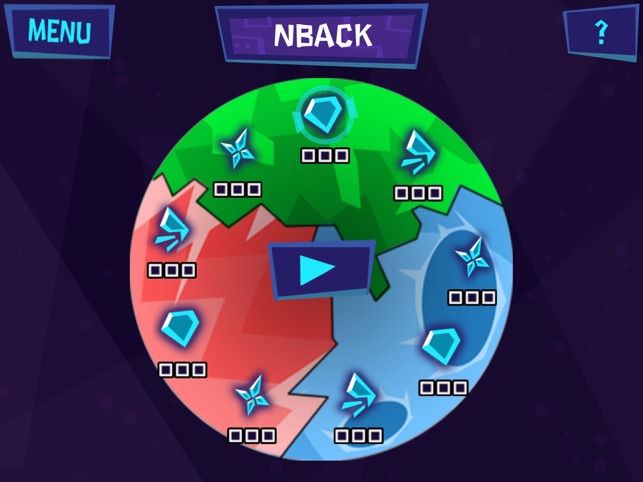
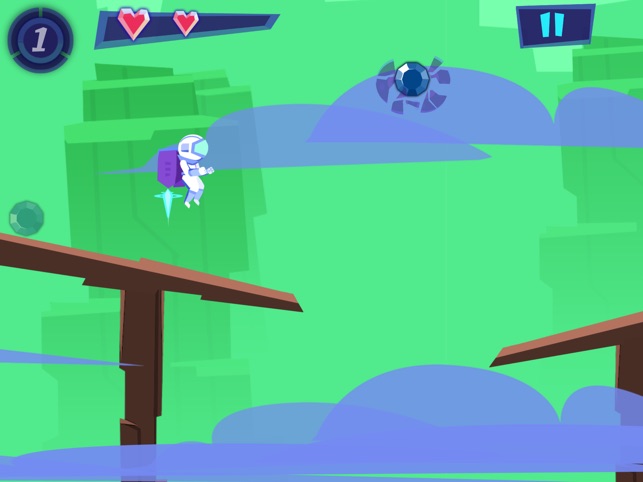
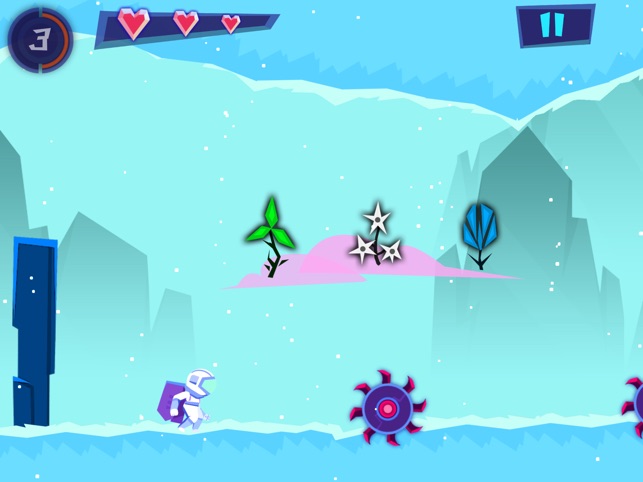
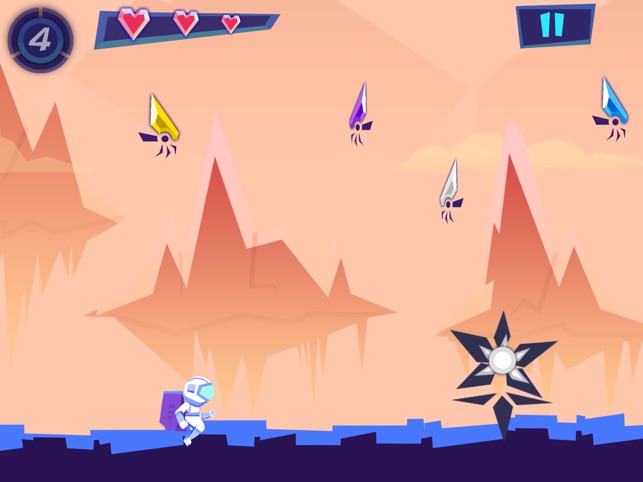
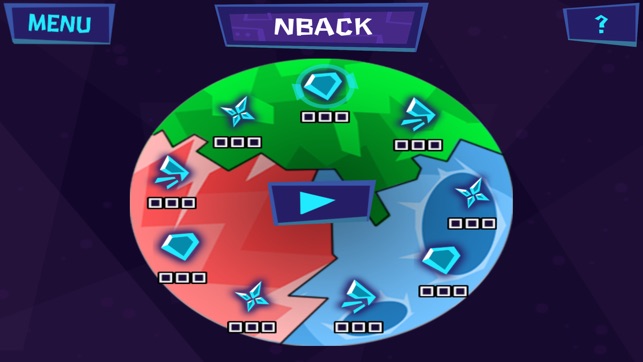
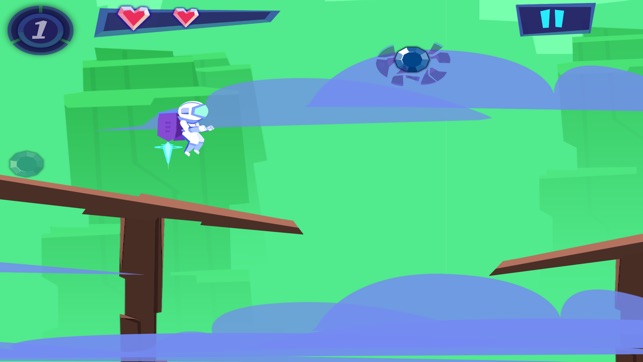
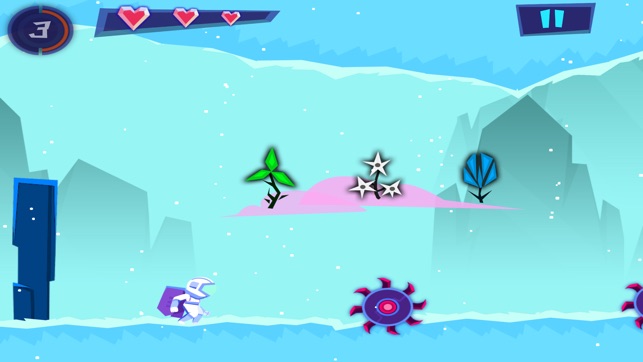
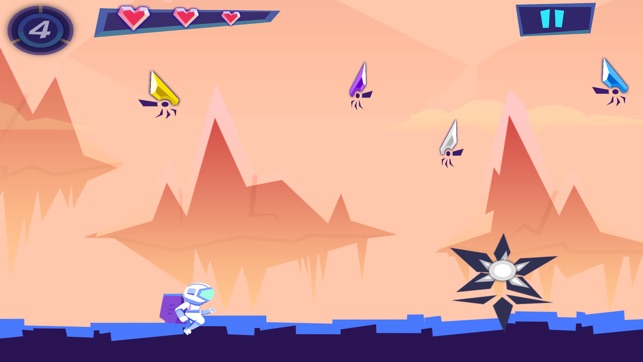
Functionality & Mechanism Developed by the University of California Riverside's Brain Game Center, this system delivers gamified working memory training. Sessions immerse the participant in a side-scrolling platform environment where completion of cognitive tasks is required to advance. The interface integrates scientifically supported renditions of N-Back, Item Span, and Multiple-Identity tracking tasks. These modules are embedded within a reward-based framework designed to reinforce program adherence and maintain the efficacy of the cognitive training protocol.
Evidence & Research Context
- The app's N-Back training mechanism is informed by research from the developer, including a report on three randomized controlled trials (N=460 total) investigating cognitive transfer.
- The associated research established that performance improvement on untrained N-Back tasks (near transfer) statistically mediated transfer to matrix reasoning performance (far transfer).
- This mediating relationship was observed across all three trials, including two where a direct intervention effect on far transfer was not significant, supporting a model where near transfer gates far transfer.
- A significant intervention effect was demonstrated for a working memory composite, an outcome that was also mediated by near transfer performance.
Intended Use & Scope This application is intended for the general public and for researchers investigating cognitive training paradigms. It functions as a structured tool for exercising working memory functions through repeated task engagement. The app is not a diagnostic instrument or a substitute for clinical assessment and intervention for cognitive impairment or attention disorders.
Studies & Publications
Peer-reviewed research associated with this app.
Near transfer to an unrelated N-back task mediates the effect of N-back working memory training on matrix reasoning
Pahor et al. (2022) · Nature Human Behaviour
Training improved performance on some tasks but not on matrix reasoning in two of three trials.
App Information
Developer
University of California, RiversideCategory
Evidence Profile
Studied in clinical trials · Mixed evidence
Platforms
Updated
May 2017
© 2025 University of California, Riverside
Tags

Recollect the Game
Free