
Recollect the Study
Studied in clinical trials · Mixed evidence
App Summary
App Screenshots
Detailed Description
Functionality & Mechanism
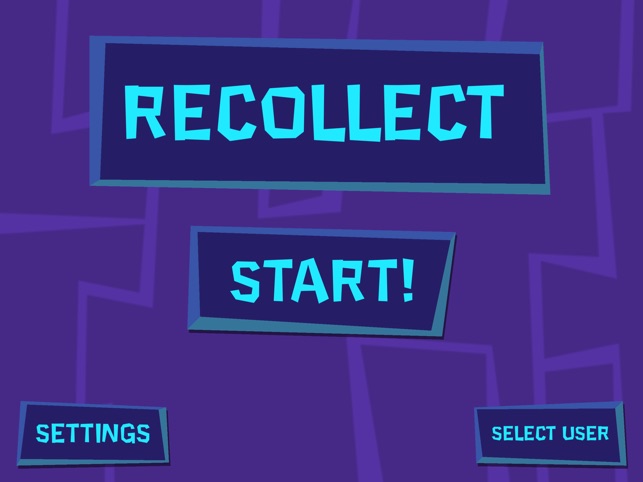
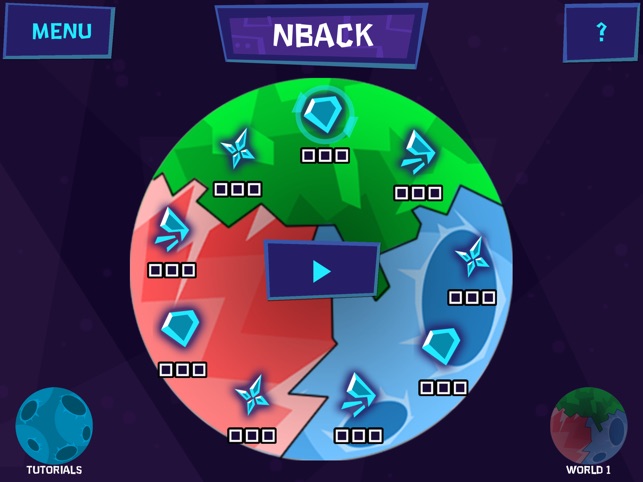
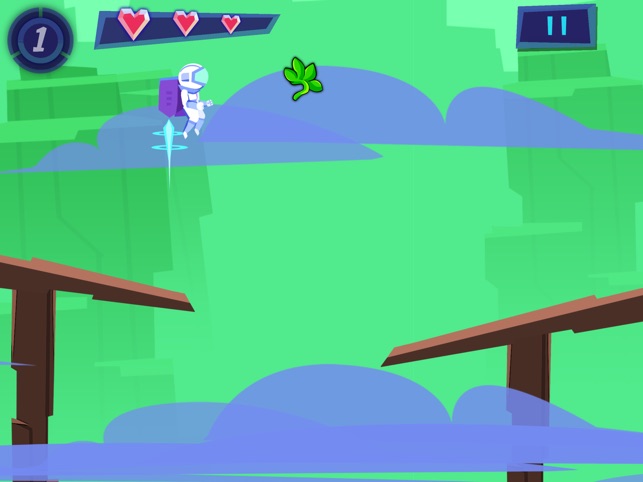
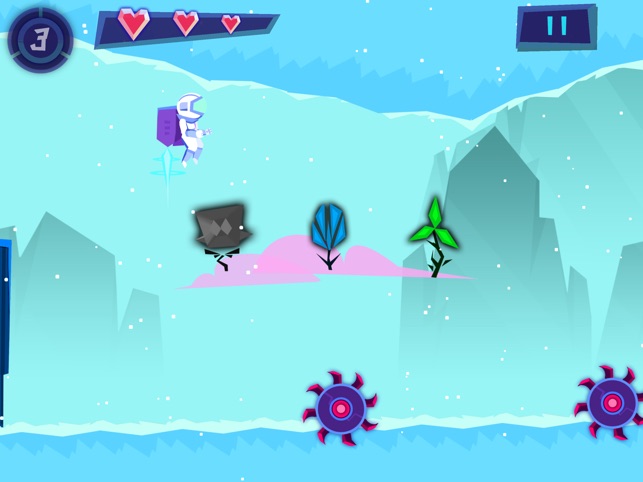
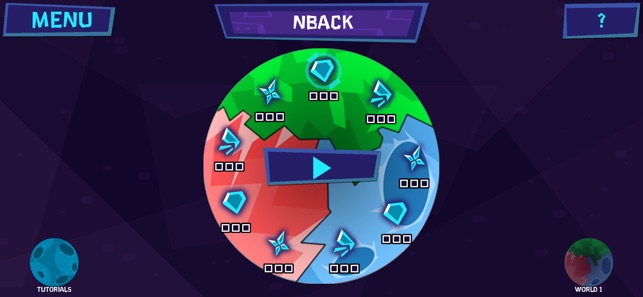
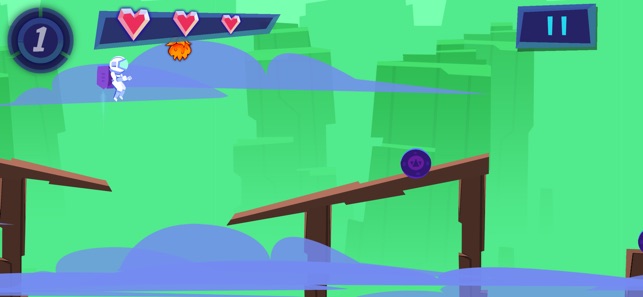
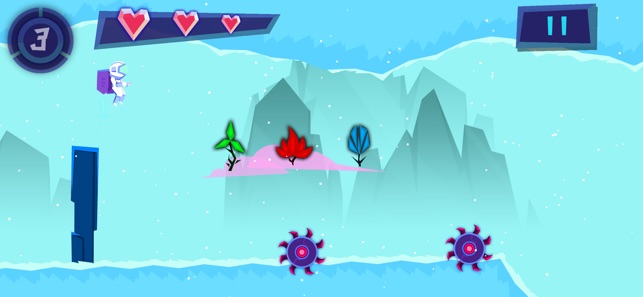
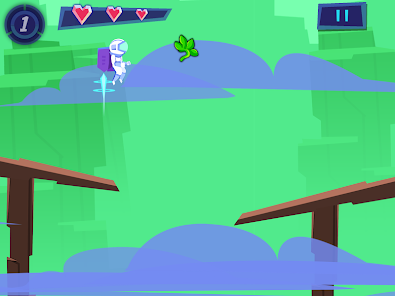
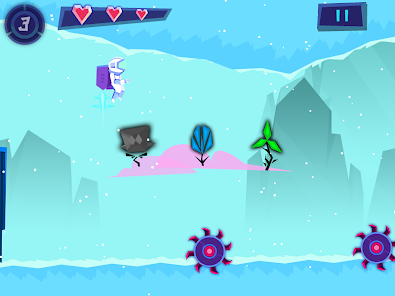
Developed by the University of California Riverside Brain Game Center, this research application delivers working memory training within a gamified environment. The system integrates scientifically supported N-Back, Item Span, and Multiple-Identity tracking tasks into a side-scrolling platformer. The interface requires the player to navigate environments and collect resources in specific sequences, embedding cognitive challenges within a reward-based framework. This design aims to reinforce user adherence and sustain the efficacy of the cognitive training protocol.
Evidence & Research Context
- The application incorporates established cognitive tasks, including N-Back training, which are independently studied for their effects on working memory.
- Its design is informed by foundational research on cognitive transfer, including an analysis of three randomized controlled trials (N=460) investigating N-back training mechanisms.
- This associated research indicates that performance gains on untrained working memory tasks (near transfer) mediate subsequent improvements on fluid intelligence measures like matrix reasoning (far transfer).
- The platform itself is structured as a tool to facilitate research into working memory improvement, brain plasticity, and engagement in cognitive training programs.
Intended Use & Scope
This application is intended for researchers investigating working memory training, adherence, and cognitive transfer effects. It functions as a research platform for data collection and as an experimental training intervention. The tool is not a substitute for clinical diagnosis or treatment for cognitive impairments and should be utilized within defined research protocols.
Studies & Publications
Peer-reviewed research associated with this app.
Near transfer to an unrelated N-back task mediates the effect of N-back working memory training on matrix reasoning
Pahor et al. (2022) · Nature Human Behaviour
Training improved performance on some tasks but not on matrix reasoning in two of three trials.
In the Media
Who benefits from brain training and why?
UC Riverside and UC Irvine researchers developed findings about brain training effectiveness through three randomized control trials involving nearly 500 participants, showing that "near transfer" predicts "far transfer" in cognitive training. "Some people do very well in training, such as playing a video game, but they don't show near transfer perhaps because they are using highly specific strategies," said first author Anja Pahor, noting that for these individuals, far transfer is unlikely. The study demonstrates that people who improve on untrained tasks similar to their training are more likely to show broader cognitive benefits in daily activities.
Speaking of Psychology: Can "brain training" games sharpen your mental skills? With Aaron Seitz, PhD
Dr. Aaron Seitz, a professor of psychology at the University of California, Riverside and director of the university's Brain Game Center, researches brain training games to help populations including older adults who want to keep their memories sharp and athletes who want to improve their performance. While the field has attracted controversy as commercial companies heavily market brain training products that aren't necessarily backed by science, many psychological scientists believe brain training research holds promise for developing effective games.
What Good Do Brain Games Do? A Virtual Study Is Putting Them to the Test and You Can Help
The University of California, Irvine launched a massive study seeking 30,000 volunteers to determine who benefits most from brain training games, funded by the National Institute of Mental Health. "We and others have published papers suggesting that brain training works better for some people than for others," says Susanne Jaeggi, associate professor and director of the Working Memory and Plasticity Lab. The study requires participants to play challenging games for 20-30 minutes per session, 10 sessions per week for several weeks.
Ready for a cognitive workout?
UC Riverside's Brain Game Center developed Recollect the Study to investigate how memory training leads to cognitive benefits, launching a nationwide project to engage 30,000 people in different variants of memory training. "We want to understand which training approaches lead to what types of benefits in different individuals," said Aaron Seitz, director of the Brain Game Center. The National Institute of Mental Health-funded project aims to resolve scientific controversies about brain training effectiveness and potentially enable personalized cognitive training prescriptions.
Nationwide project seeks to understand how brain exercises produce cognitive benefits
UC Riverside's Brain Game Center launched "Recollect the Study" to engage 30,000 people nationwide in memory training variants, seeking to understand how brain exercises produce cognitive benefits. "We want to understand which training approaches lead to what types of benefits in different individuals," said Aaron Seitz, the center's director, comparing the goal to "personalized medicine in cognitive training." The National Institute of Mental Health-funded project aims to resolve scientific controversies surrounding billion-dollar brain training companies by providing extensive data on training effectiveness.
App Information
Developer
University of California, RiversideCategory
Evidence Profile
Studied in clinical trials · Mixed evidence
Platforms
Updated
Nov 2024
© 2025 University of California, Riverside