
AppsFromResearch
Remember Bee icon

Remember Bee

Evidence Tier:CLINICAL GRADE

Validated in clinical trials

For:General Public & Enthusiasts

App Summary

Remember Bee is a memory improvement game that trains working memory using a modified version of the N-back cognitive task. The associated research, which analyzed data from three randomized controlled trials (N=460), found that improvements on N-back tasks were associated with improved performance on untrained reasoning tasks. The authors conclude that the degree to which a person improves on reasoning skills from N-back training is linked to their improvement on similar working memory tasks.

App Screenshots

Remember Bee screenshot 1 of 8Remember Bee screenshot 2 of 8Remember Bee screenshot 3 of 8Remember Bee screenshot 4 of 8Remember Bee screenshot 5 of 8Remember Bee screenshot 6 of 8Remember Bee screenshot 7 of 8Remember Bee screenshot 8 of 8

Detailed Description

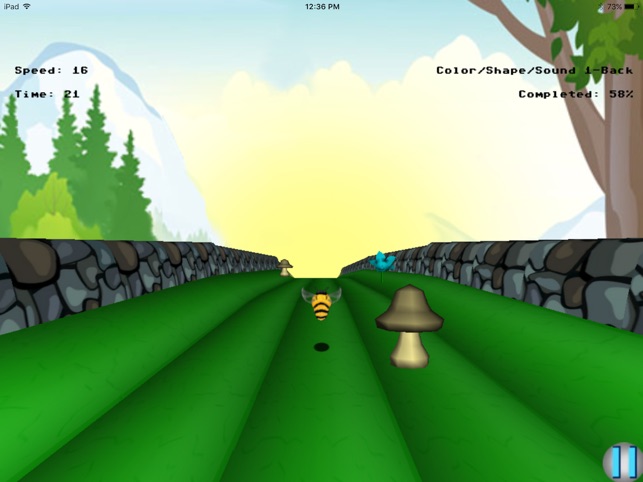
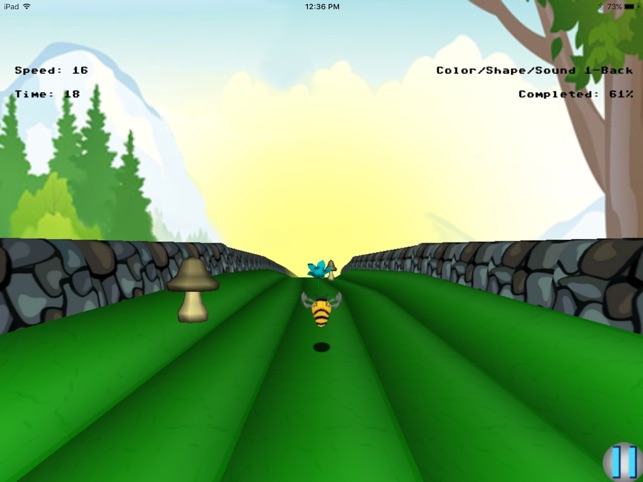
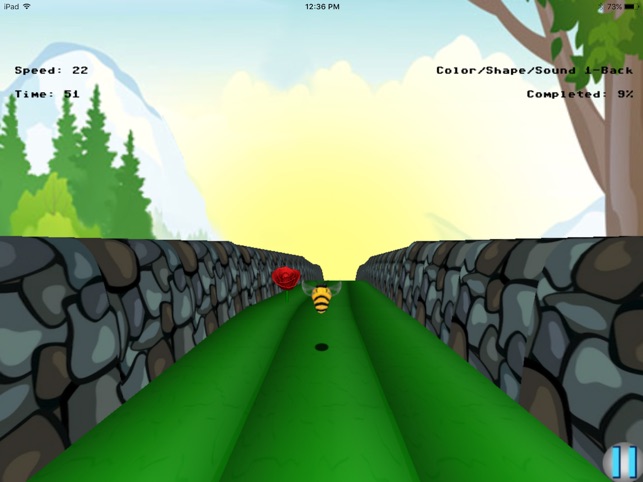
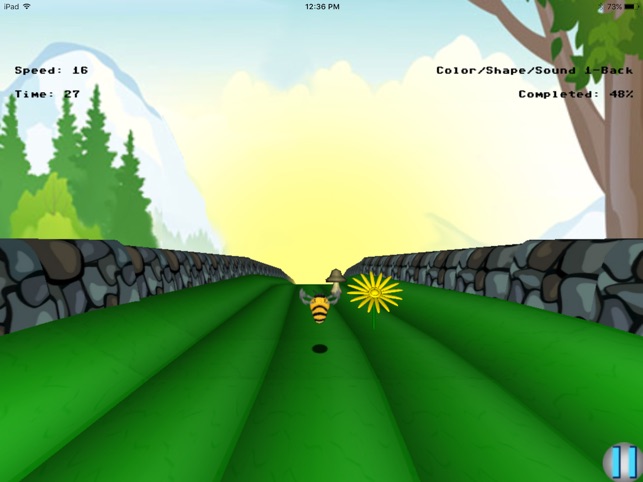
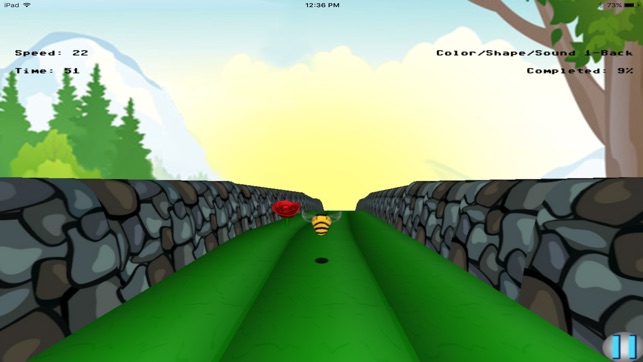
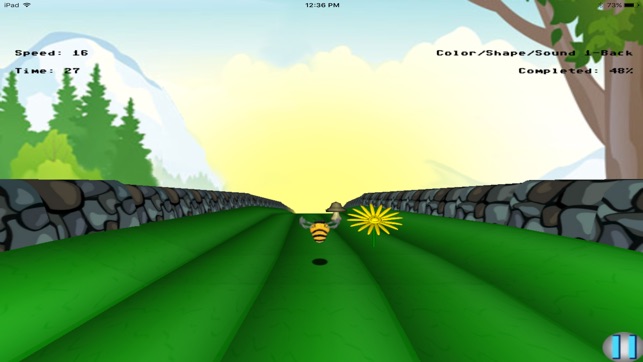
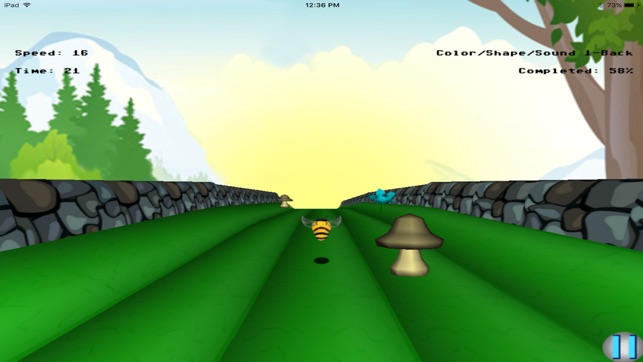
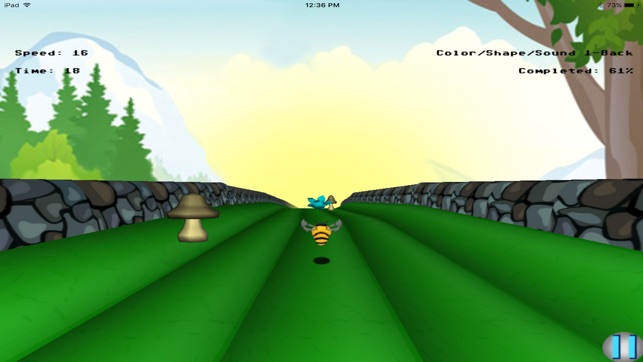
Functionality & Mechanism Developed by the University of California Riverside Brain Game Center, Remember Bee implements a gamified N-back cognitive training paradigm. The system presents a navigation-style interface where a bee must collect specific flowers based on a user's working memory. The core task requires recalling a stimulus from 'N' positions prior in a continuous sequence. As performance improves, the 'N' value increases, adaptively elevating the working memory load required for successful completion of the timed sessions.

Evidence & Research Context

  • The app's N-back training mechanism is based on research from three randomized controlled trials (N=460 total) investigating cognitive transfer effects.
  • These studies demonstrated that performance improvements on untrained N-back tasks (near transfer) mediate the training's effect on matrix reasoning (far transfer).
  • The N-back task is a standard paradigm for assessing and training working memory, with its behavioral and electrophysiological signatures extensively documented in cognitive neuroscience literature.

Intended Use & Scope This tool is designed for the general public as an engaging method for cognitive training focused on working memory. It functions as a brain fitness exercise, not as a diagnostic or clinical intervention tool. Performance within the app should not be interpreted as a clinical assessment of cognitive function or a substitute for professional medical advice.

Studies & Publications

2 publications

Peer-reviewed research associated with this app.

RCT

Near transfer to an unrelated N-back task mediates the effect of N-back working memory training on matrix reasoning

Pahor et al. (2022) · Nature Human Behaviour

Training improved performance on some tasks but not on matrix reasoning in two of three trials.

The extent to which working memory training improves performance on untrained tasks is highly controversial. Here we address this controversy by testing the hypothesis that far transfer may depend on near transfer using mediation models in three separate randomized controlled trials (RCTs). In all three RCTs, totalling 460 individuals, performance on untrained N-back tasks (near transfer) mediated transfer to Matrix Reasoning (representing far transfer) despite the lack of an intervention effect in RCTs 2 and 3. Untrained N-back performance also mediated transfer to a working memory composite, which showed a significant intervention effect (RCT 3). These findings support a model of N-back training in which transfer to untrained N-back tasks gates further transfer (at least in the case of working memory at the construct level) and Matrix Reasoning. This model can help adjudicate between the many studies and meta-analyses of working memory training that have provided mixed results but have not examined the relationship between near and far transfer on an individual-differences level. Pahor et al. find evidence across three experiments that the extent to which people improve in matrix reasoning as a result of N-back training is associated with their degree of improvement on working memory tasks similar to the training task.
... Read More
Effectiveness/Outcome Study

N-Back Related ERPs Depend on Stimulus Type, Task Structure, Pre-processing, and Lab Factors

Shalchy et al. (2020) · Frontiers in Human Neuroscience

Successfully identified how task design, data processing, and lab settings affect brain activity patterns.

The N-Back, a common working memory updating task, is increasingly used in basic and applied psychological research. As such, an increasing number of EEG studies have sought to identify the electrophysiological signatures of N-Back task performance. However, Stimulus Type, Task Structure, pre-processing methods, and differences in laboratory settings, including EEG recording setup employed, greatly vary across studies, which in turn may introduce inconsistencies in the obtained results. Here we address this issue by conducting nine different variations of an N-Back task manipulating Stimulus Type and Task Structure. Furthermore, we explored the effect of the pre-processing method used and differences in laboratory settings. Results reveal significant differences in behavioral and electrophysiological signatures in response to N-Back Stimulus Type, Task Structure, pre-processing method, and laboratory settings. In conclusion, we suggest that experimental factors, analysis pipeline, and laboratory differences, which are often ignored in the literature, need to be accounted for when interpreting findings and making comparisons across studies.
... Read More

Remember Bee

Free