
AppsFromResearch
Roadmap 2.0 icon

Roadmap 2.0

Evidence Tier:DOCUMENTED

Published in academic literature

For:Patients & Caregivers

App Summary

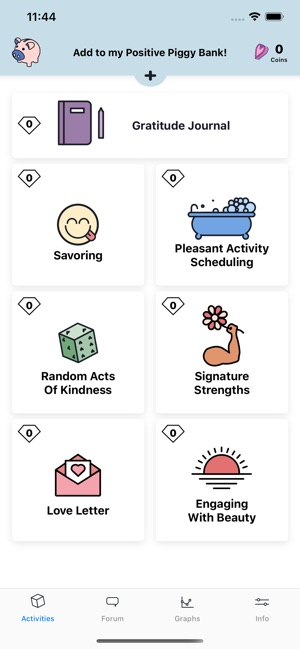
Roadmap 2.0 is a mobile intervention designed to support the well-being of family caregivers of patients undergoing hematopoietic cell transplant through a program of positive psychology activities. The app's design was informed by a qualitative study (N=24) with family caregivers, which identified a preference for a "menu" of positive activities to help manage the stress of caregiving. The associated research concludes that such a tool may provide critical support by offering accessible activities designed to enhance well-being and reduce the stress associated with caregiving.

App Screenshots

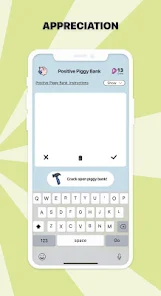
Roadmap 2.0 screenshot 1 of 9Roadmap 2.0 screenshot 2 of 9Roadmap 2.0 screenshot 3 of 9Roadmap 2.0 screenshot 4 of 9Roadmap 2.0 screenshot 5 of 9Roadmap 2.0 screenshot 6 of 9Roadmap 2.0 screenshot 7 of 9Roadmap 2.0 screenshot 8 of 9Roadmap 2.0 screenshot 9 of 9

Detailed Description

Functionality & Mechanism

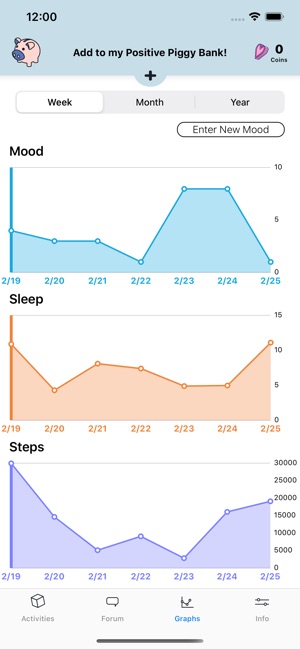
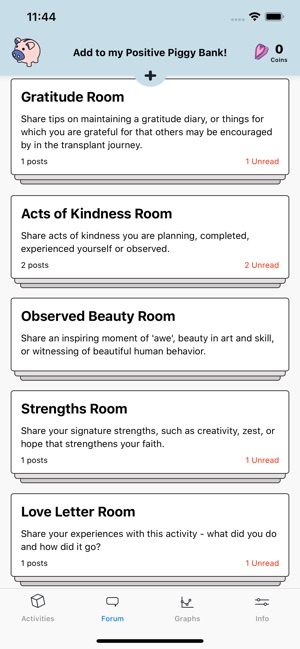
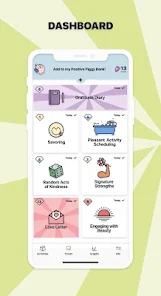
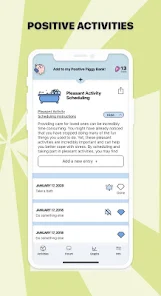
Roadmap 2.0 is a mobile health system delivering a positive psychological intervention for family caregivers of patients undergoing hematopoietic cell transplant. The interface provides a menu of eight structured activities designed to enhance positive emotions, character strengths, social connection, and purpose. The system also integrates functions for tracking mood and other health-related quality of life metrics. Sessions are self-directed, allowing caregivers to engage with the intervention content at their own pace within an outpatient context.

Evidence & Research Context

  • The design of the app's psychological intervention components was informed by a qualitative study involving 24 family caregivers of HCT patients.
  • This formative research established caregiver interest in a selectable menu of positive activities to enhance well-being and attenuate the stress associated with caregiving.
  • A preliminary, single-institution evaluation of the predecessor system (BMT Roadmap 1.0) with 10 pediatric HCT caregivers indicated high usability and feasibility in an inpatient setting.
  • The initial version provided caregivers with access to integrated clinical information, including lab results, medication lists, and transplant process trajectories.

Intended Use & Scope

The application is intended for use by family caregivers of hematopoietic cell transplant patients as an adjunct tool for psychological self-management. Its primary utility is to support well-being through structured positive psychology exercises. The system does not constitute medical advice or a replacement for professional mental health treatment, and users experiencing significant distress should consult their healthcare team.

Studies & Publications

2 publications

Peer-reviewed research associated with this app.

Qualitative Study

A Mobile Health App (Roadmap 2.0) for Patients Undergoing Hematopoietic Stem Cell Transplant: Qualitative Study on Family Caregivers' Perspectives and Design Considerations

Chaar et al. (2019) · JMIR mHealth and uHealth

Family caregivers provided positive feedback and valuable input for expanding the app to outpatient settings.
Background: Hematopoietic stem cell transplantation (HCT), also referred to as blood and marrow transplantation (BMT), is a high-risk, but potentially curative therapy for a number of cancer and noncancer conditions. BMT Roadmap (Roadmap 1.0) is a mobile health app that was developed as a family caregiver–facing tool to provide informational needs about the health status of patients undergoing inpatient HCT. Objective: This study explored the views and perceptions of family caregivers of patients undergoing HCT and their input regarding further technology development and expansion of BMT Roadmap into the outpatient setting (referred to as Roadmap 2.0). Methods: Semistructured qualitative interviews were conducted among 24 family caregivers. Questions were developed from existing literature coupled with prior in-depth observations and interviews in hospital-based settings to explore the study objectives. Participants were recruited during routine outpatient clinic appointments of HCT patients, and all interviews were conducted in the participants' homes, the setting in which Roadmap 2.0 is intended for use. A thematic analysis was performed using a consistent set of codes derived from our prior research. New emerging codes were also included, and the coding structure was refined with iterative cycles of coding and data collection. Results: Four major themes emerged through our qualitative analysis: (1) stress related to balancing caregiving duties; (2) learning and adapting to new routines (resilience); (3) balancing one's own needs with the patient's needs (insight); and (4) benefits of caregiving. When caregivers were further probed about their views on engagement with positive activity interventions (ie, pleasant activities that promote positive emotions and well-being such as expressing gratitude or engaging in activities that promote positive thoughts, emotions, and behaviors), they preferred a "menu" of positive activities to help support caregiver health and well-being. Conclusions: This study involved family caregivers as participants in the development of new components for Roadmap 2.0. Our research provided a further understanding of the many priorities that hematopoietic stem cell transplant family caregivers face while maintaining balance in their lives. Their schedules can often be unpredictable, even more so once the patient is discharged from the hospital. Our findings suggest that expanding Roadmap 2.0 into the outpatient setting may provide critical caregiver support and that HCT caregivers are interested in and willing to engage in positive activities that may enhance well-being and attenuate the stress associated with caregiving.
... Read More
Qualitative Study

BMT Roadmap: A User-Centered Design Health Information Technology Tool to Promote Patient-Centered Care in Pediatric Hematopoietic Cell Transplantation

Runaas et al. (2017) · Biology of Blood and Marrow Transplantation

Caregivers reported the app helped them feel more informed and engaged in their child's transplant care.
Health information technology (HIT) has great potential for increasing patient engagement. Pediatric hematopoietic cell transplantation (HCT) is a setting ripe for using HIT but in which little research exists. "BMT Roadmap" is a web-based application that integrates patient-specific information and includes several domains: laboratory results, medications, clinical trial details, photos of the healthcare team, trajectory of transplant process, and discharge checklist. BMT Roadmap was provided to 10 caregivers of patients undergoing first-time HCT. Research assistants performed weekly qualitative interviews throughout the patient's hospitalization and at discharge and day 100 to assess the impact of BMT Roadmap. Rigorous thematic analysis revealed 5 recurrent themes: emotional impact of the HCT process itself; critical importance of communication among patients, caregivers, and healthcare providers; ways in which BMT Roadmap was helpful during inpatient setting; suggestions for improving BMT Roadmap; and other strategies for organization and management of complex healthcare needs that could be incorporated into BMT Roadmap. Caregivers found the tool useful and easy to use, leading them to want even greater access to information. BMT Roadmap was feasible, with no disruption to inpatient care. Although this initial study is limited by the small sample size and single-institution experience, these initial findings are encouraging and support further investigation.
... Read More

Roadmap 2.0

Free