
Saving Memo
Published in academic literature
App Summary
App Screenshots







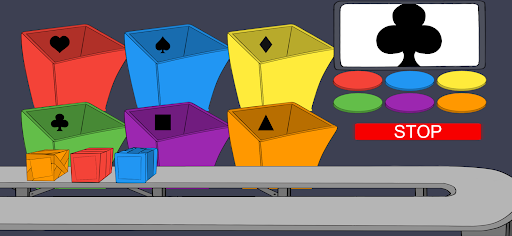
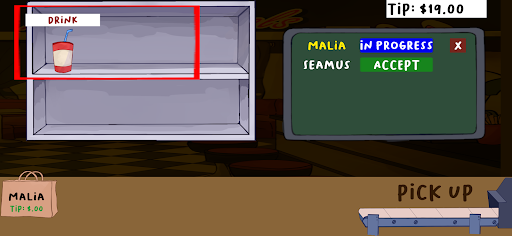
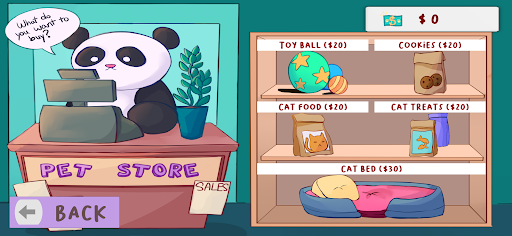
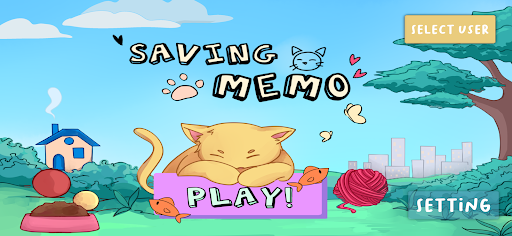


Detailed Description
Functionality & Mechanism
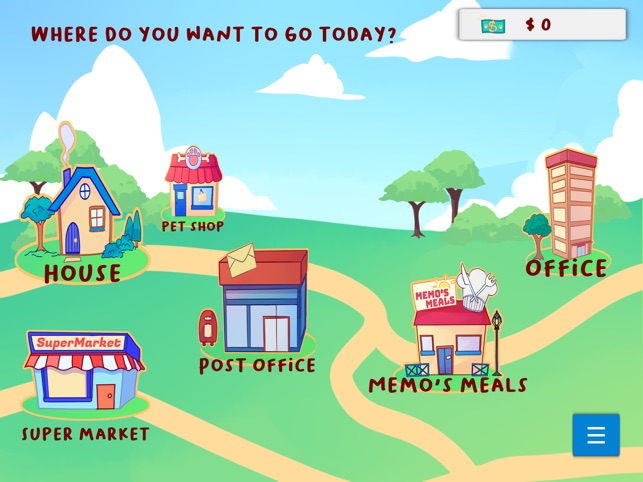
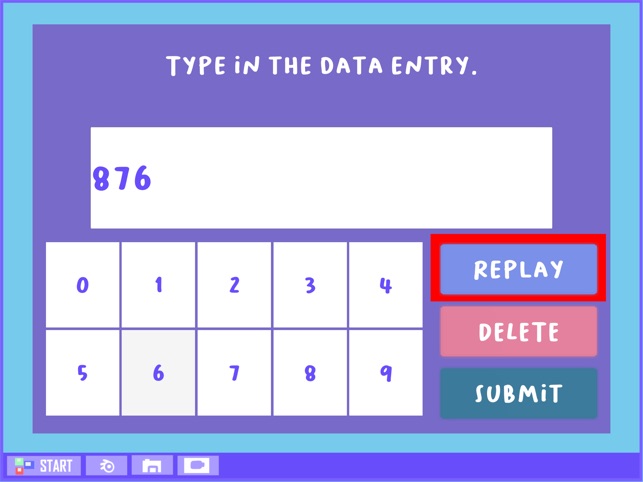
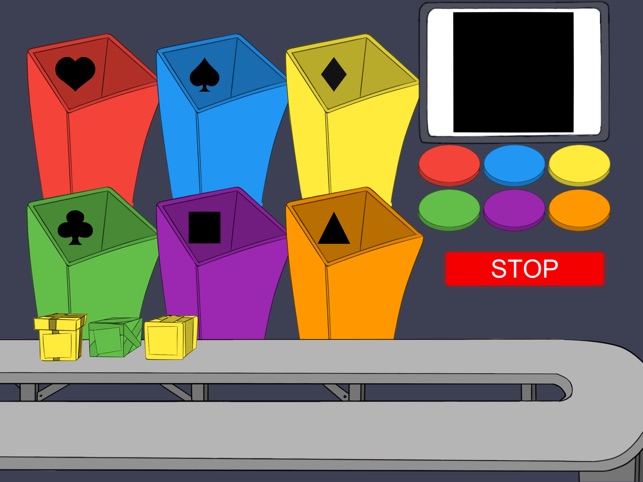
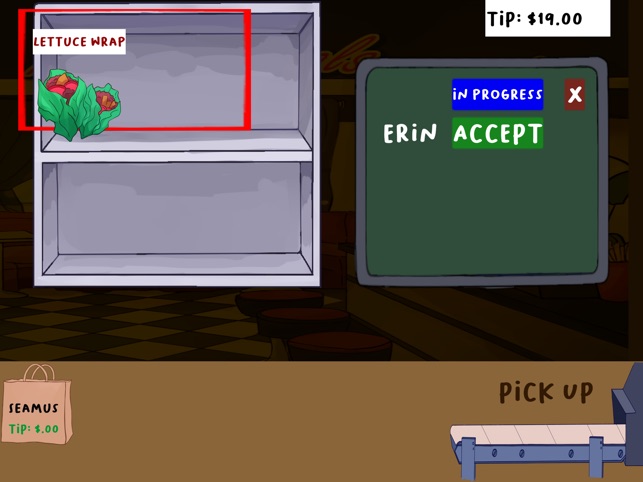
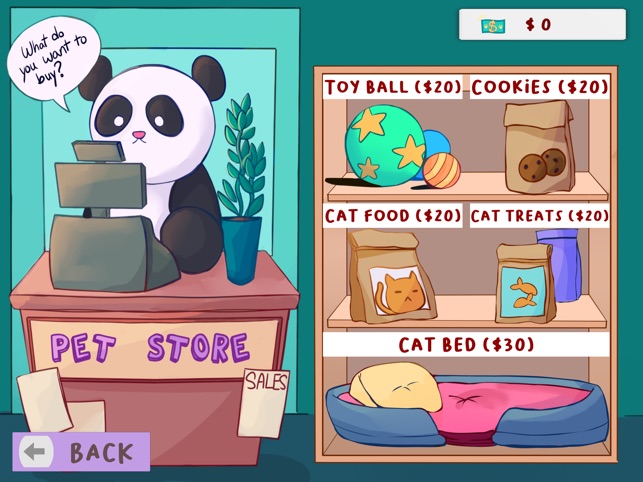
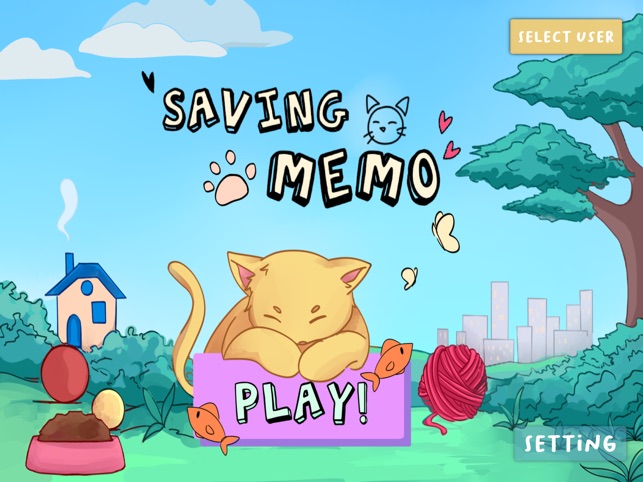
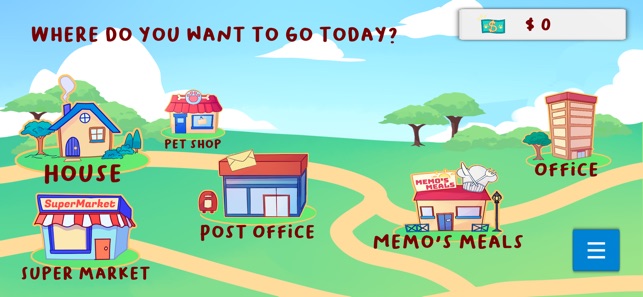
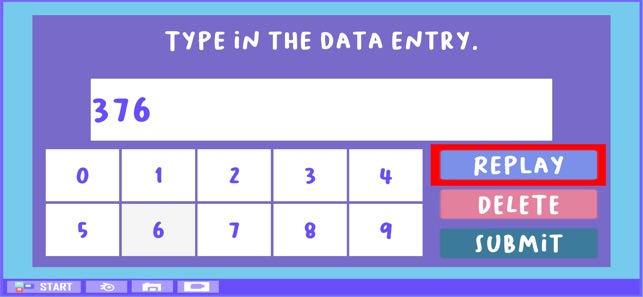
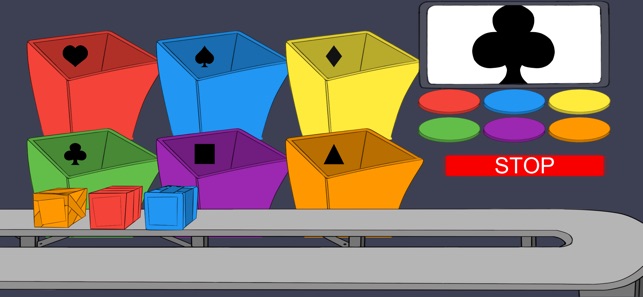
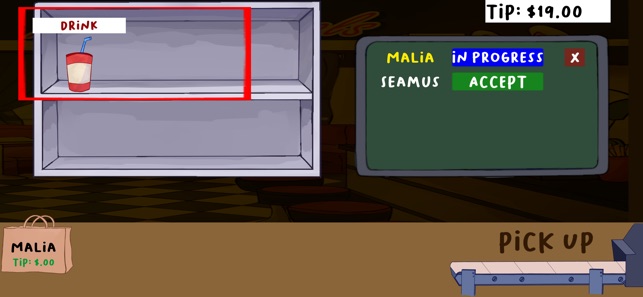
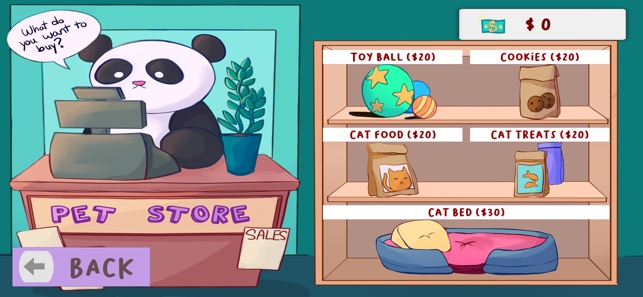
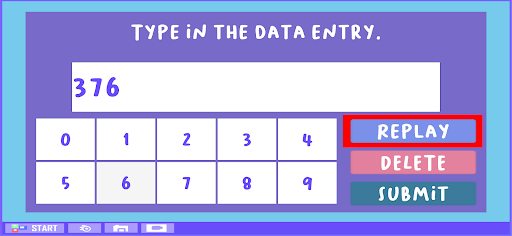
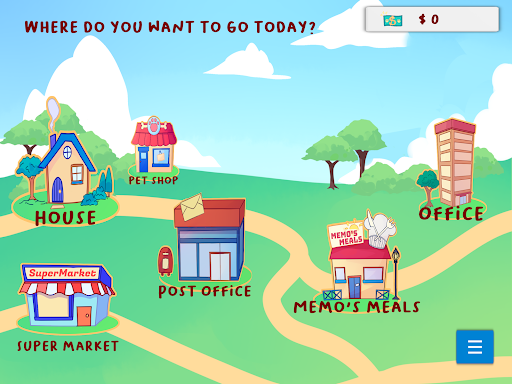
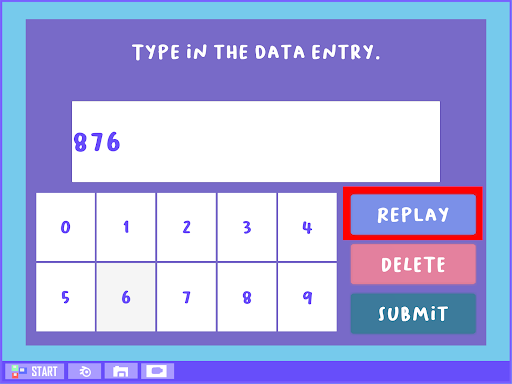
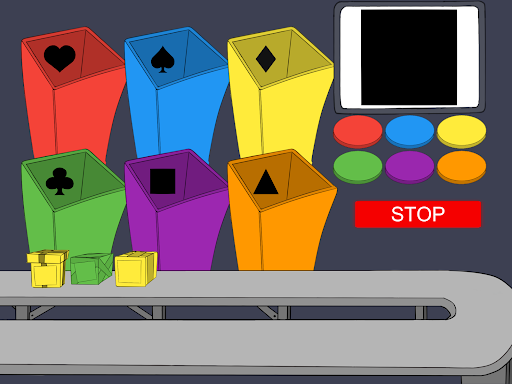
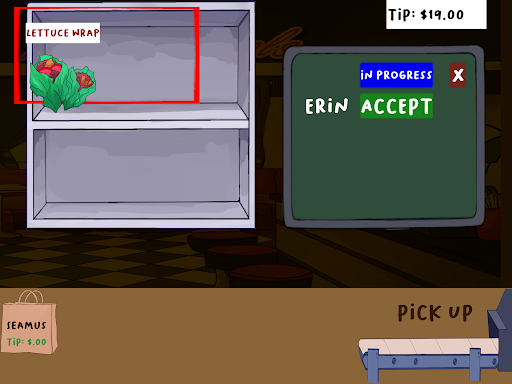
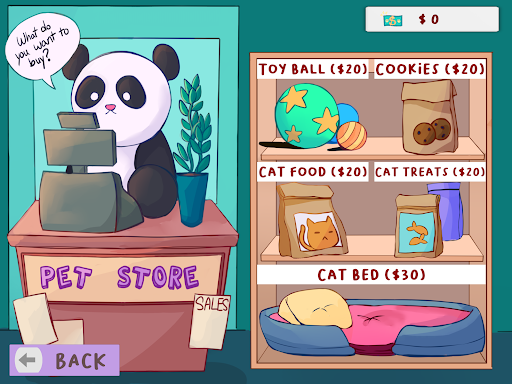
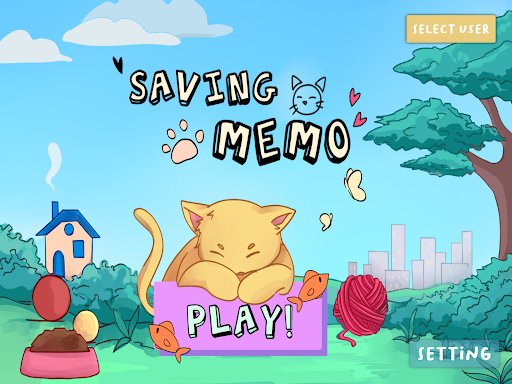
Saving Memo is a gamified assessment platform that measures working memory through a series of cognitive challenges. The system presents tasks framed as different 'jobs' within a game narrative where a character works to feed a cat. Each job module is structured to challenge specific components of working memory. Task performance, based on recall accuracy and speed, directly influences progress within the game, providing a dynamic and engaging measure of cognitive function in real-world-simulated scenarios.
Evidence & Research Context
- The app's design is informed by research into perceptual learning, which seeks to generate broad-based cognitive benefits through targeted, gamified training.
- Associated research outlines an integrative approach, combining multiple learning principles into a video game format to enhance the generality of training effects beyond specific tasks.
- A prototype game developed using this framework demonstrated broad-based benefits to vision and real-world performance improvements in a cohort of baseball players.
- The authors characterize this as a promising but early-stage field of research, highlighting the potential of leveraging game mechanics for cognitive science.
Intended Use & Scope
This application is intended for researchers collecting data on working memory performance and for individuals interested in cognitive self-assessment through a gamified interface. Its primary utility is to measure cognitive function within an engaging context. The tool is not a clinical diagnostic instrument and does not substitute for formal neuropsychological evaluation by a qualified professional.
Studies & Publications
Peer-reviewed research associated with this app.
The Promise of Brain Training Games; Applying Perceptual Learning to produce broad-based benefits to vision
Seitz et al. (2019) · Journal of Vision
Referenced in academic literature; no direct evaluation of the appIn the Media
Who benefits from brain training and why?
UC Riverside and UC Irvine researchers conducted three randomized control trials with nearly 500 participants to understand who benefits from brain training apps and why. The study found that "some people do very well in training, such as playing a video game, but they don't show near transfer perhaps because they are using highly specific strategies," according to first author Anja Pahor. The research demonstrates that people who show improvement on similar untrained tasks are more likely to experience broader cognitive benefits in daily activities.
Brain Games, with Dr. Susanne Jaeggi and Dr. Aaron Seitz
Dr. Susanne Jaeggi and Dr. Aaron Seitz from UC Riverside and UC Irvine developed brain training apps to improve cognitive skills and working memory, particularly in older adults, through their nationwide study of brain game effectiveness. Seitz notes that while there's evidence off-the-shelf video games can improve brain functions, "we don't know that they do work consistently or for whom." The researchers are conducting this study amid a $1.9 billion brain training app market to determine the scientific validity of these cognitive enhancement tools.
Nationwide project seeks to understand how brain exercises produce cognitive benefits
UC Riverside's Brain Game Center developed Saving Memo as part of a nationwide project to understand how memory training produces cognitive benefits, aiming to engage 30,000 people in different variants of memory training. "We want to understand which training approaches lead to what types of benefits in different individuals," said Aaron Seitz, director of the Brain Game Center and professor of psychology. The National Institute of Mental Health-funded project seeks to determine personalized cognitive training methods and resolve scientific controversies surrounding brain exercise effectiveness.
Speaking of Psychology: Can "brain training" games sharpen your mental skills? With Aaron Seitz, PhD
Dr. Aaron Seitz at the University of California, Riverside developed brain training research through the university's Brain Game Center to address whether cognitive games can genuinely improve mental skills like memory, vision, and hearing. Seitz believes that brain training research "does hold promise for developing games that can help people, including older adults who want to keep their memory sharp and athletes who want to improve their performance." His work aims to distinguish scientifically-backed cognitive training from the hundreds of unproven brain game apps flooding app stores.
App Information
Developer
University of California, RiversideCategory
Evidence Profile
Published in academic literature
Platforms
Updated
Oct 2025
© 2025 University of California, Riverside