
Sightseeing
Proven effective in research studies · Supported by multiple studies
App Summary
App Screenshots





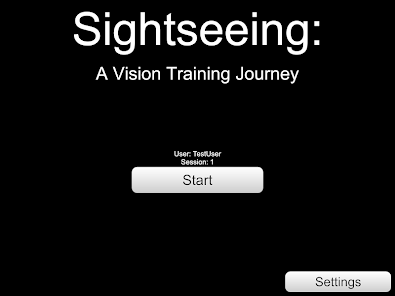
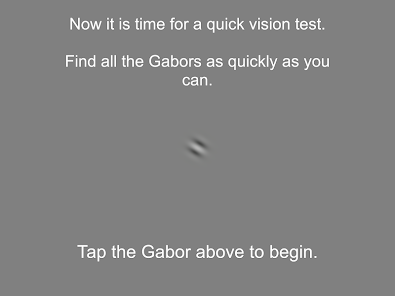
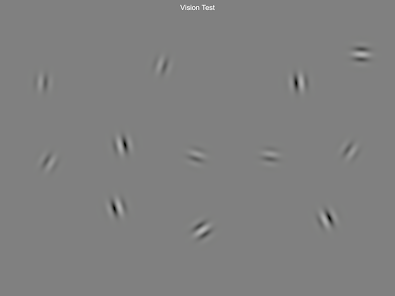
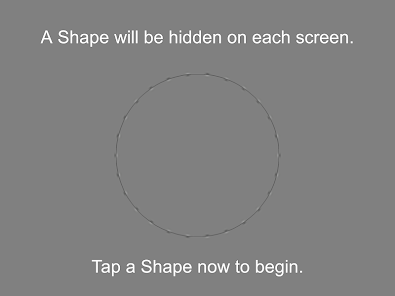


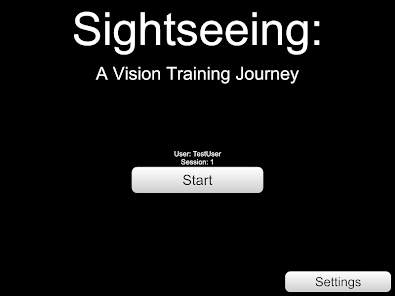
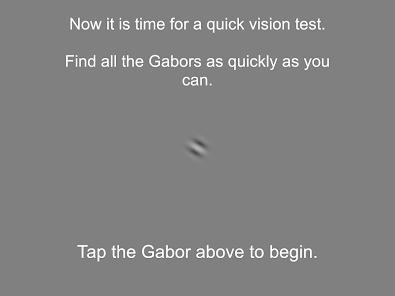
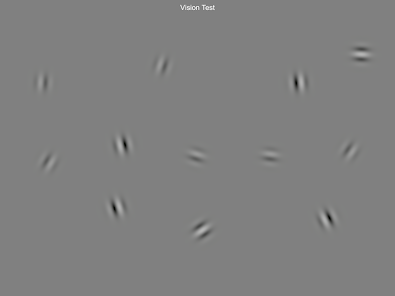
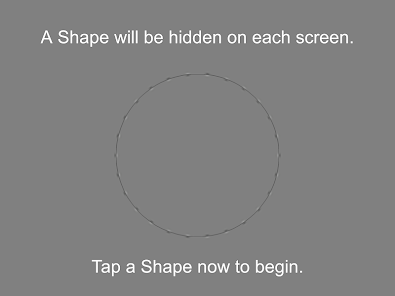




Detailed Description
Functionality & Mechanism
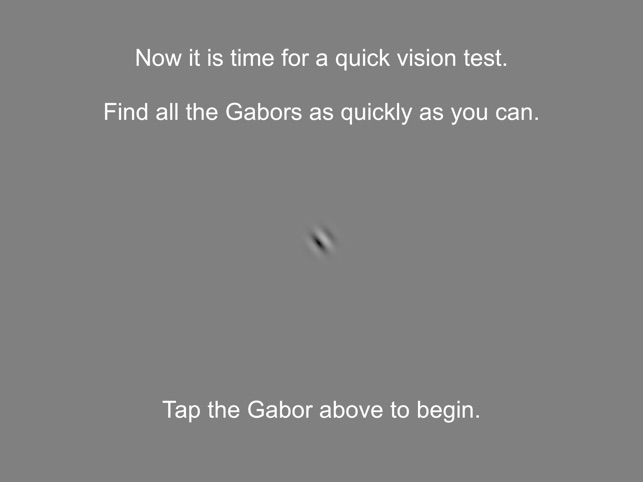
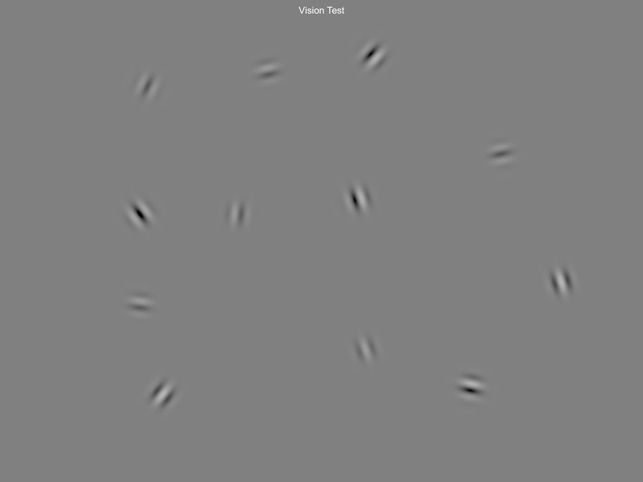
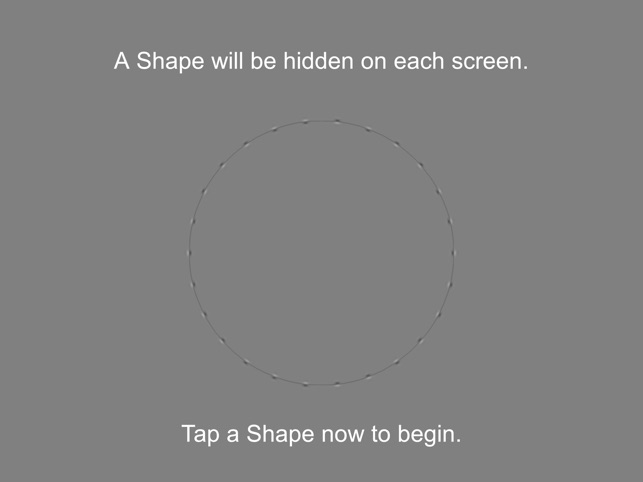
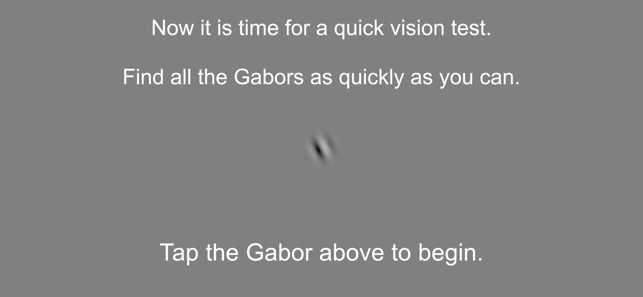
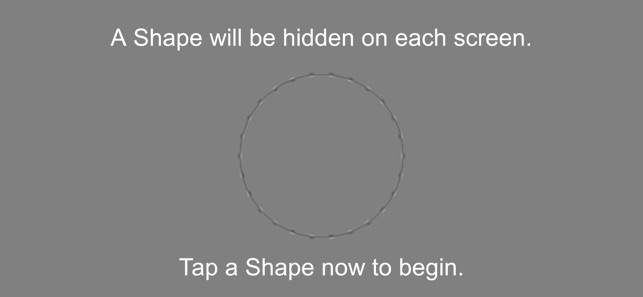
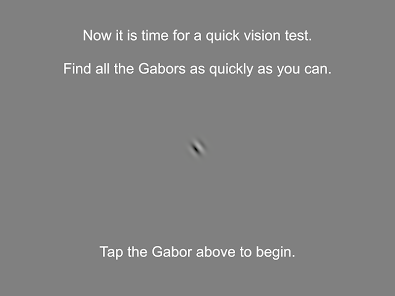
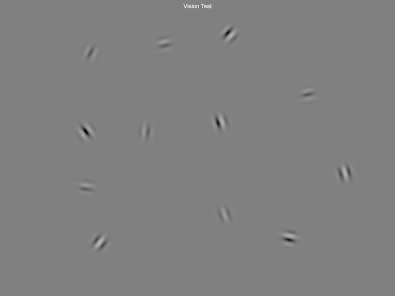
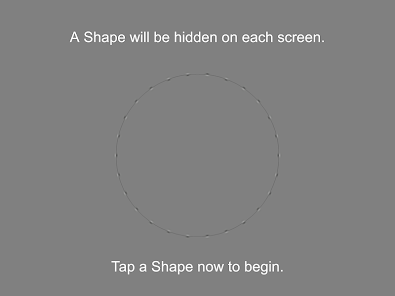
Developed by the University of California Riverside Brain Game Center, Sightseeing is a vision training program delivered through a reward-based game interface. It integrates principles of perceptual learning to enhance visual performance. Training sessions, approximately 25 minutes each, involve a series of psychophysical tasks, including the detection of low-contrast Gabor patches and contour integration exercises. The system's design reinforces program adherence and aims to generate broad-based improvements in visual acuity and sensitivity.
Evidence & Research Context
- A study involving 22 healthy adults found that an average of 24 sessions significantly improved foveal and peripheral acuity and contrast sensitivity compared to a non-training control group.
- The program demonstrated transferable real-world benefits in a study of collegiate baseball players, who exhibited improved vision, a reduction in strikeouts, and an increase in runs created post-training.
- Research documents broad-based improvements in visual function for healthy adults, including enhanced acuity, contrast sensitivity across the full spectrum, and improved peripheral vision thresholds.
- In a case study, a 5-year-old with amblyopia demonstrated clinically significant gains, with acuity in the amblyopic eye improving from 20/80 to 20/40 and binocular acuity normalizing to 20/20.
Intended Use & Scope
This system is intended for individuals seeking to enhance visual performance, including healthy adults and athletes. It may also function as an adjunct training tool for specific low-vision conditions under professional guidance. The program does not diagnose or treat eye disease and is not a substitute for comprehensive ophthalmological or optometric care.
Studies & Publications
Peer-reviewed research associated with this app.
Improved vision and on field performance in baseball through perceptual learning
Deveau et al. (2014) · Current Biology
Improved baseball players' vision and on-field performance, increasing runs and reducing strike-outs.
Broad-based visual benefits from training with an integrated perceptual-learning video game
Deveau et al. (2014) · Vision Research
Improved visual acuity, contrast sensitivity, and peripheral vision through video game training.
In the Media
Athletes Develop "Super Vision" Due to Brain Training Exercises
Aaron Seitz from the University of California, Riverside and colleague Jenni Deveau developed brain training exercises to improve athletes' vision beyond normal 20/20 sight, using Gabor patch contrast detection tasks. Their study with 17 UC Riverside baseball players showed that after daily 25-minute sessions over a month, "the players' eyesight had improved by about 30 percent" and the team won an average of 4.7 more games in their season.
Could an app improve your eyesight?
Aaron Seitz developed UltimEyes to improve users' eyesight by using simple puzzles that activate the visual cortex in the brain. In a small study, 19 baseball players lengthened the distance they could see clearly after using the app 30 times for 25-minute intervals. Seitz explained that "if you really want to get changes that are going to make you be able to see a line or two lower in an eye chart, you really need to work at this."
WATCH: Researchers Reveal Odd Way To Boost Your Vision
University of California Riverside researchers developed UltimEyes to improve vision through perceptual learning, testing the app with baseball players who completed 25-minute brain-training sessions four days per week during the 2013 NCAA season. "The vision tests demonstrate that training-based benefits transfer outside the context of the computerized training program to standard eye charts," said study co-author Dr. Aaron Seitz, noting players reported seeing the ball better and greater peripheral vision. The study recorded an average 31 percent improvement in binocular vision, with some players' visual acuity jumping from 20/20 to 20/7.5.
Brain training has vision benefits for baseball and beyond
University of California, Riverside researchers developed Sightseeing to improve vision through brain training, using a game that requires players to find and select patterns modeled after stimuli that visual cortex neurons respond to best. UC Riverside baseball players who used the app for 25-minute sessions four days a week had 4.4 percent fewer strikeouts and helped their team score 41 more runs than projected. The researchers estimate this progress accounted for an additional four or five wins during the 2013 season.
App Information
Developer
University of California, RiversideCategory
Evidence Profile
Proven effective in research studies · Supported by multiple studies
Platforms
Updated
Oct 2022
© 2025 University of California, Riverside