
AppsFromResearch
STAIR Coach icon

STAIR Coach

Evidence Tier:CLINICAL GRADE

Validated in clinical trials · Initial evidence

For:Clinicians & Healthcare ProfessionalsGeneral Public & EnthusiastsPatients & Caregivers

App Summary

STAIR Coach is a self-help app based on an evidence-based psychotherapy that teaches skills for managing emotions and interpersonal relationships for those affected by trauma. A randomized controlled trial (N=26) of a brief, five-session STAIR intervention for veterans found significant improvements in PTSD symptoms, depression, and social functioning compared to treatment as usual. The results indicate that this brief, skills-focused treatment may be effective in reducing a range of symptoms and improving functioning among individuals treated in primary care settings.

App Screenshots
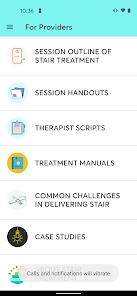
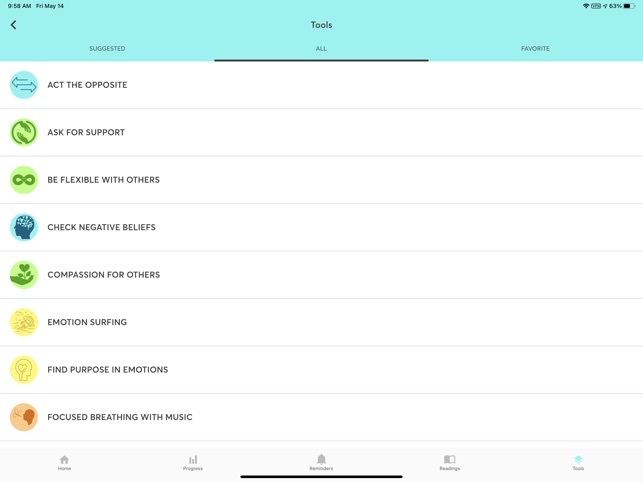
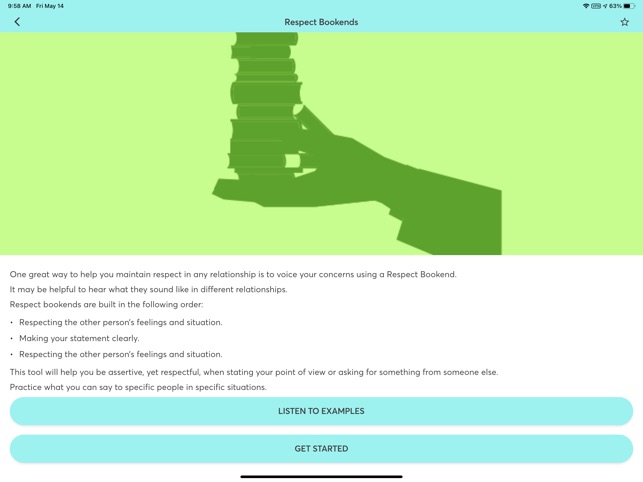
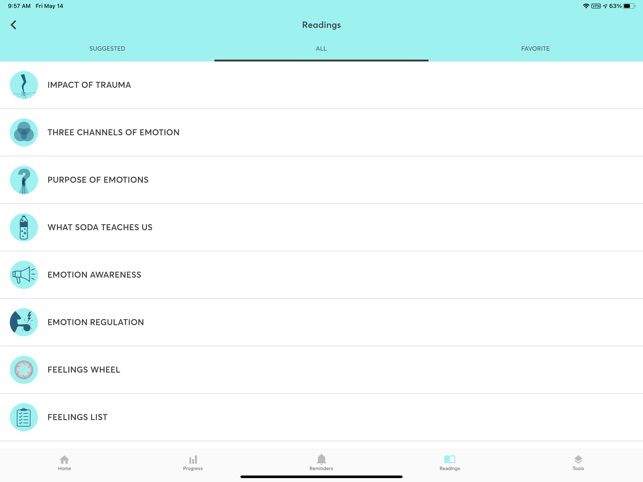
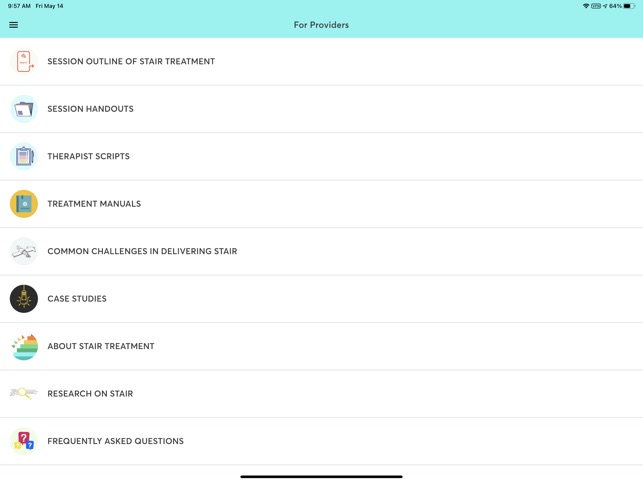
STAIR Coach screenshot 1 of 24STAIR Coach screenshot 2 of 24STAIR Coach screenshot 3 of 24STAIR Coach screenshot 4 of 24STAIR Coach screenshot 5 of 24STAIR Coach screenshot 6 of 24STAIR Coach screenshot 7 of 24STAIR Coach screenshot 8 of 24STAIR Coach screenshot 9 of 24STAIR Coach screenshot 10 of 24STAIR Coach screenshot 11 of 24STAIR Coach screenshot 12 of 24STAIR Coach screenshot 13 of 24STAIR Coach screenshot 14 of 24STAIR Coach screenshot 15 of 24STAIR Coach screenshot 16 of 24STAIR Coach screenshot 17 of 24STAIR Coach screenshot 18 of 24STAIR Coach screenshot 19 of 24STAIR Coach screenshot 20 of 24STAIR Coach screenshot 21 of 24STAIR Coach screenshot 22 of 24STAIR Coach screenshot 23 of 24STAIR Coach screenshot 24 of 24

Detailed Description

Functionality & Mechanism

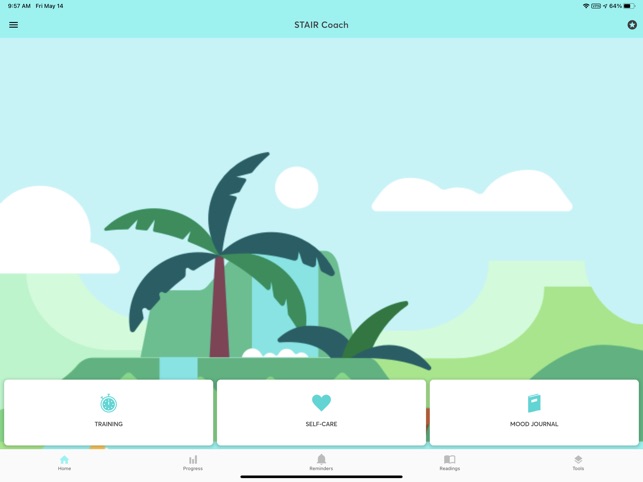
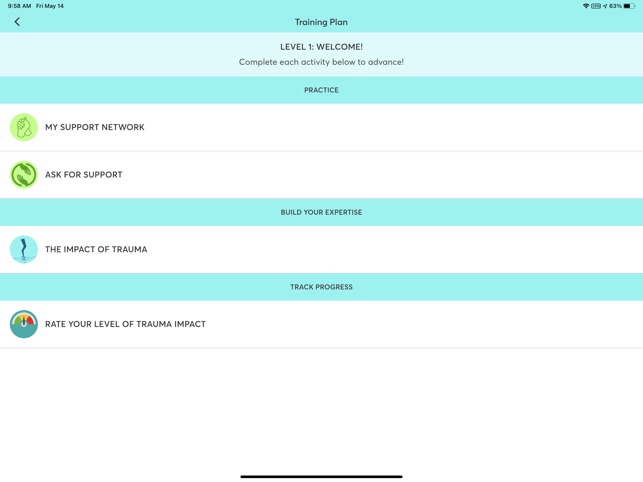
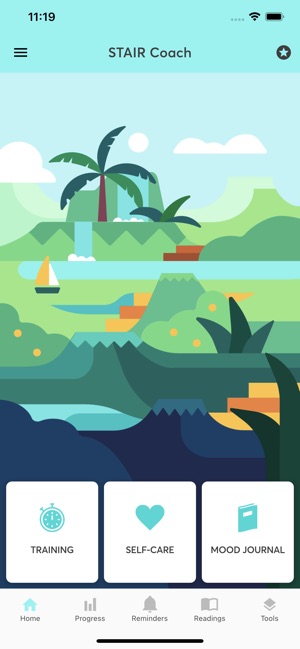
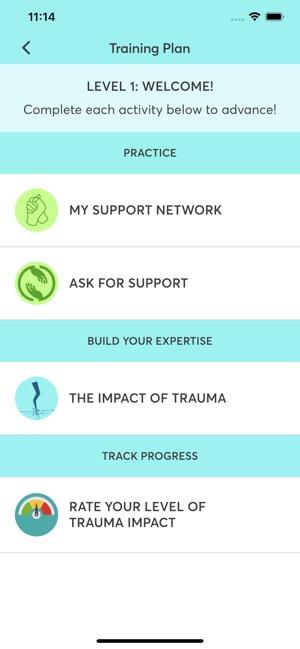
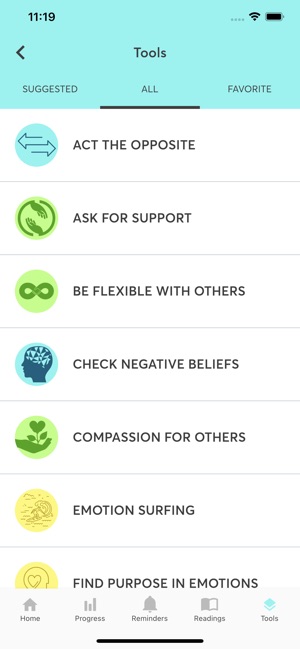
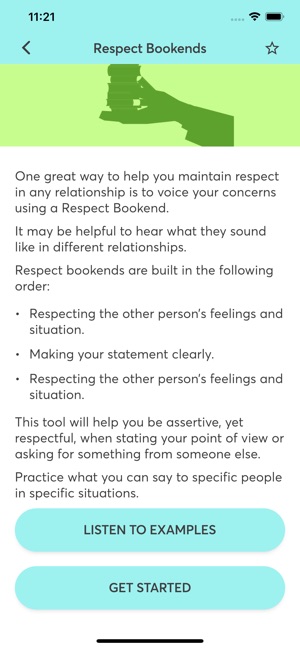
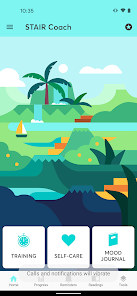
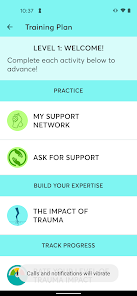
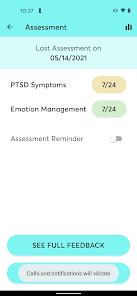
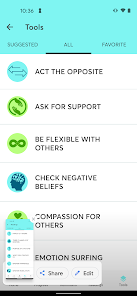
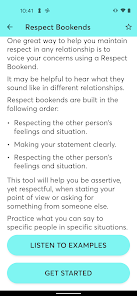
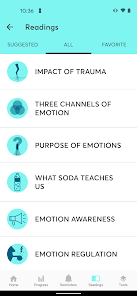
Developed by the VA's National Center for PTSD, STAIR Coach delivers a self-help course grounded in Skills Training in Affective & Interpersonal Regulation (STAIR) psychotherapy. The system provides structured psychoeducational content and interactive tools designed to improve emotion and relationship management. Sessions involve progressing through a training plan, utilizing modules for practicing cognitive and behavioral techniques, and setting customizable reminders. The interface also integrates quick links to user-designated personal support contacts for use in moments of distress.

Evidence & Research Context

  • The app is based on Skills Training in Affective and Interpersonal Regulation (STAIR), an evidence-based therapeutic model for managing posttraumatic stress.
  • A randomized controlled trial (N=26) evaluating a five-session STAIR intervention for veterans in primary care demonstrated significant reductions in PTSD and depression symptoms compared to treatment as usual.
  • The brief STAIR intervention produced moderate-to-large effect sizes for improvements in PTSD symptoms (Hedge's g=0.81), depression (g=1.15), and emotion regulation (g=0.75).
  • Associated research literature from the U.S. Department of Veterans Affairs classifies the application as a self-management tool for independent use or as an adjunct to clinical care.

Intended Use & Scope

This application is designed for individuals managing the effects of trauma or posttraumatic stress. Its primary utility is as a self-management tool to learn and practice evidence-based coping skills for emotional and interpersonal regulation. The app is a psychoeducational resource and is not a substitute for professional diagnosis or comprehensive psychotherapy. Users experiencing acute distress should seek consultation with a qualified healthcare provider.

Studies & Publications

2 publications

Peer-reviewed research associated with this app.

RCT

A Randomized Controlled Trial of Brief Skills Training in Affective and Interpersonal Regulation (STAIR) for Veterans in Primary Care

Jain et al. (2020) · Journal of Traumatic Stress

Improved PTSD symptoms, depression, emotion regulation, and social functioning versus usual care.

AbstractThis randomized controlled trial assessed the efficacy of a five‐session version of Skills Training in Affective and Interpersonal Regulation (STAIR) among veterans obtaining treatment in primary care. Veterans who screened positive for either posttraumatic stress disorder (PTSD) or depression (N = 26) were enrolled and randomized into either five‐session STAIR or treatment as usual (TAU). Assessments of PTSD symptoms (PTSD Checklist for DSM‐5; PCL‐5), depression (Beck Depression Inventory–II; BDI‐II), emotion regulation (Difficulties in Emotion Regulation Scale; DERS), and social engagement difficulties (World Health Organization Disability Assessment 2.0; WHODAS‐2) were assessed at pretreatment, posttreatment, and 3‐month follow‐up assessments. Participants assigned to the five‐session STAIR condition reported significant improvements on all measures, whereas those assigned to TAU showed no change. Group × Treatment interactions were significant for all outcomes, and effect sizes for the interactions ranged from moderate to large, Hedge's gs = 0.81 for the PCL‐5, 1.15 for the BDI‐II, 0.75 for the DERS, and 0.81 for the WHODAS‐2. The results indicate that five‐session STAIR, a brief, skills‐focused treatment, may be effective in reducing a range of symptoms and in improving social functioning among veterans treated in primary care settings.
... Read More
Non-Evaluative Reference

VA mobile apps for PTSD and related problems: public health resources for veterans and those who care for them

Owen et al. (2018) · mHealth

Referenced in academic literature; no direct evaluation of the app
Many public health agencies, including the U.S. Department of Veterans Affairs (VA), have identified the use of mobile technologies as an essential part of a larger strategy to address major public health challenges. The VA's National Center for PTSD (NCPTSD), in collaboration with VA's Office of Mental Health and Suicide Prevention and the Defense Health Agency inside the U.S. Department of Defense (DoD), has been involved in the development, evaluation, and testing of 15 mobile apps designed specifically to address the needs and concerns of veterans and others experiencing symptoms of posttraumatic stress disorder (PTSD). These applications include seven treatment-companion apps (designed to be used with a provider, in conjunction with an evidence-based therapy) and eight self-management apps (designed to be used independently or as an adjunct or extender of traditional care). There is growing evidence for the efficacy of several of these apps for reducing PTSD and other symptoms, and studies of providers demonstrate that the apps are engaging, easy-to-use, and provide a relative advantage to traditional care without apps. While publicly available apps do not collect or share personal data, VA has created research-enabled versions of many of its mental health apps to enable ongoing product enhancement and continuous measurement of the value of these tools to veterans and frontline providers. VA and DoD are also collaborating on provider-based implementation networks to enable clinicians to optimize implementation of mobile technologies in care. Although there are many challenges to developing and integrating mHealth into care, including cost, privacy, and the need for additional research, mobile mental health technologies are likely here to stay and have the potential to reach large numbers of those with unmet mental health needs, including PTSD-related concerns.
... Read More

In the Media

The STAIR Coach

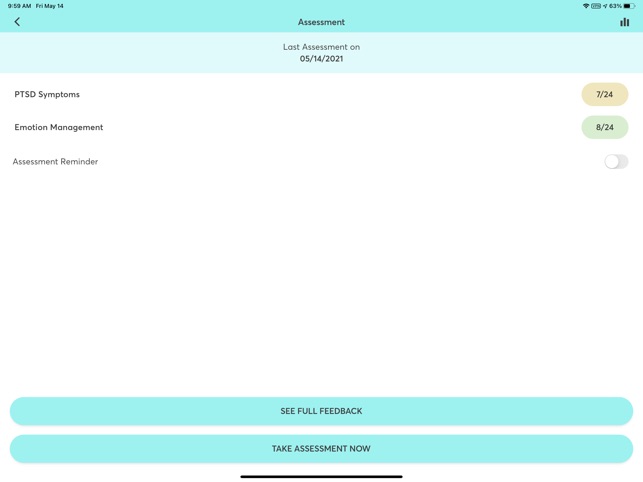
The VA developed STAIR Coach to support people participating in Skills Training in Affective and Interpersonal Regulation (STAIR) therapy with a mental health professional, addressing mood changes and social challenges faced by those living with PTSD. The free app guides users through therapist-assigned exercises and allows them to track progress, featuring interactive tools for emotion and behavior management, customizable reminders, and quick links to support. STAIR Coach is designed specifically for use with a mental health care provider and is not meant for self-care.

VaRead article

An App to Cope with Trauma - My HealtheVet

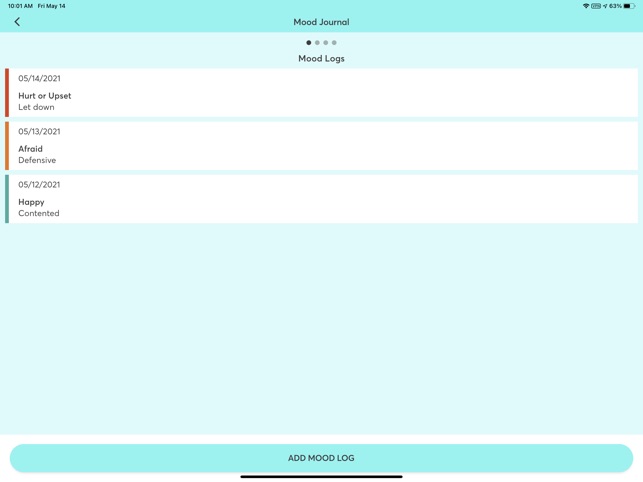
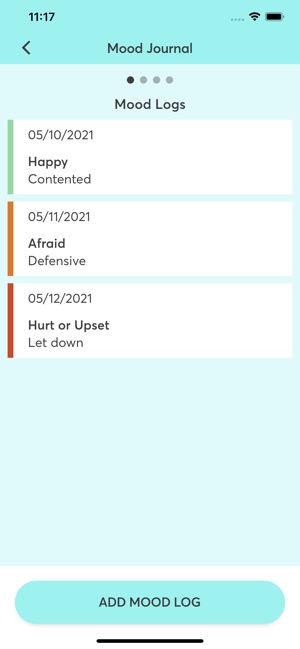
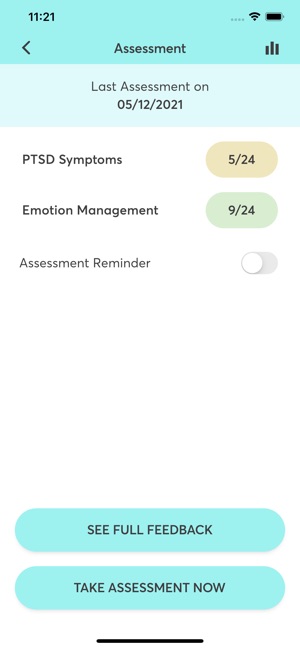
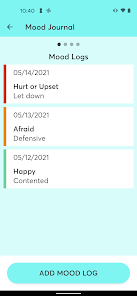
The VA developed STAIR Coach to help users cope with trauma-related emotions and navigate relationships, using Skills Training in Affective and Interpersonal Regulation methodology. The app includes suggested activities, trauma impact readings, mood journaling, and personalized tools tailored to individual symptoms. The VA emphasizes that STAIR Coach works best when paired with mental health treatment such as talk therapy.

VaRead article

STAIR Coach

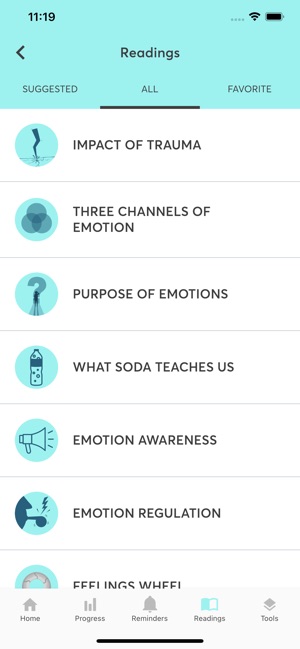
The VA's National Center for PTSD developed STAIR Coach to support patients engaged in Skills Training in Affective & Interpersonal Regulation therapy, providing guided exercises and progress tracking tools. The app includes self-care tools, a mood journal, and a training plan designed to help users understand and regulate emotions while improving interpersonal relationships following trauma.

VaRead article

STAIR Coach

Free